
Overview
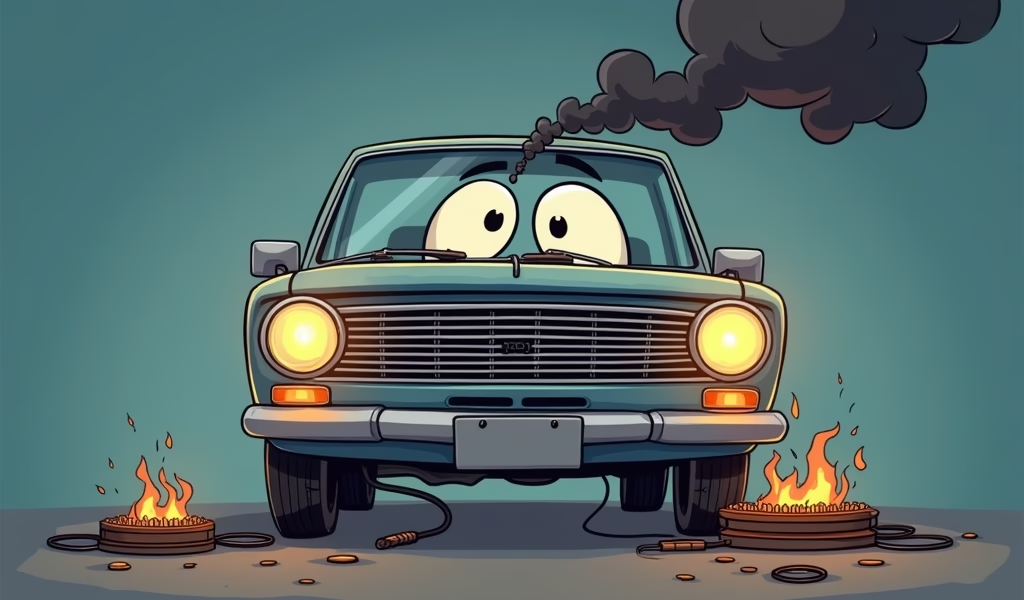
Just when you thought your car troubles couldn’t get any more inconvenient, a failing alternator announces itself through dim headlights, strange noises, or a dead battery that keeps coming back to haunt you. Recognizing these early warning signs can save you from being stranded with a completely dead vehicle and help you avoid cascading electrical failures that could lead to repair bills exceeding $1,000.
Signs of a Bad Alternator: Avoid Costly Repairs
Is your car’s electrical system suddenly acting up? Dim headlights, a dead battery, strange noises, or warning lights could all be signs of a bad alternator that needs immediate attention. Without a properly functioning alternator, your vehicle will eventually stop running, potentially leaving you stranded at the most inconvenient moment. What’s worse, ignoring these early warning signs can lead to cascading electrical failures and repair bills that could exceed $1,000. Understanding how to identify alternator problems early can save you from both the headache of unexpected breakdowns and the financial sting of major repairs.
Table of Contents
- What Is an Alternator?
- How Alternators Work
- Common Signs of a Failing Alternator
- Testing Your Alternator at Home
- When to Replace Your Alternator
- Alternator Maintenance Tips
- Alternator Replacement Costs
- Conclusion
- Frequently Asked Questions
What Is an Alternator?
The alternator is a crucial component of your vehicle’s electrical system. Think of it as a small generator that keeps your battery charged while also powering electrical components when your engine is running. Unlike the battery, which primarily serves to start your car, the alternator provides continuous electrical power once the engine is running.
Located near the front of the engine and driven by the serpentine belt, this compact but mighty device converts mechanical energy from the engine’s rotating crankshaft into electrical energy. Without a properly functioning alternator, your car would quickly drain its battery and shut down completely.
The alternator is part of a vehicle’s electrical system basics, working alongside the battery and voltage regulator to maintain proper electrical flow. Modern vehicles are especially dependent on alternators, as they power everything from basic functions like headlights to sophisticated computer systems that control engine performance, safety features, and entertainment options.
How Alternators Work
Understanding how alternators function helps explain the symptoms that appear when they start to fail. At its core, an alternator operates on the principle of electromagnetic induction. When your engine runs, it spins a pulley connected to the alternator via a belt. This mechanical rotation drives a rotor inside the alternator, which is surrounded by a stator—essentially a stationary set of wire coils.
As the rotor spins, its magnetic field passes through the stator coils, generating alternating current (AC). Since your vehicle’s electrical systems require direct current (DC), diodes within the alternator convert this AC power to DC. Meanwhile, a voltage regulator ensures a consistent output—typically between 13.5 and 14.5 volts—regardless of engine speed.
This steady electrical supply performs three critical functions: it recharges your battery after starting the engine, powers all electrical components while driving, and provides the excess capacity needed for high-demand situations like running headlights, heater fans, and radio simultaneously on cold nights.
Common Signs of a Failing Alternator
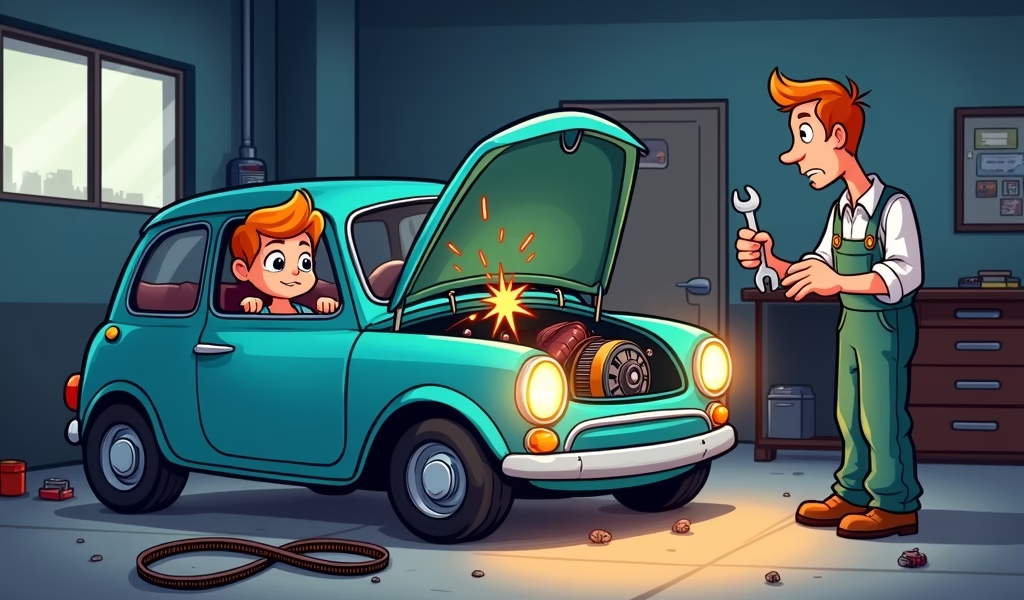
When your alternator starts failing, your vehicle will typically give you several warning signs before it stops working completely. Being able to recognize these symptoms early can help you avoid being stranded and potentially save on repair costs. Here are the most common signs to watch for:
Dimming or Flickering Lights
One of the earliest and most noticeable signs of alternator trouble is dimming or flickering lights. You might notice your headlights seem dimmer than usual, especially when idling, or that they brighten when you rev the engine. Inside the cabin, your dashboard lights or interior lights might flicker or gradually dim. This happens because the alternator isn’t providing consistent voltage to power these systems.
Warning Light on Dashboard
Modern vehicles are equipped with sophisticated engine warning lights that monitor various systems. The battery light (usually shaped like a battery) often illuminates when there’s an alternator issue, not just battery problems. Some vehicles have a specific “ALT” or “GEN” light specifically indicating alternator troubles. Don’t ignore these warnings—they’re your vehicle’s way of telling you something’s wrong before a complete failure occurs.
Dead or Weak Battery
If your battery repeatedly dies or needs frequent jump-starts, your alternator might be the culprit rather than the battery itself. While a bad battery can certainly cause starting problems, a failing alternator won’t properly recharge your battery during driving. This creates a frustrating cycle: you jump-start the car, drive for a while, but then find yourself with another dead battery the next time you try to start the vehicle.
Electrical Issues and Malfunctions
As the alternator weakens, various electrical components may start acting up. Power windows might move more slowly than usual. Your radio might cut out unexpectedly or your GPS screen could flicker. You might notice problems with power seats, heated seats, or even the air conditioning system. These symptoms tend to worsen as the alternator continues to deteriorate.
Strange Noises
Mechanical issues within the alternator often produce distinctive sounds. You might hear a grinding noise, which could indicate worn-out bearings. A whining or high-pitched squealing noise, especially one that changes with engine RPM, often points to alternator problems. These sounds typically originate from the front of the engine where the alternator is located.
Burning Rubber or Wiring Smell
An overworked alternator can produce excess heat, leading to a distinctive burning smell. This might smell like burning rubber or hot wires. If you notice such odors while driving, particularly combined with other symptoms, pull over safely and have your vehicle checked immediately, as this could indicate an electrical issue that poses a fire risk.
Stalling or Difficulty Starting
When your alternator isn’t providing adequate power, your engine may stall while driving or have difficulty starting. Modern fuel-injected engines rely on electrical power for the fuel pump, ignition system, and computer controls. Without sufficient electricity from the alternator, these systems can’t function properly, resulting in performance issues or complete failure to run.
Testing Your Alternator at Home
Before heading to a mechanic, there are several simple tests you can perform at home to determine if your alternator might be failing. While these aren’t as definitive as professional diagnostic tests, they can give you a good indication of whether your alternator deserves closer inspection.
The Headlight Test
This classic test requires nothing more than your car’s headlights and a few minutes of your time. Start your engine and turn on your headlights. Observe their brightness at idle, then rev the engine slightly (to about 2,000 RPM). In a healthy electrical system, the headlights should maintain consistent brightness. If they noticeably brighten when you rev the engine, your alternator may not be producing sufficient power at idle.
The Battery Test
With your engine off, use a multimeter to check your battery’s voltage. A healthy battery should read around 12.6 volts. Now start the engine and measure again. With the engine running, the voltage should increase to between 13.5 and 14.5 volts. This higher reading indicates the alternator is charging the battery. If the voltage doesn’t increase or reads outside this range, your alternator may be failing.
For a more thorough check, turn on electrical accessories like headlights, radio, and AC while the engine is running. The voltage should remain above 13 volts. If it drops significantly with accessories on, your alternator may not be keeping up with demand.
The Belt Inspection
Sometimes alternator problems stem from the drive belt rather than the alternator itself. Inspect the serpentine belt for signs of wear, cracking, glazing, or improper tension. A loose or damaged belt can prevent the alternator from spinning at the correct speed, reducing its output. If the belt looks worn or loose, have it replaced or adjusted—this might solve your electrical issues without requiring a new alternator.
Using car diagnostics tools can help pinpoint electrical issues more precisely. If you’re comfortable with automotive technology, an OBD-II scanner can sometimes identify alternator-related problems through the vehicle’s computer system, especially in newer models with sophisticated electrical system monitoring.
When to Replace Your Alternator
Deciding when to replace your alternator isn’t always straightforward. While some failures are sudden and obvious, others develop gradually. Here are some guidelines to help you make this decision:
Age and Mileage Considerations
Most alternators are designed to last between 80,000 and 150,000 miles, depending on the vehicle make and model. If your vehicle is approaching or has exceeded this mileage range and you’re experiencing electrical symptoms, preventive replacement might be wise. Similarly, if your alternator is more than seven years old, it may be nearing the end of its useful life, even with lower mileage.
Failed Diagnostic Tests
If your alternator fails the voltage tests described earlier or if a professional mechanic’s diagnostics confirm alternator issues, replacement is typically necessary. Modern alternators are sealed units that generally aren’t serviceable—rebuilding is possible but often costs nearly as much as replacement with a new or remanufactured unit.
Repeat Battery Failures
If you’ve replaced your battery multiple times in a short period and the problem persists, your alternator is likely at fault. A failing alternator can damage new batteries by undercharging or overcharging them, creating an expensive cycle of battery replacements that doesn’t address the root cause.
When Repair Might Be Possible
In some cases, alternator problems might be repairable without full replacement. Issues with the serpentine belt, connections, or wiring can sometimes be fixed independently. A thorough diagnosis from a qualified mechanic can determine whether repair or replacement is your best option. According to AAA’s automotive experts, addressing minor alternator issues early can sometimes extend its life by several years.
Alternator Maintenance Tips
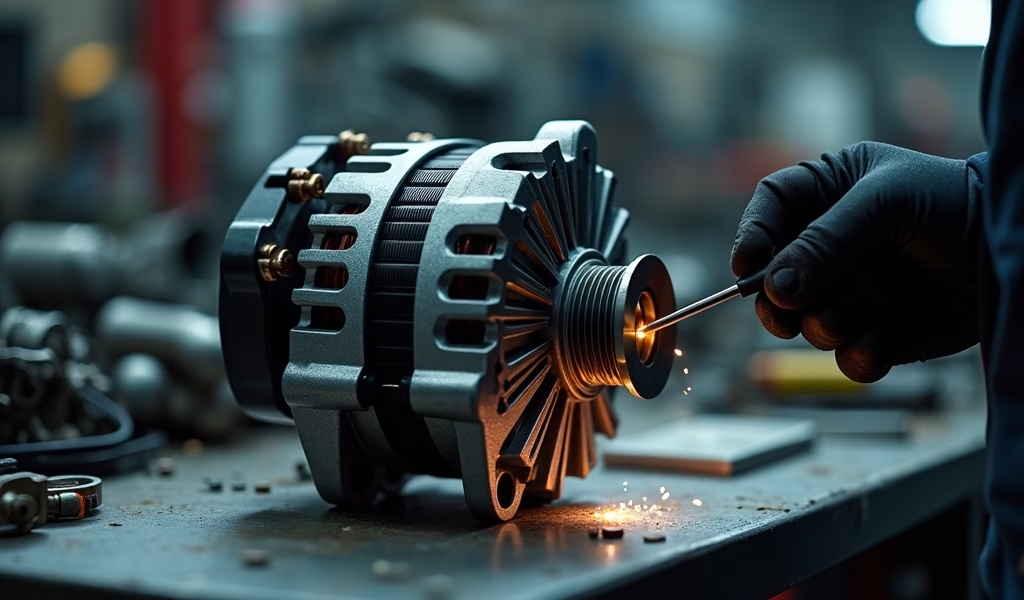
While alternators eventually require replacement like all mechanical components, proper maintenance can significantly extend their lifespan. Here are some practical steps to keep your alternator healthy:
Keep It Clean
Alternators generate heat during operation, and this heat needs to dissipate properly. Ensure the alternator’s exterior remains reasonably clean and free from excessive oil, grease, or debris that could insulate it and cause overheating. When washing your engine bay, avoid direct high-pressure water spray on electrical components including the alternator.
Maintain the Belt
The serpentine belt that drives your alternator needs periodic inspection and eventual replacement. Most manufacturers recommend checking the belt every 25,000 miles and replacing it every 50,000 to 60,000 miles, even if it appears to be in good condition. A properly tensioned, quality belt reduces stress on alternator bearings and ensures consistent charging.
Check Connections Regularly
Loose or corroded electrical connections can cause charging issues that mimic alternator failure. During routine maintenance, inspect the large positive cable connected to the alternator and the ground connections. Clean any corrosion with a wire brush and ensure connections are tight but not over-tightened, which could damage terminals.
Don’t Overload the Electrical System
If you’ve added aftermarket electrical accessories like powerful stereo systems, extra lighting, or winches, ensure your alternator has sufficient capacity to handle the increased load. Consider upgrading to a higher-output alternator if you’ve significantly increased electrical demands beyond factory specifications. Research from the Society of Automotive Engineers indicates that electrical system overloading is a leading cause of premature alternator failure.
Address Battery Issues Promptly
A weak or failing battery forces your alternator to work harder. Have your battery tested annually, especially before extreme weather seasons, and replace it when it begins to weaken. This preventive maintenance helps reduce strain on your alternator and extends its service life.
Alternator Replacement Costs
Understanding the potential costs involved with alternator replacement can help you budget appropriately and evaluate repair quotes. Several factors influence the final price:
Part Costs
Alternator prices vary significantly based on your vehicle’s make, model, and year. For common domestic vehicles, a quality remanufactured alternator typically costs between $100 and $300. Luxury and high-performance vehicles may require alternators costing $400 to $600 or more. Original equipment manufacturer (OEM) parts generally cost more than aftermarket options but may provide better reliability and longevity.
Labor Costs
Labor charges depend on your vehicle’s design and the shop’s hourly rate. Some vehicles have easily accessible alternators that require only 1-2 hours to replace. Others, particularly some European models or vehicles with transverse engines, may require extensive disassembly to access the alternator, resulting in 3-4 hours of labor. At typical shop rates of $85-$150 per hour, labor can range from $85 to $600 depending on complexity.
Additional Parts
A complete alternator replacement often includes a new serpentine belt ($20-$50) and sometimes new tensioners or pulleys if the originals show wear. Some shops also recommend replacing the battery at the same time if it’s more than 3-4 years old, as a failing alternator may have stressed or damaged the existing battery.
DIY vs. Professional Replacement
For those with mechanical skills and proper tools, alternator replacement can be a manageable DIY project on many vehicles, potentially saving $100-$500 in labor costs. However, modern vehicles with complex electrical systems may require professional diagnostic equipment to properly reset and calibrate systems after replacement. Consider your experience level and the complexity of your specific vehicle before deciding to tackle this repair yourself.
Conclusion
Recognizing the signs of a bad alternator early can save you from being stranded and help you avoid cascading electrical system damage. From dimming lights and strange noises to warning lights and battery issues, your vehicle typically provides several warnings before complete alternator failure occurs.
Regular maintenance—keeping connections clean, replacing belts on schedule, and addressing electrical issues promptly—can extend your alternator’s lifespan considerably. When replacement becomes necessary, understanding the typical costs and options helps you make informed decisions about repairs.
Remember that while alternator issues can be frustrating, they’re a normal part of vehicle ownership. Most vehicles will require alternator replacement at least once during their service life. By staying attentive to the warning signs and addressing problems early, you can minimize inconvenience and potentially reduce repair costs.
The next time your car shows electrical quirks or that battery light illuminates on your dashboard, you’ll be better prepared to diagnose whether your alternator might be the culprit—and take appropriate action before you’re left with a vehicle that won’t start at the worst possible moment.
Frequently Asked Questions
How long can I drive with a failing alternator?
You might drive for 30 minutes to an hour depending on your battery’s charge and the alternator’s condition. Get to a repair facility immediately as your vehicle will eventually stop running completely.
Will a bad alternator drain my battery when the car is off?
Not typically, as the alternator isn’t engaged when the engine is off. However, if the alternator has damaged diodes, it can create a parasitic drain on your battery even when the vehicle is parked.
Can I jump-start a car with a bad alternator?
Yes, but the car will only run until the battery’s charge is depleted. Without a functioning alternator, the engine will eventually stall once the battery can no longer supply enough power.
What’s the average lifespan of an alternator?
Most alternators last between 80,000 and 150,000 miles or about 7-10 years under normal driving conditions. Factors like driving habits, climate, and electrical system demand can significantly affect this lifespan.
Is it worth rebuilding an alternator instead of replacing it?
Rebuilding is typically only cost-effective for rare or vintage vehicles with hard-to-find alternators. For most modern vehicles, remanufactured or new alternators offer better reliability and often come with warranties at a similar price point.