
Overview
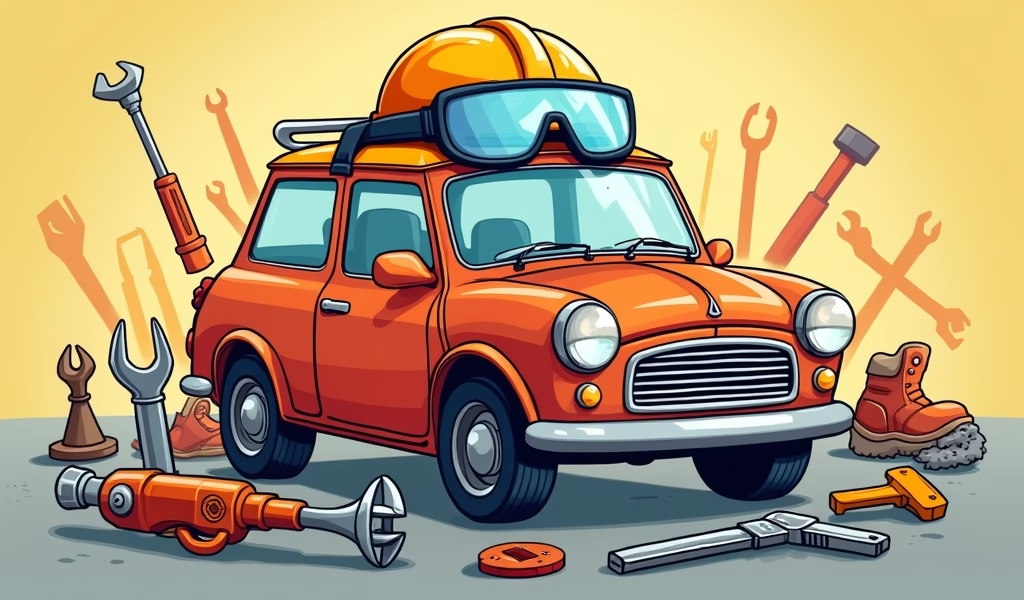
Just as you wouldn’t skip oil changes to save a few dollars knowing it’ll cost thousands later, proper personal protective equipment (PPE) is essential preventive maintenance for your irreplaceable body during automotive work. From eye protection and chemical-resistant gloves to respiratory gear and protective clothing, a complete PPE kit costs less than $200—a fraction of the average $1,500 medical bill that 75,000 DIYers face annually from repair-related injuries.
Table of Contents
- Why PPE Matters: The Real Cost of Working Unprotected
- Essential PPE Every DIY Mechanic Should Own
- Eye Protection: Safeguarding Your Vision
- Hand Protection: More Than Just Keeping Clean
- Respiratory Protection: What You Can’t See Can Hurt You
- Protective Clothing: Your Last Line of Defense
- Organizing Your PPE for Accessibility and Longevity
- Common PPE Mistakes That Could Cost You
- Conclusion: Your Body Is Your Most Important Tool
- Frequently Asked Questions
Why PPE Matters: The Real Cost of Working Unprotected
I’ve been a mechanic for over 20 years, and if there’s one thing I’ve learned, it’s that personal protective equipment isn’t optional—it’s essential. Let me tell you about my buddy Mike. He was changing his brake pads without wearing safety glasses when a piece of rust flaked off and landed right in his eye. What should have been a $50 DIY job turned into a $2,800 emergency room visit and nearly cost him his vision in that eye.
That’s the reality many home mechanics don’t consider. According to the Consumer Product Safety Commission, DIY automotive repairs lead to approximately 75,000 injuries annually requiring medical attention. The average cost? Around $1,500 per incident when you factor in medical bills and lost work time.
But it’s not just about avoiding injuries. When you’re properly protected, you work more confidently. You’re not rushing to finish a job because brake dust is making you cough, or because your back is killing you from lying on a cold concrete floor. You can take your time and do quality work, which means fewer repeat repairs down the road.
Think of PPE as preventive maintenance for your body. Just like you wouldn’t skip oil changes to save a few bucks (knowing it’ll cost you thousands in engine repairs later), don’t skip proper protection to save a few minutes or dollars. Your body doesn’t come with replacement parts, and repairs are a lot more expensive than for your car.
Essential PPE Every DIY Mechanic Should Own
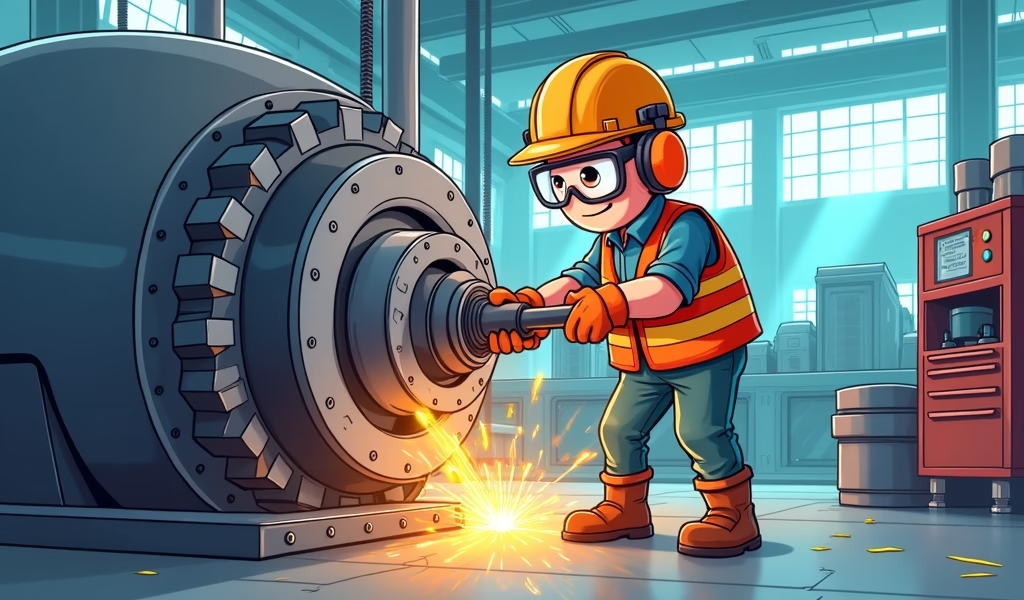
Let’s break down the must-have protective gear for anyone who works on vehicles. I’ve organized these from most to least essential, though honestly, all of these should be considered basic requirements for safe wrenching:
Eye protection comes first—always. Your eyes are irreplaceable, and many automotive fluids can cause permanent damage on contact. Quality safety glasses or goggles with side protection should be the absolute minimum for any work under the hood.
Hand protection is next. A good supply of chemical-resistant nitrile gloves protects you from harmful fluids while keeping components clean from skin oils. For more intensive work, cut-resistant mechanic’s gloves prevent lacerations from sharp metal edges.
Respiratory protection might not seem obvious until you’ve inhaled brake dust or gasoline vapors and felt your lungs burn. A proper respirator with appropriate filters for both particulates and organic vapors is crucial for any serious DIYer.
Skin and clothing protection includes coveralls or a sturdy shop apron. These keep harmful substances off your skin and prevent you from tracking garage contaminants into your home.
Proper footwear with oil-resistant soles and toe protection prevents both slips and crushed toes when heavy parts inevitably get dropped. Your regular sneakers won’t cut it for serious mechanical work.
Hearing protection is often overlooked, but impact wrenches, air compressors, and other shop tools can reach damaging decibel levels. Keep earplugs or earmuffs handy for noisy operations.
The good news? A complete basic PPE kit costs less than $200—about the same as a single minor urgent care visit. It’s one of the smartest investments you can make in your garage.
Eye Protection: Safeguarding Your Vision
I can’t stress this enough: protect your eyes every single time you work on your vehicle. I’ve seen too many preventable injuries over the years from folks who thought “it’s just a quick job” or “I’ve never had a problem before.”
There are three main types of eye protection you should consider, depending on the task:
Safety glasses with side shields provide basic protection against flying debris and minor splashes. They’re good for general maintenance like changing filters or spark plugs. Look for ones that meet ANSI Z87.1 standards, which you’ll find marked on the frame or lenses. These typically run $10-20 for a quality pair.
Chemical splash goggles offer superior protection against liquids by creating a seal around your eyes. These are essential when working with brake fluid, coolant, battery acid, or any automotive chemicals. The extra $10-15 over basic safety glasses is worth every penny when caustic fluid is involved.
Face shields provide complete facial protection and are ideal for grinding, cutting, or working under vehicles where gravity might direct larger amounts of fluid toward your face. They’re also helpful when working with batteries, which can explode without warning.
If you wear prescription glasses, don’t assume they offer adequate protection—they don’t. Either purchase safety glasses designed to fit over prescription eyewear or invest in prescription safety glasses. Your vision is worth the investment.
Pro tip: Keep your eye protection clean and scratch-free. Scratched lenses can cause eye strain and tempt you to remove protection at critical moments. A microfiber cloth and proper storage case will extend the life of your eyewear significantly.
Hand Protection: More Than Just Keeping Clean
Your hands are your primary tools, and they’re constantly exposed to cuts, chemicals, heat, and crushing hazards in the garage. Proper hand protection isn’t just about staying clean—it’s about preventing both immediate injuries and long-term health issues.
Disposable nitrile gloves are your first line of defense. They provide excellent chemical resistance while maintaining the dexterity needed for detailed work. I keep boxes in multiple sizes (for when friends help out) and go through them like candy. At about 20 cents per pair when bought in bulk, they’re an absolute bargain compared to the alternative—dermatitis or chemical burns.
Never reuse disposable gloves. Once contaminated with automotive fluids, the material begins breaking down, allowing chemicals to penetrate. That used motor oil contains dozens of carcinogenic compounds you don’t want absorbed through your skin.
For more demanding tasks, invest in cut-resistant mechanic’s gloves. Modern options provide impressive dexterity while protecting against lacerations from sharp metal edges. The nitrile-coated palms also offer grip when handling oily parts and tools. A good pair runs $20-30 and should last several months of regular use.
Heat-resistant gloves are worth having for exhaust work or dealing with recently-run engines. Nothing ruins your day like a second-degree burn from accidentally touching a hot manifold, and standard gloves provide zero protection against those temperatures.
Remember: different tasks require different gloves. Don’t use the same pair when moving between systems—cross-contamination of fluids (like oil into brake systems) can cause serious vehicle damage and safety issues.
Respiratory Protection: What You Can’t See Can Hurt You
The most dangerous automotive hazards are often invisible. You can’t see brake dust particles, asbestos from older vehicles, or the volatile organic compounds evaporating from solvents and fuels—but your lungs certainly feel them.
For basic dust protection during tasks like cleaning parts or light sanding, an N95 respirator is the minimum acceptable protection. These filter out 95% of airborne particles but provide no protection against chemical vapors or gases.
For serious automotive work, invest in a half-mask respirator with replaceable cartridges. Look for one that accepts both particulate filters (for dusts) and organic vapor cartridges (for chemical fumes). 3M and GVS make excellent options that typically run $25-40 for the mask itself, with replacement cartridges costing about $15-20 per pair.
Know when to replace your filters. Particulate filters should be changed when breathing becomes noticeably more difficult, while organic vapor cartridges typically need replacement after 8-40 hours of use, depending on concentration levels. If you can smell solvents or fuels through your respirator, the cartridge is already failing.
Proper fit is critical. Your respirator should form a complete seal against your face—which means no facial hair in the seal area. Most manufacturers offer sizing guides, and it’s worth trying different brands to find one that fits your face shape comfortably.
Don’t be fooled by dust masks labeled as “nuisance” level protection. These flimsy masks offer virtually no protection against the serious particulates and chemicals present in automotive work. Real respiratory protection has adjustable straps and proper sealing surfaces.

Protective Clothing: Your Last Line of Defense
Your skin is your body’s largest organ, and it readily absorbs many of the chemicals found in automotive fluids. Proper clothing creates a barrier that prevents both immediate irritation and long-term health risks.
A good shop apron provides protection for quick jobs without the bulk of full coveralls. Look for chemical-resistant materials that won’t absorb fluids. Canvas aprons look classic but actually soak up harmful chemicals and hold them against your body—not ideal. Synthetic materials that repel liquids are a better choice for automotive work.
For more extensive jobs, coveralls are worth the investment. They protect your entire body and prevent you from tracking contaminants into your home on your clothing. Disposable Tyvek coveralls work well for occasional use, while more durable reusable options make sense for frequent wrenchers.
Long sleeves provide important protection against cuts, burns, and chemical exposure, but they also create entanglement hazards around rotating parts. If wearing long sleeves, make sure they fit snugly, or roll them up securely when working near belts, pulleys, or power tools.
Footwear matters more than many DIYers realize. Oil-resistant soles prevent dangerous slips, while steel or composite toe protection can save your feet when inevitably dropping heavy parts. Your everyday sneakers aren’t designed to provide either benefit.
Don’t overlook the little things—remove jewelry before working on vehicles. Rings can cause degloving injuries if caught on components, and necklaces create entanglement hazards. Even your watch can scratch paint or conduct electricity at the wrong moment.
Organizing Your PPE for Accessibility and Longevity
Having the right gear doesn’t help if it’s buried in a toolbox or drawer when you need it. A proper organization system encourages consistent use and extends the life of your equipment.
Create a dedicated PPE station near your work area. A simple pegboard with hooks for safety glasses, respirators, and gloves puts protection where you’ll see it before starting a job. The visual reminder helps build the habit of gearing up properly.
Store respirators in sealed plastic bags between uses to prevent filters from absorbing ambient shop contaminants. This dramatically extends filter life and ensures they’re ready when needed.
Keep several pairs of safety glasses in strategic locations throughout your workspace. Having eye protection within arm’s reach eliminates the “it’s all the way over there” excuse that leads to skipping this critical protection.
Disposable gloves deserve better than being tossed in a drawer. Inexpensive glove dispensers mount to walls and keep them clean, organized, and accessible. Place them near fluid storage and oil change areas for easy access.
Consider creating task-specific PPE kits for common jobs. A small container with the appropriate gloves, respiratory protection, and eye protection for brake work, for example, makes it easy to grab everything you need for that specific task.
Remember that all PPE has a lifespan. Establish regular inspection routines to check for cracked safety lenses, damaged respirator seals, or worn gloves. Mark replacement dates on respirator cartridges with a permanent marker when you install them.
Common PPE Mistakes That Could Cost You
Even with good intentions, I see DIYers making these common protection errors that undermine their safety:
Treating PPE as optional for “quick jobs” is probably the most dangerous mindset in the garage. Those five-minute tasks are precisely when accidents often happen because you’re focused on speed rather than safety. The fastest oil change in the world isn’t worth a chemical burn to your eyes.
Using the wrong protection for the job creates a false sense of security. Dust masks don’t protect against solvent vapors, cloth gloves don’t stop chemical penetration, and standard eyeglasses provide minimal impact protection. Match your gear to the specific hazards of each task.
Contaminating your living space happens when you don’t properly remove and store work clothes. Oil, grease, brake dust, and other contaminants can transfer to furniture, laundry, and food preparation areas, creating exposure for your entire family.
Postponing replacement of worn-out protection is a common false economy. Scratched safety glasses, respirators with expired cartridges, or gloves with pinhole leaks are worse than useless—they create a dangerous illusion of protection while providing little actual safety.
Overlooking proper fit leads to both discomfort and inadequate protection. Oversized gloves catch in machinery, loose coveralls snag on components, and poorly fitted respirators leak contaminants with every breath. Take the time to find PPE that fits your body properly.
Conclusion: Your Body Is Your Most Important Tool
After decades turning wrenches professionally and helping countless DIYers improve their repair skills, I’ve seen firsthand how proper personal protective equipment makes the difference between a satisfying hobby and a trip to the emergency room.
Protecting yourself isn’t just about avoiding injuries—it’s about building confidence in your work. When you’re properly protected, you can focus completely on the task at hand rather than worrying about chemicals splashing or parts slipping. This attention translates directly to better repairs and fewer comebacks.
Start with the basics: quality eye protection, chemical-resistant gloves, and respiratory protection appropriate for your common tasks. Build your collection gradually as you tackle more complex repairs. The investment in good PPE pays dividends in both safety and work quality.
Remember that the most expensive vehicle you’ll ever work on is your own body. Unlike your car, you can’t order replacement parts when things wear out. Treat your body with the same care and preventive maintenance philosophy you apply to your vehicles, and you’ll enjoy turning wrenches for decades to come.
Stay safe in the garage, and happy wrenching!
Frequently Asked Questions
What’s the minimum PPE I need for an oil change?
At minimum, you need chemical-resistant nitrile gloves and safety glasses with side shields. A shop apron or old long-sleeved shirt is also recommended to protect your clothing from splashes.
Can I reuse nitrile gloves if they look undamaged?
No, nitrile gloves should never be reused even if they appear intact. Automotive fluids cause microscopic degradation that compromises their protective barrier, allowing chemicals to reach your skin.
Do I really need a respirator for brake jobs?
Yes, respiratory protection is essential for brake work. Brake dust contains harmful particles that can cause serious long-term lung damage, and an N95 respirator is the minimum acceptable protection.
How often should I replace my safety glasses?
Replace safety glasses annually or immediately if they become scratched, cracked, or no longer fit properly. UV exposure and normal wear gradually reduce their protective capabilities even if damage isn’t visible.
What PPE should I prioritize if I’m on a tight budget?
Focus first on eye protection (safety glasses) and hand protection (nitrile gloves), which address the most common and serious injury risks. Add respiratory protection next, particularly if you’re doing brake or exhaust work.