
Overview
That innocent-looking puddle in your garage could cost thousands in repairs and pose serious health risks, as automotive chemicals demand proper handling, storage, and disposal. This guide outlines essential practices for managing common hazardous materials like motor oil, antifreeze, and brake fluid—protecting your vehicle investment, personal health, and the environment while helping you navigate when to tackle maintenance yourself versus calling in professionals.
Table of Contents
- Understanding Automotive Hazardous Materials
- Common Hazardous Materials in Your Garage
- Risks of Improper Handling
- Safe Storage Practices
- Proper Disposal Methods
- Handling Spills and Leaks
- Essential Safety Equipment
- DIY vs. Professional Handling
- Conclusion
- Frequently Asked Questions
Understanding Automotive Hazardous Materials
That innocent-looking puddle of antifreeze on your garage floor isn’t just a mess—it could cost you thousands in repairs and pose serious health risks to your family and pets. As a mechanic who’s seen the consequences of mishandled automotive chemicals for over two decades, I can tell you: this stuff demands respect.
Automotive hazardous materials are substances that can harm you, your vehicle, or the environment if not handled properly. They’re part of everyday car maintenance, but treating them casually is a mistake many vehicle owners make.
Why should you care about proper hazardous material handling? Because that “minor” oil drip might be slowly destroying your driveway while contaminating local groundwater. And that “just a splash” of brake fluid on your paint? It’s already eating through to the metal underneath.
Let’s dive into what you need to know about these common but dangerous materials—because understanding them is your first line of defense against costly repairs and potential health hazards.
Common Hazardous Materials in Your Garage
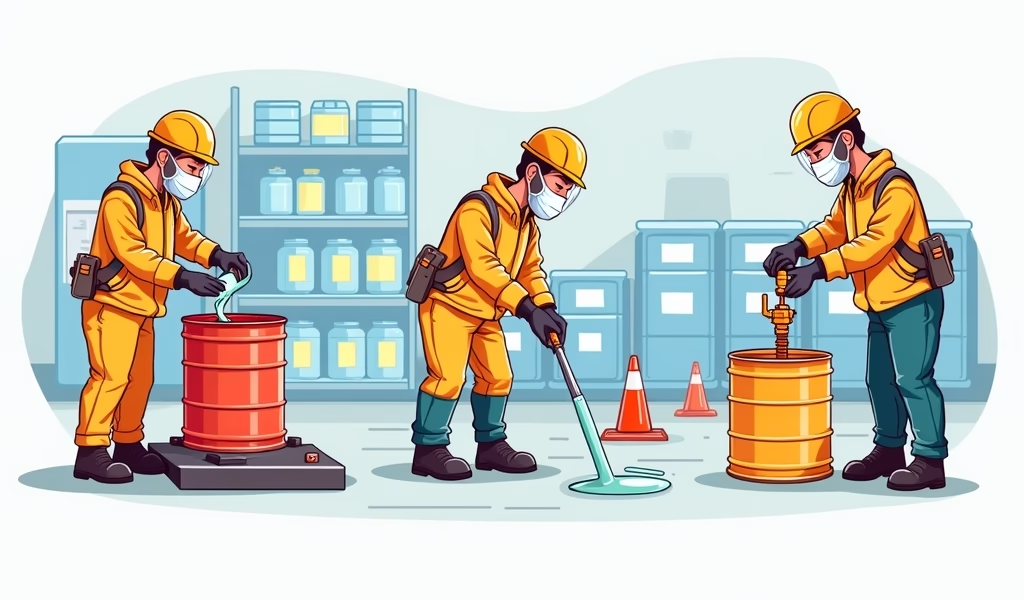
Your garage likely houses several hazardous materials that deserve careful handling. Let’s break down the usual suspects:
Automotive Fluids
Motor oil tops the list as the most common DIY-handled hazardous material. Used oil contains heavy metals and toxic compounds that can contaminate soil and water. Did you know just one gallon can pollute a million gallons of drinking water? That’s right—your weekend oil change carries significant environmental responsibility.
Coolant or antifreeze contains ethylene glycol, which has a deceptively sweet smell and taste that attracts pets. Tragically, it’s extremely toxic—even a small amount can be fatal to animals. It’s also dangerously slippery, creating fall hazards in your workspace.
Brake fluid requires special attention as it’s highly corrosive and hygroscopic (meaning it absorbs moisture from the air). It can damage paint instantly and gradually deteriorate if exposed to air, compromising your braking system.
Transmission fluid, power steering fluid, and differential oils are all petroleum-based products that are flammable and environmentally harmful. Each has specific handling requirements that, when ignored, can lead to dangerous situations or vehicle damage.
Battery-Related Hazards
Vehicle batteries contain sulfuric acid that can cause severe burns on contact. The lead components are toxic, and batteries can release hydrogen gas—creating explosion risks when exposed to sparks. According to the Environmental Protection Agency, improper disposal of batteries is a significant source of lead in landfills.
Other Automotive Chemicals
Fuel additives, carburetor cleaners, starting fluids, and other automotive chemicals typically contain highly flammable and toxic compounds. Many emit volatile organic compounds (VOCs) that can cause respiratory issues when used in poorly ventilated spaces.
Rust removers and degreasers often contain strong acids or bases that can cause chemical burns. Even seemingly innocent spray lubricants can create respiratory hazards when aerosolized in confined spaces.
Understanding what you’re handling is step one in preventing accidents and protecting your investment in your vehicle. These aren’t ordinary household products—they’re industrial chemicals that happen to be in your garage.
Risks of Improper Handling
The consequences of mishandling automotive hazardous materials can hit you in three ways: your wallet, your health, and your local environment. Let’s examine each of these risks:
Vehicle Damage
Using the wrong fluid or contaminating systems with mishandled materials leads to expensive repairs. I’ve seen engines destroyed because someone mistakenly used transmission fluid instead of motor oil—a $4,000 lesson in reading labels carefully.
Brake system failures from contaminated fluid can cost upwards of $800 to repair, not counting towing fees or the potential accident costs. Cooling system damage from improper antifreeze handling typically runs $500-1,500 in repairs.
Modern vehicles with sensitive electronic systems are particularly vulnerable. Battery acid corrosion on electrical components can create intermittent problems that are difficult to diagnose and expensive to fix.
Health Hazards
Direct skin contact with automotive chemicals can cause irritation, chemical burns, or dermatitis. Some, like used motor oil, contain compounds linked to skin cancers with repeated exposure.
Respiratory risks include irritation from vapors and fumes, especially in confined spaces like garages. Chronic exposure to some automotive chemicals has been associated with liver damage and other long-term health issues, according to NIOSH research.
And let’s not forget the tragic cases of pet poisoning from antifreeze ingestion. This happens more often than you might think—the sweet taste attracts animals, but just a tablespoon can be lethal to a cat.
Environmental Impact
Improper disposal of automotive fluids contributes significantly to water and soil pollution. The EPA estimates that home mechanics improperly dispose of around 193 million gallons of used oil annually—that’s approximately 17 Exxon Valdez oil spills each year!
Groundwater contamination affects drinking water supplies and wildlife. Even small amounts of these chemicals can make large volumes of water unsafe for consumption or aquatic life.
There are also legal consequences—improper disposal can result in fines ranging from hundreds to thousands of dollars, depending on local regulations and the severity of the violation.
The bottom line? The few extra minutes it takes to handle these materials properly is nothing compared to the potential costs of doing it wrong. Your car, your health, and your community deserve better.
Safe Storage Practices
Properly storing automotive chemicals prevents accidents and maintains the integrity of the products. Here’s how to do it right:
Container Selection
Always store fluids in their original containers whenever possible. If you must transfer to another container, use only those specifically designed for automotive chemicals—never use food containers or beverage bottles. This mistake has led to tragic poisonings when someone mistakes the contents for a drink.
For gasoline, use only approved safety cans with flame arresters. For other automotive fluids, high-density polyethylene (HDPE) containers work well because they resist chemical breakdown.
Labeling
Label everything clearly, even if you think you’ll remember what’s in the container. Include the name of the fluid, date purchased, and vehicle compatibility information. For partially used fluids, add the date opened since many have limited shelf life once exposed to air.
For mixed or waste fluids awaiting disposal, mark them clearly as “WASTE” to prevent accidental use. I’ve seen engines ruined when someone used a container of waste oil thinking it was fresh.
Storage Location
Store automotive chemicals in a cool, dry place away from direct sunlight and sources of heat or flames. Temperatures between 50-70°F are ideal for most automotive fluids.
Keep incompatible materials separated. For instance, never store oxidizers (like some cleaners) near flammable liquids. Use secondary containment—like plastic bins or trays—to catch any leaks from containers.
Install a proper storage cabinet if possible. Metal cabinets designed for flammable liquids offer excellent protection against fire spread. At minimum, keep these materials away from furnaces, water heaters, or other ignition sources.
Access Control
Store hazardous materials where children and pets cannot access them. A locked cabinet is ideal, especially for households with young children. Remember, even a small amount of antifreeze can be lethal if ingested.
Consider the shelf life of products when organizing your storage. Most automotive fluids deteriorate over time, even when unopened. Motor oil generally lasts up to 5 years unopened, while brake fluid has a shelf life of about 2 years due to its tendency to absorb moisture.
Taking these precautions might seem like overkill until you’ve seen a garage fire accelerated by improperly stored flammable liquids, or a pet poisoned by accessible chemicals. Trust me—it’s worth the effort.
Proper Disposal Methods
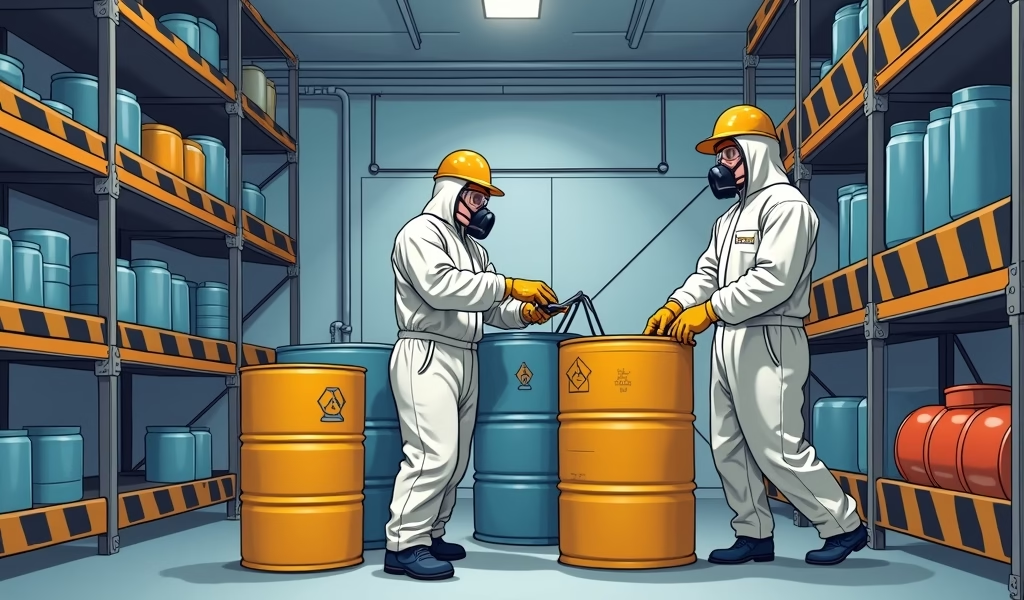
Disposing of automotive hazardous materials properly is not just environmentally responsible—it’s often legally required. Here’s how to do it right:
Used Oil and Oil Filters
Drain used oil into a clean, leak-proof container. Many auto parts stores accept used oil for free recycling—places like AutoZone, O’Reilly Auto Parts, and Advance Auto Parts typically have recycling programs.
Oil filters should be hot-drained for 12-24 hours before disposal. Some recycling centers accept properly drained filters with metal recycling, while others require them to be handled as hazardous waste.
Never mix used oil with other fluids like antifreeze or gasoline, as this makes recycling impossible. The contaminated mixture becomes much more expensive and difficult to dispose of properly.
Antifreeze/Coolant
Many communities have specific collection programs for antifreeze due to its high toxicity. Check with your local waste management department for collection events or permanent drop-off locations.
Some auto repair shops will accept small quantities of antifreeze for recycling, though they may charge a nominal fee. The coolant can be recycled through a process that filters contaminants and replenishes additives.
Never pour antifreeze down drains or on the ground. It can overwhelm septic systems, contaminate groundwater, and pose serious risks to wildlife and pets attracted to its sweet smell and taste.
Batteries
Almost all auto parts retailers accept used lead-acid batteries for recycling, and many offer a core charge refund when you purchase a new one. In fact, car batteries are among the most successfully recycled products in the U.S., with a recovery rate above 98%.
When transporting old batteries, place them in a plastic container to contain any potential leaks. Never dispose of automotive batteries in regular trash, as this is illegal in most areas due to the toxic materials they contain.
Other Automotive Fluids
Brake fluid, transmission fluid, power steering fluid, and other automotive chemicals should be taken to household hazardous waste collection facilities. Many counties and municipalities host collection events several times per year.
To locate the proper disposal options in your area, check Earth911’s recycling directory or call your local solid waste management department. Most areas have resources available, though they might not always be well-publicized.
I recommend establishing a regular schedule for hazardous waste disposal rather than allowing these materials to accumulate in your garage. Quarterly disposal runs work well for most home mechanics and prevent dangerous stockpiling.
Remember, proper disposal might take a bit more effort, but it’s far less expensive than potential environmental cleanup costs or fines for illegal dumping, which can run into thousands of dollars in many jurisdictions.
Handling Spills and Leaks
Even with careful handling, spills happen. Knowing how to respond quickly can prevent damage to your garage floor, your vehicle, and the environment.
Immediate Response
When a spill occurs, speed matters. First, stop the source if possible by righting containers or plugging leaks. For small spills (less than a quart), use absorbent materials like commercial spill pads, cat litter, or even baking soda to contain the liquid.
Different fluids require different approaches. For oil-based products, use oil-specific absorbents which work better than general-purpose products. For battery acid spills, baking soda helps neutralize the acid before cleanup.
Never hose down chemical spills or wash them into storm drains—this is both illegal and environmentally destructive. Instead, contain, absorb, collect, and properly dispose of the material.
Cleanup Procedures
Once you’ve contained and absorbed the spill, collect the contaminated absorbent material using gloves and a dustpan. Place it in a sealed plastic bag or container for disposal as hazardous waste.
For stubborn residues, commercial degreasers designed for automotive fluids can help, but be careful not to create a larger environmental problem with excessive cleaner use. Fuel injector cleaners and similar products should also be treated as hazardous if spilled.
After cleaning the affected area, dispose of all cleanup materials properly—don’t just throw them in the regular trash. Many of the same facilities that accept used automotive fluids will also take contaminated cleanup materials.
Prevention Tips
Use preventive measures to minimize spill risks. Place drip pans under vehicles with known leaks and during maintenance operations. Install containment mats in work areas—these rubberized mats with raised edges catch spills before they reach your garage floor.
When transferring fluids, use funnels with built-in filters to prevent splashing and contamination. Work over a large drip pan even when using funnels—this provides backup protection against unexpected spills.
For vehicles with slow leaks that can’t be immediately repaired, consider using absorbent pads placed strategically under the leak points. These can buy you time until repairs can be made while protecting your garage floor.
Ultimately, the best spill management strategy is prevention through proper maintenance. Regular inspections of hoses, gaskets, and seals can identify potential leak points before they become problems. An ounce of prevention truly is worth a pound of cleanup when it comes to automotive hazardous materials.
Essential Safety Equipment
Working safely with automotive hazardous materials requires the right protective gear. Here’s what should be in every home mechanic’s safety arsenal:
Personal Protective Equipment (PPE)
Gloves are your first line of defense. Nitrile gloves offer good chemical resistance without the allergy concerns of latex. For most automotive chemicals, 6-mil thick nitrile gloves provide adequate protection while maintaining dexterity for detailed work.
Eye protection is non-negotiable when working with fluids that can splash. Safety glasses with side shields provide basic protection, but chemical splash goggles offer superior defense against liquids that might spray or splash unexpectedly.
Skin coverage matters too. Long sleeves and pants help prevent chemical contact with skin. Consider chemical-resistant aprons for messy jobs like radiator flushes or transmission service where larger fluid volumes increase splash risks.
Workspace Safety
Proper ventilation prevents buildup of harmful vapors. When working indoors, ensure adequate airflow with open doors, windows, and fans. For more serious chemical work, consider a portable exhaust fan that vents to the outside.
Fire safety equipment should be readily accessible. Keep an ABC-rated fire extinguisher within easy reach. Automotive chemicals are often flammable, and electrical sparks from batteries or tools can provide ignition sources.
Emergency eyewash solutions should be part of your garage first aid kit. In case of chemical splashes to the eyes, immediate flushing for 15 minutes with clean water is crucial—having bottled eyewash ready can make a critical difference in preventing permanent eye damage.
Spill Management Equipment
A basic spill kit should include absorbent pads, granular absorbent material, disposal bags, and nitrile gloves. Commercial automotive spill kits are available, but you can assemble your own for less.
Containment trays or mats provide preventive protection. Place these under vehicles during maintenance or under stored containers to catch minor leaks before they become major problems.
Remember, safety equipment only works if you actually use it. I’ve seen too many DIYers with chemical burns or eye injuries who had safety gear “right there in the toolbox” but didn’t bother to put it on. The few seconds it takes to gear up properly can prevent injuries that last a lifetime.
DIY vs. Professional Handling
Not all automotive maintenance involving hazardous materials is suitable for DIY handling. Knowing when to call in the professionals can save you money, prevent damage, and keep you safe.
When to DIY
Basic maintenance tasks like oil changes, coolant flushes, and battery replacements are generally DIY-friendly if you have the right tools and safety equipment. These jobs involve manageable quantities of hazardous materials and don’t require specialized disposal equipment.
Brake pad replacements (on modern vehicles without asbestos) and simple fluid top-offs are also reasonable DIY projects. Just remember that even these basic tasks require proper handling and disposal of the materials involved.
DIY can save money—a typical oil change might cost $25 in materials versus $50-80 at a shop. However, this calculation should include the cost of proper disposal and safety equipment.
When to Call Professionals
Some tasks involving hazardous materials should be left to the pros. Air conditioning refrigerant handling requires EPA certification and special equipment to prevent environmental damage. Improper handling can result in fines and is harmful to the ozone layer.
Major transmission work involves large quantities of fluid and requires special disposal capabilities that most home mechanics don’t have. Similarly, fuel system work can release dangerous vapors and presents fire risks that professionals are better equipped to handle.
If you’re dealing with older vehicles (pre-1980s), be particularly cautious. Components might contain asbestos (particularly in brake and clutch parts) or PCBs that require specialized handling and disposal procedures.
Finding Responsible Professionals
When selecting a professional shop, ask about their hazardous material handling procedures. Reputable shops will have relationships with licensed waste handlers and maintain proper records of waste disposal.
Look for certifications like ASE (Automotive Service Excellence) and environmental certifications such as “Green Shop” or local environmental leadership programs. These indicate a commitment to proper handling procedures.
Don’t be afraid to ask questions about how they’ll dispose of the materials from your vehicle. A good shop will be transparent about their environmental practices and may even have documentation of their waste management procedures.
Remember that the cheapest option isn’t always the most responsible. Shops that cut corners on hazardous waste disposal might also cut corners on your repairs.
Conclusion
Proper hazardous material handling isn’t just about being environmentally conscious—though that’s important. It’s about protecting your vehicle investment, your health, and your property from damage that can result from improper handling of these powerful chemicals.
Throughout my years as a mechanic, I’ve seen too many preventable disasters: engines ruined by contaminated fluids, garage floors destroyed by chemical spills, and even serious injuries from improper handling of automotive chemicals. Almost all of these situations could have been avoided with basic precautions and knowledge.
The extra few minutes it takes to put on gloves, use the right container, or drive to the proper disposal facility pays dividends in extended vehicle life and prevented damage. Think of it as preventive maintenance for both your car and your safety.
Remember, we all share responsibility for proper handling of these materials. The oil that leaks onto your driveway eventually makes its way into our shared water resources. The improper disposal of automotive chemicals affects community health and local wildlife.
By implementing the practices discussed in this guide, you’re not just being a responsible car owner—you’re being a responsible neighbor and citizen. Your vehicle, your wallet, and your community will all thank you for taking hazardous material handling seriously.
Frequently Asked Questions
What’s the safest way to dispose of used motor oil?
Drain oil into a clean, sealable container and take it to an auto parts store that offers recycling or your local hazardous waste facility. Never mix it with other fluids or dispose of it in regular trash or down drains.
How should I clean up an antifreeze spill in my garage?
Immediately contain the spill with absorbent materials like cat litter, then collect the saturated material in a plastic bag for hazardous waste disposal. Clean the area thoroughly with soap and water to remove residue that could attract pets.
Can I store different automotive fluids near each other?
It’s best to keep flammable fluids (like gasoline and some solvents) separate from oxidizers and corrosives (like battery acid). Store all fluids in their original containers on stable shelving with secondary containment to catch potential leaks.
What protective equipment do I need for an oil change?
At minimum, wear nitrile gloves and safety glasses to protect against splashes and skin contact. Working in a well-ventilated area and having absorbent materials ready for spills is also recommended.
How long can I store unused automotive fluids?
Unopened motor oil typically lasts 2-5 years, while brake fluid should be used within 1-2 years even if unopened. Always check for signs of contamination (unusual color, separation, or odor) before using stored fluids.