

Overview
Just as you wouldn’t show up to an important client meeting with a broken laptop, this article explains why treating your vehicle as a critical professional tool deserves the same attention as other career development activities. Through preventive maintenance schedules, understanding warning signs, building relationships with trustworthy mechanics, and preparing for emergencies, professionals can avoid the career-disrupting consequences of preventable breakdowns that cost Americans over 30 million workdays annually.
Table of Contents
- Understanding the Cost of Preventable Breakdowns
- Preventive Maintenance: Your Career’s Best Friend
- Essential Vehicle Systems Every Professional Should Understand
- Warning Signs Your Vehicle Might Let You Down
- Common Causes of Career-Disrupting Breakdowns
- Creating a Maintenance Schedule That Works for Busy Professionals
- Finding and Working With a Trustworthy Mechanic
- Technology and Tools to Simplify Vehicle Care
- Emergency Preparedness for Road Warriors
- Conclusion: Your Vehicle as a Career Asset
- Frequently Asked Questions
Understanding the Cost of Preventable Breakdowns
Picture this: You’re cruising down the highway, polished presentation ready, on your way to meet the client who could change everything for your career. Then it happens—strange noises, dashboard lights, and suddenly you’re stranded on the shoulder watching your opportunity fade with each passing minute.
This nightmare scenario plays out daily for professionals across America. According to AAA, vehicle breakdowns cause Americans to miss over 30 million workdays annually. Even more startling, the Bureau of Labor Statistics estimates that unexpected vehicle issues cost the average professional between $500-$2,000 in lost income each year—and that’s before adding actual repair costs.
The most frustrating part? Most of these career-derailing breakdowns are entirely preventable with proper professional development support for your vehicle.
As a master technician with 20+ years of experience, I’ve seen countless professionals who meticulously prepare for meetings but completely neglect the machine that physically gets them there. Your vehicle isn’t just transportation—it’s a critical professional tool deserving the same attention you give your laptop, smartphone, or presentation skills.
Preventive Maintenance: Your Career’s Best Friend
Preventive maintenance isn’t just for industrial equipment—it’s a career advancement strategy. In simple terms, it means fixing small issues before they become big problems that leave you stranded at the worst possible moment.
The financial math is straightforward: typical preventive maintenance might cost $500-800 annually, while a single major breakdown can easily exceed $2,000 in repairs, not counting towing fees, rental cars, and the incalculable cost of missed meetings or lost clients.
For busy professionals, I recommend viewing vehicle maintenance through the same lens as other professional development activities. Just as you might invest in courses to improve your skills, consider regular vehicle maintenance as an investment in your reliability and reputation.
The comparison is striking: would you show up to an important client meeting with a broken, malfunctioning laptop? Of course not. Yet many professionals regularly risk arriving late—or not at all—by neglecting their vehicle’s basic needs.
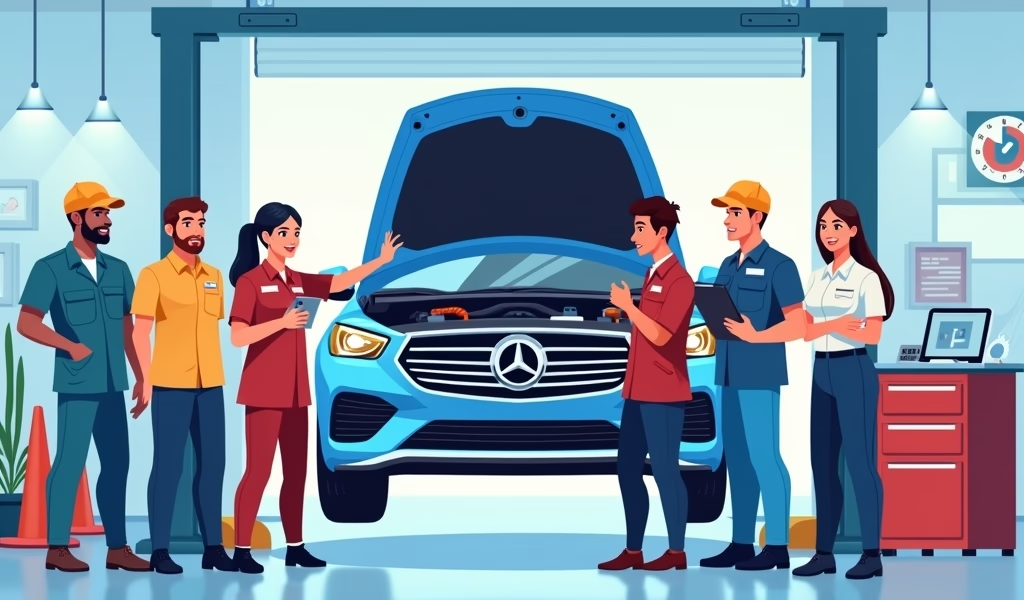
Essential Vehicle Systems Every Professional Should Understand
You don’t need to become a mechanic, but understanding the basics of these five critical systems helps you recognize problems before they leave you stranded:
Engine System
Think of your engine as your vehicle’s heart. It converts fuel into motion through controlled explosions (yes, your car runs on thousands of tiny explosions!). Regular oil changes prevent internal friction that can lead to catastrophic failure. Fresh air filters ensure proper combustion. When engine warning lights appear, they’re not suggestions—they’re urgent communications from your car’s computer that something needs attention.
Transmission System
Your transmission transfers power from the engine to your wheels. Modern transmissions are marvels of engineering that require clean, fresh fluid to operate properly. Warning signs include delayed engagement when shifting from park to drive, unusual noises, or jerky shifting. Ignoring these symptoms often leads to complete transmission failure—one of the most expensive repairs possible, sometimes reaching $5,000 or more.
Braking System
Perhaps the most critical safety system, your brakes convert motion into heat through friction. Components like pads, rotors, calipers, and fluid all require periodic inspection and replacement. According to NHTSA data, brake-related issues contribute to approximately 22% of crashes where vehicle factors play a role. Squealing, grinding, or a soft pedal aren’t just annoying—they’re potential safety emergencies.
Electrical System
Modern vehicles are essentially computers on wheels. From your starter to your headlights, the electrical system powers countless components. Battery testing, alternator checks, and wiring inspections prevent the dreaded “click of death” when you’re already running late for that critical morning meeting. Many professionals use driving assistant apps that depend on reliable vehicle electronics to function properly.
Cooling System
Your engine produces enough heat to damage itself without proper cooling. The radiator, coolant, water pump, and hoses work together to maintain optimal operating temperature. Coolant degrades over time, becoming acidic and damaging internal components. A properly maintained cooling system prevents the roadside steam show that inevitably happens at the worst possible moment.
Warning Signs Your Vehicle Might Let You Down
Your car communicates problems before they become catastrophes. Learning to interpret these signals can save your schedule and reputation:
Dashboard Warnings
Modern vehicles have sophisticated monitoring systems that detect problems early. That check engine light isn’t a decoration—it’s a direct message that something needs attention. Other critical indicators include oil pressure, temperature, and brake system warnings. Never ignore illuminated warning lights, especially those colored red (immediate attention required) or flashing (severe condition).
Unusual Sounds
Vehicles should operate with predictable sound patterns. New noises deserve immediate investigation:
- Grinding during braking indicates worn brake pads contacting rotors
- Whining during acceleration often signals transmission issues
- Knocking or ticking from the engine usually means lubrication problems
- Squealing when turning suggests steering component wear
- Hissing after shutdown could indicate cooling system leaks
Performance Changes
Your vehicle should respond consistently. Pay attention to:
- Hesitation during acceleration
- Rough idling or stalling
- Decreased fuel efficiency (track your MPG!)
- Difficulty starting, especially in cold weather
- Reduced braking effectiveness or pulling to one side
Fluid Leaks
Vehicles should maintain their fluids, not deposit them in your parking spot. Different fluids indicate different problems:
- Green/orange puddles suggest coolant leaks (potential overheating)
- Brown/black spots indicate oil leaks (engine lubrication issues)
- Red fluid points to transmission or power steering issues
- Clear fluid with a brake fluid smell is a serious emergency
- Clear water is normal (air conditioning condensation)
Learning to identify basic car maintenance issues can save you from embarrassing breakdowns at critical moments in your professional life.
Common Causes of Career-Disrupting Breakdowns

In my decades as a master technician, I’ve seen these five issues repeatedly derail otherwise successful professionals:
Neglected Fluid Maintenance
Fluids are your vehicle’s lifeblood. Oil lubricates engine components, transmission fluid cools and enables gear shifts, brake fluid transfers force to your braking system, and coolant regulates temperature. Each has a service life, and exceeding it leads to degradation and system failure. The “just a little longer” approach to fluid changes is a career gamble that rarely pays off.
Ignored Warning Signs
Small problems announce themselves before becoming big ones. That slight vibration becomes a catastrophic balance shaft failure. The minor leak becomes a major fluid loss. The faint noise becomes a component failure. Addressing issues when they’re small saves both money and the professional embarrassment of calling a client to cancel due to vehicle problems.
Battery and Electrical Failures
Modern vehicles have sophisticated electrical systems that depend on a healthy battery and charging system. Most batteries last 3-5 years, and their failure rarely comes with extensive warning. Preventive testing is simple and quick, typically taking just minutes during routine service. The Department of Energy notes that extreme temperatures dramatically affect battery performance, making seasonal testing crucial in many regions.
Timing Belt Catastrophes
Many engines use a timing belt to synchronize internal components. Unlike other parts that gradually fail with warning signs, timing belts often snap without warning, causing catastrophic engine damage in “interference” engines (which most modern vehicles have). Manufacturers specify replacement intervals (typically 60,000-100,000 miles). Missing this service by even a few thousand miles can result in a destroyed engine.
Tire-Related Issues
Your tires are the only parts of your vehicle that actually touch the road. Underinflation, overinflation, uneven wear, and age-related deterioration all increase blowout risk. A simple monthly pressure check and visual inspection can prevent most tire failures. Remember, modern tire pressure monitoring systems typically only alert you when pressure is already dangerously low—not when it’s suboptimal.
Creating a Maintenance Schedule That Works for Busy Professionals
The key to vehicle reliability is a maintenance schedule that works with your professional life, not against it:
Weekly Quick Checks (5 minutes)
- Walk around vehicle looking for visible issues (leaks, damage, tire condition)
- Check dashboard for warning lights during startup
- Listen for new or unusual sounds during initial drive
- Note any performance changes
Monthly Tasks (15-20 minutes)
- Check all fluid levels (oil, coolant, brake, power steering, windshield)
- Inspect tire pressure and tread condition
- Test all lights (headlights, turn signals, brake lights)
- Clean windshield wipers and check their condition
Quarterly Services (typically requires professional help)
- Oil and filter change (unless using extended-life synthetic)
- Tire rotation and balance check
- Battery and charging system test
- Seasonal system checks (A/C before summer, heater before winter)
Annual Must-Dos
- Complete vehicle inspection by qualified technician
- Brake system evaluation
- Fluid quality testing (not just level checks)
- Belt and hose inspection
- Suspension component check
For busy professionals, I recommend synchronizing vehicle maintenance with other regular activities. Schedule oil changes during quarterly business planning sessions. Do monthly checks when paying bills. Make weekly walkarounds part of your Monday morning routine.
Many professionals find great success using specialized apps for drivers that track maintenance schedules and provide timely reminders based on both time and mileage.
Finding and Working With a Trustworthy Mechanic
Finding a reliable mechanic is as important as finding a good doctor or attorney. Here’s how to build this crucial professional relationship:
Finding Quality Service
- Look for ASE (Automotive Service Excellence) certifications
- Check online reviews that specifically mention honesty and communication
- Ask for recommendations from colleagues with similar vehicles
- Visit shops before needing repairs to assess cleanliness and professionalism
- Verify they provide detailed estimates and explanations
Communicating Your Professional Needs
Establish clear expectations with your service provider about your professional requirements:
- Explain your schedule constraints and when you absolutely need your vehicle
- Request text/email updates during service
- Ask about loaner vehicle availability for longer repairs
- Inquire about early drop-off and late pickup options
- Establish how urgent issues will be communicated
Building a Mutually Beneficial Relationship
The best vehicle service relationships benefit both parties:
- Pay promptly and provide feedback after service
- Refer colleagues when appropriate
- Consider booking maintenance during their slower periods
- Respect their expertise and ask questions rather than demanding specific repairs
- Understand that quality parts and thorough work require appropriate time
Remember, a good mechanic will explain what needs immediate attention versus what can wait. They’ll help you prioritize repairs based on safety, reliability, and budget considerations without using fear tactics.
Technology and Tools to Simplify Vehicle Care
Modern technology offers powerful tools to help busy professionals stay on top of vehicle maintenance:
Maintenance Tracking Apps
Applications like CarCare, AUTOsist, and CARFAX Car Care let you:
- Set maintenance reminders based on time and mileage
- Store digital copies of service records
- Track fuel economy and spot efficiency problems early
- Receive recall notifications automatically
- Budget for upcoming services
Diagnostic Tools
Affordable OBD-II scanners connect to your smartphone to:
- Interpret check engine lights without a shop visit
- Monitor vehicle systems in real-time
- Track performance metrics
- Provide early warning of developing issues
Connected Car Services
Many newer vehicles offer telematics systems that can:
- Alert you to maintenance needs automatically
- Track vehicle location (helpful when traveling)
- Provide emergency assistance after accidents
- Detect potential failures before they occur
- Schedule service appointments directly from your vehicle
Calendar Integration
Treat vehicle maintenance with the same priority as client meetings by:
- Scheduling recurring maintenance reminders in your professional calendar
- Blocking time for service appointments
- Setting alerts for seasonal maintenance tasks
- Adding service center contact information to your professional contacts
Emergency Preparedness for Road Warriors
Even with perfect maintenance, emergencies happen. Here’s how successful professionals prepare:
The Professional’s Roadside Emergency Kit
- Portable jump starter with USB charging (eliminates need for another vehicle)
- Tire pressure gauge and portable inflator
- High-visibility vest and warning triangles
- Multi-tool with seatbelt cutter and window breaker
- First aid kit and emergency blanket
- Water and non-perishable snacks
- Paper copies of insurance and roadside assistance information
Communication Protocol for Breakdowns
- Keep your phone charged (carry a backup battery)
- Know how to share your precise location digitally
- Have roadside assistance information readily accessible
- Create a standard notification template for clients/colleagues in case of delay
- Consider a satellite communicator for remote travel areas
Alternative Transportation Planning
Sometimes the professional choice is leaving your vehicle behind:
- For truly cannot-miss meetings, consider rentals or rideshares as backup
- Calculate the real cost of a missed opportunity versus alternative transportation
- In severe weather, prioritize safety over meeting attendance
- Consider hotel stays near important meeting locations during potentially disruptive weather
Conclusion: Your Vehicle as a Career Asset
The most successful professionals recognize that their vehicle is more than transportation—it’s a critical tool that directly impacts their career success. Reliability isn’t just a vehicle characteristic; it’s a professional attribute that extends to every aspect of your work life.
By implementing a consistent maintenance approach, building relationships with quality service providers, and leveraging technology to simplify vehicle care, you transform potential roadside emergencies into non-events. The peace of mind that comes from knowing your vehicle will start and run reliably translates directly into reduced stress and improved performance in your professional life.
Remember: the same attention to detail that drives your career success should extend to your transportation. Your car deserves the same professional development support you give to other aspects of your career. After all, it doesn’t matter how prepared you are for the presentation if you never make it to the meeting.
Invest in your vehicle’s maintenance with the same dedication you bring to your professional development, and you’ll find yourself with fewer interruptions, more reliability, and ultimately, greater career success.
Frequently Asked Questions
How often should busy professionals change their engine oil?
Most modern vehicles with synthetic oil can go 7,500-10,000 miles between changes under normal conditions. However, frequent short trips or severe conditions (extreme temperatures, dusty environments) may require more frequent changes.
What’s the most commonly overlooked maintenance item that causes breakdowns?
Timing belt replacement is frequently overlooked because it shows few warning signs before catastrophic failure. This single missed maintenance item can result in complete engine destruction, turning a $500-800 service into a $3,000-5,000 engine replacement.
How can I tell if a mechanic is being honest about needed repairs?
Request visual evidence of issues and detailed explanations of why repairs are necessary and what happens if delayed. Reputable shops will distinguish between “required” repairs (affecting safety or immediate operation) and “recommended” services (preventative maintenance).
What’s the minimum emergency kit I should keep in my vehicle for business travel?
Always carry a portable jump starter with USB charging, tire inflator, high-visibility vest, basic tools, first aid kit, water, and backup communication options. These essentials handle most common roadside emergencies without extensive waits for assistance.
Can regular maintenance really improve fuel efficiency for business travelers?
Absolutely—properly maintained vehicles show 5-10% better fuel economy than neglected ones. Simple maintenance like keeping tires properly inflated, replacing air filters, and ensuring oxygen sensors function correctly can save hundreds in fuel costs annually for high-mileage drivers.