
Overview
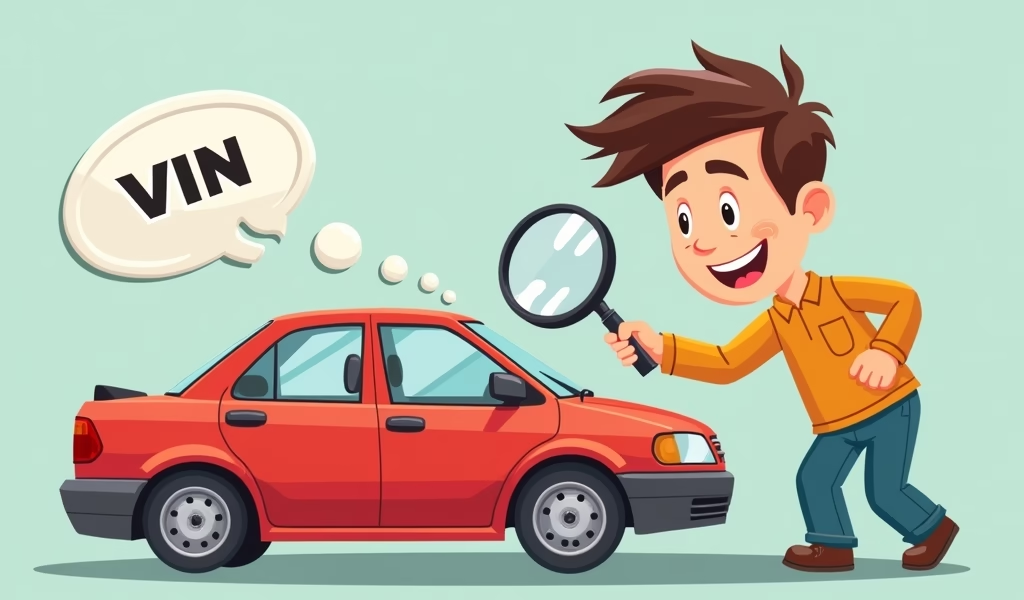
Just like a vehicle’s DNA, a VIN number reveals the true story behind any car—potentially saving you thousands in unexpected repairs and headaches. Properly verifying this 17-digit code before purchase and at key maintenance intervals provides crucial information about accident history, title status, recall information, and maintenance needs that can protect your investment and ensure appropriate care for your specific vehicle.
Table of Contents
- What Is a VIN Number?
- Why VIN Verification Matters
- Common Problems VIN Verification Can Reveal
- How to Properly Verify a VIN Number
- Maintenance Planning Using VIN Information
- When to Verify Your VIN
- Cost Implications of Skipping Verification
- DIY vs. Professional VIN Verification
- Common Mistakes When Checking VINs
- Protecting Your Investment
- Frequently Asked Questions
I’ve seen it countless times in my shop – that dreaded moment when a customer realizes their “bargain” vehicle is about to cost them thousands in unexpected repairs. More often than not, these situations could have been avoided with one simple step: VIN number verification.
As a master mechanic with over 20 years under my belt, I can tell you that a vehicle’s VIN number is like its DNA – it reveals the true story that a shiny paint job and new floor mats might be hiding. Let me walk you through why this 17-digit code is your first line of defense against costly repair surprises.
What Is a VIN Number?
A Vehicle Identification Number (VIN) is a unique 17-character code that serves as your car’s fingerprint. No two vehicles in operation have the same VIN, making it the definitive identifier for your specific vehicle.
Since 1981, all vehicles manufactured for sale in the United States follow a standardized 17-digit VIN format. Each character in this code means something specific:
- First digit: Country of origin
- Second digit: Manufacturer
- Third digit: Vehicle type or division
- Digits 4-8: Vehicle features like model, body type, and engine
- Ninth digit: Security check digit (for verification)
- Tenth digit: Model year
- Eleventh digit: Assembly plant
- Digits 12-17: Production sequence number
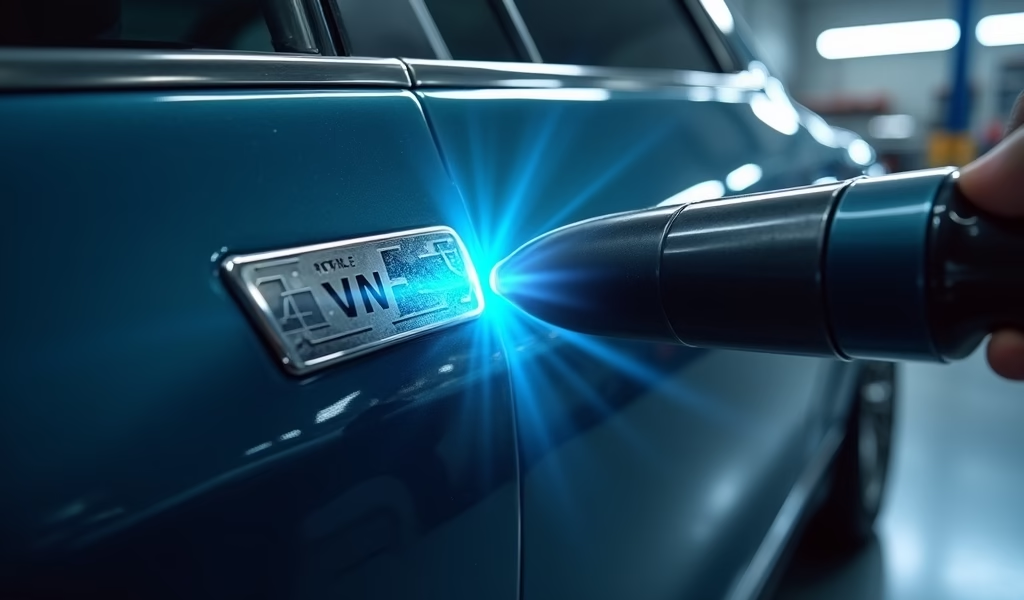
You’ll typically find your VIN in several places: on the driver’s side dashboard visible through the windshield, on the driver’s side door jamb sticker, on your insurance card, and in your vehicle registration documents. Some vehicles also have the VIN stamped on the engine block or frame.
Why VIN Verification Matters
In my years turning wrenches, I’ve witnessed too many heartbreaking situations where customers discovered major issues after purchase. VIN verification is your best protection against becoming one of those stories.
When you verify a VIN, you’re essentially checking the vehicle’s true identity and history. This reveals crucial information like:
- Previous accidents and damage reports
- Title status (clean, salvage, rebuilt, etc.)
- Service and maintenance history
- Odometer readings over time (to check for tampering)
- Recall information specific to your vehicle
- Previous ownership history
- Lemon law buybacks
Without proper verification, you might miss critical issues that can lead to safety concerns, diminished vehicle value, and unexpected repair costs. I remember one customer who bought a seemingly pristine SUV only to discover it had been in a severe flood – something a simple used car buying check would have revealed before purchase.
Common Problems VIN Verification Can Reveal
Let me tell you about some real problems I’ve seen in my shop that proper VIN verification could have prevented:
Undisclosed Accident Damage
Last year, I had a customer bring in a three-year-old sedan with mysterious alignment issues. After checking the VIN, we discovered it had sustained frame damage in a previous accident that was poorly repaired. The car pulled to the right, wore tires unevenly, and ultimately needed $3,800 in structural repairs.
Flood or Fire Damage
Flood-damaged vehicles can have countless electrical gremlins that appear months after purchase. One customer’s “great deal” SUV developed random electrical failures because water had corroded connections throughout the vehicle. The previous owner had cleaned it up cosmetically, but flood damage always leaves a trace.
Odometer Fraud
Digital odometers haven’t eliminated mileage fraud. I’ve seen vehicles where the VIN history showed 120,000 miles of service records, but the odometer displayed only 65,000 miles. This type of fraud leads to premature major component failures.
Title Washing
Some sellers move salvage-titled vehicles across state lines to obtain clean titles. One customer’s “clean title” truck had actually been totaled in a neighboring state before being rebuilt and re-titled. The frame was compromised, making it unsafe and worth far less than he paid.
Open Safety Recalls
I frequently see vehicles with multiple unaddressed safety recalls. These are repairs manufacturers will perform for free, yet many go ignored because owners aren’t aware. A VIN check through the NHTSA recall database reveals these critical safety issues.
How to Properly Verify a VIN Number
The good news is that proper VIN verification doesn’t require specialized mechanical knowledge. Here’s my recommended process:
1. Visually Confirm the VIN
First, check that the VIN on the dashboard, door jamb, and paperwork all match exactly. Any discrepancies are immediate red flags that warrant further investigation.
2. Use Free Government Resources
The National Highway Traffic Safety Administration (NHTSA) offers a free VIN lookup tool for safety recalls. The National Insurance Crime Bureau (NICB) provides a free check to see if a vehicle has been reported stolen or as a salvage vehicle.
3. Check Manufacturer Databases
Most manufacturers maintain databases where you can enter your VIN to check for open recalls and sometimes service history. This is particularly useful for identifying model-specific issues.
4. Invest in a Comprehensive Vehicle History Report
Services like CARFAX and AutoCheck compile information from thousands of sources. For about $40 (often less for multiple reports), you’ll get detailed accident history, title information, service records, and previous ownership – well worth the investment before purchasing a used vehicle.
5. Consider an Online Virtual Inspection
If you’re buying remotely, there are services that can check the VIN and vehicle condition through virtual means. These can be lifesavers when you can’t physically examine the car yourself.
Maintenance Planning Using VIN Information
Your VIN doesn’t just protect you from bad purchases – it’s also your key to proper maintenance planning:
Accurate Service Schedules
Vehicles with the same model name can have different maintenance requirements based on specific engine, transmission, and equipment configurations. Your VIN ensures you’re following the correct schedule for your exact vehicle.
Proper Parts Selection
I can’t count how many times customers have ordered the wrong parts based on model year alone. Your VIN eliminates guesswork by identifying exactly which components are compatible with your specific vehicle.
Understanding Equipment-Specific Needs
Features like all-wheel drive, turbocharged engines, or specific emissions equipment all have unique maintenance requirements. Your VIN helps identify these systems so they’re not overlooked during service.
Technical Service Bulletins
Manufacturers issue Technical Service Bulletins (TSBs) to address common problems with specific vehicle configurations. Using your VIN, mechanics like me can access these bulletins to diagnose and fix issues more efficiently.
When to Verify Your VIN
While checking your VIN before purchasing a used vehicle is essential, there are other critical times to verify this information:
After an Accident
Always verify that repairs are properly documented in your vehicle’s history. This documentation becomes crucial for insurance claims and future resale value.
When Receiving Unexpected Repair Quotes
If a repair shop quotes unusually high prices or suggests unusual repairs, verify they have the correct VIN. I’ve seen shops accidentally look up specifications for the wrong vehicle trim, leading to unnecessary work.
Before Major Services
Before investing in expensive maintenance like timing belt replacement or transmission service, verify through your VIN that this service is actually due for your specific engine or transmission configuration.
When Renewing Insurance
Ensure your insurance company has the correct VIN so your coverage matches your actual vehicle. Discrepancies can lead to claim denials or coverage gaps.
When Selling Your Vehicle
Before listing your car for sale, check your VIN report to ensure all service records are accurate and to address any discrepancies that might impact your selling price.
Cost Implications of Skipping Verification
In my years as a mechanic, I’ve seen the financial consequences of overlooked VIN verification firsthand. The numbers don’t lie:
A basic VIN verification through services like CARFAX or AutoCheck costs $25-40. Compare that to the potential costs of skipping this step:
- Flood-damaged electrical systems: $2,000-8,000
- Undisclosed frame damage repairs: $3,500-12,000
- Hidden accident damage affecting components: $1,500-5,000
- Previously deployed airbag replacement: $1,000-3,000 per airbag
- Major mechanical failures from poor maintenance: $2,500-6,000
Beyond these direct repair costs, there’s also diminished resale value to consider. Vehicles with accident history typically sell for 10-15% less than comparable clean-history vehicles.
The most expensive situation I’ve witnessed was a customer who skipped VIN verification on a luxury SUV, only to discover it had been previously submerged in saltwater during a hurricane. The repair costs exceeded $15,000, and the vehicle never operated properly again – all preventable with a $40 report.
DIY vs. Professional VIN Verification
While much of the VIN verification process can be done yourself, there are times when professional help is valuable:
What You Can Do Yourself:
- Visual VIN inspection and matching
- Basic VIN decoding using online tools
- Running vehicle history reports
- Checking recall information
- Reviewing service records
When to Seek Professional Help:
- If you suspect VIN tampering or fraud
- For state-required VIN verifications (for out-of-state transfers)
- When buying high-value or collectible vehicles
- If the vehicle has a salvage or rebuilt title
- When diagnosing unusual problems that might relate to unreported damage
A professional pre-purchase inspection from a qualified mechanic typically costs $100-200 but can identify issues that might not appear in documentation. I recommend combining both approaches for maximum protection – a vehicle history report to check the paper trail and a professional inspection to verify the physical condition.
Common Mistakes When Checking VINs
Even careful buyers make these VIN verification mistakes:
Relying on a Single Source
Different databases contain different information. Using only one report might miss critical history that appears in another database.
Not Physically Verifying the VIN
Always check that the VIN plate hasn’t been tampered with and that all VIN locations match. Discrepancies might indicate fraud or identity issues.
Ignoring Minor Accidents
Many buyers only look for major accidents, but multiple “minor” incidents can indicate a pattern of problems or cumulative damage that affects the vehicle’s integrity.
Not Checking for Recent Activity
Some unscrupulous sellers clear issues just before selling. Look at the timing of title transfers, registrations, and repairs to spot potential red flags.
Forgetting to Check for Open Recalls
Even if a vehicle has a clean accident history, outstanding safety recalls can present serious hazards. Always check manufacturer recall databases using the VIN.
Protecting Your Investment
After two decades of fixing vehicles with hidden histories, I’ve become a passionate advocate for thorough VIN verification. Your vehicle represents one of your largest investments – protect it with this simple step.
Think of VIN verification as an insurance policy that costs less than a tank of gas but can save you thousands in unexpected repairs. Whether you’re buying your next car or simply want to better understand the one in your driveway, taking time to verify and understand your VIN is always worth it.
The most satisfying moments in my career come when customers avoid costly mistakes through proper verification. With today’s easy access to vehicle history information, there’s simply no reason to skip this critical step.
Remember: a vehicle’s appearance can be deceiving, but its VIN tells the true story. Take the time to listen to what it has to say.
Frequently Asked Questions
How do I know if a VIN number is real?
A legitimate VIN always contains 17 characters for vehicles manufactured after 1981 and follows a specific format. You can verify authenticity by checking that the VIN appears in multiple locations on the vehicle (dashboard, door jamb, etc.) and all instances match exactly.
Can a salvage title vehicle be a good deal?
Salvage title vehicles can sometimes be good deals if the damage was cosmetic or properly repaired, but they typically have 20-40% lower value than clean-title equivalents. Always have a professional mechanic inspect any salvage vehicle before purchase to verify the quality of repairs.
Will a VIN check show all accidents?
VIN checks only show accidents that were reported to insurance companies or authorities. Minor accidents repaired out-of-pocket or without insurance claims might not appear in the vehicle’s history report.
How often should I check my car for open recalls?
Check for open recalls at least twice yearly, as new recalls can be issued for older vehicles at any time. Many manufacturers offer free email alert services that notify you when recalls affect your specific VIN.
Can I check a VIN number for free?
Yes, you can check basic VIN information for free through the National Highway Traffic Safety Administration (NHTSA) for recalls and the National Insurance Crime Bureau (NICB) for theft records. However, comprehensive history reports with accident and service records typically require payment.