
Overview
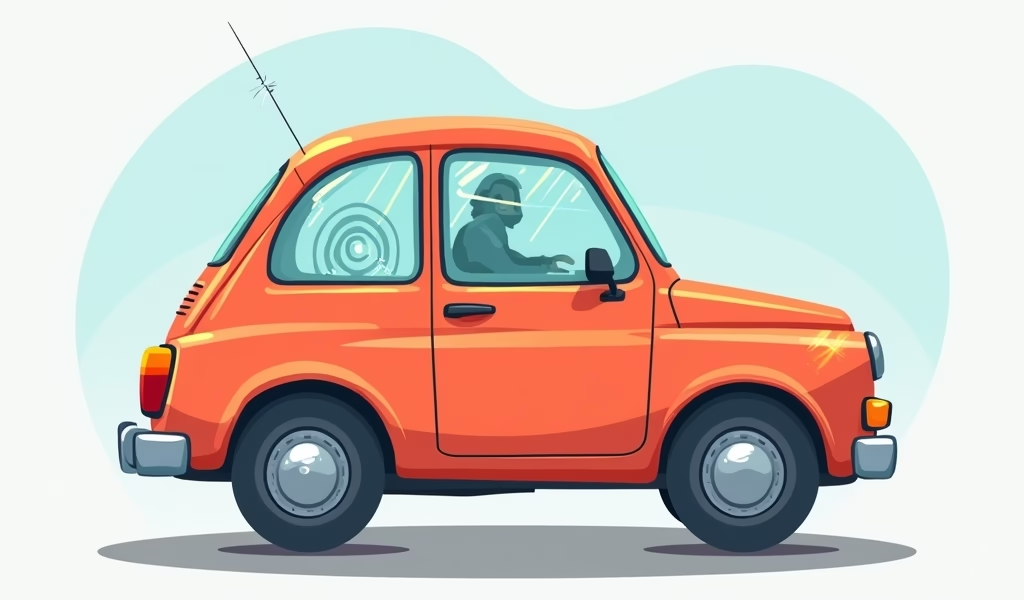
While car theft affects nearly a million Americans annually at a cost of over $7 billion, VIN window etching offers a simple, permanent solution that makes vehicles up to 64% less likely to be stolen and can reduce insurance premiums by 5-15%. This cost-effective security measure (ranging from $20-300 depending on DIY vs professional application) deters thieves by making stolen vehicles harder to resell or dismantle for parts, creating lifelong protection with no maintenance required.
Table of Contents
- What is Window Etching?
- Why Window Etching Matters for Theft Prevention
- The Real Cost of Vehicle Theft
- Window Etching Lifespan and Effectiveness
- DIY vs. Professional Window Etching
- Common Mistakes to Avoid
- Cost Expectations
- Additional Anti-Theft Measures
- Frequently Asked Questions
Picture this: You’re walking out of the grocery store, arms loaded with bags, only to find an empty parking spot where your car should be. That sinking feeling in your stomach? It’s all too common for the nearly 1 million Americans who experience vehicle theft annually—a crime that costs over $7 billion in stolen vehicles and repair expenses each year.
While comprehensive insurance might eventually help recover your financial loss, the weeks without transportation, the headache of police reports, and the violation of personal security aren’t so easily fixed. The good news? A simple, relatively inexpensive procedure called window etching could significantly reduce your risk of joining those unfortunate statistics.
What is Window Etching?
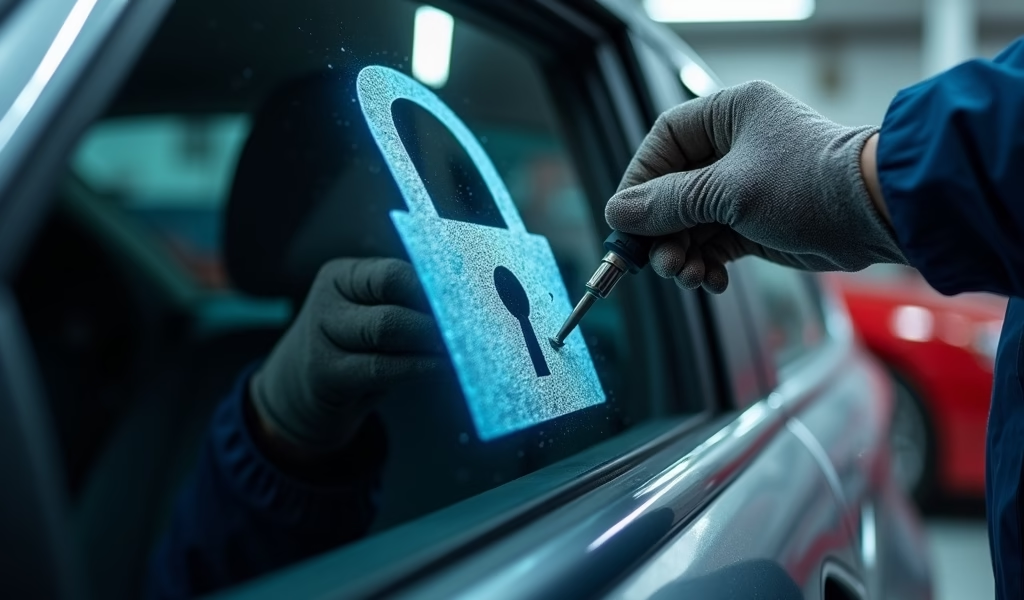
Vehicle Identification Number (VIN) etching is a security measure that involves permanently engraving your car’s unique 17-digit VIN onto each window. Using a stencil and special acid solution, the process creates a shallow, permanent mark—typically about the size of a postage stamp—in an inconspicuous corner of each window.
The etching process is straightforward. A template with your VIN is created, placed on each window, and a mild acid cream is applied. After a brief waiting period (usually 1-5 minutes), the cream is removed, leaving behind a frosted impression of your VIN that becomes a permanent part of the glass.
There are several etching methods available:
- Chemical etching: The most common method, using acid cream to create a frosted appearance
- Laser etching: A more precise method employed by some professionals
- Mechanical etching: Using specialized tools to physically engrave the glass
- Sandblasting: Creating the impression through high-pressure particulate blasting
While professional services offer the most polished results, DIY kits have become increasingly popular. These typically include pre-made stencils, etching solution, gloves, and detailed instructions—making it possible to complete the process at home in about an hour.
Why Window Etching Matters for Theft Prevention
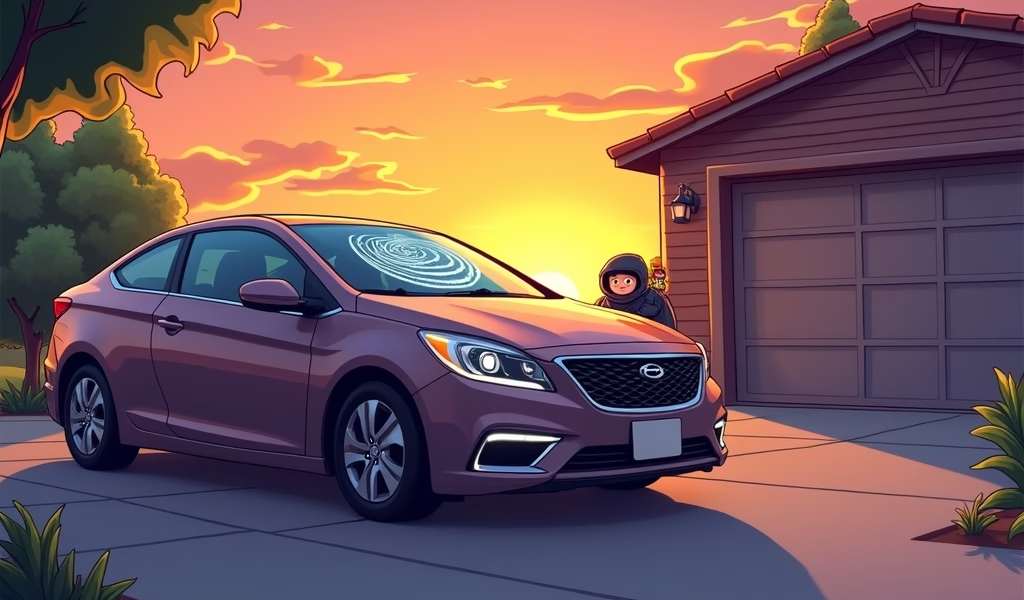
Professional car thieves aren’t just looking to joyride—they’re running a business. The most profitable scenario for them is to steal vehicles that can be quickly resold whole or disassembled for parts. This is where window etching proves its worth.
When a car’s VIN is visibly etched onto every window, the thief faces a dilemma: either replace all the glass (a costly proposition that can run $1,500-$2,000) or risk being caught with obviously stolen property. Most choose the simpler option—to move on to an easier target.
The statistics back this up. According to insurance industry studies, cars with etched windows are up to 64% less likely to be stolen than vehicles without this protection. The National Insurance Crime Bureau recognizes VIN etching as one of the most effective theft deterrents available.
Insurance companies have taken notice too. Many major insurers offer premium discounts ranging from 5% to 15% for vehicles with professionally etched windows, viewing these cars as significantly lower theft risks.
Should the worst happen and your etched vehicle gets stolen anyway, the permanent VIN markings make it much easier for police to identify and recover your car. Chop shops typically avoid vehicles with consistent VIN markings throughout, as these parts are more easily traced back to stolen vehicles.
The Real Cost of Vehicle Theft
The financial impact of car theft extends far beyond the vehicle’s market value. According to the FBI and insurance industry data, the average economic loss per stolen vehicle exceeds $8,000—even before considering the hidden costs.
These hidden expenses add up quickly:
- Immediate transportation needs: Rental cars can cost $50-100 daily while you wait for insurance processing
- Lost work time: Dealing with police reports, insurance claims, and transportation challenges
- Personal items: The contents of your car (electronics, personal effects, work materials) are rarely covered by auto insurance
- Insurance increases: Premium hikes after a theft claim often last 3-5 years, potentially costing thousands
- Deductible costs: Most theft claims require out-of-pocket deductibles of $500-1,000
The practical disruption extends to daily routines—school drop-offs, commuting, grocery shopping—while the emotional impact includes increased anxiety, sense of violation, and lost sense of security. Many theft victims report spending weeks feeling uncomfortable parking in public places afterward.
Taking preventative measures like window etching can help you avoid these costly and stressful situations, much like how keeping your car’s interior clean preserves its value.
Window Etching Lifespan and Effectiveness
Once properly applied, VIN etching is essentially permanent. Unlike many other security features that can malfunction, need batteries, or become outdated, window etching lasts for the lifetime of the glass itself.
Environmental factors have minimal impact on quality etching. Properly executed VIN etching resists:
- Extreme temperatures
- UV exposure
- Rain and moisture
- Common window cleaning chemicals
No special maintenance is required to preserve etched windows. Regular cleaning won’t damage or diminish the etching, though avoiding abrasive cleaners directly on the etched area is recommended. This makes it a perfect complement to your professional car detailing routine.
Re-etching becomes necessary only if a window is replaced due to damage. In these cases, having the replacement glass etched to match your other windows maintains the vehicle’s comprehensive protection. Many auto glass replacement companies can perform this service when installing new windows.
DIY vs. Professional Window Etching
When considering window etching, the choice between professional services and DIY kits comes down to confidence, cost, and quality considerations.
Cost Comparison:
- Professional services: $50-300 depending on vehicle size and location
- Dealership services: Often $200-400 (generally the most expensive option)
- DIY kits: $20-75 for complete kits covering multiple vehicles
The DIY Process:
- Purchase a quality etching kit from an auto parts store or online retailer
- Clean all windows thoroughly and let dry completely
- Park in a shaded, well-ventilated area
- Apply the included stencils to each window’s corner
- Follow kit instructions precisely for application and timing
- Remove solution after recommended time (usually 1-5 minutes)
- Rinse/clean windows according to kit directions
If you’re comfortable with DIY projects and enjoy taking a step-by-step approach to car care, the DIY route can be rewarding and cost-effective.
Professional Services Include:
- Expert application with professional-grade materials
- Precise placement following industry standards
- Comprehensive coverage of all windows
- Often includes registration in anti-theft databases
- Typically provides documentation for insurance discounts
The quality difference is noticeable—professional etchings tend to be more consistent, clearer, and strategically placed. Most professional services also come with warranties and certification documents that DIY methods lack, which can be important when claiming insurance discounts.
Common Mistakes to Avoid
Whether choosing professional services or DIY methods, being aware of these common pitfalls can save you time and maximize effectiveness:
Improper etching placement: Etching should be visible enough to deter thieves yet discreet enough not to obstruct vision. The corners of windows (typically lower right) are standard placement locations. Avoid center placement or areas that interfere with visibility.
Using substandard materials: Some budget DIY kits contain weak etching solutions that create barely visible impressions. Look for kits with positive reviews specifically mentioning visibility and durability of the finished etchings.
Neglecting registration: Many professional etching services include registration in national stolen vehicle databases. If using DIY methods, be sure to document your etching with photos and notify your insurance company to maximize recovery potential and discount eligibility.
Missing insurance notifications: Many vehicle owners complete etching but fail to inform their insurance companies, missing potential premium discounts. Contact your insurer with documentation of the etching to ensure you receive any applicable discounts.
Inconsistent application: For maximum deterrent effect, all windows should be etched. Thieves looking for parts will still target vehicles with partial etching if valuable untagged windows remain.
Cost Expectations
Understanding the financial investment and potential returns helps make an informed decision about window etching.
Professional Services:
- Basic etching packages: $50-150
- Luxury or larger vehicles: $150-300
- Dealership pricing: Often $200-400 (generally highest cost option)
DIY Options:
- Basic kits (3-6 windows): $20-40
- Premium kits (multiple vehicles): $40-75
- Online specialty kits: $30-60
Insurance Benefits:
- Discount range: Typically 5-15% off comprehensive coverage
- Annual savings: $15-100+ depending on your vehicle and coverage
- Lifetime benefit: Discounts continue for as long as you own the vehicle
From a return-on-investment perspective, even professional etching at $150 can pay for itself within 2-3 years through insurance savings alone. The theft prevention aspect provides additional value that’s harder to quantify but potentially much more significant.
According to The National Insurance Crime Bureau, the investment in window etching is one of the most cost-effective security measures available to vehicle owners today.
Additional Anti-Theft Measures
While window etching provides excellent theft deterrence, layering multiple security measures creates the most comprehensive protection:
Alarm Systems: Modern alarms with features like proximity sensors, glass break detection, and smartphone alerts provide active deterrence. Cost range: $150-500 installed.
Steering Wheel Locks: Visible mechanical deterrents like “The Club” create physical obstacles and visual warnings to potential thieves. Cost range: $25-100.
GPS Trackers: Hidden tracking devices allow real-time location monitoring via smartphone apps, increasing recovery likelihood if theft occurs. Cost range: $50-200 plus possible subscription fees.
Kill Switches: Hidden switches that interrupt the electrical system prevent hot-wiring and unauthorized starting. Cost range: $10-100 depending on complexity and installation.
Comprehensive Insurance: While not preventing theft, proper coverage ensures financial protection if prevention measures fail. Cost varies significantly based on vehicle value and location.
The most effective approach combines visible deterrents (steering locks, window etching) with hidden protections (kill switches, GPS trackers). This strategy addresses both opportunistic thieves and more determined professionals.
Conclusion
Vehicle theft remains one of the most common and costly crimes in America, but window etching provides a simple, effective layer of protection that works in multiple ways—deterring thieves, aiding recovery, and potentially reducing insurance costs.
At $50-300 for professional services or $20-75 for DIY kits, VIN etching represents one of the most cost-effective security investments for your vehicle. Unlike electronic systems that can fail or require updates, this passive protection works continuously without maintenance or activation.
Taking this proactive step today can prevent the substantial financial and practical hardships of vehicle theft tomorrow. Whether you choose professional etching or a quality DIY kit, this simple procedure transforms every window in your vehicle into a powerful theft deterrent.
For the best results, combine window etching with other security measures and good parking habits. Choose well-lit areas, take valuables with you, and always lock your vehicle—even for quick stops. These simple precautions, along with window etching, create a comprehensive theft prevention strategy that keeps your car where it belongs—with you.
Frequently Asked Questions
Does window etching void my car’s warranty?
No, window etching doesn’t affect your warranty. It’s a non-invasive procedure that doesn’t modify any mechanical or electrical components covered by manufacturer warranties.
How visible is the etching on my windows?
Quality etching is visible upon close inspection but not distracting to drivers. The frosted appearance typically measures about 1″ x 1.5″ and is placed in corner areas that don’t interfere with visibility.
Can etched windows be replaced if damaged?
Yes, etched windows can be replaced just like any other window. The new glass can be etched during installation to maintain complete vehicle protection.
Will window etching really lower my insurance premiums?
Many major insurers offer discounts for etched windows, typically ranging from 5-15% on comprehensive coverage. Contact your insurance provider with documentation of your etching to confirm your potential savings.
How does window etching help recover a stolen vehicle?
Etched VINs make it easier for law enforcement to identify stolen vehicles, even when thieves attempt to change other identifying features. Many professional etching services also register vehicles in theft prevention databases that aid recovery efforts.