

Overview
Just like finding your keys missing when you’re already late, discovering your spare tire stolen when you have a flat can turn a bad day into a nightmare—which is why spare tire locks provide essential protection against increasingly common theft. These simple yet effective devices, ranging from $30-150, offer remarkable peace of mind and financial protection against replacement costs that can exceed $1,000, making them one of the smartest vehicle security investments available for virtually any type of vehicle.
Table of Contents
- Understanding Spare Tire Locks: Your First Line of Defense
- Why You Need a Spare Tire Lock: The Hard Facts
- Types of Spare Tire Locks: Finding Your Perfect Match
- Installation Guide: Securing Your Spare in Minutes
- Best Practices for Maximum Security
- What to Do If Your Spare is Stolen: Recovery Steps
- Cost-Benefit Analysis: Prevention vs. Replacement
- Conclusion: Peace of Mind on Every Journey
- Frequently Asked Questions
Understanding Spare Tire Locks: Your First Line of Defense
A spare tire lock is your vehicle’s unsung hero, providing crucial protection against theft while offering peace of mind on every journey. As someone who’s spent 20+ years under the hood, I’ve seen countless drivers shocked by the sudden disappearance of their spare tire—an increasingly common crime that leaves motorists vulnerable when they need that spare most. These specialized locks are designed to secure your spare tire to your vehicle, creating a formidable barrier against opportunistic thieves who might otherwise make off with your backup in seconds.
The beauty of a spare tire lock lies in its simplicity and effectiveness. Most models consist of a hardened steel construction that either replaces or supplements your existing spare tire mounting mechanism. This isn’t just about preventing inconvenience—it’s about avoiding potentially dangerous situations where you’re stranded with a flat and no spare to bail you out. In today’s world, where replacement tires and rims can cost hundreds of dollars, this small investment delivers significant returns in both safety and financial protection.
What makes spare tire locks particularly valuable is their versatility across vehicle types. Whether you’re driving a rugged Jeep Wrangler with an exposed rear spare, a pickup truck with an underbody spare, or an SUV with internal storage, there’s a locking solution tailored to your specific needs. As tire thefts continue rising nationwide, these specialized security devices have evolved from optional accessories to essential components of any comprehensive vehicle protection strategy.
Why You Need a Spare Tire Lock: The Hard Facts
Let’s be straight—spare tire theft is far more common than most drivers realize. According to the National Insurance Crime Bureau, parts theft has surged in recent years, with spare tires being prime targets due to their accessibility and value. Thieves can remove an unsecured spare in under 60 seconds, often without creating noise that might alert you or neighbors. What makes this crime particularly appealing to thieves is the low risk involved—spare tires rarely have traceable serial numbers, making them easy to resell.
The financial impact can be substantial. A replacement OEM (Original Equipment Manufacturer) wheel and tire package can cost anywhere from $200 to $800 for standard vehicles, while specialized or premium wheels might set you back well over $1,000. These figures don’t include installation costs or the inconvenience of being without a spare when you desperately need one. Furthermore, many insurance policies either won’t cover spare tire theft or will apply a deductible that makes filing a claim impractical for most drivers.
Beyond the direct financial impact, there’s the safety aspect to consider. Imagine discovering your spare is missing precisely when you’re dealing with a flat tire on a remote stretch of highway or late at night. This scenario transforms an inconvenient situation into a potentially dangerous one, forcing you to either call for expensive roadside assistance or risk driving on a compromised tire. For those who regularly travel through remote areas or at odd hours, a spare tire lock becomes not just a financial safeguard but a critical safety feature.
Types of Spare Tire Locks: Finding Your Perfect Match
When it comes to spare tire locks, one size definitely doesn’t fit all. Let’s break down the main types available so you can find the perfect match for your vehicle and security needs.
External Wheel Locks
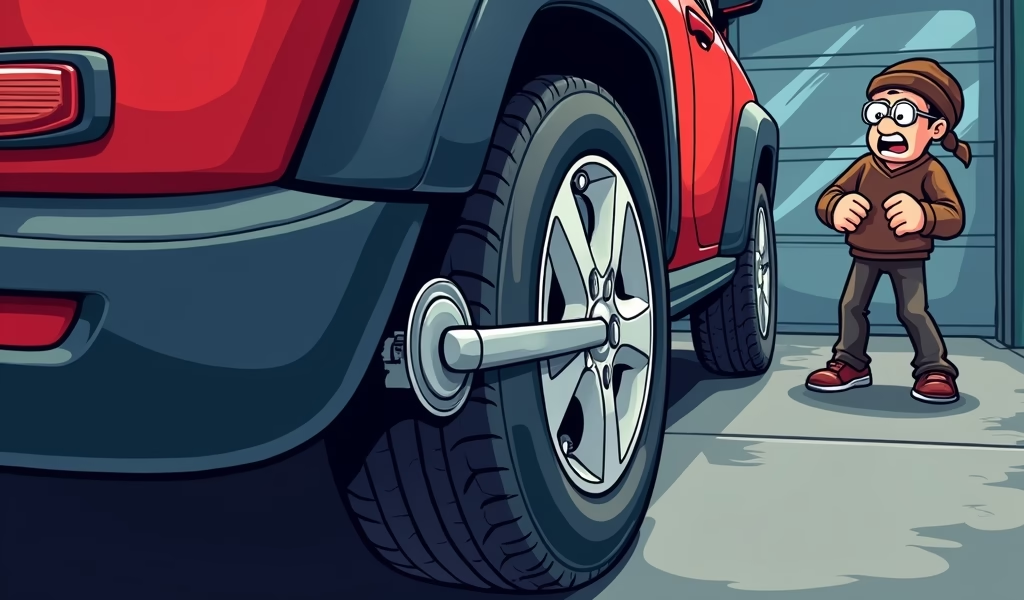
These are the most visible and common type, designed specifically for vehicles with externally mounted spare tires (think Jeeps, some SUVs, and off-road vehicles). They typically feature a hardened steel construction that covers the lug nuts or mounting bolts, preventing unauthorized removal. Many external locks use unique key patterns, adding another layer of security against determined thieves. These locks are particularly effective because they create both a physical barrier and a visual deterrent that can discourage thieves from even attempting to steal your spare.
Cable Locks
If you’re looking for versatility, cable locks offer flexible security that works with various mounting configurations. These systems use a high-strength steel cable that threads through your wheel and attaches to a fixed point on your vehicle. While generally less robust than dedicated wheel locks, quality cable locks strike a nice balance between security and adaptability, making them ideal for vehicles with non-standard spare tire mounts. They’re also typically more affordable, providing a budget-friendly entry point to spare tire security.
Locking Lug Nuts
For vehicles with internally mounted spares, locking lug nuts provide discrete yet effective protection. These specialized nuts replace one or more of your standard lug nuts and require a unique key for removal. Though less visible than external locks, they create a significant obstacle for thieves who would need the specific key pattern to remove your tire. Many vehicle owners combine locking lug nuts with other security measures for layered protection that maximizes peace of mind.
Integrated Carrier Locks
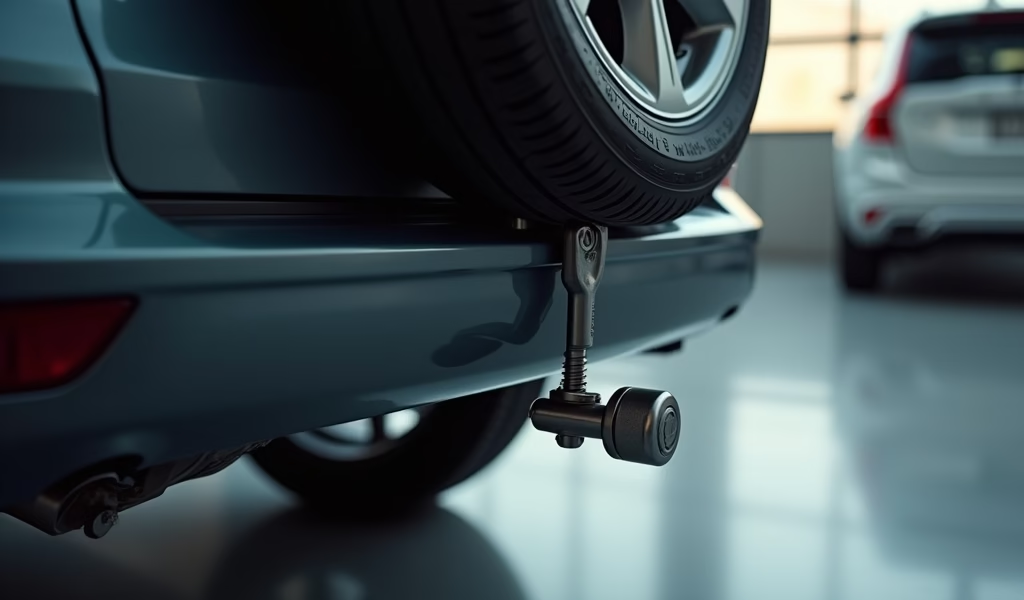
These sophisticated systems replace or enhance your vehicle’s existing spare tire carrier with a locking mechanism. Common on pickup trucks with underbody spares, integrated locks secure the entire carrier assembly rather than just the wheel itself. While typically more expensive and sometimes requiring professional installation, these locks offer the most seamless and comprehensive protection. If you’re serious about security and want something that looks factory-installed, this might be your best option.
When shopping for vehicle security parts, consider factors beyond just the lock type. Material quality makes a tremendous difference—look for hardened steel construction, weather-resistant coatings, and pick-resistant lock mechanisms. Remember that a lock is only as good as its weakest component, so investing in quality now saves headaches later.
Installation Guide: Securing Your Spare in Minutes
Installing a spare tire lock might seem intimidating if you’re not mechanically inclined, but most systems are designed for straightforward DIY installation. Let’s walk through the process step by step, keeping things simple but thorough.
Before You Begin
Gather the necessary tools before starting. Typically, you’ll need:
- The complete lock kit (including all hardware and keys)
- Basic hand tools (adjustable wrench, screwdriver)
- Work gloves to protect your hands
- A flashlight if working in dim conditions
Take a moment to read the manufacturer’s instructions completely—each lock system has specific requirements, and understanding them beforehand saves time and prevents mistakes.
Installation Steps for External Wheel Locks
- Remove any existing covers or decorative elements from your spare tire.
- Position the lock plate over the exposed lug nuts or mounting bolts.
- Align the lock mechanism with the corresponding holes or slots.
- Secure the lock according to the manufacturer’s instructions, which typically involves inserting and turning the key.
- Test the lock by attempting to remove it without the key (it shouldn’t budge).
- Store the spare key in a safe location separate from your primary key.
Installation Steps for Cable Locks
- Identify a secure anchor point on your vehicle’s frame or mounting bracket.
- Thread the cable through the wheel’s center hole or around the rim.
- Connect the cable ends according to the lock mechanism design.
- Secure the lock by turning the key or setting the combination.
- Remove any slack in the cable to prevent tampering.
- Test the security by attempting to create enough slack to remove the tire.
Installation Tips for Success
The key to a secure installation is proper tension and alignment. Your lock should fit snugly against the tire or mounting hardware without excessive force. If you’re struggling to make components align, double-check that you’ve selected the correct lock for your specific vehicle model. Many manufacturers offer vehicle-specific fitment guides that can prevent frustrating compatibility issues.
For those uncomfortable with DIY installation, most automotive shops can install spare tire locks for a modest service fee. This might be worth considering for complex integrated systems or if you’re uncertain about proper installation. Remember that even the best lock provides little protection if improperly installed, so don’t hesitate to seek professional help if needed. Learning proper tire-changing techniques is also essential for when you actually need to use that securely mounted spare.
Best Practices for Maximum Security
A spare tire lock is just one component of a comprehensive vehicle security strategy. To maximize its effectiveness, consider these professional recommendations based on years of dealing with vehicle security challenges.
First, establish a regular inspection routine. At least monthly, visually check that your spare tire lock remains secure and shows no signs of tampering. Look for scratches around the lock mechanism, loose components, or unusual wear that might indicate attempted theft. This quick check, which takes less than a minute during your regular maintenance routine, can catch problems before they leave you vulnerable.
Weather protection is often overlooked but crucial for long-term security. Even high-quality locks can deteriorate from constant exposure to the elements. Apply a silicone-based lubricant to the lock mechanism seasonally, which prevents internal corrosion while avoiding the dirt accumulation that oil-based lubricants might cause. For vehicles in coastal areas, this maintenance becomes even more critical due to the corrosive effects of salt spray.
Consider complementary security measures that work alongside your spare tire lock. Security cameras covering your parking area, motion-activated lights, and comprehensive vehicle alarm systems create multiple layers of protection that discourage even determined thieves. According to research from Arizona State University, visible security measures significantly reduce the likelihood of vehicle-related theft by creating psychological barriers for potential criminals.
When parking in public areas, position your vehicle to make the spare tire less accessible. This might mean backing up to a wall or parking with the spare tire side visible from high-traffic areas. Thieves prefer to work unobserved, so increasing visibility around your spare tire creates a natural deterrent that enhances your lock’s effectiveness.
Finally, be mindful about where you store your spare tire lock keys. Never keep them in your vehicle, where they might be accessible to someone breaking in. Instead, keep one key with your regular key ring and store a backup in a secure location at home. Some drivers even create a designated spare key location that trusted family members know about in case of emergencies.
What to Do If Your Spare is Stolen: Recovery Steps
Despite our best preventive efforts, theft sometimes occurs. If you discover your spare tire has been stolen, taking immediate, methodical action can help mitigate the situation. Here’s what to do, based on my experience helping countless drivers through this frustrating scenario.
Begin by documenting everything thoroughly. Take clear photos of where your spare tire should be, focusing on any damaged mounting hardware or signs of forced removal. Note the exact time and location where you believe the theft occurred. This documentation serves multiple purposes: it provides evidence for police reports, supports insurance claims, and helps identify specific vulnerabilities in your vehicle’s security that you’ll want to address moving forward.
File a police report promptly, even if you believe recovery chances are slim. Many jurisdictions allow online reporting for non-emergency theft, making this process relatively quick. The report creates an official record of the theft, which is essential for insurance purposes. Additionally, if the thieves are eventually caught with multiple stolen tires, your report increases the likelihood of recovery and successful prosecution.
Contact your insurance provider to understand your coverage options. Comprehensive auto insurance typically covers stolen vehicle parts, though deductibles may apply. Some policies specifically exclude externally mounted accessories unless you’ve added special coverage, so review your policy details carefully. When speaking with your insurance representative, have your documentation and police report number ready to expedite the claims process.
Begin researching replacement options immediately, as driving without a spare tire creates unnecessary risk. Consider whether this might be an opportunity to upgrade to a more secure spare tire mounting system. Many vehicle owners find that the combined cost of a replacement tire and enhanced security is well worth the investment for future peace of mind.
Finally, spread the word in your community through neighborhood social media groups or community bulletin boards. Thieves often target multiple vehicles in the same area, so alerting neighbors might help them protect their vehicles. Occasionally, community awareness even leads to recovery when stolen items are spotted or abandoned nearby.
Cost-Benefit Analysis: Prevention vs. Replacement
When considering spare tire security, the financial equation strongly favors prevention. Let’s break down the numbers to illustrate why investing in a spare tire lock makes practical sense for virtually every vehicle owner.
Quality spare tire locks typically range from $30 for basic cable locks to around $150 for premium integrated systems with hardened steel construction. This one-time investment provides years of protection, essentially amortizing to just a few dollars annually over your vehicle’s lifetime. Installation costs are minimal or non-existent for most DIY-friendly models, adding further value to these security solutions.
In stark contrast, the expense of replacing a stolen spare can be substantial. Factory OEM wheels often cost $200-400 for the rim alone, while tires add another $80-300 depending on your vehicle’s specifications. Premium or specialized wheels for luxury vehicles or off-road applications can easily exceed $1,000 for a complete replacement assembly. These figures don’t include emergency roadside service ($75-125 per call) if you discover the theft when you actually need your spare.
Beyond direct replacement costs, consider these hidden expenses of spare tire theft:
- Insurance deductibles typically range from $250-1,000
- Potential insurance premium increases following claims
- Lost time arranging replacements and dealing with claims
- Towing expenses if you have a flat without a spare ($75-150 minimum)
- Rental car costs while repairs are completed
The math becomes even more compelling when considering that spare tire theft often recurs in high-risk areas. Thieves recognize that replacement spares are typically unprotected, creating a cycle of vulnerability. Multiple thefts can quickly escalate into thousands of dollars in cumulative losses that could have been prevented with a single security investment.
From a pure cost-benefit perspective, even the most expensive spare tire security system pays for itself many times over with just one prevented theft. When factoring in the intangible benefits—peace of mind, avoided inconvenience, and enhanced safety—the value proposition becomes overwhelming. This is one automotive investment that delivers measurable returns from day one, protecting both your vehicle assets and your personal security on the road.
Conclusion: Peace of Mind on Every Journey
Securing your spare tire isn’t just about preventing theft—it’s about investing in your peace of mind on every journey. A quality spare tire lock represents one of the most cost-effective security measures you can add to your vehicle, delivering protection that far outweighs its modest cost. Whether you’re driving a rugged off-road vehicle with an exposed spare or a family SUV with underbody mounting, the right locking solution creates a significant deterrent against opportunistic theft.
Throughout this guide, we’ve explored the various types of spare tire locks available, straightforward installation processes, and best practices for maximizing their effectiveness. We’ve also examined the substantial financial advantages of prevention over replacement, making a clear case for proactive security measures. Remember that even the best lock works better as part of a comprehensive approach to vehicle security, incorporating smart parking choices and regular maintenance checks.
As a mechanic who’s helped countless drivers deal with the aftermath of spare tire theft, I can assure you that the minor inconvenience of installing and using a lock pales in comparison to the frustration, expense, and potential danger of discovering your spare missing when you need it most. Take action today to protect this critical vehicle component—your future self will thank you when that inevitable flat tire situation arises, and your securely mounted spare is ready for action.
Frequently Asked Questions
How much does a spare tire lock typically cost?
Quality spare tire locks generally range from $30 for basic cable models to $150 for premium hardened steel systems. The investment typically pays for itself many times over with just one prevented theft.
Can I install a spare tire lock myself?
Yes, most spare tire locks are designed for DIY installation with basic tools. Most installations take 15-30 minutes following the manufacturer’s instructions.
Do spare tire locks work on all vehicle types?
There are spare tire lock models designed for virtually every vehicle configuration. External wheel locks work for exposed spares, while cable locks and locking lug nuts accommodate internal or underbody spares.
How often should I check my spare tire lock?
Perform a visual inspection of your spare tire lock monthly and apply lubricant seasonally. Regular checks ensure the lock remains functional and hasn’t been tampered with.
Will my insurance cover a stolen spare tire?
Most comprehensive auto insurance policies cover stolen vehicle parts, including spare tires. However, deductibles typically apply, and some policies have exclusions for external accessories.