
Overview
Like a miniature fortress for your car’s control system, brake pedal locks provide a simple yet remarkably effective mechanical barrier that most thieves prefer to avoid altogether. These visible deterrents cost between $50-100, require zero batteries or complex electronics, and can save thousands in potential theft-related expenses while providing years of reliable protection with minimal maintenance.
Table of Contents
- What Is a Brake Pedal Lock?
- How Brake Pedal Locks Work
- Benefits of Using a Brake Pedal Lock
- Choosing the Right Brake Pedal Lock
- Installation and Proper Use
- Common Mistakes to Avoid
- Maintenance Tips
- Cost vs. Benefit Analysis
- Conclusion
- Frequently Asked Questions
What Is a Brake Pedal Lock?
A brake pedal lock is a simple yet effective mechanical device designed to prevent vehicle theft by physically immobilizing your brake pedal. Unlike high-tech security systems that can be bypassed with sophisticated electronics, these mechanical defenders offer straightforward protection that most thieves prefer to avoid.
Think of a brake pedal lock as a physical barrier between your vehicle and would-be thieves. Most models feature a hardened steel bar that either locks the brake pedal in position or connects it to another fixed part of the vehicle, making it impossible to drive away. It’s like putting your car in a mini-fortress that’s visible from the outside.
As someone who’s spent over two decades under the hood, I can tell you that these simple devices often provide better theft protection than many expensive electronic systems. Why? Because they create a visible obstacle that immediately signals to potential thieves: “This car will take time and tools to steal.” And in the world of vehicle theft, time is the enemy.
How Brake Pedal Locks Work
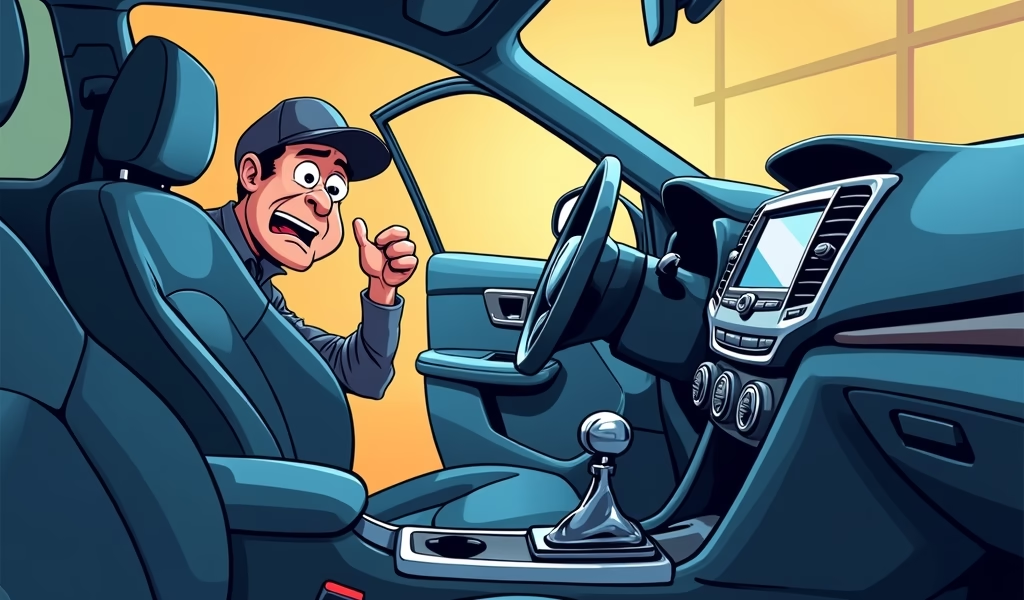
Brake pedal locks operate on a beautifully simple principle: if you can’t press the brake pedal, you can’t safely drive the vehicle. Even if someone manages to hot-wire your ignition system, they’ll quickly discover the car is practically undrivable without brake function.
Most designs fall into one of three categories. The first type clamps onto the brake pedal and extends a bar to the steering wheel, creating a solid link between the two components. The second style locks the brake pedal to the floor or firewall, preventing any pedal movement. The third type encases the brake pedal entirely, making it inaccessible.
The locking mechanisms usually feature hardened steel construction with pick-resistant cylinders. Quality models use the same high-security lock technology found in premium padlocks, making them resistant to common bypassing techniques. The best ones require significant time and specialized tools to defeat—resources most thieves simply don’t have or aren’t willing to use in a high-risk situation.
The beauty of a good brake system lock is its simplicity—no batteries to die, no electronics to fail, just solid mechanical protection that works every time. I’ve seen cars with advanced electronic security systems stolen in minutes, while vehicles with $50 brake pedal locks were passed over entirely.
Benefits of Using a Brake Pedal Lock
The most immediate benefit of a brake pedal lock is its visual deterrent effect. Those bright yellow or red bars are like a neon sign telling thieves, “Look elsewhere!” According to the National Insurance Crime Bureau, visible security devices significantly reduce the likelihood of theft attempts. Thieves typically seek the path of least resistance, and a visible lock represents too much effort.
From a financial standpoint, the math is compelling. The average cost of a vehicle theft goes far beyond just replacing the car. There’s the insurance deductible, temporary transportation costs, time lost dealing with police and insurance, personal items that were in the vehicle, and the inevitable insurance premium increase. All told, even a “covered” theft can set you back thousands.
Many insurance companies offer discounts ranging from 5% to 15% for vehicles equipped with anti-theft devices. Over several years, these discounts can more than pay for your brake pedal lock. I’ve had customers save hundreds annually just by implementing basic security measures.
Perhaps the most valuable benefit is peace of mind. There’s something reassuring about walking away from your vehicle knowing you’ve taken concrete steps to protect it. When you’re running into a store for “just a minute” (which always turns into fifteen), that extra layer of protection means one less thing to worry about.
Choosing the Right Brake Pedal Lock
Not all brake pedal locks are created equal. The market ranges from flimsy aluminum models that provide little more than psychological comfort to professional-grade devices that would challenge even determined thieves.
Here’s what to look for when shopping:
- Construction material: Hardened steel offers the best resistance to cutting tools. Avoid aluminum or thin steel models that can be defeated with basic hand tools.
- Lock cylinder quality: Look for models with pick-resistant cylinders. Some premium options use disc detainer mechanisms similar to high-security padlocks.
- Fit and compatibility: Ensure the lock is designed for your specific pedal configuration. Universal models work for many vehicles but might not provide optimal fit for all.
- Visibility: Bright colors like yellow, red, or orange increase the deterrent value. Some models include reflective elements for added visibility at night.
- Ease of use: If it’s cumbersome to install, you’ll be less likely to use it consistently. The best security is the one you’ll actually use every time.
Price typically ranges from $25 for basic models to $150+ for premium security devices. In my experience, the sweet spot is around $50-80, which gets you solid construction without unnecessary features. For high-risk areas or valuable vehicles, investing in a premium model makes sense.
One excellent option that I often recommend to my customers is The Club Brake Lock, which combines durability with ease of use. Another solid choice is the Winner International Pedal-to-Wheel lock, which creates a strong physical barrier between critical control components.
Installation and Proper Use
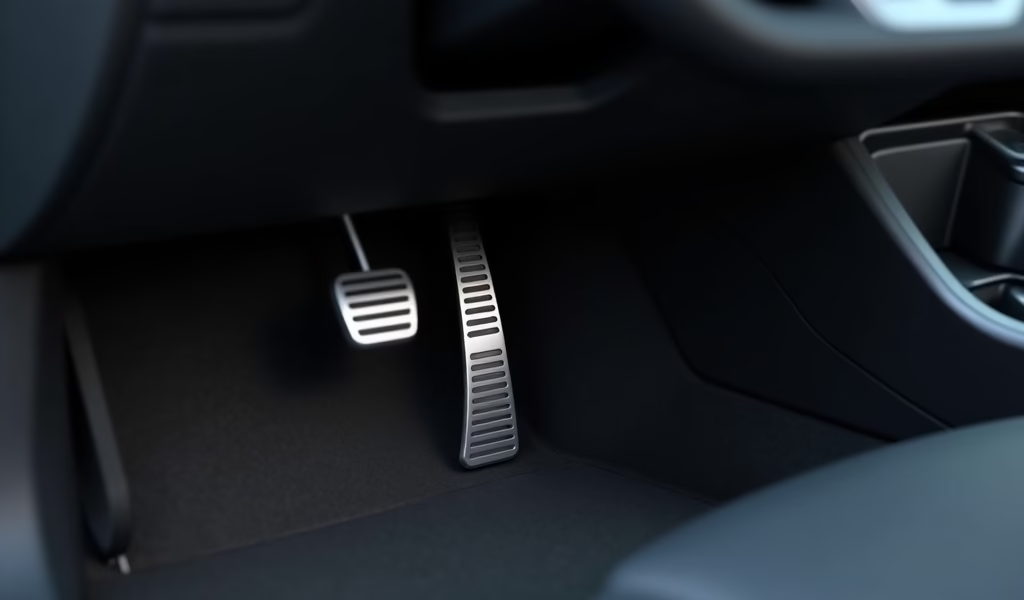
Installing a brake pedal lock is straightforward, but doing it correctly maximizes both security and convenience. Begin by adjusting your seat position to create sufficient working space. Most designs require you to slide the lock around or through the brake pedal and extend it to connect with another fixed point like the steering wheel or floor.
For wheel-to-pedal models, ensure the bar is fully extended and locked in position. There should be minimal play or movement when properly installed. For pedal enclosure types, the device should completely surround the pedal, preventing access.
To develop a consistent habit, I recommend keeping your brake pedal lock key on the same keychain as your ignition key. This simple practice ensures you’ll always have it available when parking. Remember, even the most expensive lock provides zero protection if it’s sitting in your trunk when you need it.
For those living in areas where brake maintenance and car security are ongoing concerns, consider this routine: key out of ignition, brake lock on, doors locked. Make it as automatic as putting on your seatbelt when you get in. After a week or two, it becomes second nature.
During brake inspections, I often see vehicles with security devices purchased but rarely used. The most effective security measure is the one you use consistently—even a basic lock used every time offers better protection than a premium model used occasionally.
Common Mistakes to Avoid
Over the years, I’ve seen well-meaning vehicle owners make several common mistakes that undermine their security efforts. The most prevalent is inconsistent usage—having a brake pedal lock but only using it in “high-risk” situations. The reality is that vehicle theft often occurs in supposedly “safe” areas where people let their guard down.
Another mistake is improper installation. A brake pedal lock that’s loosely applied or incorrectly positioned may give the appearance of security while providing little actual protection. Take the extra few seconds to ensure it’s correctly installed and fully engaged.
I’ve also encountered the “security theater” problem—where people rely entirely on visible deterrents while neglecting basic security measures. A brake pedal lock is excellent, but it works best as part of a comprehensive approach. Always remove valuables from sight, lock all doors, close windows completely, and park in well-lit areas when possible.
Some vehicle owners make the mistake of leaving spare keys hidden in or around their vehicle. Even with a brake pedal lock installed, leaving a hidden key negates much of your security effort. I once had a customer whose car was stolen despite having a pedal lock—the thief found the magnetic key box under the wheel well, which contained both the ignition key and the lock key!
Finally, don’t mistake a cheap lock for a good value. I’ve seen $20 models that can be defeated with simple hand tools in under a minute. When it comes to security devices, extremely low prices often indicate compromises in materials or design that undermine the very protection you’re seeking.
Maintenance Tips
Like any mechanical device, brake pedal locks benefit from occasional maintenance. The most common issue is lock cylinder stiffness, which typically results from dust accumulation or lack of lubrication. I recommend applying a dry graphite lubricant to the keyway every 3-6 months. Avoid liquid lubricants like WD-40, which can attract dust and actually worsen the problem over time.
Inspect your lock periodically for signs of wear or damage. Pay particular attention to connection points and locking mechanisms, as these are the areas most likely to fail under stress. If you notice excessive play, grinding sensations when operating the lock, or visible damage, it’s time to consider a replacement.
For those living in coastal areas or regions with high humidity, corrosion can be an issue. Quality models feature corrosion-resistant coatings, but these can wear over time. Wipe down your lock occasionally with a lightly oiled cloth to maintain the protective finish. This simple step can add years to the device’s effective lifespan.
Most manufacturers recommend replacing brake pedal locks every 5-7 years, even if they appear to be functioning normally. This recommendation accounts for internal wear that may not be visible but could compromise security. Given the relatively modest cost compared to vehicle values, this replacement schedule represents sound preventive maintenance.
Remember that a security chain is only as strong as its weakest link. Regular maintenance of all your security measures, from mechanical devices to electronic systems, ensures you’re maintaining comprehensive protection for your vehicle investment.
Cost vs. Benefit Analysis
Let’s talk dollars and sense. A quality brake pedal lock costs between $50 and $100—about the same as a tank of gas in many vehicles. The average stolen vehicle claim exceeds $7,500 when you factor in all associated costs. Even if your insurance covers most expenses, you’ll likely face a deductible of $500-$1000, plus the hassle factor of dealing with the theft aftermath.
Insurance discounts vary by provider and location, but many companies offer 5-15% reductions for vehicles with anti-theft devices. On a typical auto policy, this can translate to $50-150 annual savings. Over just a few years, these discounts alone can more than offset the initial investment in a brake pedal lock.
Beyond the financial calculations, consider the time value. Dealing with a stolen vehicle typically consumes 15-20 hours of your time—filing police reports, working with insurance, arranging alternative transportation, and shopping for a replacement vehicle. What’s your time worth per hour? For most people, this time cost alone would justify the modest investment in prevention.
I’ve worked with customers who’ve experienced vehicle theft, and without exception, they all wish they had invested more in prevention. One gentleman told me, “I thought my car wasn’t worth stealing,” after his 12-year-old sedan was taken. The truth is, even older vehicles are targets—sometimes for parts, sometimes for joyriding, sometimes just because they’re easier to steal.
When you consider that a brake pedal lock can provide 5+ years of protection with minimal maintenance, the daily cost works out to pennies. Few security investments offer better value for the protection provided.
Conclusion
After decades in the automotive industry, I’ve seen security trends come and go, but the humble brake pedal lock remains one of the most effective theft deterrents available. Its combination of visibility, physical barrier, and mechanical reliability makes it an excellent first line of defense for any vehicle.
The beauty of these devices lies in their simplicity—no batteries to die, no complex electronics to fail, just straightforward physical protection that works every time. They represent the rare case where the low-tech solution often outperforms its high-tech alternatives.
Remember, vehicle security is about layers. A brake pedal lock works best as part of a comprehensive approach that includes common-sense practices like removing valuables, parking in well-lit areas, and maintaining awareness of your surroundings. No single device can provide complete protection, but each layer significantly improves your odds.
For a modest investment of $50-100 and a few seconds of your time when parking, you can dramatically reduce your risk of becoming a vehicle theft statistic. That’s a bargain by any measure—especially when you consider the financial and emotional costs of having your vehicle stolen.
In a world where we often seek complex solutions to our problems, it’s refreshing to find that sometimes the simplest approach is also the most effective. A brake pedal lock may not be fancy, but it gets the job done—and that’s what matters most when it comes to protecting your vehicle investment.
Frequently Asked Questions
How effective are brake pedal locks against professional thieves?
While no device is 100% theft-proof, brake pedal locks are highly effective deterrents that force thieves to spend significant time and make noise to defeat. Most professionals will simply move on to easier targets rather than risk the extended exposure.
Can I use a brake pedal lock with a manual transmission?
Yes, brake pedal locks work equally well with manual transmissions. Some specialized models can even secure both clutch and brake pedals simultaneously for added protection.
Will a brake pedal lock damage my vehicle’s interior?
Quality brake pedal locks feature protective coatings at contact points to prevent damage to your vehicle’s interior. When properly installed according to manufacturer instructions, they shouldn’t cause any damage.
How much does a good brake pedal lock cost?
A good quality brake pedal lock typically costs between $50-100, with premium models reaching up to $150. The mid-range options ($60-80) usually offer the best balance of security and value.
Do brake pedal locks qualify for insurance discounts?
Many insurance companies offer discounts ranging from 5-15% for vehicles equipped with anti-theft devices including brake pedal locks. Check with your specific insurance provider to confirm available discounts.