
Overview
This guide demystifies vehicle wiring harnesses, offering practical advice on inspection, troubleshooting, and determining whether to repair or replace damaged components—potentially saving drivers from unexpected breakdowns and costly repairs. From identifying warning signs like intermittent electrical issues to understanding the impact of environmental factors and rodent damage, readers will gain the knowledge to perform basic DIY inspections and make informed decisions about when professional intervention is necessary.
Table of Contents
- What Is a Wiring Harness and Why It Matters
- Warning Signs of Wiring Harness Problems
- Common Causes of Wiring Harness Damage
- Typical Lifespan of Wiring Harnesses
- DIY Wiring Harness Inspection Guide
- When Repair vs. Replacement Is Necessary
- Cost Expectations for Wiring Work
- DIY vs. Professional Service
- Common Mistakes to Avoid
- Conclusion
- Frequently Asked Questions
We’ve all been there – rushing to an important appointment, hopping in the car, turning the key, and… nothing happens. That sinking feeling in your stomach quickly turns to panic as you realize you’re not going anywhere. After the tow truck arrives and the mechanic takes a look, the diagnosis becomes clear: a simple wiring issue that could have been prevented with a basic inspection.
Vehicle electrical problems can be incredibly frustrating precisely because they’re often preventable with regular maintenance. Think of your car’s wiring harness as its nervous system – a complex network that keeps everything communicating and functioning properly. When it fails, everything from your radio to your engine can be affected.
At our team at Knows Your Car, we’ve seen countless cases where simple wiring harness inspections could have saved drivers from being stranded and spared their wallets from expensive repairs. A quick visual check might catch a fraying wire before it shorts out your engine control module – potentially saving you thousands.
In this guide, I’ll walk you through everything you need to know about your vehicle’s wiring harness – what it is, warning signs of problems, how to inspect it yourself, and when to call in the professionals. By the end, you’ll have the knowledge to prevent electrical issues before they leave you stranded.
What Is a Wiring Harness and Why It Matters
Your vehicle’s wiring harness is essentially an organized bundle of wires, connectors, and terminals that transmit electrical power and signals throughout your car. It’s like your car’s nervous system – carrying crucial electrical signals that control everything from headlights to fuel injection.
Modern vehicles contain several different harnesses, each serving specific systems:
- Main engine harness – connects to sensors, the ignition system, and engine management components
- Dashboard harness – controls your instrument panel, climate controls, and entertainment system
- Door harnesses – manage power windows, locks, and mirror controls
- Lighting harness – connects all exterior and interior lights
- Chassis harness – links components like the ABS system and transmission controls
These aren’t just convenient bundles – they’re meticulously designed pathways ensuring the right amount of electricity reaches each component. The organization into harnesses also protects wires from damage and makes diagnosis and replacement more manageable.
Why does this matter to you? Because nearly every function in your vehicle depends on these electrical connections. When a wire corrodes or a connector loosens, it doesn’t just affect one component – it can disrupt entire systems. A faulty wiring harness might prevent your car from starting, cause erratic behavior from multiple systems, or even lead to dangerous situations like headlight failure at night.
Beyond safety, your wiring harness is crucial for performance and efficiency. Modern engine management systems rely on precise electrical signals to optimize fuel delivery, timing, and emissions control. When wiring issues create resistance or intermittent connections, your vehicle’s computer receives corrupted data, leading to poor engine performance, reduced fuel economy, and potentially damage to expensive components.
Warning Signs of Wiring Harness Problems
Catching wiring problems early can save you from major headaches and expenses. Here are the telltale signs your wiring harness may be developing issues:
Intermittent electrical issues are typically the first red flag. When lights flicker, gauges sporadically jump, or accessories work inconsistently, it’s often due to a poor connection or damaged wire. Pay special attention if these issues worsen when driving over bumps or during specific weather conditions – that’s a classic sign of wiring problems.
Starting problems and unexpected stalling can indicate wiring issues affecting your ignition system or fuel pump. If your vehicle occasionally fails to start but then works fine later, or if it stalls while driving with no apparent pattern, wiring should be high on your list of suspects.
A burning smell or visible damage is a serious warning sign that should never be ignored. The distinct odor of electrical burning is unmistakable, and if you spot wires with melted insulation or exposed copper during a visual inspection, address the issue immediately before it causes a short circuit or fire.
Malfunctioning accessories that seem unrelated might actually share a common wiring problem. For example, if your power windows, radio, and dome light all act up simultaneously, the issue likely lies in a shared power wire or ground connection in the harness.
The check engine light often illuminates when engine sensors can’t communicate properly due to wiring issues. While this light can indicate many different problems, intermittent wiring faults frequently trigger it because they cause sensors to send erratic signals to your car’s computer, as explained by the Car Care Council.
If your battery drains faster than normal, it could be due to a wiring short drawing power even when your vehicle is off. This “parasitic draw” will eventually leave you stranded and is commonly caused by damaged wiring creating unintended pathways for electricity.
Remember that these symptoms often come and go, making diagnosis challenging. The intermittent nature of many wiring problems is precisely why regular inspection is so important – catching issues during their early, sporadic phase prevents complete failures later.
Common Causes of Wiring Harness Damage
Understanding what damages wiring harnesses helps you prevent problems before they start. Here are the most common culprits I see in our shop:
Natural aging and deterioration affects all vehicle components, including wiring. Over time, wire insulation becomes brittle and cracks, connectors loosen, and terminals corrode. This natural process accelerates in older vehicles, especially those regularly exposed to extreme temperatures.
Environmental exposure is particularly harsh on wiring. Engine bay heat can bake insulation until it cracks. Moisture from rain or car washes finds its way into connectors and causes corrosion. Road salt in winter regions is especially damaging, as it accelerates corrosion when it contacts exposed metal connections.
Rodent damage is surprisingly common and incredibly destructive. Mice, rats, and other small animals are attracted to the warmth of an engine bay and seem particularly fond of wire insulation. They can chew through critical wiring in a single night, leaving a tangle of bare wires and potential short circuits. Our team sees at least two or three cases of this every winter when rodents seek shelter in warm engine compartments.
Improper previous repairs often create more problems than they solve. Incorrect splicing techniques, using the wrong gauge wire, or failing to properly seal connections introduces weak points in the harness. I’ve seen many instances where a quick-fix repair using wire nuts or electrical tape eventually led to major electrical failures months later.
Vibration and friction gradually wear away insulation when wires rub against metal edges or other components. This is especially common near the engine, where constant movement causes wires to chafe against brackets or hoses, eventually exposing bare conductors.
Fluid leaks such as engine oil, transmission fluid, or brake fluid can degrade wire insulation over time. These automotive fluids are designed for specific components and can be surprisingly corrosive to the plastic insulation protecting your wiring. A small oil leak dripping onto a wiring harness can cause extensive damage if left unaddressed.
Being aware of these common causes allows you to be proactive. For example, if you know your vehicle will be parked for an extended period, consider rodent-deterrent measures. Similarly, addressing fluid leaks promptly protects not just the component that’s leaking, but your wiring harness as well.
Typical Lifespan of Wiring Harnesses
How long should you expect your vehicle’s wiring harness to last? The answer varies significantly depending on several factors, but I can give you some practical guidelines based on what we’ve seen in the field.
Modern vehicles typically feature wiring harnesses designed to last the lifetime of the vehicle – generally 10-15 years or 150,000+ miles under ideal conditions. Manufacturers use higher-quality materials and improved designs compared to vehicles from 20+ years ago, making catastrophic wiring failures less common.
However, several factors can significantly shorten this lifespan. Extreme heat is particularly damaging – vehicles regularly operated in hot climates or with engine overheating issues may experience insulation breakdown much earlier. Similarly, vehicles in coastal regions or areas with heavy road salt usage face accelerated corrosion of terminals and connectors.
Your driving patterns also impact wiring durability. Short trips without allowing the engine to fully warm up create condensation inside connectors, leading to corrosion over time. Off-road driving introduces more vibration and potential for physical damage to wiring components. Even frequent car washes can potentially force moisture into areas where it wouldn’t normally reach.
When comparing OEM (Original Equipment Manufacturer) and aftermarket wiring quality, there’s typically a noticeable difference. OEM harnesses are designed specifically for your vehicle with precisely the right wire gauges, connector types, and routing. Aftermarket options vary widely in quality – some match or even exceed OEM specifications, while others use thinner wires, lower-grade insulation, or inferior connectors to reduce costs.
I’ve seen well-maintained vehicles with original wiring still functioning perfectly after 20+ years, while others required significant repairs at just 5-7 years due to the factors mentioned above. The key takeaway is that while wiring harnesses are designed for long life, they require periodic inspection and preventative maintenance – just like any other critical vehicle system.
DIY Wiring Harness Inspection Guide
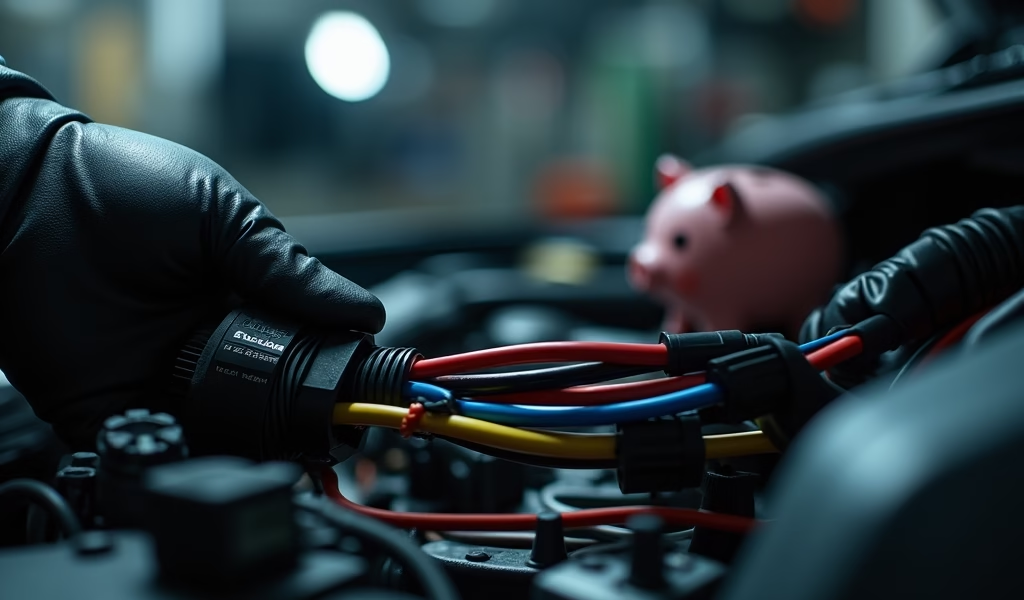
Inspecting your vehicle’s wiring harness might seem intimidating, but a basic check can be done by most car owners with minimal tools. Here’s how to conduct your own wiring inspection:
Tools you’ll need:
- Flashlight (preferably LED headlamp to keep hands free)
- Basic hand tools to remove covers or shields
- Work gloves to protect from sharp edges
- Digital multimeter (for more advanced testing)
- Clean rags
Safety precautions:
Before starting, ensure your vehicle is parked on a level surface with the engine off and cool. Disconnect the negative battery terminal to prevent any accidental shorts while you’re poking around. This is an absolute must for safety when working with car electrical systems.
Step-by-step visual inspection process:
1. Engine compartment wiring: Start by examining visible wiring in the engine bay. Look for any wires with cracked, melted, or brittle insulation. Pay special attention to areas near hot components like the exhaust manifold or areas where wires might rub against metal edges.
2. Follow major harness paths: Trace the main wiring bundles, looking for secure mounting. Wiring should be properly secured with clips or ties – loose sections can sag onto hot components or rub against moving parts.
3. Check all accessible connectors: Examine visible connectors for signs of corrosion (greenish or white powdery substance), bent pins, or loose fit. Gently wiggle connections to ensure they’re secure – they should feel solid, not loose.
4. Inspect grounds: Poor ground connections cause many electrical issues. Look for ground wires (usually black) connected to the body or engine block and check that these connections are clean and tight.
5. Look for evidence of rodents: Chewed insulation, nesting materials, or droppings near wiring areas indicate possible rodent damage. Pay special attention to hidden areas where rodents might nest.
6. Check for fluid contamination: Examine wiring near potential leak sources for signs of oil, coolant, or other fluid exposure. Insulation that appears swollen or deteriorated might indicate chemical damage.
For more advanced inspection:
Using a multimeter, you can check for continuity in suspicious wires. Set your multimeter to the continuity or resistance setting, disconnect the connectors at both ends of the suspected wire, and touch the probes to each end of the wire. A reading of near-zero ohms indicates good continuity, while infinite resistance suggests a break. The AA1Car automotive diagnostic website offers excellent tutorials on this process.
Documentation tips:
Take photos of any issues you find, noting their location. This documentation helps when consulting with a professional and provides a baseline for future inspections. I recommend creating a simple log with dates and any findings, even if everything looks good.
For optimal vehicle maintenance, conduct a basic visual inspection seasonally (four times per year), with special attention after extreme weather events or if you notice any electrical symptoms. A more thorough inspection with resistance testing is worth doing annually or whenever you experience electrical issues.
When Repair vs. Replacement Is Necessary
Knowing whether to repair or replace damaged wiring can save you considerable time and money. Here’s how to make that determination:
Repairable issues generally include:
- Loose or corroded connectors that can be cleaned and properly reseated
- Individual damaged wires that can be properly spliced
- Minor chafing where insulation is worn but conductors aren’t exposed
- Broken wire clips or harness mounts
For these issues, proper repair techniques are crucial. When splicing wires, always use the correct gauge wire and proper automotive-grade connectors. Heat-shrink tubing or specialized electrical tape designed for automotive use provides proper insulation. Never use household wire nuts or regular electrical tape, as these aren’t designed for the vibration and temperature extremes in vehicles.
Replacement is likely necessary when:
- Multiple wires within a harness are damaged
- Insulation is crumbling throughout a section due to age or heat exposure
- There’s extensive rodent damage across multiple areas
- Previous improper repairs have created a “patchwork” of splices
- Wire conductors show signs of internal corrosion (appearing greenish or dull)
- Connectors are melted or severely damaged
Many vehicles allow for partial harness replacement, which can significantly reduce costs compared to a complete replacement. Engine harnesses, dashboard harnesses, door harnesses, and lighting harnesses can often be replaced independently. Manufacturers typically divide harnesses at natural connection points, making partial replacement possible.
As for continuing to drive with known wiring issues, it’s a calculated risk that depends on the specific problem. Minor issues like a non-functioning power window or intermittent dome light might be inconvenient but not dangerous. However, problems affecting critical systems like ignition, fuel delivery, lighting, or braking pose serious safety risks and should be addressed immediately.
At our shop, we’ve seen customers delay relatively minor $200 harness repairs only to face $2,000+ repair bills when the issue eventually caused damage to electronic control modules or other expensive components. The rule of thumb: if the wiring problem affects safety systems or could potentially cause a short circuit, don’t delay the repair.
Cost Expectations for Wiring Work
Understanding potential costs helps you budget appropriately for wiring repairs. Here’s what you can realistically expect to pay:
For minor wiring repairs like fixing a single damaged wire or replacing a corroded connector, costs typically range from $75-200 depending on location and accessibility. These repairs usually involve more labor than parts.
Partial harness replacement costs vary widely based on the specific section and vehicle. Door harness replacements typically run $200-400, while an instrument panel harness might cost $400-800 due to the labor-intensive dashboard removal required to access it.
Complete harness replacement represents a major repair. Engine wiring harnesses typically cost $600-1,200 for parts alone, with labor adding another $400-1,000 depending on vehicle complexity. For luxury vehicles or complex modern vehicles with extensive electronics, a complete rewiring can exceed $3,000.
The labor-to-parts ratio in wiring repairs is heavily skewed toward labor. Even a relatively inexpensive section of wiring might require hours of labor to access and replace properly. Vehicles with tight engine compartments or extensively integrated electronics systems require more labor hours.
Regarding insurance, comprehensive coverage often covers wiring damage from specific causes like rodents, falling objects, or weather events, but not from normal wear and tear or prior improper repairs. If you suspect your wiring damage might be covered, document everything thoroughly before repairs begin.
The long-term savings of addressing wiring issues promptly can’t be overstated. A $150 repair to fix a fraying wire near your fuel pump can prevent a $1,000+ repair when that wire eventually shorts out and damages the fuel pump and its control module. Similarly, addressing a $300 alternator harness issue might prevent a $2,000 electrical system repair when intermittent charging eventually damages your vehicle’s sensitive electronic control units.
When discussing costs with your mechanic, ask for a breakdown of what’s being replaced versus repaired, as this significantly impacts the final price. Some shops default to replacement when repair might be adequate, so asking the right questions can lead to considerable savings.
DIY vs. Professional Service
Deciding whether to tackle wiring issues yourself or hire a professional depends on your skills, tools, and the specific problem. Here’s guidance to help you decide:
DIY-friendly wiring repairs include:
- Replacing simple accessories like light bulbs or fuses
- Cleaning corrosion from exposed terminals and connectors
- Reattaching loose wire connections that are easily accessible
- Adding aftermarket accessories with plug-and-play harnesses
- Replacing clearly damaged single wires in accessible locations
These tasks typically require basic tools like screwdrivers, pliers, wire strippers, and a multimeter. The key skills needed are attention to detail, patience, and the ability to follow diagrams.
When to absolutely consult a professional:
- Any wiring issues affecting airbag systems – these can be dangerous if improperly handled
- Problems with the main engine control harness or computer systems
- Intermittent electrical issues that you can’t pinpoint
- Wiring repairs in difficult-to-access areas requiring dashboard or major component removal
- When damage is extensive or affects multiple systems
- If you don’t have access to proper repair documentation or wiring diagrams
For DIY wiring work, you’ll need proper automotive-grade wiring in the correct gauge, appropriate connectors (butt connectors, spade terminals, etc.), heat shrink tubing, a quality wire stripper/crimper tool, and ideally a multimeter for testing. Remember that automotive wiring is different from household wiring – it needs to withstand vibration, extreme temperatures, and moisture.
Finding a qualified automotive electrician requires some research. Look for:
- ASE certification in electrical/electronic systems (A6)
- Experience with your specific make of vehicle
- A shop with proper car diagnostic equipment like digital scopes and factory-level scan tools
- Positive reviews specifically mentioning electrical repair work
- Willingness to explain the problem and repair approach
Before hiring a professional, ask these questions:
- Will they perform diagnostic testing before giving a final price?
- Do they repair harnesses or only replace them?
- Do they use OEM parts or aftermarket harnesses?
- Will they provide documentation of what was repaired?
- Do they offer any warranty on electrical work?
Remember that even if you decide to hire a professional, conducting your own basic inspection first can help you communicate the problem more effectively and potentially save diagnostic time and costs.
Common Mistakes to Avoid
Even experienced DIYers and some professionals make these common wiring repair mistakes. Avoid them to ensure safe, long-lasting repairs:
Using incorrect wire gauge or type is a frequent error. Automotive wiring is sized precisely for the current it needs to carry. Using too small a gauge creates resistance, generating heat and potentially causing fires. Using standard household wire rather than automotive-grade wire is also problematic, as it lacks the temperature resistance and vibration tolerance needed in vehicles.
Improper splicing techniques lead to failures down the road. Simply twisting wires together and taping them is insufficient. Proper automotive splices require either soldering with heat shrink protection or using appropriate crimp connectors designed for automotive use. The connection must be mechanically strong and completely sealed against moisture.
Neglecting proper insulation after repairs leaves wires vulnerable. Automotive environments experience extreme temperature variations, constant vibration, and exposure to fluids. Proper repairs require automotive-grade heat shrink tubing or specialized electrical tape. Regular electrical tape will eventually unwrap due to heat cycling and vibration.
Using the wrong connectors creates weak points. Household quick-connect terminals aren’t designed for automotive use. Proper automotive connectors are designed to maintain contact despite vibration and temperature changes. Using incorrect terminal types can lead to intermittent connections or high-resistance joints that generate heat.
Ignoring manufacturer service bulletins related to wiring is a costly oversight. Many vehicles have known wiring issues that manufacturers have developed specific repair procedures for. Before attempting repairs on problem-prone systems, check if there are technical service bulletins providing guidance.
Failing to address the root cause of failures guarantees repeat problems. If a wire harness failed due to rubbing against a sharp edge, simply repairing the wire without adding protective sheathing or rerouting it means the problem will recur. Similarly, if corrosion damaged a connector, the source of moisture intrusion must be addressed.
Perhaps the most expensive mistake is attempting to save money with temporary fixes. Using electrical tape instead of proper splices, makeshift connectors, or household wire may get systems working temporarily but often leads to more extensive damage and costlier repairs later. I’ve seen $50 “quick fixes” turn into $1,500 repairs when the improper repair eventually caused control module failures.
Conclusion
Your vehicle’s wiring harness may not be the most glamorous component, but it’s absolutely critical to keeping you safely on the road. Regular inspection is one of the most cost-effective preventative maintenance steps you can take, potentially saving you from expensive repairs and roadside breakdowns.
Remember, many wiring issues give early warning signs before they become complete failures. Flickering lights, intermittent accessory operation, or unusual electrical behavior shouldn’t be ignored – they’re your car’s way of signaling that something’s wrong beneath the surface.
Even if you’re not comfortable tackling electrical repairs yourself, simply knowing how to perform a basic visual inspection puts you ahead of most vehicle owners. Spotting early signs of wear, damage, or corrosion allows you to address problems before they escalate into major electrical failures.
Our team has seen countless cases where a simple, inexpensive wiring repair could have prevented a costly roadside breakdown or extensive electrical system damage. Taking a few minutes every few months to inspect your wiring harness is truly one of the best investments you can make in your vehicle’s reliability and your wallet’s health.
Whether you choose the DIY approach or prefer to leave it to professionals, the key is being proactive. Don’t wait for electrical failures to surprise you at the worst possible moment. A little attention to your wiring harness today can save you significant time, money, and stress tomorrow.
Frequently Asked Questions
How often should I inspect my vehicle’s wiring harness?
Perform a basic visual inspection every 6 months or 6,000 miles, whichever comes first. Increase frequency if you drive in harsh conditions like extremely hot climates or areas with road salt.
What tools do I need for a basic wiring inspection?
You’ll need a flashlight, basic hand tools to remove covers, and work gloves. A multimeter is helpful but not essential for basic visual inspections.
Can I drive with a damaged wiring harness?
It depends on which systems are affected. Problems with convenience features like power windows are generally safe to drive with temporarily, but issues affecting safety systems require immediate attention.
How much does wiring harness repair typically cost?
Minor repairs like fixing a single damaged wire typically cost $75-200. Complete harness replacements can range from $1,000-3,000 depending on vehicle complexity.
What’s the most common cause of wiring harness damage?
Environmental exposure (heat, moisture, vibration) is the most common cause of long-term damage. Rodent damage is a frequent cause of sudden electrical failures, especially in vehicles parked outdoors.