
Overview
While most drivers diligently track oil changes and tire rotations, they often overlook brake fluid replacement—a critical maintenance item that prevents dangerous brake failure and expensive repairs when performed every 2-3 years. Regular brake fluid service prevents moisture contamination that lowers boiling points and corrodes internal components, ultimately saving you from costly repairs to calipers, ABS modules, and master cylinders while ensuring your vehicle’s most important safety system functions properly when you need it most.
Table of Contents
- Understanding Brake Fluid: Your Stopping Power
- Why Replace Brake Fluid? The Science Behind Degradation
- Warning Signs Your Brake Fluid Needs Changing
- Recommended Replacement Intervals: Finding Your Sweet Spot
- DIY Brake Fluid Replacement: Step-by-Step Guide
- Professional Service vs. DIY: Making the Right Choice
- Cost Savings: How Timely Replacement Protects Your Wallet
- Common Mistakes to Avoid During Brake Fluid Service
- Conclusion: Why Regular Brake Fluid Service Matters
- Frequently Asked Questions
Imagine cruising down a mountain road when suddenly your brake pedal sinks to the floor with barely any resistance. This nightmarish scenario is all too real for drivers who neglect their brake fluid replacement period. As a mechanic with over 20 years of experience, I’ve seen the consequences of overlooked brake maintenance firsthand – from close calls to costly repairs.
Brake fluid is the unsung hero of your vehicle’s safety system. While oil changes and tire rotations get all the attention, this critical hydraulic fluid often goes ignored for years. The irony? It’s one of the simplest and most affordable maintenance items that can prevent dangerous brake failure and expensive repairs.
In this comprehensive guide, we’ll explore everything you need to know about brake fluid replacement periods – helping you save cash, avoid breakdowns, and most importantly, stay safe on the road.
Understanding Brake Fluid: Your Stopping Power
Brake fluid is the lifeblood of your vehicle’s braking system. When you press the brake pedal, this specialized hydraulic fluid transfers force from your foot to the brake components at each wheel. This pressure activates the calipers or wheel cylinders, which then press the brake pads or shoes against the rotors or drums to slow your vehicle.
Unlike motor oil or coolant, brake fluid works in a sealed system where it must maintain very specific properties to function properly:
- It must remain incompressible (to transfer force effectively)
- It must maintain consistent viscosity across extreme temperature ranges
- It must have high boiling points to prevent vapor lock during heavy braking
- It contains corrosion inhibitors to protect internal brake components
There are several types of brake fluid, classified by the Department of Transportation (DOT) standards:
- DOT 3: Most common, with a dry boiling point of 401°F
- DOT 4: Higher performance with dry boiling point of 446°F
- DOT 5: Silicone-based, doesn’t absorb water but incompatible with ABS systems
- DOT 5.1: Glycol-based like DOT 3 and 4, but with higher boiling points
Your vehicle’s manufacturer specifies which type you should use, and it’s critical not to substitute with a different classification. The right brake fluid literally stands between you and potential disaster when you need to stop quickly.
According to research by the Society of Automotive Engineers, brake fluid deterioration is responsible for a significant percentage of preventable brake-related issues. Understanding what brake fluid does helps explain why its replacement is so critical to your safety.

Why Replace Brake Fluid? The Science Behind Degradation
Unlike wine, brake fluid doesn’t get better with age. Even if your vehicle sits idle in the garage, the fluid degrades over time for several important reasons.
The primary villain is moisture absorption. Brake fluid is hygroscopic, meaning it actively attracts and absorbs water from the atmosphere. This happens even in a “sealed” system through microscopic pores in flexible brake hoses, around reservoir caps, and during normal operation.
This moisture contamination causes several serious problems:
- Lowers the fluid’s boiling point significantly (wet boiling point vs. dry boiling point)
- Creates corrosion inside brake lines, calipers, and master cylinders
- Damages expensive ABS components and sensors
- Reduces braking efficiency, especially during heavy or prolonged braking
When brake fluid gets hot during heavy braking (which happens more than you think), contaminated fluid can boil. This creates vapor pockets in the system – and unlike liquid, these gas bubbles are compressible. When you press the pedal, instead of transferring force to the brakes, these bubbles simply compress, giving you a spongy pedal or complete failure.
The second factor in degradation is heat cycling. Every time your brakes get hot and cool down, it puts thermal stress on the fluid, gradually breaking down its protective additives. Those additives prevent corrosion and maintain proper viscosity – without them, your brake components start deteriorating from the inside out.
As research from automotive engineers shows, brake fluid with just 3% water content can lower the boiling point by more than 100°F, creating dangerous conditions during emergency stops.
Warning Signs Your Brake Fluid Needs Changing
Your vehicle will typically give you several warning signals before brake fluid issues become dangerous. Being attentive to these signs can help you address problems before they lead to brake failure or expensive repairs.
The most common warning signs include:
- Spongy brake pedal feel: If your pedal feels soft or sinks closer to the floor than usual, your brake fluid might be contaminated with air or water.
- Increased stopping distance: When you notice your car taking longer to stop than it used to, degraded brake fluid could be reducing your braking efficiency.
- ABS light illumination: Modern vehicles monitor brake fluid conditions, and the ABS warning light often activates when problems are detected.
- Brake fluid appearance: Fresh brake fluid is clear to amber in color. If yours looks dark brown or black, it’s time for replacement.
- Burning smell during braking: This can indicate overheated brakes, possibly due to fluid issues requiring more pedal pressure than normal.
It’s worth noting that by the time you experience these symptoms, your brake fluid is already significantly compromised. This is why preventative maintenance according to a regular brake maintenance schedule is so important.
One simple check you can perform yourself is looking at the brake fluid reservoir under your hood. Most reservoirs are translucent plastic with “MIN” and “MAX” markings. The fluid should be between these marks and should appear clean and clear. If it’s dark or contains visible particles, it needs replacement regardless of when it was last serviced.
Remember, brake fluid issues rarely improve on their own – they only worsen with time. If you notice any of these warning signs, don’t delay getting your brake system inspected by a professional.
Recommended Replacement Intervals: Finding Your Sweet Spot
Open your vehicle’s owner’s manual, and you might find brake fluid replacement intervals ranging from every 2 years to… never. This variation creates confusion for car owners trying to determine the right maintenance schedule.
As a mechanic who’s seen thousands of brake systems, I can tell you that manufacturer recommendations often reflect minimum requirements under ideal conditions. Real-world driving demands a more practical approach.
Here’s a straightforward guideline based on decades of professional experience:
- Every 2 years for vehicles driven in humid climates, used for towing, or driven in mountainous regions
- Every 3 years for average vehicles under normal driving conditions
- Every 4 years maximum even for vehicles in ideal conditions with minimal use
Several factors affect how quickly your brake fluid deteriorates:
- Climate: High humidity accelerates moisture absorption
- Driving style: Aggressive braking generates more heat
- Vehicle type: Heavier vehicles put more demand on braking systems
- Terrain: Mountainous driving creates more heat in the braking system
- Age of components: Older rubber seals and hoses allow more moisture intrusion
Many professional technicians recommend testing brake fluid condition annually after a vehicle is three years old. Simple copper content test strips can measure the level of corrosion occurring in your brake system, helping you develop a personalized replacement schedule.
Remember, the modest cost of regular brake fluid replacement (typically $80-150) is insignificant compared to the expense of replacing corroded brake components or the potential consequences of brake failure.
Following a proactive replacement schedule is one of the most important aspects of essential car maintenance that will help extend the life of your vehicle while ensuring optimal safety.
DIY Brake Fluid Replacement: Step-by-Step Guide
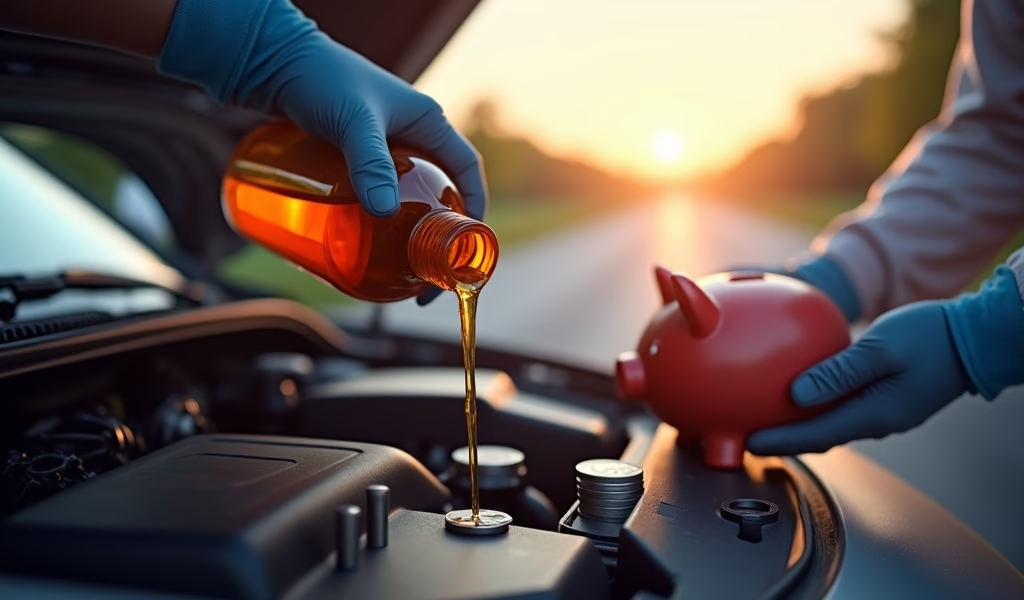
For hands-on car owners comfortable with basic maintenance, brake fluid replacement is a manageable DIY project that can save $50-150. However, it requires careful attention to detail and some specific tools.
Here’s what you’ll need:
- New brake fluid of the correct DOT specification for your vehicle
- Brake bleeding kit or a helper
- Box wrench set (typically 8mm or 10mm for bleeder valves)
- Clean catch container for old fluid
- Shop towels and brake cleaner
- Safety glasses and chemical-resistant gloves
- Turkey baster or syringe for removing old fluid from reservoir
Follow these steps for a complete brake fluid flush:
- Prepare your workspace: Ensure your car is on level ground with the engine off and cool. Brake fluid damages paint instantly, so cover surrounding areas.
- Locate the master cylinder reservoir: Usually found on the driver’s side of the engine compartment, attached to the brake booster.
- Remove old fluid: Use a turkey baster or syringe to remove as much old fluid from the reservoir as possible.
- Refill with new fluid: Add fresh brake fluid to the “MAX” line. Keep the reservoir cap nearby but don’t fully secure it yet.
- Start with the brake furthest from the master cylinder: This is typically the passenger-side rear brake.
- Attach the bleeder: Either connect a bleeder kit or have a helper ready to pump and hold the brake pedal.
- Open the bleeder valve: With pressure in the system (pedal held down by helper), crack open the bleeder valve. Fluid and air will flow out – close the valve before your helper releases the pedal.
- Repeat several times: Continue this process until clean fluid comes out with no air bubbles.
- Check reservoir level: Refill as needed, never letting it run dry during the process.
- Move to the next wheel: Usually following the pattern: passenger rear, driver rear, passenger front, driver front.
- Finish up: Ensure all bleeder valves are tight, top off the reservoir to the proper level, and secure the cap.
The entire process typically takes 1-2 hours for a first-timer. Throughout the procedure, cleanliness is absolutely critical – even tiny particles can damage sensitive ABS components if introduced to the system.
Be sure to properly dispose of used brake fluid at an auto parts store or recycling center – it’s environmentally hazardous and should never go down drains or in regular trash.
If you’re new to car maintenance as a beginner, this job might be challenging. Consider watching video tutorials specific to your vehicle model before attempting it yourself.
Professional Service vs. DIY: Making the Right Choice
While DIY brake fluid replacement can save you money, it’s not the right choice for everyone. Understanding the pros and cons of professional service versus doing it yourself will help you make the best decision for your situation.
Professional brake fluid replacement typically costs between $80-200, depending on your vehicle and location. The price reflects several factors:
- The mechanic’s specialized equipment for complete fluid evacuation
- Professional-grade scanning tools to properly reset electronic brake systems
- Expertise in dealing with potential complications (seized bleeder valves, air in ABS modules)
- Proper disposal of hazardous waste
Professional service makes particularly good sense when:
- Your vehicle has advanced brake systems (ABS, stability control, autonomous emergency braking)
- You don’t have a helper for the bleeding process
- Previous brake work has been complicated by corroded components
- You value time savings over cost savings
On the other hand, DIY makes sense when:
- You’re comfortable with basic automotive maintenance
- You have the necessary tools and workspace
- Your vehicle has a relatively simple brake system
- You have experience bleeding brakes or are willing to learn
Many enthusiast-friendly shops offer a middle ground: they’ll provide professional testing of your brake fluid condition for a nominal fee (often $10-20), helping you determine when replacement is truly necessary rather than following a rigid schedule.
According to NHTSA guidelines, proper brake fluid maintenance is critical to vehicle safety regardless of who performs the service. The important thing is that it gets done according to appropriate intervals.
Cost Savings: How Timely Replacement Protects Your Wallet
Brake fluid replacement might seem like just another expense, but it’s actually an investment that pays significant dividends through prevented repairs and extended component life.
Let’s break down the economics:
- Regular brake fluid replacement: $80-200 every 2-3 years
- Replacing corroded brake calipers: $300-800 per axle
- ABS module replacement: $1,000-2,500
- Master cylinder replacement: $250-600
- Complete brake system overhaul after severe contamination: $1,500-3,000
The math is straightforward. By spending under $200 every few years for fresh fluid, you can potentially avoid thousands in repair costs.
Beyond the direct component costs, consider these hidden expenses of neglected brake fluid:
- Towing expenses when brakes fail completely
- Lost time dealing with unexpected repairs
- Rental car costs while your vehicle is being repaired
- Diminished resale value from documented brake system problems
I’ve seen countless customers face expensive repairs that could have been avoided with simple preventative maintenance. One memorable case involved a luxury SUV with an ABS module that failed due to contaminated brake fluid. The repair bill exceeded $2,100, while the recommended fluid service they had repeatedly declined cost just $149.
Fresh brake fluid also improves braking performance, potentially reducing brake wear over time. When your braking system functions optimally, you use less pedal pressure and generate less heat – both factors that extend the life of pads, rotors, and other components.
Think of regular brake fluid service as cheap insurance against much more expensive problems down the road.
Common Mistakes to Avoid During Brake Fluid Service
Whether you’re doing the job yourself or having a professional handle it, being aware of these common brake fluid service mistakes can help you avoid potentially dangerous problems.
The most serious errors include:
- Using the wrong fluid type: Always use the DOT classification specified by your vehicle manufacturer. Mixing types can cause seal damage and system failure.
- Introducing air to the system: Improper bleeding techniques leave air bubbles that cause spongy brakes and reduced stopping power.
- Allowing reservoir to run dry during bleeding: This introduces air into the master cylinder and can significantly complicate the bleeding process.
- Cross-contamination: Using containers or tools that have been exposed to other fluids can contaminate your brake system.
- Incomplete flushing: Simply “topping off” old fluid rather than completely replacing it provides minimal benefit.
Even professional shops sometimes cut corners on brake fluid service. Be wary if:
- The service takes less than 30 minutes (a proper flush typically requires 45-90 minutes)
- The shop doesn’t mention or follow the correct bleeding sequence for your vehicle
- The technician doesn’t check fluid levels in the reservoir multiple times during the process
- The service doesn’t include a final road test to verify proper brake function
If doing the job yourself, remember these critical points:
- Brake fluid damages paint instantly – protect all painted surfaces
- Wear eye protection and chemical-resistant gloves
- Keep the master cylinder reservoir covered as much as possible during the process
- Never reuse old brake fluid
- Dispose of used fluid properly – it’s environmentally hazardous
Quality control matters: after any brake fluid service, the pedal should feel firm and responsive. If it feels soft or spongy, air remains in the system and further bleeding is required.
Conclusion: Why Regular Brake Fluid Service Matters
We’ve covered a lot of ground about brake fluid replacement periods, but the key takeaway is simple: regular brake fluid service is one of the most overlooked yet critical maintenance items for your vehicle’s safety and longevity.
Let’s recap the essential points:
- Brake fluid naturally degrades over time due to moisture absorption and heat cycling
- Most vehicles benefit from replacement every 2-3 years
- Warning signs like a spongy pedal or increased stopping distance indicate urgent need for service
- Regular replacement prevents expensive component damage and dangerous brake failure
- The service can be DIY or professional depending on your comfort level and vehicle complexity
Your braking system is your vehicle’s most important safety feature. Everything else—airbags, crumple zones, seatbelts—only comes into play after something has gone wrong. Properly functioning brakes help ensure nothing goes wrong in the first place.
The modest investment in regular brake fluid replacement provides enormous returns in safety, reliability, and avoided repair costs. While it might be tempting to stretch maintenance intervals to save money in the short term, the long-term consequences of neglect far outweigh the immediate savings.
Remember that brake fluid is the lifeblood of your stopping power. Keeping it clean, fresh, and properly maintained isn’t just good car care—it’s essential for protecting yourself, your passengers, and others on the road.
So check your maintenance records, look at your brake fluid condition, and if you can’t remember the last time it was replaced, consider putting brake fluid service on your immediate to-do list. Your brakes—and potentially your wallet—will thank you.
Frequently Asked Questions
How can I tell if my brake fluid needs changing without special tools?
Check the color in your reservoir – fresh fluid is clear to amber while contaminated fluid appears dark brown or black. Also note if your brake pedal feels softer than usual or if stopping distances have increased.
Will changing brake fluid improve my braking performance?
Yes, fresh fluid with proper boiling points provides more consistent brake pedal feel and prevents brake fade during heavy use. You’ll likely notice improved pedal firmness and more predictable stopping power.
Can I mix different DOT ratings if I’m in a pinch?
In an emergency, you can mix DOT 3 and DOT 4 fluid, but never mix either with DOT 5. Have the system properly flushed with the manufacturer’s recommended fluid type as soon as possible.
What happens if I never change my brake fluid?
Eventually, moisture contamination will lower the fluid’s boiling point enough to cause brake fade or failure during hard stops. The contaminated fluid will also corrode internal components, leading to expensive repairs.
Is brake fluid replacement included in standard service packages?
Rarely. Most standard service packages check fluid level but don’t include replacement. Always specifically request brake fluid replacement as a separate service item.