

Overview
That cabin air filter you’ve been ignoring is actually your car’s personal bouncer against allergens, pollutants, and system strain—with replacement being one of the most accessible DIY maintenance tasks you can perform. Regular filter changes not only improve air quality and passenger health but also protect your HVAC system from premature failure, potentially saving you hundreds in repair costs while requiring just 15-20 minutes of your time every 15,000-30,000 miles.
Table of Contents
- Why Your Cabin Filter Matters More Than You Think
- 5 Tell-Tale Signs Your Cabin Filter Needs Replacement
- DIY Cabin Filter Replacement: Step-by-Step Guide
- The Real Cost Savings of Regular Cabin Filter Maintenance
- How to Choose the Right Cabin Filter for Your Vehicle
- Creating a Cabin Filter Maintenance Schedule That Works
- Hidden Health Benefits of Clean Cabin Filters
- Conclusion
- Frequently Asked Questions
Why Your Cabin Filter Matters More Than You Think
Let’s talk cabin filter replacement – that often overlooked maintenance task that deserves way more attention than it gets. As a mechanic with over 15 years in the shop, I’ve seen firsthand how this simple filter can make or break your driving experience and even impact your wallet in surprising ways.
Your cabin air filter works tirelessly behind the scenes, capturing dust, pollen, exhaust fumes, and other airborne nasties before they invade your car’s interior. Think of it as your vehicle’s personal bouncer, keeping unwanted particles from crashing your driving party. When functioning properly, this humble component improves air quality, enhances HVAC performance, and even contributes to fuel efficiency.
Many drivers I’ve worked with are shocked to learn that a clogged cabin filter can lead to more than just stuffy air. Over time, neglect can cause strain on your car’s air conditioning system, reduce airflow efficiency, and even contribute to unpleasant odors that make every drive less enjoyable.
Unlike some maintenance tasks that require specialized tools or extensive mechanical knowledge, cabin filter replacement represents one of the most accessible and rewarding DIY projects for car owners. With a little guidance (which I’ll provide shortly), you’ll be able to tackle this job in your driveway in about 15-20 minutes.
5 Tell-Tale Signs Your Cabin Filter Needs Replacement
Knowing when to replace your cabin filter doesn’t require a mechanic’s intuition. Your vehicle will typically provide clear signals when that filter has reached the end of its useful life. Pay attention to these common indicators:
- Reduced airflow from vents: If your climate control system seems to be huffing and puffing but delivering less air than usual, your cabin filter is likely clogged with debris.
- Unusual odors: Notice a musty or stale smell when you turn on your air? That’s often caused by contaminants trapped in an overloaded filter, possibly including mold or mildew growth.
- Increased allergy symptoms: If you find yourself sneezing more during drives, your filter might no longer be trapping allergens effectively.
- Excessive noise from the blower motor: A restricted airflow path can make your blower motor work overtime, creating more noise than normal.
- Visible dirt or debris: Once you inspect your current filter (we’ll cover how shortly), you shouldn’t need a trained eye to spot a filter that’s seen better days.
Most manufacturers recommend replacing cabin filters every 15,000 to 30,000 miles, but this can vary significantly based on your driving conditions. If you frequently drive on unpaved roads, live in a high-pollution area, or contend with extreme pollen seasons, consider more frequent replacements. As studies by the EPA have shown, indoor air quality (yes, your car counts as an indoor space) can significantly impact health outcomes.

DIY Cabin Filter Replacement: Step-by-Step Guide
Ready to save yourself some money and tackle cabin filter replacement on your own? I promise it’s one of the most straightforward maintenance tasks you can perform. Here’s a detailed breakdown of how to get it done efficiently:
What You’ll Need
- New cabin air filter (specific to your vehicle make/model)
- Owner’s manual (helpful for locating the filter)
- Basic screwdriver (in some cases)
- Clean cloth or small vacuum (optional, for cleanup)
Step-by-Step Instructions
- Locate the filter housing: In most vehicles, the cabin filter is located either behind the glove compartment, under the dashboard, or under the hood near the windshield. Your owner’s manual will pinpoint the exact location for your specific model.
- Access the filter compartment: Depending on your vehicle, you might need to remove or lower the glove box (usually by squeezing the sides inward), remove a panel, or open a specific access door.
- Remove the old filter: Take note of which direction the filter is installed (look for airflow arrows). Carefully slide out the old filter, trying not to shake loose any debris inside the housing.
- Inspect and clean the housing: Before installing the new filter, take a moment to wipe away any leaves, dust, or debris that may have accumulated in the housing area.
- Install the new filter: Insert the new filter in the same orientation as the old one (pay attention to those airflow arrows). It should slide into place without forcing.
- Reassemble: Replace any panels, restore the glove box, or close access doors you opened during the process.
The entire process typically takes 15-20 minutes, even for first-timers. While working with hundreds of clients on basic car maintenance for beginners, I’ve found cabin filter replacement to be one of the most confidence-building starter projects.
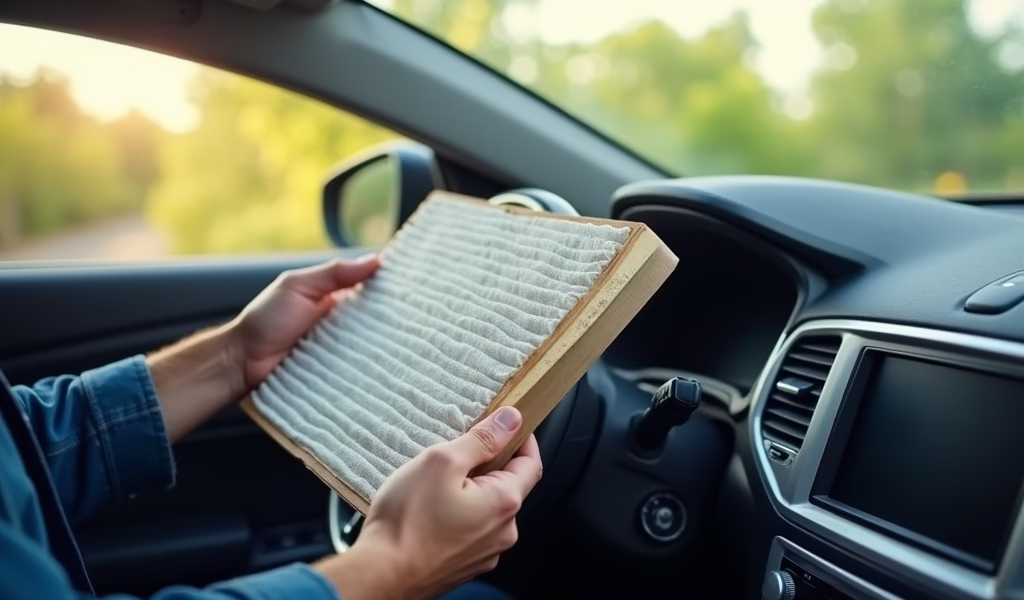
Pro tip: Take a photo of your old filter before disposing of it. This creates a reference point for comparing future filters and helps you determine if you need to adjust your replacement interval based on how quickly your filter becomes dirty.
The Real Cost Savings of Regular Cabin Filter Maintenance
Let’s talk dollars and cents, because that’s often what motivates us to tackle maintenance projects. The financial benefits of regular cabin filter replacement extend well beyond the immediate savings of DIY versus shop labor.
First, consider the direct cost comparison. A typical cabin filter costs between $15-$35 at an auto parts store. If you have a dealer or shop handle the replacement, you’ll typically pay that amount plus an additional $40-$70 in labor. By doing it yourself, you immediately pocket that labor cost.
But the savings don’t stop there. A clean, functioning cabin filter contributes to long-term savings in several key areas:
- HVAC system protection: When your cabin filter clogs, your vehicle’s blower motor works harder to push air through the restriction. This additional strain can lead to premature motor failure – a repair that often costs $200-$500.
- Improved fuel efficiency: While the impact is modest, a severely restricted cabin filter forces your climate control system to work harder, placing additional load on the engine and potentially reducing fuel economy by 1-2%.
- Reduced allergy medication: This one might seem minor, but drivers with allergies often report needing less medication when driving with a fresh cabin filter. Those savings add up over time!
Perhaps most valuable is the prevention of more expensive issues down the road. As I explain to my customers when discussing essential car maintenance tips, small preventive measures like filter changes help avoid the cascading effect of component failures that occur when systems are forced to operate under strain.
A real-world example from my shop: Last year, a customer ignored cabin filter replacement for over 60,000 miles. The resulting restriction eventually contributed to blower motor failure and evaporator core issues – turning what could have been a $20 DIY job into a $1,200 repair bill. That’s an extreme case, but it illustrates how maintenance neglect can snowball.
How to Choose the Right Cabin Filter for Your Vehicle
Not all cabin filters are created equal, and selecting the right one for your needs involves more than just matching the part number. Here’s what you should consider when making your selection:
Filter Types
- Particulate Filters: These standard filters trap dust, pollen, and other particles. They’re the most basic and affordable option, typically ranging from $10-$20.
- Activated Carbon Filters: A step up from basic particulate filters, these contain a layer of activated charcoal that absorbs odors and harmful gases like exhaust fumes. Expect to pay $20-$30 for these enhanced filters.
- HEPA Cabin Filters: High-Efficiency Particulate Air filters trap at least 99.97% of particles down to 0.3 microns in size, including most bacteria. These premium options typically cost $30-$45.
Before purchasing, use your vehicle identification number (VIN) to ensure proper fit, or consult with a parts professional. Many auto parts store websites and apps now allow you to input your vehicle information for perfect compatibility matching.
Consider your driving environment when choosing a filter type. If you commute in heavy traffic or urban areas, the activated carbon option offers valuable protection against exhaust and environmental pollutants. For those with respiratory conditions or severe allergies, the investment in a HEPA filter can make a significant difference in comfort and health. According to research from the American Academy of Allergy, Asthma & Immunology, reducing exposure to airborne particles can significantly decrease allergy and asthma symptoms.
Remember that premium filters may need replacement slightly more often due to their enhanced filtering capabilities – they simply catch more particles, which means they can reach capacity faster. The additional cost is often justified by the improved air quality, especially for sensitive individuals.
Creating a Cabin Filter Maintenance Schedule That Works
Establishing a sensible maintenance schedule for cabin filter replacement doesn’t need to be complicated. With a little planning, you can ensure clean air and optimal system performance without overburdening yourself with unnecessary work.
The general industry guideline suggests replacing your cabin filter every 15,000 to 30,000 miles under normal driving conditions. However, I’ve found this one-size-fits-all approach doesn’t work for every driver. Here’s a more nuanced approach I recommend to my customers:
- Every 10,000-15,000 miles: For drivers in high-pollution urban areas, dusty rural regions, or those with respiratory sensitivities
- Every 15,000-20,000 miles: For typical suburban driving with moderate seasonal pollen
- Every 20,000-30,000 miles: For drivers in low-pollution areas with minimal exposure to dust, dirt roads, or heavy pollen
Beyond mileage, consider replacing your filter seasonally if you live in an area with extreme pollen seasons. Installing a fresh filter just before spring pollen emerges can make a dramatic difference in your driving comfort.
A practical approach I suggest to my clients is to check the filter visually every time you change your oil. This creates a natural reminder and allows you to assess whether replacement is needed based on actual condition rather than strict mileage guidelines.
For tech-savvy car owners, consider setting a recurring reminder in your smartphone calendar or using a car maintenance app that tracks your vehicle’s service history. Some modern vehicles even include cabin filter monitoring in their maintenance reminder systems – check your owner’s manual to see if yours does.
Hidden Health Benefits of Clean Cabin Filters
The importance of cabin filter replacement extends well beyond mechanical considerations – it’s fundamentally a health issue. Many drivers don’t realize they spend hundreds of hours annually inside their vehicles, breathing whatever air makes it through (or doesn’t make it through) their cabin filter.
A functioning cabin filter serves as your primary defense against a surprising array of health irritants:
- Allergens: Pollen, dust mites, and other common allergens are significantly reduced with a properly functioning filter.
- Road pollution: Exhaust particles from surrounding vehicles contain numerous harmful compounds that a quality filter can trap before they reach your lungs.
- Mold and bacteria: A clean filter helps prevent the moist environment that encourages microbial growth in your HVAC system.
For drivers with respiratory conditions like asthma or COPD, a clean cabin filter isn’t just about comfort – it’s an essential health protection measure. Even for those without chronic conditions, reducing exposure to particulate matter can help prevent respiratory irritation, headaches, and fatigue during and after drives.
Parents should take special note: children are particularly vulnerable to air quality issues due to their developing respiratory systems. If you regularly transport young ones, maintaining your cabin filter becomes even more crucial. Several studies, including research published in the National Library of Medicine, have demonstrated links between in-vehicle air quality and respiratory health outcomes.
Consider also the cognitive benefits. Better air quality has been linked to improved concentration and alertness – important factors for safe driving. By maintaining a clean cabin filter, you’re not just protecting your physical health but potentially enhancing your driving performance as well.
Conclusion
Throughout this guide to cabin filter replacement, we’ve explored how this simple maintenance task delivers benefits far beyond its modest cost and effort. From protecting your vehicle’s systems to safeguarding your health and saving you money, few maintenance activities offer such an impressive return on investment.
Taking control of your cabin filter replacement empowers you as a vehicle owner in multiple ways. You’ll gain practical mechanical skills, develop a better understanding of how your vehicle’s systems interact, and experience the satisfaction of maintaining your car to the highest standard.
Remember that regular cabin filter replacement is not just about addressing problems – it’s about preventing them before they start. By incorporating this simple maintenance task into your vehicle care routine, you’re making a smart investment in both your car’s longevity and your personal wellbeing.
Whether you’re a seasoned DIY enthusiast or a first-time car owner just learning the maintenance basics, cabin filter replacement deserves a place on your vehicle care checklist. Your lungs, your passengers, and your wallet will thank you for the attention to this often-overlooked component.
Frequently Asked Questions
How often should I replace my cabin air filter?
Most manufacturers recommend replacement every 15,000-30,000 miles under normal conditions. However, consider replacing it more frequently (every 10,000-15,000 miles) if you drive in dusty environments or have respiratory sensitivities.
Can I clean and reuse my cabin air filter instead of replacing it?
While you can temporarily extend its life by gently vacuuming loose debris, most cabin filters aren’t designed for cleaning and reuse. The filtering material degrades over time, making replacement the more effective option.
Will a clogged cabin filter affect my car’s performance?
Yes, a severely clogged filter can strain your HVAC system, potentially leading to reduced blower performance and additional load on your engine. This can marginally impact fuel efficiency and accelerate wear on climate control components.
How much money can I save by replacing the cabin filter myself?
DIY replacement typically saves $40-$70 in labor costs compared to having a shop do the work. The filter itself costs $15-$35 depending on the type and quality you choose.
Is cabin filter replacement different for electric vehicles?
The replacement process is essentially the same for EVs as it is for conventional vehicles. However, some electric vehicles feature more advanced filtration systems that may require specific filter types.