
Overview
Brakes may not be as exciting as heated seats or that fancy infotainment system, but they’re the only thing standing between you and becoming an unwanted hood ornament on someone else’s car. This article emphasizes the importance of regular brake inspections (ideally every 6 months or 6,000 miles), highlights warning signs of brake problems, and explains how preventative maintenance saves money while potentially saving lives.
Table of Contents
- Understanding Brake Systems: The Basics
- The Critical Importance of Regular Brake Inspections
- The Ideal Brake Inspection Schedule for Your Vehicle
- Warning Signs Your Brakes Need Immediate Attention
- DIY Brake Inspection: What You Can Check at Home
- Professional Brake Inspections: What to Expect
- Cost Considerations: Investing in Safety
- Brake Maintenance Tips to Extend Lifespan
- Conclusion: Why Your Brake Inspection Schedule Matters
- Frequently Asked Questions
Understanding Brake Systems: The Basics
Let’s face it – your vehicle’s brake system isn’t just another component; it’s your lifeline on the road. As a mechanic with over 15 years in the shop, I’ve seen how proper brake inspections can mean the difference between a smooth stop and a heart-stopping moment.
Your brake system is beautifully complex yet elegantly simple. At its core, it converts the kinetic energy of your moving vehicle into heat through friction. When you press that pedal, hydraulic pressure forces brake pads against rotors (or shoes against drums in older vehicles), creating the friction that slows your wheels.
Modern vehicles typically use disc brakes up front and either disc or drum brakes in the rear. The system includes brake pads, rotors, calipers, brake lines, the master cylinder, brake fluid, and various sensors. Each component has its own lifespan and wear patterns – which is exactly why having a consistent inspection schedule matters so much.
According to NHTSA data, brake-related issues contribute to approximately 22% of accidents caused by mechanical failures. That statistic isn’t just a number – it represents real families whose lives changed in an instant.
The Critical Importance of Regular Brake Inspections
Think of your brake inspection schedule as health check-ups for your vehicle’s most vital safety system. Just as you wouldn’t skip your annual physical, neglecting brake inspections puts you at unnecessary risk. Here’s why they’re absolutely essential:
Safety comes first, always. When that deer jumps out in front of you or a child chases a ball into the street, your reaction time matters – but your vehicle’s stopping ability matters more. Regular inspections ensure your brakes can perform when milliseconds count.
There’s also a significant financial angle here. Catching worn pads early might cost you $150, but letting them wear down to metal can damage your rotors, turning that $150 job into a $500+ repair. I’ve seen countless customers who could have saved hundreds by simply sticking to a regular inspection schedule.
Beyond the immediate safety and cost benefits, well-maintained brakes contribute to overall vehicle health. They reduce strain on your suspension, improve fuel economy (dragging brakes are surprisingly common), and help prevent uneven tire wear. It’s all connected in your vehicle’s ecosystem.
The Ideal Brake Inspection Schedule for Your Vehicle
So when exactly should you have your brakes inspected? While manufacturer recommendations vary, I’ve developed a general schedule that works well for most drivers:
- Every 6 months or 6,000 miles (whichever comes first)
- Before any long road trips or vacation driving
- At the beginning of winter in cold-weather regions
- Any time you notice changes in braking performance
However, this schedule isn’t one-size-fits-all. Your personal inspection timeline should be adjusted based on your specific driving conditions:
- City driving with frequent stops: Increase frequency to every 4 months
- Mountainous terrain: Check every 4-5 months due to increased brake use on hills
- Mostly highway driving: May extend to 7-8 months between inspections
- Towing or hauling heavy loads: Inspect every 4 months or 4,000 miles
- Aggressive driving style: More frequent checks (every 4-5 months)
Your vehicle’s age and mileage also play a role. Newer vehicles (under 3 years) with less than 36,000 miles may be fine with annual inspections if you’re not noticing any issues. Vehicles over 7 years old or with 100,000+ miles benefit from more frequent checks – about every 5 months.
Remember that proper brake maintenance involves more than just the mechanical components. Brake fluid should be inspected during every brake check and typically replaced every 2-3 years, regardless of mileage. Moisture absorption in brake fluid is a time-based issue rather than a mileage one.
Warning Signs Your Brakes Need Immediate Attention
Your vehicle communicates when brake problems are developing, and knowing these signals can save you from dangerous situations. Don’t wait for your scheduled inspection if you notice any of these warning signs:
- Squealing or grinding noises when braking (or even when not braking)
- Vibration or pulsation in the brake pedal or steering wheel
- Vehicle pulling to one side during braking
- Brake pedal feeling soft, spongy, or going closer to the floor than usual
- Increased stopping distance or reduced braking power
- Brake warning light illuminated on your dashboard
- Burning smell during or after driving
That high-pitched squealing? It’s actually by design – many brake pads include wear indicators that create noise when pads reach a certain thinness. Consider it your brakes’ way of asking for attention before things get worse.
A grinding noise is more serious – it often means your brake pads have worn completely through, and metal is now contacting metal. This requires immediate attention to prevent costly rotor damage and compromised safety.
As for that soft, spongy pedal feel – it typically indicates air in your brake lines or a potential fluid leak. In either case, your braking system isn’t functioning at full capacity. Don’t gamble with your safety by postponing an inspection when these symptoms appear.
DIY Brake Inspection: What You Can Check at Home
While professional inspections are crucial, there’s plenty you can check yourself between shop visits. Here’s my simple DIY brake inspection process that takes about 15 minutes:
- Visual wheel inspection: Look for brake dust patterns. Uneven dust distribution can indicate problems.
- Pad thickness check: With the wheel removed (safely using jack stands), visually inspect the brake pad thickness. You should see at least ¼ inch of pad material.
- Rotor surface examination: Check for deep grooves, cracks, or uneven wear patterns on the rotor surface.
- Caliper inspection: Look for any fluid leaks around the caliper and ensure the caliper moves freely.
- Brake fluid check: Examine the brake fluid reservoir under the hood. The fluid should be between the min/max lines and appear clear amber (not dark brown).
A simple test drive can also tell you a lot. Find a safe, empty area and perform a few moderate stops from about 30 mph. Pay attention to stopping distance, pedal feel, unusual noises, and whether the vehicle pulls to either side.
Remember that DIY inspections complement professional checks – they don’t replace them. Use your findings to determine if you need to move up your scheduled professional inspection. When in doubt, always err on the side of caution and get a professional opinion.
Professional Brake Inspections: What to Expect
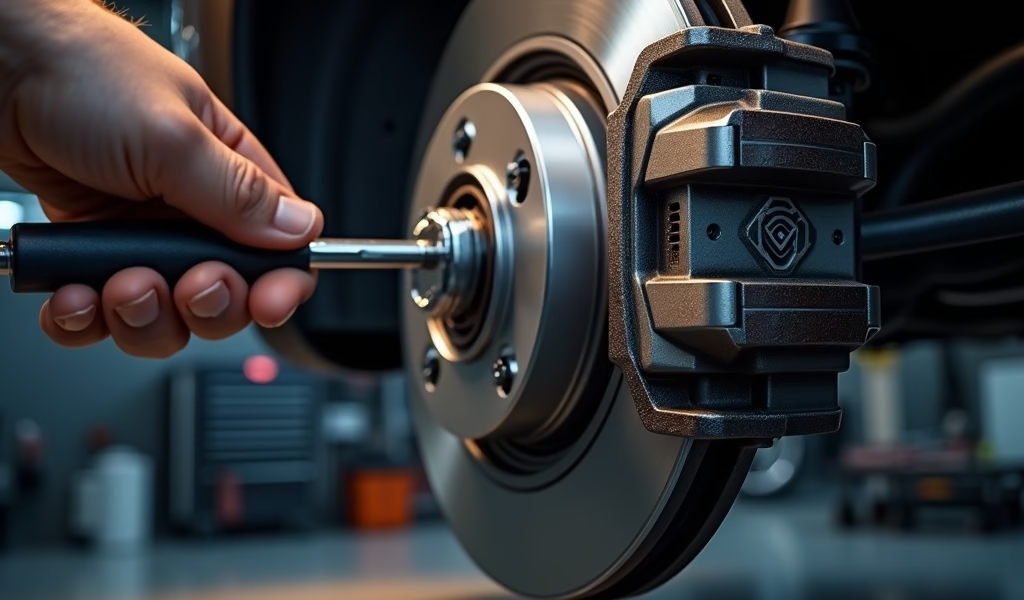
When you take your vehicle in for a professional brake service, we mechanics should be checking far more than just pad thickness. Here’s what should happen during a comprehensive professional brake inspection:
- Complete removal of all wheels for thorough access
- Measurement of brake pad thickness with precision tools
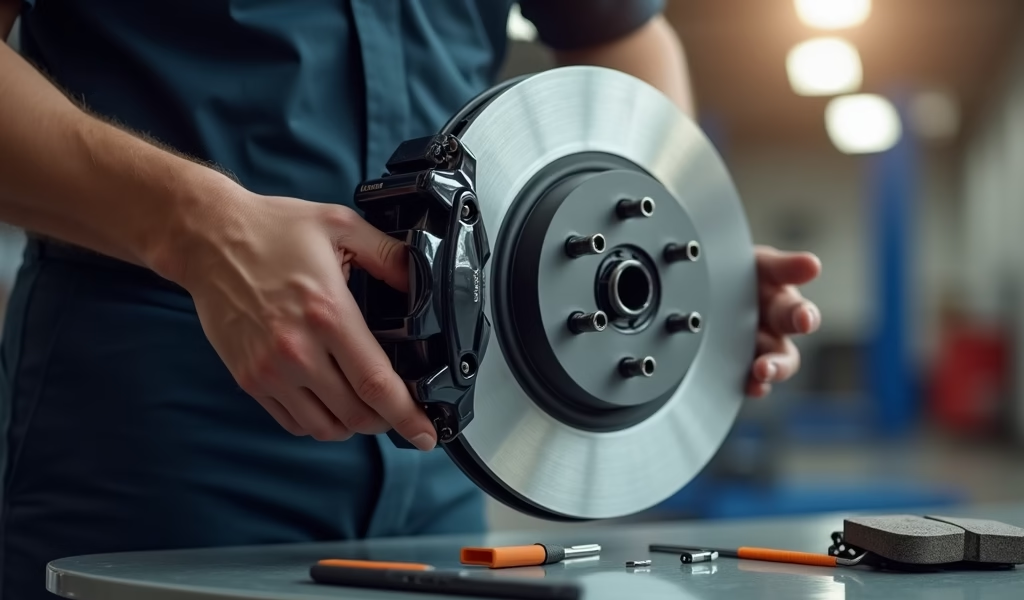
- Inspection of rotors for thickness, warping, cracking and scoring
- Caliper movement and seal condition assessment
- Brake line and hose examination for cracks or leaks
- Brake fluid level and condition testing
- Master cylinder and brake booster function check
- ABS system scan for error codes (on equipped vehicles)
- Road test to verify overall system performance
A quality inspection typically takes 30-45 minutes and should include a detailed explanation of findings. Be wary of quick 10-minute “free inspections” that might miss crucial issues or lead to upselling unnecessary services.
When discussing results with your mechanic, don’t hesitate to ask questions. Request to see worn components if replacements are recommended. A good mechanic will be happy to show you exactly what they’ve found and explain why service is needed.
According to research from the Car Care Council, about 13% of vehicles inspected at check lanes have brake issues. Don’t become part of that statistic – professional inspections provide peace of mind that DIY checks alone can’t match.
Cost Considerations: Investing in Safety
Let’s talk money – because I know brake work can sometimes seem expensive. But there’s a significant difference between cost and value when it comes to your braking system.
Preventative brake inspections typically cost between $30-$80 as a standalone service, though many shops include basic inspection with oil changes or other maintenance. This small investment can identify issues before they become serious problems.
The real savings come from catching wear before it cascades into more extensive damage. Replacing just brake pads might cost $150-$300 per axle. Wait until those pads wear through completely, and you’ll likely need new rotors too, potentially doubling your repair cost. Let it go even further, and caliper damage enters the equation, possibly pushing your bill north of $1,000.
Consider creating a small “brake fund” by setting aside about $10-15 monthly. This creates a ready reserve for maintenance and removes the financial sting when service is needed. Your future self will thank you for this preparation.
Remember that brake work isn’t the place to cut corners. Quality parts may cost more initially but typically offer longer service life and better performance. The premium you pay for ceramic pads over basic organic ones, for instance, is usually offset by their extended lifespan and reduced dust.
Brake Maintenance Tips to Extend Lifespan
Beyond regular inspections, these practical habits can significantly extend your brake system’s life:
- Practice smooth, anticipatory driving – look ahead and coast to stops when possible
- Avoid “riding” your brakes, especially on downhill stretches
- Use engine braking by downshifting on long descents
- Reduce excess weight in your vehicle – those extra 100 pounds in the trunk add up
- Flush brake fluid every 2-3 years to remove moisture and contaminants
- Address minor noises or changes in feel promptly before they worsen
- Follow the “bedding in” procedure when new brakes are installed
One often-overlooked maintenance item is brake fluid condition. Unlike oil, brake fluid doesn’t get “used up,” but it does absorb moisture over time. This moisture lowers the fluid’s boiling point and introduces corrosion into your system. Having your brake fluid tested and changed regularly is as important as the mechanical components.
Consider using quality brake components when replacements are needed. While premium pads and rotors cost more upfront, their improved durability and performance characteristics often deliver better value over time, as noted by Consumer Reports.
Conclusion: Why Your Brake Inspection Schedule Matters
Creating and following a consistent brake inspection schedule isn’t just about vehicle maintenance – it’s about protecting what matters most. Every time you press that brake pedal, you’re putting your trust in a system that needs regular attention to function properly.
The peace of mind that comes from knowing your vehicle will stop safely when needed is truly priceless. By following the inspection intervals we’ve discussed – adjusted for your specific driving conditions – you’re making a conscious choice to prioritize safety while also protecting your wallet from expensive emergency repairs.
Remember that brake issues rarely happen overnight. They develop gradually, giving you plenty of warning signs if you’re paying attention. Regular inspections catch these subtle changes before they become major problems.
Take action today: Mark your calendar for your next brake inspection based on when your last one occurred. If you can’t remember the last inspection, that’s a clear sign it’s time to schedule one now. Your safety on the road depends on these small but significant preventative steps.
Frequently Asked Questions
How often should I have my brakes inspected?
Most vehicles benefit from brake inspections every 6 months or 6,000 miles, whichever comes first. This interval should be shortened for vehicles used in severe conditions or with aggressive driving styles.
What’s the difference between a brake inspection and brake service?
A brake inspection is an assessment of your brake system’s condition without performing repairs. Brake service includes actual maintenance work like replacing pads, resurfacing rotors, or replacing components based on inspection findings.
Can I just check my brakes myself instead of paying for inspections?
While DIY visual checks are valuable between professional inspections, they can’t replace a comprehensive professional assessment. Home inspections lack the precision measurements and complete system evaluation that professionals provide.
How much does a typical brake inspection cost?
Standalone brake inspections typically cost $30-$80, though many shops offer free inspections with other services. The small cost of inspection is minimal compared to the potential savings from preventing major brake system damage.
Is it normal for brakes to make some noise occasionally?
Occasional minor noise, particularly in wet or cold conditions, can be normal. However, persistent squealing, grinding, or any change in brake sound patterns warrants inspection as these typically indicate developing issues.