

Overview
Just like your arteries would hate a cheeseburger blockage, your car despises neglected hoses that can fail and leave you stranded on the roadside. This article provides five essential tips for determining optimal vehicle hose replacement timelines, including following manufacturer recommendations, considering driving conditions, implementing regular inspections, choosing quality replacement parts, and adopting a preventative replacement strategy.
Table of Contents
- Understanding Vehicle Hoses: The Lifeblood of Your Car
- Signs of Hose Deterioration: Know When It’s Time
- Tip 1: Follow Manufacturer Recommendations for Optimal Replacement Intervals
- Tip 2: Consider Your Driving Conditions and Habits
- Tip 3: Implement Regular Inspection Routines
- Tip 4: Quality Matters – Choosing the Right Replacement Hoses
- Tip 5: Preventative Replacement Strategy
- Conclusion: Stay Ahead of Hose Failures
- Frequently Asked Questions
Understanding Vehicle Hoses: The Lifeblood of Your Car
The hose replacement timeline is something most drivers overlook until it’s too late. As a mechanic with over 15 years under the hood, I’ve seen countless roadside breakdowns that could have been prevented with proper hose maintenance. These rubber lifelines carry everything from coolant and fuel to brake fluid and power steering fluid throughout your vehicle’s systems.
Think of your car’s hoses like the arteries in your body – when they fail, critical systems shut down fast. Most vehicles contain between 10 and 15 major hoses, all working silently until something goes wrong. Understanding when to replace these components isn’t just about avoiding inconvenient breakdowns; it’s about preserving your engine’s health and your safety on the road.
Today, I’ll share five proven tips to help you determine the optimal hose replacement timeline for your specific vehicle. Whether you’re a seasoned DIY enthusiast or someone who just wants to learn car maintenance for beginners, these guidelines will help you develop a proactive approach to hose maintenance.
Signs of Hose Deterioration: Know When It’s Time
Before diving into our replacement timeline tips, let’s understand what a failing hose looks like. Recognizing these warning signs early can save you from being stranded on the roadside with an overheated engine or worse.
The most common indicators of hose deterioration include:
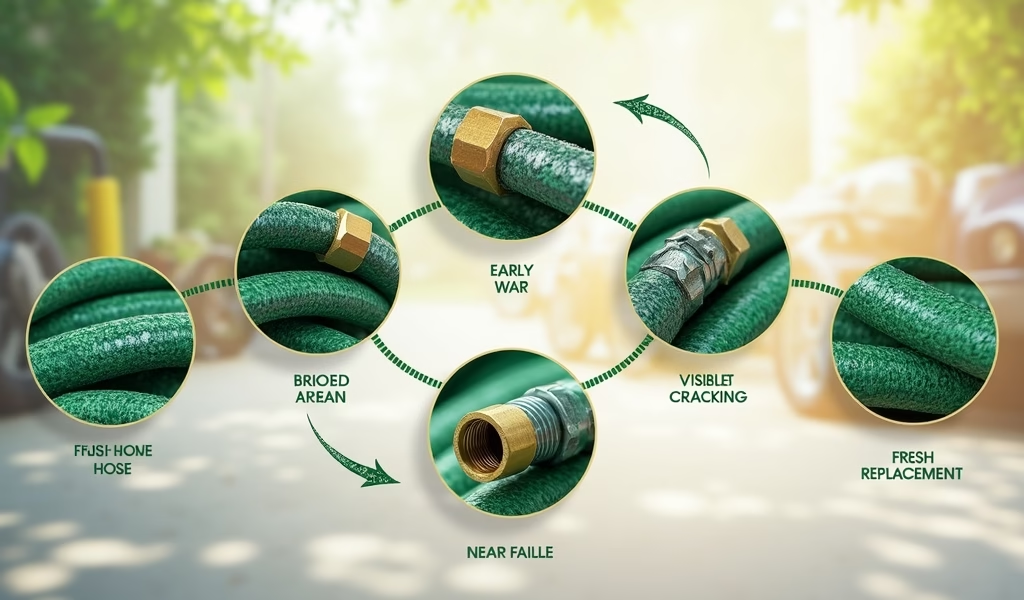
- Visible cracks, bulges, or hardening of the rubber
- Soft, spongy areas that feel mushy when squeezed
- Leaks or seepage around connection points
- Collapsed sections in vacuum hoses
- A crunchy feeling when you squeeze the hose (a sign of internal fiber breakdown)
One often-missed sign is oil contamination. When engine oil seeps onto hoses, it can accelerate deterioration. This is particularly common with hoses near the valve cover or oil filter. The rubber compounds break down when exposed to oil, shortening the hose’s lifespan significantly.
Temperature extremes also play a major role in hose longevity. According to research by Gates Corporation, one of the leading hose manufacturers, coolant hoses experience the most stress during the heating and cooling cycles of your engine. These thermal cycles weaken the rubber compounds over time, making regular inspection crucial.
Tip 1: Follow Manufacturer Recommendations for Optimal Replacement Intervals
The most reliable place to start with your hose replacement timeline is your vehicle’s owner’s manual. Manufacturers conduct extensive testing to determine optimal replacement intervals for all components, including hoses. These recommendations are typically conservative but provide a solid baseline.
Most manufacturers suggest replacing coolant hoses every 4-5 years or 60,000 miles, whichever comes first. Fuel lines often have a longer service interval, while vacuum hoses might need more frequent attention. However, these are general guidelines – your specific vehicle model might have different recommendations.
If you’ve misplaced your owner’s manual, don’t worry. Most manufacturers now provide digital versions online. Simply search for your vehicle’s make, model, and year followed by “owner’s manual PDF.” Alternatively, dealer service departments can provide you with maintenance schedules specific to your vehicle.
Remember that these recommendations assume “normal” driving conditions. If you frequently drive in extreme heat, cold, or dusty environments, you’ll likely need to adjust these intervals. This brings us to our second tip.
Tip 2: Consider Your Driving Conditions and Habits
Your driving environment and habits dramatically impact your hose replacement timeline. What works for a car in mild Seattle weather won’t suffice for one battling Phoenix summers or Alaska winters. Understanding how your specific conditions affect hose longevity helps you create a more personalized maintenance schedule.
Extreme heat accelerates the breakdown of rubber compounds in hoses. If you live in areas where temperatures regularly exceed 90°F, you might need to replace hoses every 3-4 years instead of the standard 4-5. The constant expansion and contraction from heat cycling weakens the material faster than in temperate climates.
Similarly, extremely cold environments pose their own challenges. Rubber becomes less flexible in cold temperatures, making hoses more susceptible to cracking when the engine heats up. For drivers in northern climates, inspecting hoses before winter and after is a smart practice to incorporate into your essential car maintenance tips routine.
Your driving habits matter too. Short trips where the engine doesn’t fully warm up put additional stress on cooling system hoses. The incomplete heating cycle creates condensation that can deteriorate hoses from the inside. If most of your driving consists of quick errands under 15 minutes, consider a more aggressive replacement schedule.
Heavy towing or hauling loads also accelerates hose wear. The increased pressure and heat generated when your engine works harder puts additional stress on all fluid-carrying components. If you regularly tow trailers or carry heavy loads, inspecting hoses every 6 months rather than annually makes good sense.
Tip 3: Implement Regular Inspection Routines
No fixed hose replacement timeline can substitute for regular hands-on inspections. Developing a simple routine check can catch problems before they leave you stranded. I recommend inspecting all visible hoses at least quarterly, with a more thorough check during oil changes.
Here’s a simple inspection process anyone can follow:
- Perform visual inspections with the engine cool (safety first!)
- Gently squeeze hoses to check for consistency – they should feel firm but slightly pliable
- Look for any fluid residue or seepage around connection points
- Pay special attention to bends and areas near hot components
- Check for any rubbing against other engine components
The “squeeze test” is particularly revealing. A good hose will feel firm yet pliable. If you notice sections that feel mushy, extremely hard, or crunchy, that’s a warning sign. Similarly, any hose that feels spongy at connection points needs attention soon.
Don’t forget to check less obvious hoses too. While radiator and heater hoses are easiest to inspect, smaller vacuum lines, PCV hoses, and fuel vapor hoses are equally important. These smaller diameter hoses often deteriorate faster due to their thinner walls.
For a truly thorough inspection, consider using a flashlight and small mirror to check hoses tucked underneath the intake manifold or behind accessories. These hard-to-see areas often hide developing problems. Learning how to maintain your car properly means checking even the components that aren’t immediately visible.
The Car Care Council recommends inspecting all hoses at least twice a year – once before summer and again before winter. These seasonal changes represent the most stress on your vehicle’s cooling and heating systems.
Tip 4: Quality Matters – Choosing the Right Replacement Hoses
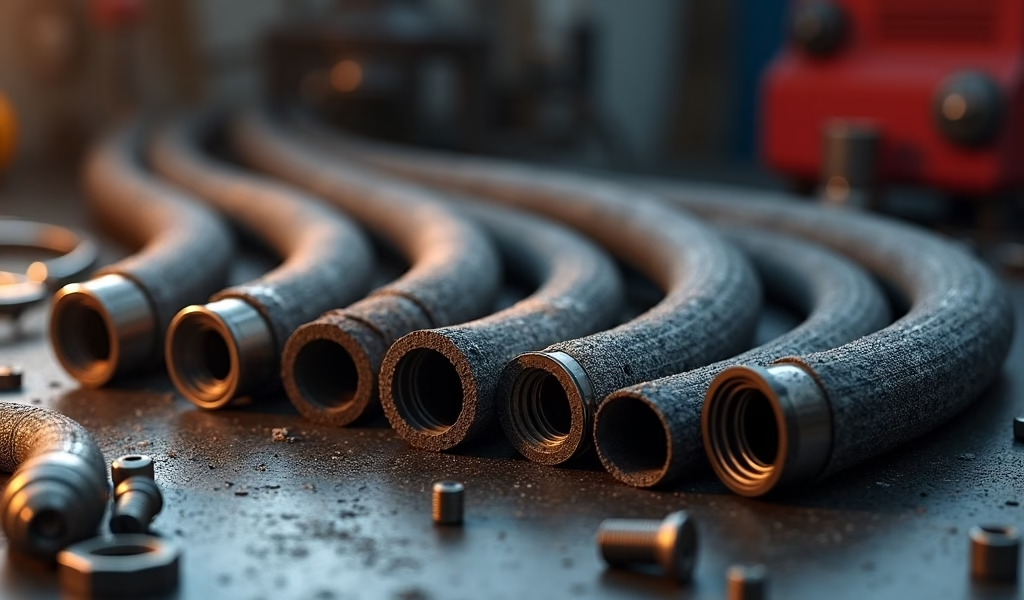
When it comes time to replace hoses, quality dramatically affects longevity. I’ve seen bargain-bin hoses fail within months while premium options continue performing after years of service. Your hose replacement timeline isn’t just about when to replace – it’s also about what to replace with.
Original Equipment Manufacturer (OEM) hoses typically provide the best balance of quality and longevity. These are the same components that came with your vehicle and are designed specifically for your make and model. While they may cost more initially, they often deliver better value over time.
If you opt for aftermarket alternatives, look for trusted names like Gates, Dayco, or Continental. These manufacturers often meet or exceed OEM specifications and sometimes offer enhanced formulations for extreme conditions. Some even provide longer warranties than OEM parts.
Silicone hoses represent a premium option worth considering for performance vehicles or those in extreme environments. They resist heat degradation better than standard EPDM rubber hoses and typically last significantly longer. The initial investment is higher, but their extended lifespan can actually reduce your overall maintenance costs.
When replacing hoses, always replace the clamps as well. Even the best hose won’t perform properly with worn, corroded, or improperly sized clamps. Constant-tension clamps provide the most reliable seal as they automatically adjust to the hose as it expands and contracts with temperature changes.
According to the Society of Automotive Engineers (SAE), proper hose material selection can extend service life by 20-40% under identical operating conditions. This makes the initial investment in quality components an excellent long-term value proposition.
Tip 5: Preventative Replacement Strategy
My final and perhaps most valuable tip regarding hose replacement timeline is embracing preventative replacement. This strategy involves replacing hoses before they fail, even if they haven’t yet shown obvious signs of deterioration.
The reasoning is simple but compelling: the cost and inconvenience of replacing hoses during scheduled maintenance is minimal compared to emergency roadside repairs. Factor in potential collateral damage from a burst hose (like overheating damage to your engine), and preventative replacement becomes even more attractive.
For most vehicles, I recommend a comprehensive hose replacement every 5 years or 60,000 miles, regardless of visible condition. This interval strikes a good balance between cost and protection. Some specific hoses may need more frequent attention based on their position and function.
Consider implementing a staggered replacement approach if budget is a concern. Replace the most critical and hardest-working hoses (like the upper and lower radiator hoses) at the 4-year mark, then address secondary hoses (heater hoses, smaller coolant hoses) at 5 years. This spreads out the cost while still providing protection against catastrophic failures.
Keep detailed maintenance records of when each hose was last replaced. A simple spreadsheet or even a notebook in your glove compartment works well. Note the date, mileage, and specific hoses replaced. This documentation helps you stay on top of your hose replacement timeline and provides valuable information for future owners if you sell the vehicle.
When replacing multiple hoses, consider doing a complete fluid flush as well. Fresh coolant or power steering fluid provides better protection for your new hoses and ensures optimal system performance. The small additional cost delivers significant benefits in component longevity.
Conclusion: Stay Ahead of Hose Failures
Following a proper hose replacement timeline isn’t just about avoiding breakdowns – it’s about peace of mind and protecting your investment. These rubber components may seem insignificant compared to more complex vehicle systems, but their failure can lead to some of the most expensive and inconvenient repairs.
By following manufacturer recommendations, considering your specific driving conditions, implementing regular inspections, choosing quality replacements, and embracing preventative maintenance, you’ll drastically reduce your chances of hose-related breakdowns. These five proven tips form the foundation of a solid maintenance strategy that will serve you well throughout your vehicle’s life.
Remember that hoses are part of interconnected systems in your vehicle. Taking care of them properly contributes to the overall health and longevity of your car. A small investment of time and attention now prevents major headaches down the road.
The next time you open your hood, take a few moments to check those hoses. Your future self will thank you when you’re not waiting for a tow truck on the side of the road on a sweltering summer day or frigid winter night!
Frequently Asked Questions
How often should coolant hoses be replaced?
Most manufacturers recommend replacing coolant hoses every 4-5 years or 60,000 miles, whichever comes first. This interval may need to be shortened in extreme climates or driving conditions.
Can I replace car hoses myself or should I visit a mechanic?
Basic hose replacement is within the capability of most DIY mechanics with proper tools and safety precautions. However, some hoses in modern vehicles can be difficult to access, making professional installation more practical.
What’s the average cost to replace all hoses in a car?
Complete hose replacement typically costs between $150-$450 depending on your vehicle make, model, and whether you choose OEM or aftermarket parts. Labor represents about 60% of this cost at most shops.
How can I extend the life of my car’s hoses?
Maintain proper fluid levels and chemistry, avoid prolonged exposure to extreme temperatures when possible, and address any fluid leaks promptly. Regular coolant flushes also help remove contaminants that can degrade hoses from the inside.
What happens if a hose fails while driving?
Sudden hose failure typically causes immediate loss of the fluid it carries, often resulting in warning lights, performance issues, or complete system failure. In the case of coolant hoses, continuing to drive can cause rapid overheating and potential engine damage.