

Overview
Turns out your car is basically a hypochondriac with four different filters—oil, air, fuel, and cabin—all desperately needing regular replacement to avoid costly breakdowns and poor performance. This detailed guide from a master technician covers the critical importance of filter maintenance, explaining how each filter works, when to replace them, and how proper filter care can improve engine longevity, fuel efficiency, and air quality while potentially saving hundreds in repair costs.
Table of Contents
- Understanding Your Vehicle’s Filtration System
- The Critical Importance of Regular Filter Replacement
- 5 Proven Tips for Maintaining Engine Health Through Filter Replacement
- Decoding Your Oil Filter: When and Why to Replace It
- Air Filter Maintenance: Breathing Life Into Your Engine
- Fuel Filter Fundamentals: Protecting Your Fuel System
- Don’t Forget the Cabin Filter: Breathe Cleaner Air While Driving
- DIY vs. Professional Filter Replacement: Making the Right Choice
- Conclusion: Implementing Your Filter Maintenance Strategy
- Frequently Asked Questions
Regular filter replacement is one of the most overlooked yet crucial aspects of vehicle maintenance. As a master technician with over 15 years in the field, I’ve seen firsthand how a proper filter replacement schedule can dramatically extend engine life and improve vehicle performance. In fact, according to a study by the Car Care Council, replacing clogged filters can improve fuel efficiency by up to 10%, potentially saving you hundreds of dollars annually at the pump. Let’s dive into the essential knowledge you need to keep your vehicle’s filtration system in peak condition.
Understanding Your Vehicle’s Filtration System
Think of your car’s filters as its immune system. Just like our bodies need protection from harmful elements, your vehicle relies on several filters to keep contaminants away from critical components. The four main filters in most vehicles include the oil filter, air filter, fuel filter, and cabin air filter.
Each filter serves a unique purpose in maintaining your vehicle’s health. The oil filter removes metal particles and debris from your engine oil, preventing premature wear on engine components. Your air filter blocks dust, dirt, and other airborne particles from entering the engine, ensuring proper combustion and performance. The fuel filter protects your fuel injectors from contaminants, while the cabin filter keeps the air inside your vehicle clean and breathable.
Understanding the basic maintenance requirements for these filters isn’t just for enthusiasts – it’s essential knowledge for every vehicle owner who wants to avoid costly repairs down the road.
The Critical Importance of Regular Filter Replacement
Why should you care about maintaining a proper filter replacement schedule? The consequences of neglect can be severe and expensive.
A clogged oil filter can’t properly screen contaminants, allowing harmful particles to circulate through your engine and accelerate wear. According to AAA’s automotive experts, this can reduce engine life by up to 25% and lead to catastrophic failure in severe cases.
A dirty air filter restricts airflow to the engine, throwing off the air-fuel ratio. This not only reduces performance but can decrease fuel economy by up to 10%, according to EPA estimates. I’ve seen vehicles come into my shop with air filters so clogged that they were causing the engine to run rich, wasting fuel and creating excessive emissions.
Clogged fuel filters starve the engine of needed fuel, causing hesitation, stalling, and in some cases, fuel pump failure – a repair that often costs $500-1,000. Meanwhile, neglected cabin filters allow pollen, dust, and road grime into your vehicle’s interior, aggravating allergies and reducing air quality.
5 Proven Tips for Maintaining Engine Health Through Filter Replacement
Based on my years in the service bay, here are five field-tested strategies to optimize your filter replacement schedule and keep your engine running smoothly:
1. Follow Manufacturer Recommendations, But Consider Your Driving Conditions
Your owner’s manual provides baseline recommendations for filter replacement intervals, but these are often based on “ideal” driving conditions. If you frequently drive in dusty areas, heavy traffic, or extreme temperatures, you’ll need to replace filters more frequently. As a rule of thumb, consider reducing intervals by 25-30% if you face these challenging conditions regularly.
In my experience working with fleet vehicles, those operating in dusty construction sites needed air filter replacements almost twice as frequently as those driving primarily on highways. Your specific driving environment matters tremendously.
2. Adopt a Comprehensive Inspection Schedule
Develop the habit of visually inspecting your air filter every 3,000-5,000 miles. For most filters, the replacement need is visually obvious – excessive dirt accumulation, discoloration, or damage are clear indicators. Oil filters should be changed with every oil change service, while fuel and cabin filters typically have longer intervals but should still be inspected regularly.
Many shops offer free filter inspections during routine maintenance visits. Take advantage of these to catch potential issues early.
3. Use Quality Replacement Filters
Not all filters are created equal. While it might be tempting to save a few dollars on budget filters, investing in high-quality OEM or premium aftermarket options typically pays dividends in protection and longevity. In my professional experience, premium filters often have superior filtration media, better construction, and improved flow characteristics.
A study by the Society of Automotive Engineers found that some economy filters had filtration efficiency as much as 30% lower than premium options. When it comes to protecting a multi-thousand dollar engine, the extra $5-10 for a quality filter is money well spent.
4. Synchronize Your Filter Replacements
While each filter has its own optimal replacement schedule, there’s value in coordinating some replacements to streamline maintenance. For example, many professional technicians recommend replacing the cabin air filter during spring, just before allergy season kicks into high gear. Similarly, consider checking your air filter when doing an oil change, as both maintenance tasks focus on engine health.
Creating a synchronized maintenance calendar helps ensure nothing falls through the cracks in your vehicle care routine.
5. Keep Detailed Maintenance Records
One of the most valuable habits you can develop is maintaining thorough service records. Note the date, mileage, and type of filters replaced. This creates a maintenance history that helps you identify patterns specific to your vehicle and driving habits.
I recommend using a digital maintenance app or even a simple notebook kept in your glove compartment. These records become invaluable if you sell your vehicle, as they demonstrate your commitment to proper maintenance, potentially increasing resale value.
Decoding Your Oil Filter: When and Why to Replace It
Your oil filter is arguably the most critical filter in your vehicle, responsible for keeping your engine’s lifeblood clean. Modern engines operate with incredibly tight tolerances, sometimes measured in microns, making clean oil absolutely essential for longevity.
The general rule of thumb is to replace your oil filter with every oil change. Even if you’re using synthetic oil with extended change intervals (10,000+ miles), I strongly recommend not extending oil filter life beyond this point. The filter’s media can become saturated with contaminants and lose efficiency, even if the oil itself still has life left.
A quality oil filter typically costs between $5-15, making it one of the most cost-effective forms of engine protection available. Some premium filters with synthetic media can provide enhanced filtration, which is particularly beneficial for turbocharged or high-performance engines that put additional stress on oil.
One often overlooked aspect of oil filter maintenance is proper installation. Always follow manufacturer torque specifications (typically hand-tight plus a quarter turn for spin-on filters), and ensure the gasket from the old filter doesn’t remain stuck to the engine block. I’ve seen numerous cases where double-gasketing caused severe oil leaks and engine damage.
Air Filter Maintenance: Breathing Life Into Your Engine
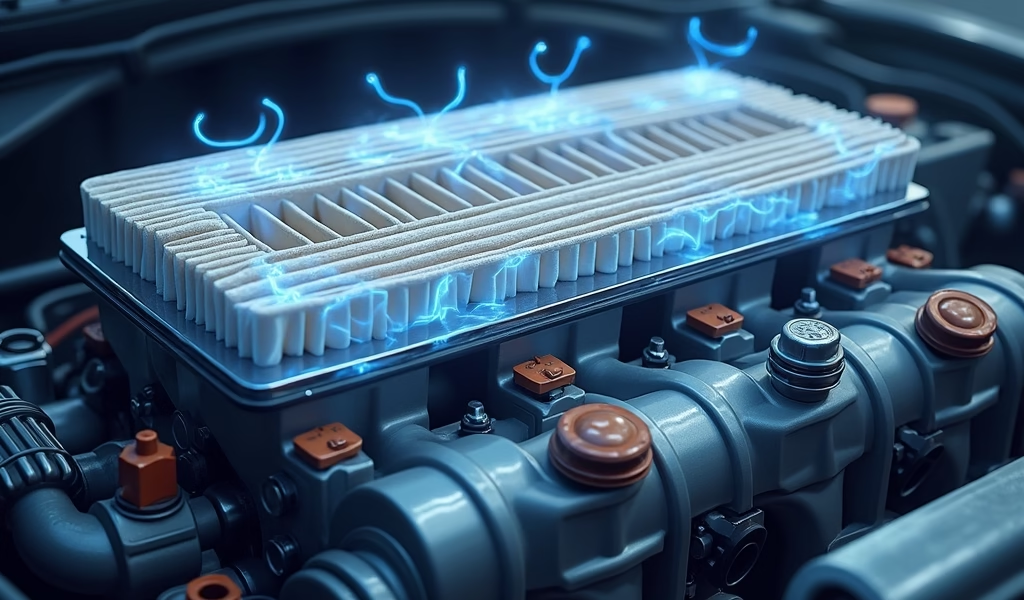
Your engine consumes approximately 10,000 gallons of air for every gallon of fuel it burns. The air filter is responsible for ensuring all that air is clean before it enters the combustion chamber. Without proper filtration, airborne particles act like sandpaper on internal engine components.
Most manufacturers recommend replacing the air filter every 15,000-30,000 miles, but this interval can vary dramatically based on driving conditions. If you frequently drive on unpaved roads or in areas with poor air quality, more frequent replacement is necessary.
A simple visual inspection can often tell you when replacement is needed. Hold your air filter up to a bright light – if light passes through readily, it’s still serviceable. If light transmission is significantly blocked, it’s time for a replacement. The color is also telling; a new filter is typically white or off-white, while one needing replacement will be gray or black.
Some enthusiasts advocate for cleaning and reusing standard air filters, but in my professional experience, this rarely restores them to like-new efficiency. High-performance washable filters are an exception, though they require careful maintenance to function properly.
An EPA study found that replacing a clogged air filter can improve acceleration time by up to 11% in older carbureted engines. While the effect is less dramatic in modern fuel-injected vehicles, clean air filters still contribute significantly to optimal performance and fuel economy.
Fuel Filter Fundamentals: Protecting Your Fuel System
Modern fuel systems operate under high pressure with precisely engineered injectors featuring incredibly small orifices. Even microscopic contaminants can cause injector damage or clogging, making your fuel filter a critical line of defense.
Replacement intervals for fuel filters vary significantly by manufacturer. Many older vehicles required replacement every 30,000 miles, while some newer models have extended this to 60,000 miles or more. Some manufacturers have even integrated the fuel filter into the fuel pump assembly inside the tank, advertising it as a “lifetime” component – though in my experience, “lifetime” often means the lifetime of the warranty, not the vehicle.
Warning signs of a clogged fuel filter include engine hesitation, especially under load, difficulty starting, and decreased power at higher speeds. If you experience these symptoms, don’t delay replacement, as a severely restricted fuel filter can damage your fuel pump by forcing it to work harder than designed.
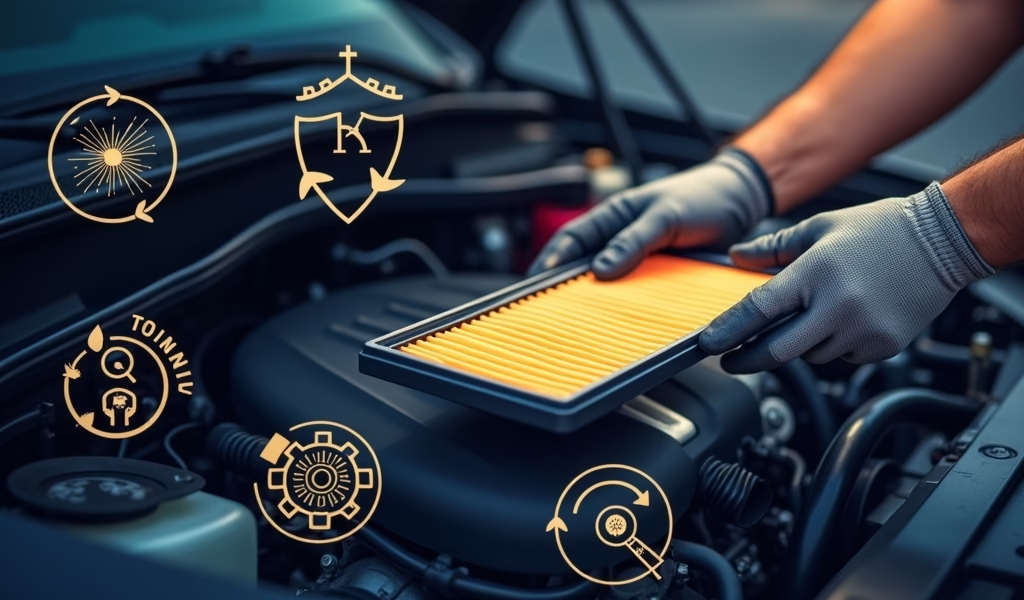
For vehicles with easily accessible fuel filters, replacement is often a straightforward DIY job. However, many modern vehicles require special tools to safely relieve fuel system pressure before filter replacement. If you’re not comfortable working with pressurized fuel systems, this is one maintenance task best left to professionals.
One of the best ways to extend fuel filter life is to buy quality fuel from reputable stations. Discount gas stations may save you pennies per gallon, but sometimes at the cost of less rigorous filtration and quality control, potentially introducing more contaminants into your fuel system.
Don’t Forget the Cabin Filter: Breathe Cleaner Air While Driving
While not directly related to engine performance, the cabin air filter significantly impacts your comfort and health while driving. This often-overlooked filter cleans the air entering your vehicle’s HVAC system, removing pollen, dust, exhaust particles, and other airborne contaminants.
Most manufacturers recommend replacing the cabin filter every 15,000-30,000 miles, but as with other filters, your environment plays a crucial role. If you drive in areas with poor air quality or during high pollen seasons, more frequent replacement provides noticeable benefits.
Signs that your cabin filter needs replacement include reduced airflow from vents, unusual odors when using the climate control system, and increased fogging of windows. For allergy sufferers, maintaining a clean cabin filter can make a remarkable difference in comfort during daily commutes.
Replacing a cabin filter is one of the easier maintenance tasks on most vehicles. Typically located behind the glove box or under the dashboard, replacement usually requires no tools and takes just a few minutes. The filter itself generally costs between $15-25, making this an economical way to improve your driving environment.
For those living in areas with significant air quality concerns, consider upgrading to a cabin filter with activated carbon, which provides additional filtering of odors and gaseous pollutants. These essential maintenance upgrades can significantly improve your in-car air quality.
DIY vs. Professional Filter Replacement: Making the Right Choice
When it comes to filter maintenance, some tasks are well-suited for DIY enthusiasts while others might be better left to professionals. Here’s a practical breakdown:
DIY-Friendly Filter Replacements:
- Air filters: Typically located in an easily accessible airbox, requiring no special tools
- Cabin air filters: Usually located behind the glove box with straightforward access
- Oil filters: Manageable for those comfortable with basic maintenance, though proper disposal of used oil is necessary
Professional Recommended Replacements:
- Fuel filters: Often require special tools to safely relieve fuel pressure and prevent leaks
- Transmission filters: Typically involve partial transmission fluid draining and complex disassembly
- Oil filters on certain vehicles with difficult access or special requirements
If you decide to handle filter replacements yourself, invest in a quality service manual specific to your vehicle. Factory service manuals provide the most accurate information, but alternatives like Haynes or Chilton manuals offer good guidance at a lower price point.
Remember that proper disposal of used filters is an environmental responsibility. Many auto parts stores will accept used oil and oil filters for recycling. Never dispose of these items in regular household trash due to their environmental impact.
Even if you prefer professional service for most maintenance, learning to inspect your filters between service appointments can help you catch issues early. This knowledge empowers you to make informed decisions when discussing maintenance with your mechanic.
Ready to take control of your vehicle maintenance? Subscribe to our blog for regular tips and advice from ASE-certified technicians. Just enter your email below to join our community of savvy car owners!
Conclusion: Implementing Your Filter Maintenance Strategy
Establishing a proper filter replacement schedule isn’t just about following recommendations – it’s about developing a maintenance mindset that protects your vehicle investment. By understanding the crucial role each filter plays and recognizing the signs of needed replacement, you’re taking a proactive approach to vehicle care that will pay dividends in reliability, performance, and resale value.
Remember that your vehicle’s needs are unique, influenced by your driving patterns, environment, and the specific engineering of your car. Use manufacturer recommendations as a starting point, but be willing to adjust based on real-world conditions and performance.
The modest cost of regular filter replacement pales in comparison to the expense of repairs that can result from neglect. A $15 air filter replaced on schedule might save you from a $5,000 engine rebuild down the road. That’s not just smart maintenance – it’s smart economics.
Whether you choose to handle filter replacements yourself or work with a trusted mechanic, the important thing is making these essential maintenance tasks a priority in your vehicle care routine. Your engine will thank you with years of reliable service and optimal performance.
Need professional assistance with your filter replacement schedule? Our ASE-certified technicians are ready to help! Book an appointment today and ensure your vehicle gets the expert care it deserves.
Frequently Asked Questions
How often should I replace my engine air filter?
Most manufacturers recommend replacing your engine air filter every 15,000-30,000 miles. However, this interval should be reduced if you drive in dusty conditions or areas with poor air quality.
Can a dirty air filter affect fuel economy?
Yes, a clogged air filter can reduce fuel efficiency by up to 10% according to EPA studies. This happens because your engine can’t breathe properly, disrupting the optimal air-fuel mixture.
Is it worth paying more for premium filters?
In most cases, yes. Premium filters typically offer better filtration efficiency, improved flow characteristics, and longer service life. The extra cost is usually justified by better engine protection.
What happens if I don’t change my oil filter regularly?
A clogged oil filter can restrict oil flow, leading to inadequate lubrication and accelerated engine wear. In extreme cases, the bypass valve will open, allowing unfiltered oil into your engine.
Can I clean and reuse my air filter instead of replacing it?
Standard paper air filters aren’t designed to be cleaned and reused effectively. Special high-performance washable filters exist, but they require proper cleaning procedures to maintain efficiency.