
Overview
Like finding a 10mm socket in a messy garage, this article tackles the elusive art of organizing both your car maintenance tools and paper maps in one place. The piece explores seven specialized organizers (from rolling cabinets to visor pockets), DIY alternatives, and maintenance tips to keep your tools accessible and documents grease-free for efficient car repairs and roadside emergencies.
Table of Contents
- Introduction
- The Importance of Tool and Document Organization
- Key Features to Look for in Car Maintenance Organizers
- 7 Best Car Maintenance Tool Organizers for Paper Map Storage
- DIY Solutions for Tool and Paper Map Storage
- Maintenance Tips for Your Tool Organizers
- Conclusion
- Frequently Asked Questions
Introduction
Ever been in the middle of changing your oil when you suddenly need to check that service manual? Or found yourself on a back road with a flat tire, frantically searching for the paper map you’re sure is “somewhere” in your vehicle? If so, you’re not alone. As a mechanic who’s spent decades under car hoods, I can tell you that proper tool organization isn’t just satisfying—it’s essential for efficient repairs and roadside emergencies.
While digital navigation has become commonplace, paper maps and service manuals still have their place in the automotive world. They never run out of battery, work in areas with no cell service, and sometimes contain details that online resources miss. But storing these paper items alongside greasy tools presents a unique challenge.
This guide will explore the best paper map storage solutions that also accommodate your essential car maintenance tools. Whether you’re a weekend DIYer or someone who likes to be prepared for emergencies, you’ll find options that keep both your tools and important documents clean, accessible, and ready when you need them most.
The Importance of Tool and Document Organization
If you’ve ever spent 20 minutes hunting for a 10mm socket (the automotive equivalent of missing socks in the dryer), you understand the frustration of disorganization. When working on your vehicle, time wasted searching for tools isn’t just annoying—it can transform a 30-minute oil change into a hour-long ordeal.
Poor organization leads to three major problems:
- Wasted time searching for tools and documents
- Increased frustration that can lead to rushed work and mistakes
- Damaged or lost paper materials like maps, manuals, and maintenance records
The challenge becomes particularly tricky with paper items. Service manuals get stained with grease, maps tear when stuffed haphazardly into glove compartments, and maintenance records disappear when you need them for warranty claims. A J.D. Power study shows that proper maintenance can extend vehicle life by up to 50%—but only if you can find your tools and documentation when needed.
One customer put it perfectly: “I used to waste half my Saturday hunting down tools scattered around my garage. Now with everything organized, I can focus on the actual work and finish projects in half the time.”
Key Features to Look for in Car Maintenance Organizers
Before diving into specific products, let’s examine what separates an excellent tool organizer from one that’ll end up collecting dust in the corner of your garage.
Durability and Construction
Look for materials that can withstand the harsh environment of a garage or roadside emergency. Heavy-duty plastic, powder-coated metal, or ballistic nylon fabric stands up to drops, spills, and temperature fluctuations. Reinforced corners and quality zippers might cost more upfront but pay dividends in longevity.
Space Efficiency
Unless you have a warehouse-sized garage, compact storage matters. The best organizers maximize internal capacity while minimizing their footprint. Modular systems that allow for expansion as your tool collection grows are particularly valuable for the dedicated DIYer.
Paper Protection Features
For effective paper map storage, look for:
- Water-resistant or waterproof compartments
- Clear pockets that allow viewing without removal
- Acid-free materials that won’t yellow important documents
- Dividers that prevent papers from folding or creasing
Portability Considerations
Will your organizer live in your garage or travel in your vehicle? Weight, handle comfort, and secure closures become critical factors for portable solutions. For trunk storage, compact designs that won’t slide around during driving are ideal.
With these criteria in mind, let’s explore the seven best options for storing both your tools and paper materials.
7 Best Car Maintenance Tool Organizers for Paper Map Storage
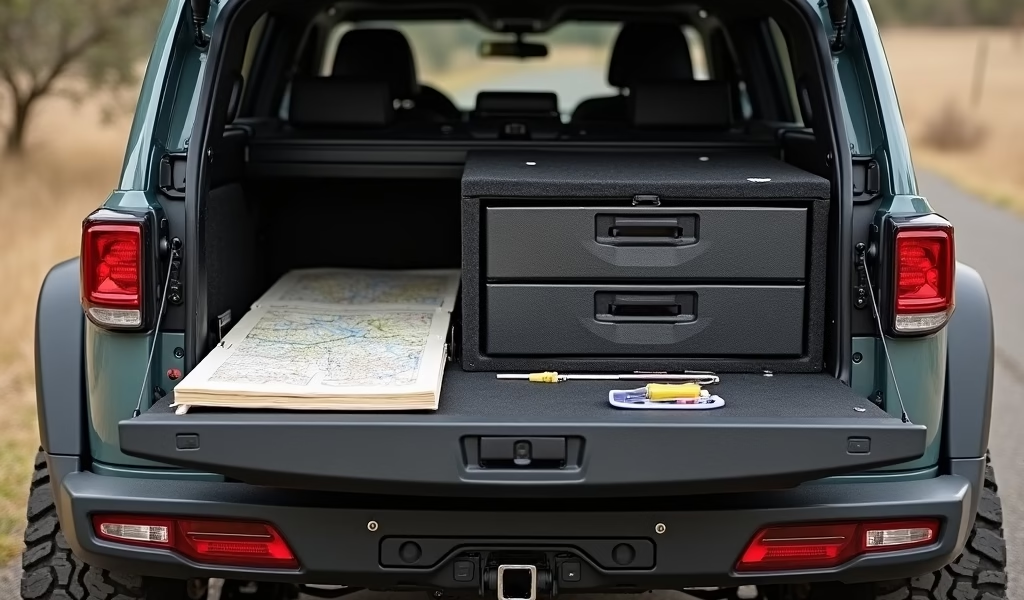
1. Rolling Tool Cabinet with Document Drawer
These wheeled cabinets represent the gold standard for serious DIYers. Standing about 2 feet tall, they feature multiple drawers of varying depths and a top compartment that opens like a traditional toolbox.
The document drawer typically includes moisture protection and dividers—perfect for storing maps, service histories, and instruction manuals. Premium models feature a clipboard attachment for consulting documents while working.
Pros:
- Wheels make movement easy even when loaded with heavy tools
- Lockable drawers keep valuable tools secure
- Dedicated paper storage protects documents from damage
- Professional appearance and organization
Cons:
- Occupies significant trunk space
- Higher-end models can be expensive
- May be excessive for basic maintenance needs
Best for: Serious DIYers who frequently work on their vehicles in different locations and need comprehensive tool and document access.
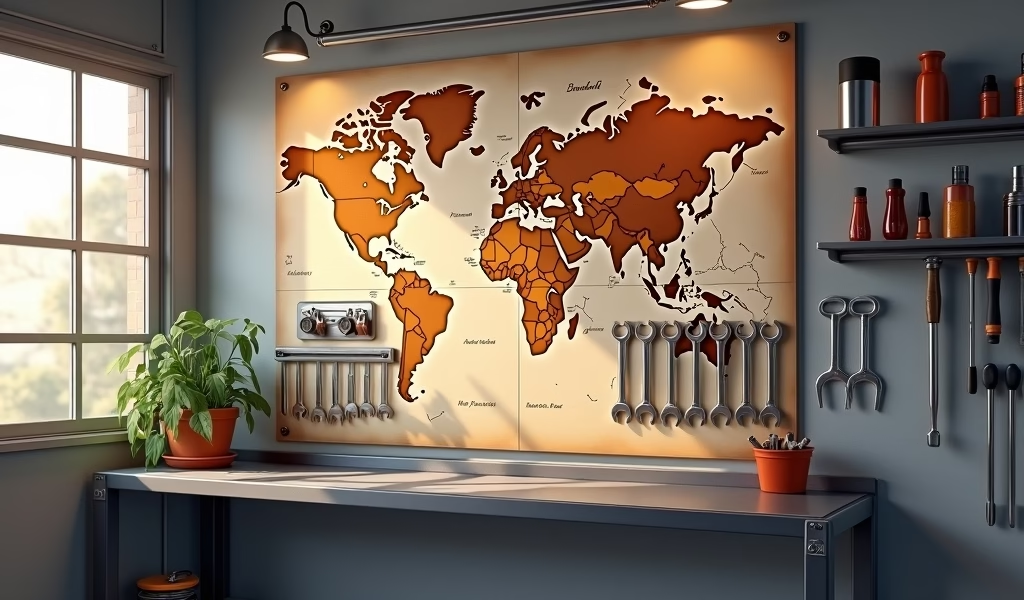
2. Wall-Mounted Garage Organization System
Wall systems transform garage walls into maintenance command centers with a combination of shelving, hooks, bins, and specialized tool holders. The best systems include clear document holders or filing compartments that protect papers while keeping them visible.
Pros:
- Maximizes floor space in cramped garages
- Provides complete visual inventory of all tools
- Customizable configurations adapt to your specific needs
- Segregates clean paper storage from dirty tool areas
Cons:
- Requires permanent installation
- Not portable for roadside emergencies
- Comprehensive systems can be costly
Best for: Home mechanics with dedicated workspaces who primarily handle maintenance in their garage.
3. Portable Tool Bag with Document Pocket
Modern fabric tool bags have evolved significantly, featuring reinforced bottoms, multiple internal and external pockets, and sturdy carrying options. The best include separate zippered compartments with clear, waterproof document pockets.
Pros:
- Lightweight and highly portable
- Flexible organization adapts to different tool collections
- More affordable than hard-case alternatives
- Easily stowed when not in use
Cons:
- Less protection for tools than hard cases
- Limited capacity for larger collections
- Document sections sometimes feel like afterthoughts
Best for: Casual DIYers who handle basic maintenance and need a grab-and-go solution that keeps essential documentation with tools.
4. Multi-Drawer Plastic Organizer
These stackable, modular plastic units feature drawers of different depths that slide out for access. Most are designed with transparency for visibility of contents without opening each drawer.
Top units typically include deeper drawers that accommodate folders or binders. Some models feature specialized document drawers with dust seals to keep papers pristine.
Pros:
- Modular design allows for expansion as collections grow
- Protects contents from dust and moisture
- Clear drawers make finding items effortless
- Affordable entry point for organization
Cons:
- Less durable than metal alternatives
- Not designed for heavy tools
- Can crack if dropped or overloaded
Best for: Methodical maintainers who prefer categorizing smaller tools and fasteners and need protected space for reference materials.
5. Visor Tool Organizer with Map Pocket
These fabric organizers attach to your car’s sun visor, providing quick access to essential tools without consuming trunk or floor space. They typically feature multiple pockets of varying sizes with a large rear pocket for maps and documents.
Premium models include clear-view map pockets that allow navigation reference without removal—perfect for paper map storage while on the road.
Pros:
- Takes zero floor or trunk space
- Keeps emergency tools immediately accessible
- Inexpensive solution for basic storage
- Ideal for frequently referenced documents
Cons:
- Limited capacity for tools
- Not suitable for larger items
- Can obstruct vision if overfilled
Best for: Commuters who want essential tools and reference materials always within reach without needing comprehensive collections.
6. Glove Compartment Organizer Insert
These fitted inserts transform chaotic glove compartments into organized systems with designated spaces for registration, insurance cards, owner’s manuals, and basic tools.
The best models feature accordion-style document sections with labeled dividers, allowing categorization of important papers for quick retrieval during emergencies or traffic stops.
Pros:
- Utilizes existing storage space efficiently
- Keeps important documents protected and organized
- Prevents “avalanche syndrome” when opened
- Affordable and simple to install
Cons:
- Limited to smaller tools only
- Requires compatible glove compartment dimensions
- Not suitable as primary tool organization system
Best for: Documentation-focused drivers who maintain meticulous vehicle paperwork and need space for a few emergency tools.
7. Magnetic Tool Mat with Document Pockets
These innovative silicone or rubber mats feature magnetic backing that holds steel tools in place. They can be laid flat on any metal surface or come with foldable metal backing boards.
Premium versions include non-magnetic document pockets around the perimeter, keeping papers visible but protected from grease and spills that might occur on the work surface.
Pros:
- Prevents tools from rolling away during use
- Creates visual outline of where each tool belongs
- Can be rolled up with tools in place for storage
- Waterproof surface protects underlying documents
Cons:
- Only works with ferrous metal tools
- Limited organizational structure
- Document storage secondary to tool function
Best for: Visual organizers who prefer laying out all tools for a job and need to reference diagrams or instructions while working.
DIY Solutions for Tool and Paper Map Storage
Commercial options not quite hitting the mark? Here are some creative DIY alternatives that won’t break the bank:
The Binder System
Purchase a heavy-duty three-ring binder with plastic sheet protectors for maps and documents. Add tool storage by attaching zippered pencil pouches for smaller items and use heavy-duty tape to create custom holders for oddly shaped tools.
One mechanic I know uses this system exclusively for each vehicle he maintains, with separate sections for receipts, maintenance schedules, and troubleshooting guides.
Repurposed Kitchen Organizers
That outdated cutlery tray makes an excellent socket organizer, while a dish-drying rack transforms into a vertical document holder with some zip-tie engineering. Kitchen drawer dividers work beautifully for organizing small tools while keeping paper materials separate.
Pegboard Document Integration
Add clear document sleeves to your garage pegboard by installing small binder clips. Documents stay visible but can be quickly removed when needed. The proximity to tools makes reference while working simple without risking damage to paper materials.
Tackle Box Conversion
Fishing tackle boxes already have compartmentalized interiors. Line a larger compartment with felt to create a protected paper section. The waterproof design of many fishing boxes provides excellent protection for valuable documents during transit or storage.
As one innovative customer shared: “I transformed an old DVD case into the perfect owner’s manual holder for my glove compartment. The plastic sleeve that once held movie artwork now protects my vehicle registration and insurance cards.”
Maintenance Tips for Your Tool Organizers
Even the best organizers need occasional attention to keep them functioning optimally:
Cleaning Recommendations
For fabric organizers, spot clean with mild detergent for most stains. For plastic and metal organizers, regular wipe-downs with a silicone-based cleaner repels dust and prevents rust. Document pockets benefit from compressed air cleaning rather than liquid cleaners that might seep onto papers.
Extending Organizer Lifespan
Keep document sections out of direct sunlight to prevent paper fading and degradation. Apply a light coat of lubricant to metal hinges and moving parts annually. For portable organizers, avoid overloading beyond recommended weight limits, which can stress seams and closures.
Regular Reorganization
Set a reminder to reassess your organization system twice yearly. Tools used frequently should occupy the most accessible locations, while seasonal items can move to deeper storage. This practice ensures your system evolves with your changing maintenance needs.
A client who followed this advice reported: “My seasonal reorganization showed me I was wasting prime storage space on tools I rarely use. Moving them to secondary storage freed up room for the items I reach for weekly.”
Conclusion
The humble tool organizer has evolved from basic boxes to sophisticated systems that accommodate both our mechanical necessities and paper documentation. Whether you’re storing emergency roadmaps, service manuals, or maintenance records alongside your wrenches, the right organization system transforms maintenance from frustrating treasure hunts into smooth operations.
Remember that the best system is one you’ll actually use consistently. Consider your specific needs, space constraints, and working style when selecting from these options. A weekend oil-changer has different requirements than someone who rebuilds transmissions in their spare time.
Proper tool and document organization isn’t just about satisfying an inner need for order—it’s about efficiency, protecting valuable resources, and ensuring that when you need that obscure paper map or maintenance record, it’s ready to serve you without delay.
As mechanics have known for generations: you’re only as good as your tools—and your ability to find those tools when needed. Happy wrenching!
Frequently Asked Questions
What’s the best way to store paper maps in a car?
Use a glove compartment organizer with dedicated map pockets or a visor organizer with clear document sleeves. These options keep maps flat, accessible, and protected from damage.
How can I keep my service manuals from getting greasy during repairs?
Store manuals in clear waterproof sleeves or dedicated document compartments in your tool organizer. Alternatively, make photocopies of frequently referenced pages for use during messy jobs.
Are digital alternatives better than paper maps for car travel?
Digital navigation works well until you lose signal or battery power. The best approach is having both—digital for convenience and paper maps as reliable backups for remote areas or emergency situations.
How often should I reorganize my tool storage system?
Conduct a thorough reorganization every six months, placing frequently used items in the most accessible locations. Quick reorganizations after major projects prevent gradual system breakdown.
What’s the single most important feature in a tool organizer for automotive work?
Durability trumps all other features—automotive environments involve grease, solvents, and heavy tools that quickly destroy flimsy organizers. Invest in quality materials that can withstand the demands of regular maintenance tasks.