
Overview
Choosing jumper cables is like dating – thicker is usually better, but what works for your car may not work for your neighbor’s monster truck! This article provides detailed guidance on selecting the proper jumper cable gauge based on vehicle type, explains proper jump-starting techniques and maintenance, and recommends specific cable options ranging from budget-friendly 8-gauge cables for compact cars to heavy-duty 0-gauge cables for trucks and commercial vehicles.
Table of Contents
- Understanding Jumper Cable Gauge: What It Means for Your Safety
- The Importance of Choosing the Correct Gauge
- Top 7 Jumper Cable Picks for Different Situations
- Gauge Recommendations for Different Vehicle Types
- Proper Jump-Starting Technique: Safety First
- Maintenance Tips for Extending Jumper Cable Life
- Common Mistakes to Avoid When Selecting Jumper Cables
- Conclusion
- Frequently Asked Questions
Understanding Jumper Cable Gauge: What It Means for Your Safety
When it comes to jumper cable gauge, the number might seem like just another specification, but it’s actually one of the most crucial factors in determining how effectively—and safely—you can jump-start a vehicle. As someone who’s spent decades under the hood, I can tell you that choosing the right jumper cable gauge can be the difference between a quick restart and potential disaster.
Let’s demystify jumper cable gauge right off the bat. The gauge number refers to the thickness of the wire inside the cable—and here’s the counterintuitive part—the lower the number, the thicker the wire. A 4-gauge cable is substantially thicker than an 8-gauge cable. This thickness directly affects how much current can flow through the cable without overheating.
Think of jumper cables like a garden hose. A thicker hose (lower gauge) allows more water to flow through it quickly. Similarly, thicker jumper cables allow more electrical current to flow between batteries, which is especially important when you’re trying to start larger engines or vehicles with severely discharged batteries.
The jumper cable gauge you choose matters tremendously because insufficient electrical flow can lead to prolonged cranking, which might damage your vehicle’s starter motor. Worse yet, inadequate cables can overheat, potentially melting insulation or, in extreme cases, causing fires. This is why understanding basic car maintenance includes knowing your jumper cable needs.
The Importance of Choosing the Correct Gauge
Selecting the appropriate jumper cable gauge isn’t just about getting your car started—it’s about protecting your vehicle’s electrical system and ensuring your safety. When I first started working as a mechanic, I witnessed numerous cases of damaged vehicles due to using improper jumper cables, and it’s something I’ve been passionate about educating drivers on ever since.
The primary risk of using too thin a gauge (higher number) is resistance. Electrical resistance in the cable generates heat—something you definitely want to avoid when dealing with car batteries, which contain volatile chemicals. According to NHTSA safety guidelines, improper jump-starting procedures, including using inadequate cables, contribute to numerous vehicle fires annually.
Conversely, using the correct gauge ensures efficient power transfer, which means:
- Quicker starts with less cranking time
- Reduced strain on both vehicles’ electrical systems
- Minimal heat generation during the jump-start process
- Lower risk of damaging sensitive electronic components
- Better performance in extreme weather conditions
Temperature plays a significant role too. In cold climates, where batteries are already struggling, thicker cables become even more important. A good rule of thumb: if you live in areas where temperatures regularly drop below freezing, consider going one gauge thicker than recommended for your vehicle class.
The length of your jumper cables also affects the gauge you should choose. Longer cables have more resistance, so if you opt for cables longer than 16 feet, you should compensate by choosing a thicker gauge. For every additional 5 feet of length, consider going down one gauge number to maintain proper current flow.
Top 7 Jumper Cable Picks for Different Situations
After testing dozens of jumper cables throughout my career, I’ve compiled what I believe are the seven most reliable options across different needs and budgets. Each of these picks balances quality, functionality, and value in their respective categories.
1. For Standard Passenger Cars: Energizer 4-Gauge Jumper Cables
These 4-gauge cables strike an excellent balance between quality and affordability. The copper-clad aluminum construction offers good conductivity while keeping the weight manageable. The 20-foot length gives you plenty of flexibility for parking arrangements, and the commercial-grade clamps maintain solid connections even in challenging conditions. I’ve recommended these to countless drivers and rarely heard complaints.
2. For SUVs and Light Trucks: NOCO Heavy Duty 2-Gauge Booster Cables
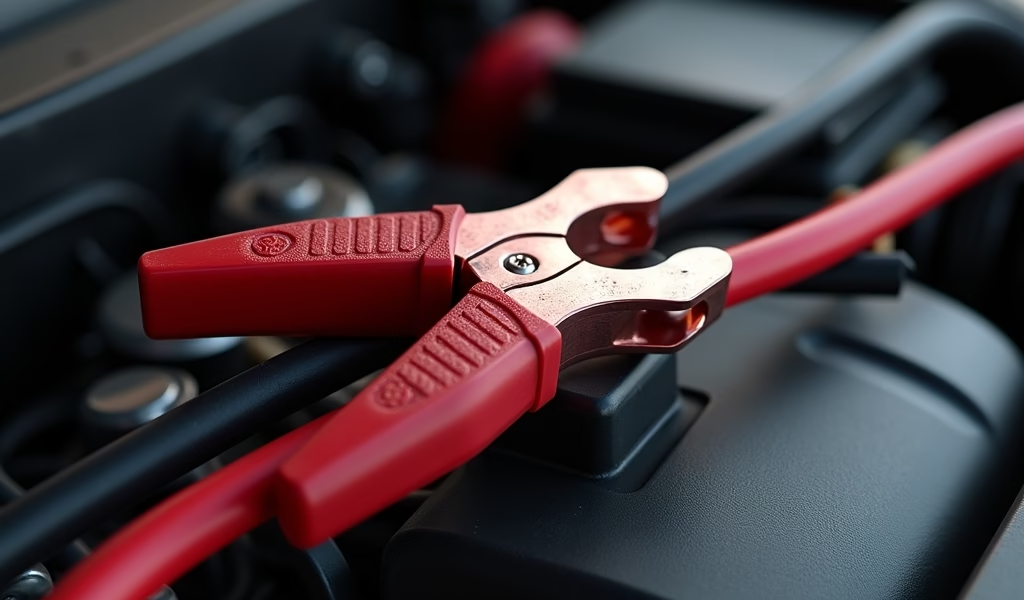
When you need more power transfer capability, these 2-gauge cables are exceptional. They feature 100% copper conductors for maximum current flow and are rated for engines up to 8.0L. The 25-foot length is perfect for larger vehicles when positioning might be trickier. The ergonomic clamps are particularly well-designed, with serrated teeth that bite through corrosion for better contact.
3. Budget-Friendly Option: AmazonBasics 6-Gauge Jumper Cables
For those who need an emergency set without breaking the bank, these 6-gauge cables are surprisingly capable. While I wouldn’t recommend them for regular use with larger vehicles, they’re perfectly adequate for occasionally jump-starting passenger cars. The 12-foot length is shorter than ideal but workable in most situations.
4. Professional-Grade Choice: Cartman 1-Gauge Booster Cables
These are what I keep in my own service vehicle. The 1-gauge thickness handles virtually any passenger vehicle or light truck with ease, and the 25-foot length accommodates almost any parking situation. The commercial-grade insulation remains flexible even in sub-zero temperatures, and the heavy-duty clamps have never failed me even on corroded battery terminals.
5. For Cold Weather Regions: Performance Tool W1673 1-Gauge Arctic Cables
If you live where winters are brutal, these cables are worth the investment. The extra-flexible PVC coating remains workable down to -40°F, and the 1-gauge thickness ensures adequate current flow even when batteries are severely compromised by cold. The 25-foot length is particularly useful in winter when positioning vehicles might be limited by snow banks or icy conditions.
6. Compact Option for Small Cars: EPAuto 8-Gauge Jumper Cables
For small vehicles with limited storage space, these 8-gauge cables provide a decent balance of functionality and compactness. While I wouldn’t recommend this gauge for larger engines or deeply discharged batteries, they’re perfectly suitable for occasional use with 4-cylinder engines and can be easily stored in compact trunks.
7. Premium All-Weather Option: Bolt Power 0-Gauge Heavy Duty Cables
For those who want ultimate peace of mind, these 0-gauge cables are virtually indestructible. The extreme thickness handles even commercial applications, while the specialized rubber insulation remains flexible in any temperature. They’re overkill for most passenger vehicles but provide unmatched reliability for those who live in remote areas where assistance might be hours away.
Gauge Recommendations for Different Vehicle Types
Matching the right jumper cable gauge to your specific vehicle isn’t just good practice—it’s essential for safety and effectiveness. Based on my experience working with everything from compact cars to heavy-duty trucks, here’s a breakdown of what gauge you should consider for different vehicle categories:
- Compact Cars (engines under 2.0L): 8-gauge cables are typically sufficient for these smaller engines, but I still recommend 6-gauge for better versatility.
- Mid-Size Sedans (2.0L-3.5L engines): 6-gauge is the minimum I’d recommend, with 4-gauge being ideal, especially if you live in variable climates.
- Full-Size Sedans and Small SUVs (3.5L-5.0L engines): 4-gauge cables should be your go-to choice, providing reliable performance without excessive bulk or cost.
- Large SUVs and Light Trucks (5.0L-7.0L engines): Don’t go higher than 4-gauge, with 2-gauge being preferable for these larger power plants.
- Heavy-Duty Trucks and Commercial Vehicles (7.0L+ engines): 2-gauge is the minimum, with 1-gauge or even 0-gauge recommended for the most demanding applications.
These recommendations assume standard cable lengths of 16-20 feet. Remember, if you opt for longer cables, you should compensate by choosing a heavier gauge. For instance, if a vehicle typically requires 4-gauge cables but you need a 25-foot length, consider upgrading to 2-gauge.
Diesel engines deserve special consideration. Their higher compression ratios require more cranking power, so I always suggest going one gauge heavier than you would for an equivalent gasoline engine. For example, a 3.0L diesel should use cables recommended for a 5.0L gasoline engine.
When replacing your car battery or performing regular maintenance, it’s a good time to inspect your jumper cables and ensure they’re appropriate for your vehicle. This simple check can save you from being stranded with inadequate equipment when you need it most.
Proper Jump-Starting Technique: Safety First
Having the right jumper cable gauge is crucial, but knowing the proper jump-starting technique is equally important. I’ve seen too many preventable accidents over the years, so let me walk you through the safest approach.
First, position the vehicles close enough for the cables to reach comfortably, but not touching. Turn off both engines completely, along with all electrical accessories (lights, radio, climate control, etc.). This prevents power surges that could damage sensitive electronics.
Now, here’s the proper sequence for connecting jumper cables:
- Connect the positive (red) clamp to the positive terminal of the dead battery
- Connect the other positive (red) clamp to the positive terminal of the good battery
- Connect the negative (black) clamp to the negative terminal of the good battery
- Connect the remaining negative (black) clamp to a clean, unpainted metal surface on the engine block or frame of the vehicle with the dead battery—NOT to its negative battery terminal
This last connection is crucial—connecting directly to the negative terminal of a dead battery can create sparks near potentially explosive hydrogen gas that batteries sometimes emit. According to CDC safety recommendations, this seemingly small detail has prevented countless injuries.
Once connected, start the engine of the donor vehicle and let it run for 2-3 minutes. Then try starting the vehicle with the dead battery. If it doesn’t start after a few attempts, wait another 5 minutes before trying again—this gives the dead battery time to receive more charge.
After the jumped vehicle starts, leave both engines running for at least 10 minutes to allow the alternator to begin recharging the weak battery. When it’s time to disconnect, remove the cables in the exact reverse order of connection, being careful not to let the clamps touch each other or any metal surfaces.
Maintenance Tips for Extending Jumper Cable Life
Quality jumper cables aren’t cheap, especially the lower gauge varieties. With proper care, however, a good set can last decades. I’m still using the same set of professional cables I purchased over 15 years ago, and they perform as well today as they did when new.
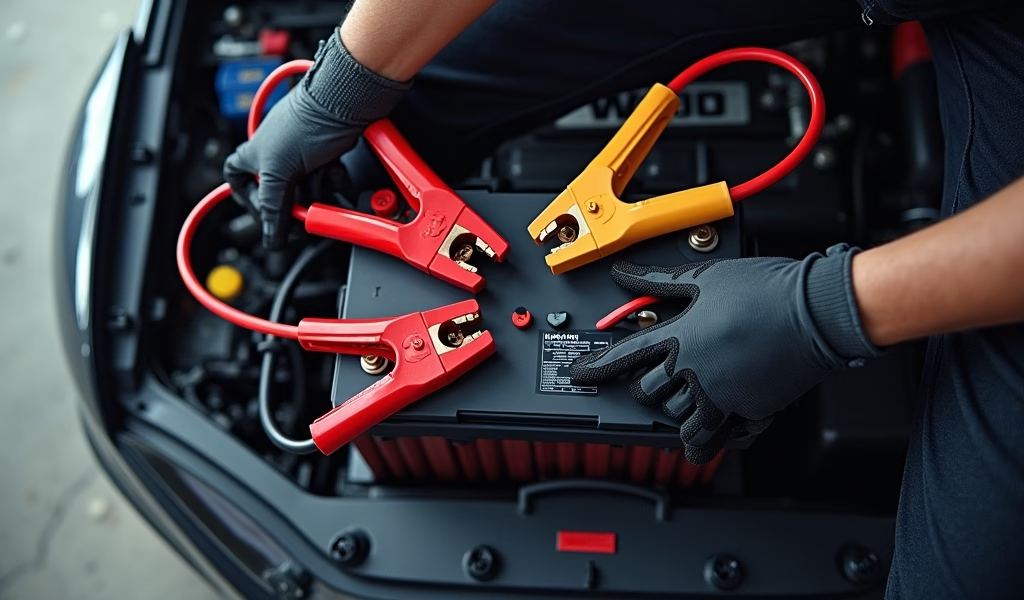
The biggest enemy of jumper cables is corrosion, particularly at the clamps. After each use, take a moment to wipe down the cables and clamps with a clean cloth. If you notice any corrosion beginning to form on the clamps, a simple solution of baking soda and water applied with an old toothbrush works wonders.
Proper storage is equally important. Always coil your cables loosely—never fold them sharply or tie them in knots, as this can damage the internal wiring over time. Most quality cables come with a storage bag or case, which helps protect them from moisture and contaminants. If yours didn’t include one, a simple canvas bag works well.
Temperature extremes can degrade the insulation over time. While this is unavoidable to some extent (they do live in your vehicle, after all), you can minimize damage by storing them away from direct sunlight when possible. In very hot climates, consider keeping them in the trunk rather than visible on the rear deck where temperatures can soar.
Regular inspection is something I recommend to all my customers. Every six months or so, take a few minutes to examine your cables for any signs of:
- Cracking or brittleness in the insulation
- Exposed wire at any point along the cable
- Loose connections between the cable and clamps
- Weak spring tension in the clamps
- Corrosion on the metal surfaces of the clamps
If you notice any of these issues, it’s time for replacement. While it might be tempting to repair jumper cables, I strongly advise against it. The potential safety risks far outweigh any cost savings. When installing a new car battery, it’s also a perfect opportunity to check your jumper cables for any signs of wear and tear.
Common Mistakes to Avoid When Selecting Jumper Cables
Throughout my career, I’ve seen plenty of well-intentioned drivers make the same mistakes when purchasing jumper cables. Let me help you avoid these common pitfalls.
Perhaps the most frequent error is focusing exclusively on price. Those $9.99 jumper cables might seem like a bargain, but when they fail to deliver enough current to start your vehicle—or worse, melt during use—you’ll quickly realize why quality matters. Look for cables with copper conductors (or at minimum, copper-clad aluminum) rather than pure aluminum, which offers significantly less conductivity.
Another common mistake is underestimating length requirements. While shorter cables are easier to store, they often prove inadequate in real-world situations. I’ve lost count of how many times I’ve seen people struggling to position vehicles close enough for their too-short cables to reach. The 16-foot minimum I recommend might seem excessive until that moment you need every inch.
Many buyers also neglect to consider clamp quality. The connection between clamp and battery terminal is critical for effective power transfer. Look for clamps with teeth or serrations that can bite through minor corrosion, and with springs strong enough to maintain solid contact under vibration. Cheap clamps with weak springs can lose contact during the starting attempt, potentially causing damage to vehicle electronics.
Ignoring insulation quality is another oversight. Premium cables use multi-layer insulation that remains flexible in extreme temperatures and resists cracking over time. Budget cables often use single-layer PVC that becomes brittle in cold weather and can crack, exposing the conductor. Given that jumper cables are often needed most in harsh winter conditions, this is a particularly dangerous weakness.
Finally, don’t be fooled by marketing that emphasizes “copper-colored” clamps. This cosmetic feature says nothing about the actual conductor material inside the cable, which is what matters for performance. Some manufacturers use this visual trick to make aluminum cables look like copper. Always check the specifications for the actual conductor material and gauge.
Conclusion
Choosing the right jumper cable gauge is more than a technical detail—it’s a matter of safety, reliability, and peace of mind. Throughout this guide, we’ve explored how jumper cable gauge impacts performance and safety, from the basic understanding that lower gauge numbers mean thicker, more capable cables, to specific recommendations for various vehicle types.
Remember that the ideal jumper cable gauge depends on your specific vehicle, with larger engines and diesel motors requiring thicker cables to ensure sufficient current flow. The seven recommended cable sets we’ve discussed cover everything from everyday passenger cars to heavy-duty applications, giving you options regardless of your needs and budget.
Beyond selection, we’ve covered proper jump-starting technique, maintenance practices to extend your cables’ lifespan, and common purchasing mistakes to avoid. These practical insights should help you not only choose the right cables but also use them safely and effectively for years to come.
Ultimately, jumper cables are one of those emergency items you hope to rarely use, but when you need them, having the correct gauge can make all the difference between a minor inconvenience and a major ordeal. By investing in quality cables appropriate for your vehicle, properly maintaining them, and knowing the correct usage technique, you’re prepared for one of the most common roadside emergencies.
Your vehicle’s electrical system—and potentially your safety—depends on making the right choice. Don’t compromise when it comes to jumper cable gauge.
Frequently Asked Questions
What gauge jumper cables should I use for a standard sedan?
For most standard sedans with 2.0-3.5L engines, 4-gauge jumper cables are ideal. They provide sufficient current flow without excessive bulk or weight.
Are thicker (lower gauge) jumper cables always better?
While thicker cables provide better current flow, they’re also heavier, bulkier, and more expensive. Choose based on your specific vehicle’s requirements rather than automatically going for the thickest option.
How long should my jumper cables be?
A minimum of 16 feet is recommended, with 20 feet being ideal for most situations. Longer cables provide more flexibility in positioning vehicles but require thicker gauge to compensate for increased resistance.
Can I use jumper cables with different gauge ratings on each end?
No, jumper cables should have consistent gauge throughout their entire length. Using different gauges creates a bottleneck that limits current flow and could cause dangerous overheating.
How often should I replace my jumper cables?
Quality jumper cables should last 10+ years with proper care and storage. Replace them immediately if you notice cracked insulation, exposed wiring, loose clamp connections, or weak spring tension in the clamps.