
Overview
Frame mounting hardware—those tiny bolts and bushings holding your car together like a nervous chipmunk clutching the last acorn of winter—requires regular inspection, rust prevention, proper replacement, correct torque application, and occasional professional servicing to maintain your vehicle’s structural integrity. Neglecting these often-overlooked components can lead to catastrophic failures, safety hazards, and expensive repairs that could have been easily prevented through proper maintenance.
Table of Contents
- Understanding Frame Mounting Hardware: The Backbone of Your Vehicle
- The Importance of Frame Maintenance and Treatment
- Tip 1: Regular Inspection and Cleaning of Frame Components
- Tip 2: Rust Prevention and Treatment Methods
- Tip 3: When and How to Replace Mounting Hardware
- Tip 4: Understanding Torque Specifications
- Tip 5: Professional Maintenance Services
- Conclusion: Protecting Your Vehicle’s Structural Integrity
- Frequently Asked Questions
Understanding Frame Mounting Hardware: The Backbone of Your Vehicle
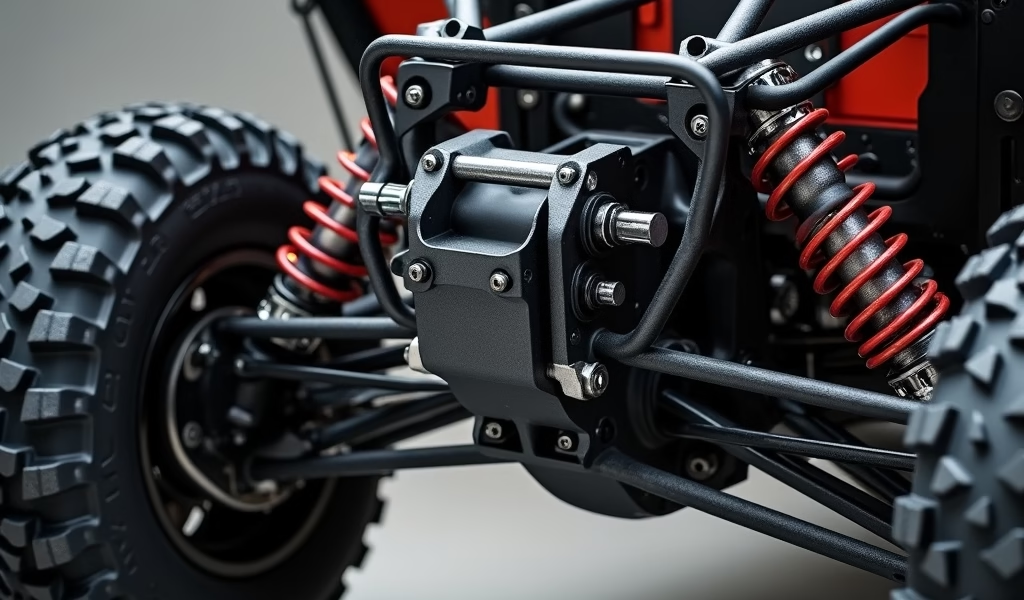
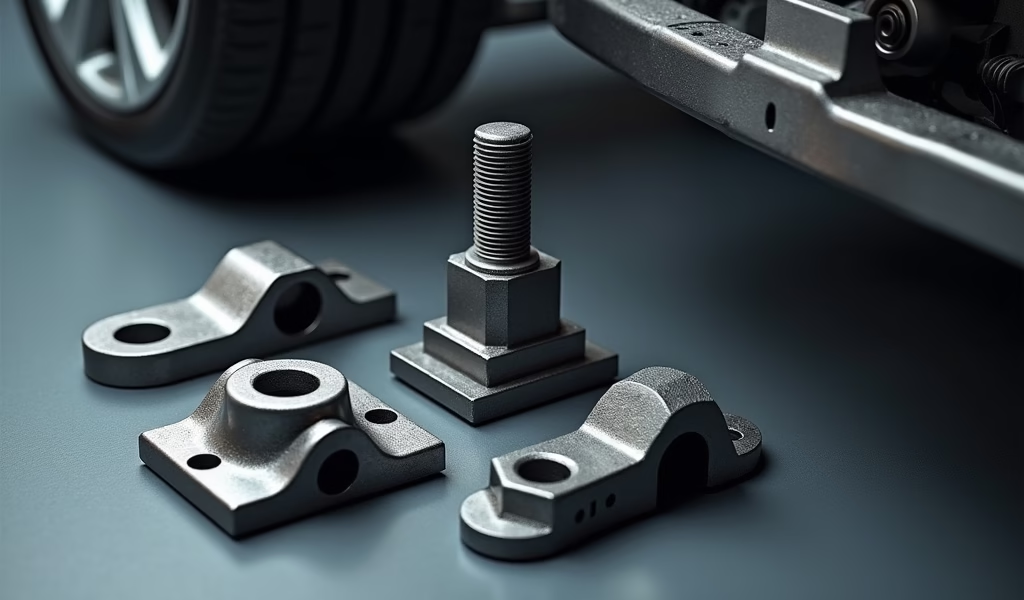
Frame mounting hardware forms the critical connection points that secure your vehicle’s body to its chassis. These seemingly small components—including bolts, bushings, brackets, and isolators—play an outsized role in your car’s performance, safety, and longevity. Without properly functioning frame mounting hardware, your vehicle would literally fall apart on the road. As a mechanic with over 15 years of experience, I’ve seen firsthand how neglected mounting hardware can lead to catastrophic failures that could have been easily prevented with proper care.
Understanding the fundamentals of frame mounting hardware is essential for any vehicle owner who wants to maintain their car’s structural integrity. These components are designed to absorb vibrations, prevent metal-to-metal contact, and provide secure attachment points between different vehicle systems. They’re constantly under stress from road conditions, engine vibrations, and the natural movement that occurs during driving.
Frame mounting hardware must withstand incredible forces while simultaneously reducing noise and providing a comfortable ride. This delicate balance makes proper maintenance not just important—it’s absolutely necessary for essential car maintenance and safety. Let’s explore why these often-overlooked components deserve your attention and care.
The Importance of Frame Maintenance and Treatment
Many drivers don’t think about their vehicle’s frame until something goes wrong—and by then, the damage can be extensive and expensive. Your car’s frame and its mounting hardware are constantly exposed to harsh conditions: road salt, moisture, temperature fluctuations, and physical stress. These elements combine to create the perfect environment for corrosion, fatigue, and eventual failure.
Regular maintenance of your frame mounting hardware isn’t just about preventing annoying squeaks and rattles (though it certainly helps with those). It’s about maintaining the structural integrity of your vehicle. When mounting points fail, you might experience misaligned doors, shifting body panels, or handling problems. In severe cases, critical components like steering and suspension systems can become compromised, creating serious safety hazards.
The financial aspect is compelling as well. Replacing a single corroded body mount might cost $100-200, but allowing that problem to spread can lead to frame damage requiring thousands in repairs. In extreme cases, extensive frame damage can total an otherwise functional vehicle. Prevention truly is the most cost-effective approach when it comes to how to maintain your car frame and its mounting hardware.
Tip 1: Regular Inspection and Cleaning of Frame Components
The foundation of effective frame maintenance is regular, thorough inspection. I recommend examining your vehicle’s frame mounting hardware at least twice yearly—once before winter and once in spring. If you drive in particularly harsh conditions (coastal areas, snowy regions with heavy road salt use, or off-road environments), increase this to quarterly checks.
When inspecting your frame components, look for these telltale signs of trouble:
- Rust formations, especially around bolt heads and mounting points
- Cracked or deteriorating rubber bushings and isolators
- Loose or missing bolts and fasteners
- White, powdery deposits indicating galvanic corrosion
- Unusual alignment of body panels or doors
Cleaning your frame hardware is just as important as inspection. Start by using a pressure washer or strong hose to remove accumulated dirt, especially after driving on salted roads. For more thorough cleaning, use a wire brush to remove surface rust and debris from metal components. Be gentle around rubber parts to avoid damage. Specialized frame cleaners are available, but a simple mixture of mild dish soap and water works well for routine maintenance.
After cleaning, ensure everything is thoroughly dried. Trapped moisture is a primary cause of corrosion in frame components. A compressed air tool is ideal for drying hard-to-reach areas, but even a household hair dryer can work in a pinch. This regular undercarriage maintenance not only preserves your frame mounting hardware but makes future inspections much easier and more effective.
Tip 2: Rust Prevention and Treatment Methods
Rust is the archenemy of your vehicle’s frame and mounting hardware. Once corrosion takes hold, it spreads relentlessly, compromising structural integrity and eventually requiring expensive replacements. The good news is that with proactive treatment, you can significantly extend the life of your frame components.
For preventive maintenance, I strongly recommend applying a quality rust inhibitor to all frame mounting hardware. Products containing zinc compounds or lanolin derivatives offer excellent protection by creating a moisture-resistant barrier. Apply these treatments after thoroughly cleaning and drying your frame components, paying special attention to bolt heads, nuts, and areas where different metals meet. For vehicles in coastal or high-salt environments, reapply these treatments every 3-6 months.
If you’ve already spotted rust formation, take immediate action with this step-by-step approach:
- Remove loose rust with a wire brush or drill-mounted wire wheel
- Apply a phosphoric acid-based rust converter to chemically transform remaining rust
- Allow the converter to fully cure according to manufacturer instructions
- Seal the treated area with a high-quality automotive primer
- Finish with a protective coating like rubberized undercoating or frame wax
For serious rust issues, don’t hesitate to seek professional help. Modern restoration techniques like media blasting can remove extensive corrosion without damaging the underlying metal. According to Consumer Reports research, addressing rust early can prevent up to 90% of serious frame damage, making this investment well worth the cost.
Tip 3: When and How to Replace Mounting Hardware
Even with diligent maintenance, frame mounting hardware will eventually wear out and require replacement. Knowing when and how to replace these components can save you from more extensive problems down the road. As a rule of thumb, inspect rubber bushings and mounts every 50,000 miles, as these components degrade naturally over time from heat, oil exposure, and normal flexing.
Here are clear indicators that your frame mounting hardware needs replacement:
- Visible cracks or tears in rubber bushings
- Excessive vehicle vibration or new rattles
- Uneven tire wear patterns
- Body panels that seem misaligned or uneven
- Bolts that continually loosen despite proper torquing
When replacing frame hardware, always use OEM (Original Equipment Manufacturer) or high-quality equivalent parts. While aftermarket options might save money initially, they often lack the precise engineering tolerances needed for proper fit and function. This is particularly important for safety-critical components like engine mounts or suspension attachment points.
For DIY replacement, invest in a proper service manual for your specific vehicle model. Frame hardware replacement often requires specialized sequences for loosening and tightening components to maintain proper alignment. Additionally, never replace just one side of paired components—always replace in complete sets to maintain balanced handling and prevent uneven stress distribution.
If you’re tackling body mount replacement, remember that many modern vehicles require the body to be slightly lifted from the frame using specialized equipment. This is typically a job for professionals, though dedicated DIY enthusiasts with proper jack stands and lifting equipment can accomplish it with careful planning and proper alignment techniques.
Tip 4: Understanding Torque Specifications
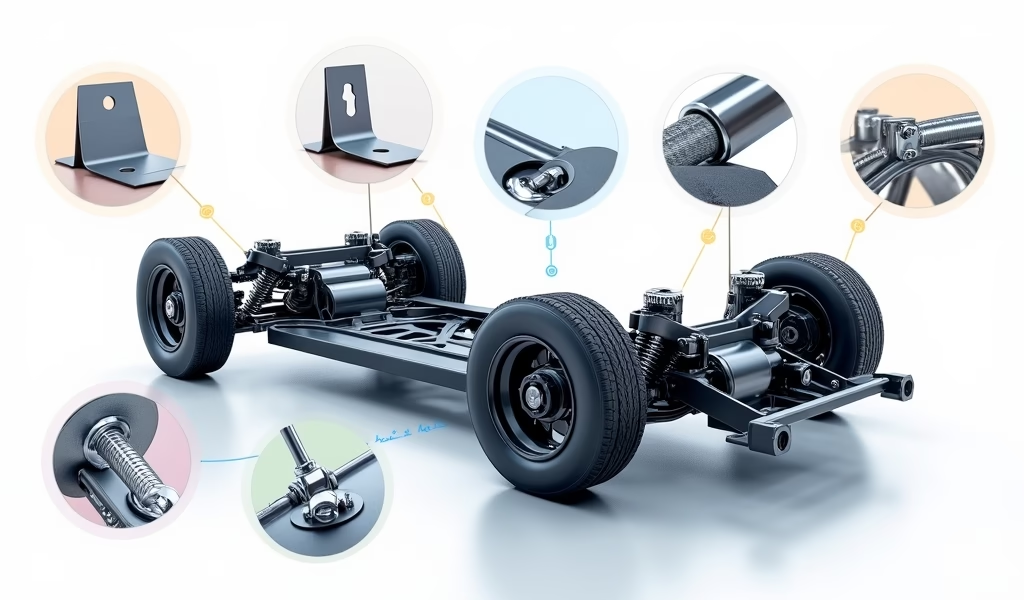
One of the most common mistakes I see with frame mounting hardware is improper torquing. It’s not enough to simply tighten bolts until they feel snug—precise torque specifications exist for a reason. Under-torqued bolts can loosen during vehicle operation, while over-torqued fasteners can stretch, weaken, and eventually break catastrophically.
Always use a calibrated torque wrench when working with frame components. The investment in this tool pays dividends in preventing damage and ensuring proper installation. Your vehicle’s service manual will provide exact torque specifications for each mounting point. If you don’t have access to the manual, reputable online databases like ALLDATA offer precise specifications for virtually every vehicle.
When torquing frame hardware, follow these professional guidelines:
- Clean threads thoroughly before installation to ensure accurate readings
- Apply appropriate thread locker for components subject to vibration
- Tighten in the proper sequence (typically in a crossing pattern)
- Reach final torque in stages (usually 30%, 60%, then 100%)
- Allow thread locker to cure fully before driving
For critical safety components like engine mounts or suspension attachment points, consider marking the bolt heads with a paint pen after proper torquing. This creates a simple visual indicator if bolts begin to loosen during future inspections. Additionally, schedule re-torquing of critical frame hardware after the first 500 miles following any major component replacement, as initial settling can sometimes affect torque values.
Tip 5: Professional Maintenance Services
While many frame maintenance tasks can be handled by knowledgeable DIY enthusiasts, certain situations call for professional intervention. Modern vehicles have become increasingly complex, with specialized materials and design elements that require expert handling. Knowing when to seek professional help can prevent costly mistakes and ensure proper care of your vehicle’s frame mounting hardware.
Consider professional service in these scenarios:
- Extensive rust affecting structural components
- Accident damage repair involving frame straightening
- Complete replacement of major mounting points
- Vehicles with aluminum frame components (which require specialized tools)
- Modern unibody vehicles with complex mounting systems
When selecting a shop for frame-related work, look for specialists with frame-specific certifications and equipment. General repair shops may lack the specialized alignment jigs and measuring systems needed for precise frame work. Ask about their experience with your specific vehicle make and model, as procedures can vary significantly between manufacturers.
Professional frame services typically include comprehensive inspection using laser measurement tools to detect even slight misalignments invisible to the naked eye. They may also offer specialized treatments like cavity waxing—where protective compounds are injected into enclosed frame sections to prevent internal corrosion. While these services come at a premium, they provide protection that’s difficult to achieve through DIY methods alone.
Conclusion: Protecting Your Vehicle’s Structural Integrity
Frame mounting hardware may not be the most glamorous aspect of vehicle maintenance, but it’s unquestionably among the most important. These components form the literal foundation of your vehicle’s structural integrity, directly impacting safety, performance, and longevity. By implementing the five treatment tips we’ve discussed—regular inspection, rust prevention, timely replacement, proper torquing, and professional maintenance when needed—you’re taking essential steps to protect your investment.
Remember that frame maintenance is always more cost-effective than frame repair. Small issues addressed early can prevent catastrophic failures down the road. Make frame inspection a regular part of your vehicle maintenance routine, particularly if you drive in harsh conditions or own an older vehicle with higher mileage.
Your vehicle’s frame mounting hardware works silently in the background, rarely drawing attention until something goes wrong. By giving these components the care they deserve, you’re ensuring thousands of trouble-free miles and significantly extending your vehicle’s useful life. It’s a small investment of time and resources that pays tremendous dividends in performance, safety, and value retention.
Frequently Asked Questions
How often should I inspect my vehicle’s frame mounting hardware?
Inspect frame mounting hardware at least twice yearly—before winter and in spring. Increase to quarterly checks if you drive in harsh conditions like coastal areas, regions with heavy road salt use, or frequent off-road environments.
What are the signs of failing frame mounts?
Look for excessive vibration, unusual noises (clunking or rattling), visible rust or cracks in mounting points, misaligned body panels, and uneven tire wear. Any of these symptoms warrant immediate inspection of your frame mounting hardware.
Can I replace frame mounting hardware myself?
Many frame hardware components can be replaced by experienced DIYers with proper tools, including a torque wrench and service manual. However, complex jobs involving body-to-frame mounts or structural components may require professional equipment and expertise.
What’s the best rust prevention product for frame components?
Products containing zinc compounds or lanolin derivatives provide excellent protection by creating moisture-resistant barriers. Fluid Film, POR-15, and Eastwood’s Internal Frame Coating are highly rated options with proven track records in harsh conditions.
How much does professional frame treatment typically cost?
Professional frame treatment services range from $200-500 for basic rust protection to $1,000-2,500 for comprehensive frame restoration. The investment is typically worthwhile as it can prevent repairs costing many times more when frame damage becomes severe.