
Overview
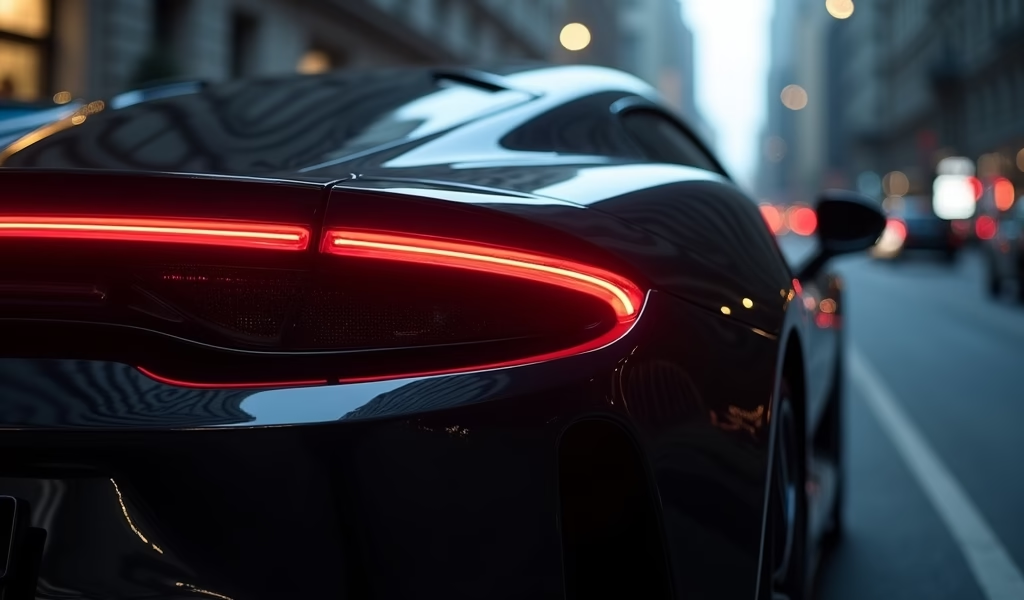
Turns out those tail light tinting dreams might land you in the red with the law, as most states require lights to be visible from 500 feet away and maintain their original color. The article provides five essential tips for legal tail light tinting: research local regulations, use light tint percentages (20-30%), test light output after application, consider removable options, and perform regular inspections to balance style with safety.
Table of Contents
- Understanding Tail Light Tinting: What You Need to Know
- Legal Considerations: Navigating the Rules
- 5 Essential Tips to Avoid Fines When Tinting Tail Lights
- Visibility Matters: Why Limits Exist
- Professional Installation vs. DIY: Making the Right Choice
- Staying Compliant: How to Check Your Tint
- Conclusion: Balancing Style and Safety
- Frequently Asked Questions
Understanding Tail Light Tinting: What You Need to Know
Tail light tinting limits aren’t just arbitrary rules created to dampen your vehicle customization dreams. As someone who’s spent over two decades working on cars, I’ve seen the good, the bad, and the downright dangerous when it comes to modified lighting. Tinting your tail lights can give your ride that sleek, personalized look you’re after, but there’s a fine line between stylish and illegal.
Let’s face it – we all want our vehicles to stand out. That subtle smoky effect on tail lights can transform your car’s rear profile from ordinary to eye-catching. However, understanding the regulations around tail light tinting limits is crucial before you dive into this modification. These rules exist primarily for safety reasons, not to limit your creativity.
The core issue with tail light tinting is visibility. Your brake lights, turn signals, and reverse lights serve critical safety functions that keep you and others protected on the road. When you alter their brightness or color, you’re potentially compromising their effectiveness. That’s why every state has established specific tail light tinting limits to ensure these safety features remain functional while still allowing for some customization.
Legal Considerations: Navigating the Rules
Navigating the legal landscape of tail light tinting can feel like driving through a fog bank. State laws vary significantly, but they all center around one crucial factor: light output. Most states require that tail lights be visible from at least 500 feet away, regardless of any tinting applied. This means even with tint, your brake lights must remain bright enough to alert drivers behind you.
The Department of Transportation (DOT) has federal guidelines that all vehicles must meet. According to National Highway Traffic Safety Administration standards, tail lights must be red, and brake lights must be clearly distinguishable when activated. Tinting that changes the color perception or significantly reduces light output violates these standards.
Color restrictions are another important consideration. In most states, tail lights must remain red, and turn signals amber (or red in some cases). Tinting that alters these colors to appear purple, blue, or black when illuminated is almost universally prohibited. Even a light smoke tint that maintains the red appearance can be problematic if it reduces light output below legal thresholds.
Penalties for violations can range from fix-it tickets to substantial fines. In some states, heavily tinted tail lights can result in fines of $100-250 for first offenses, with penalties increasing for repeat violations. Some jurisdictions may also consider excessive tinting a reason to fail safety inspections, which can prevent you from registering your vehicle. It’s certainly not worth compromising your vehicle’s legal status for aesthetic purposes.
5 Essential Tips to Avoid Fines When Tinting Tail Lights
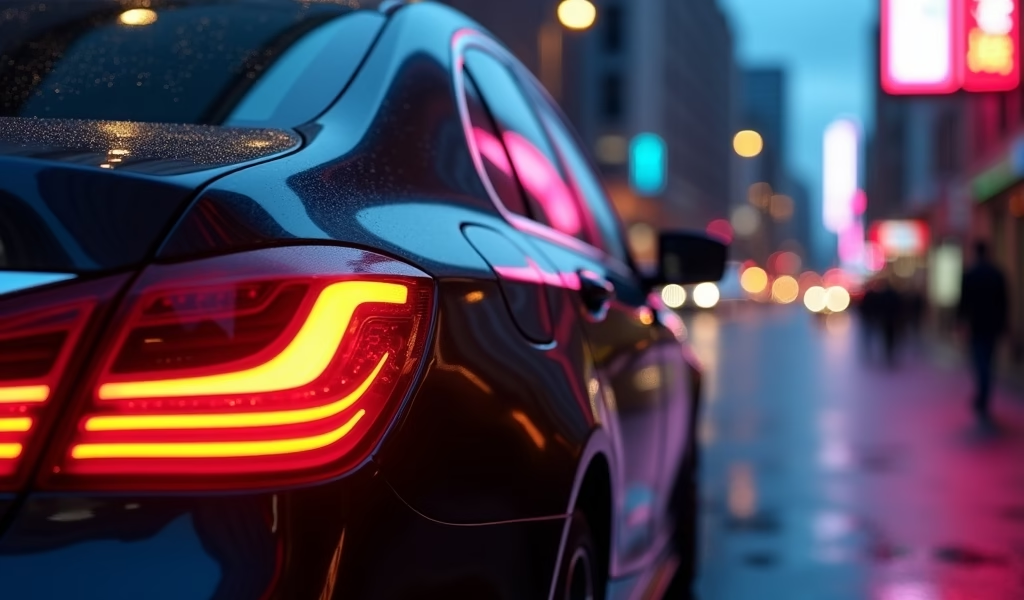
After working with countless vehicles and helping customers navigate the confusing world of automotive modifications, I’ve developed these five essential tips to keep your tail light tinting both stylish and legal:
1. Research Your Local Regulations
Before applying any tint, take time to research your specific state and local regulations. What’s legal in California might get you pulled over in New York. Most DMV websites have sections dedicated to vehicle modifications, including lighting requirements. Alternatively, a quick call to your local police department’s non-emergency number can provide clarity on tail light tinting limits in your area.
Remember that regulations can change, so information that’s a few years old might not reflect current standards. Some states have recently tightened restrictions on aftermarket lighting modifications as part of broader traffic safety initiatives. Staying current on these changes can save you from unexpected fines.
2. Choose Light Tint Percentages
When it comes to tail light tinting, lighter is almost always better from a legal standpoint. A light smoke tint (around 20-30%) typically allows enough light transmission to remain legal in most states, while still giving you that custom look. Avoid dark tints (50% or higher) that significantly reduce visibility, especially for brake lights where maximum visibility is crucial.
Consider using a light tint for the main tail light area and leaving the brake light sections completely untinted. This approach gives you the aesthetic benefits while maintaining full safety functionality where it matters most. The detailed appearance can still be achieved without compromising safety.
3. Test Light Output After Application
After applying any tail light tint, perform a visibility test to ensure you’re still meeting minimum requirements. Have a friend stand 500 feet away while you activate your brake lights, turn signals, and reverse lights. They should be able to clearly identify each light function without strain or confusion.
For a more scientific approach, you can purchase an affordable light meter to measure the before and after light output. If you’ve reduced output by more than 20-30%, you’re likely in the danger zone for potential violations. This small investment in testing can prevent larger expenses in fines later.
4. Consider Removable Options
If you’re concerned about compliance but still want the tinted look, consider using removable tint options. Vinyl overlays can be installed for shows or special occasions and removed for daily driving or vehicle inspections. Some newer products offer a chameleon effect that appears dark when lights are off but allows full brightness when illuminated.
This flexibility is particularly valuable if you travel between states with different regulations or if you anticipate selling your vehicle in the future. Permanent modifications can reduce resale value or require costly reversal before sale.
5. Maintain Regular Inspection
Once installed, tinted tail lights require regular inspection. UV exposure can cause some tint films to degrade, becoming darker or changing color over time. Check your tail light visibility every few months, particularly after extended periods of intense sunlight exposure.
Watch for signs of peeling or bubbling, which not only look unprofessional but can create uneven light diffusion that might fall below legal limits. Maintaining your tail light tinting is an essential part of regular vehicle maintenance if you choose this modification.
Visibility Matters: Why Limits Exist
I’ve heard plenty of enthusiasts question why tail light tinting limits are so strict. The answer comes down to simple physics and human reaction time. Your brake lights communicate critical information to drivers behind you, often with just fractions of a second to react. Any reduction in visibility directly impacts safety margins.
Studies by the Insurance Institute for Highway Safety have consistently shown that visible, bright brake lights reduce rear-end collisions by giving following drivers more time to respond. When you tint tail lights, you’re potentially adding precious milliseconds to other drivers’ reaction times – and in emergency braking situations, those milliseconds can mean the difference between a near-miss and a collision.
Consider driving conditions beyond perfect sunny days. Tail lights need to perform in fog, rain, snow, and at night. Tinting that looks reasonable in good conditions might render your lights nearly invisible during inclement weather. This is why enforcement often increases during winter months when visibility is already compromised.
The reality is that tail light tinting limits aren’t about restricting your vehicle personalization rights – they’re about ensuring that the primary function of these safety features remains intact. As a mechanic who’s repaired many vehicles after rear-end collisions, I can tell you that properly functioning tail lights are non-negotiable safety equipment.
Professional Installation vs. DIY: Making the Right Choice
One of the most common questions I get about tail light tinting is whether to attempt it yourself or seek professional installation. While DIY kits are readily available and can save you money upfront, there are several factors to consider before making this decision.
Professional installation typically costs between $80-150 depending on your vehicle and location, but comes with significant advantages. Experienced installers understand light diffusion properties and can recommend tint percentages that maintain legal light output. They also have the proper tools and environment to prevent bubbling, peeling, and uneven application that plague many DIY attempts.
If you do choose the DIY route, invest in quality materials. Pre-cut vinyl films designed specifically for your vehicle model provide the best results. Generic sheets require precise cutting that’s difficult to achieve without professional tools. Always clean tail light surfaces thoroughly with alcohol and work in a dust-free, temperature-controlled environment to prevent contamination under the film.
The most significant advantage of professional installation is accountability. Reputable shops understand tail light tinting limits and won’t install products that clearly violate local laws. Many will even offer guarantees that their work meets legal standards, providing some peace of mind if you’re questioned by law enforcement.
Staying Compliant: How to Check Your Tint
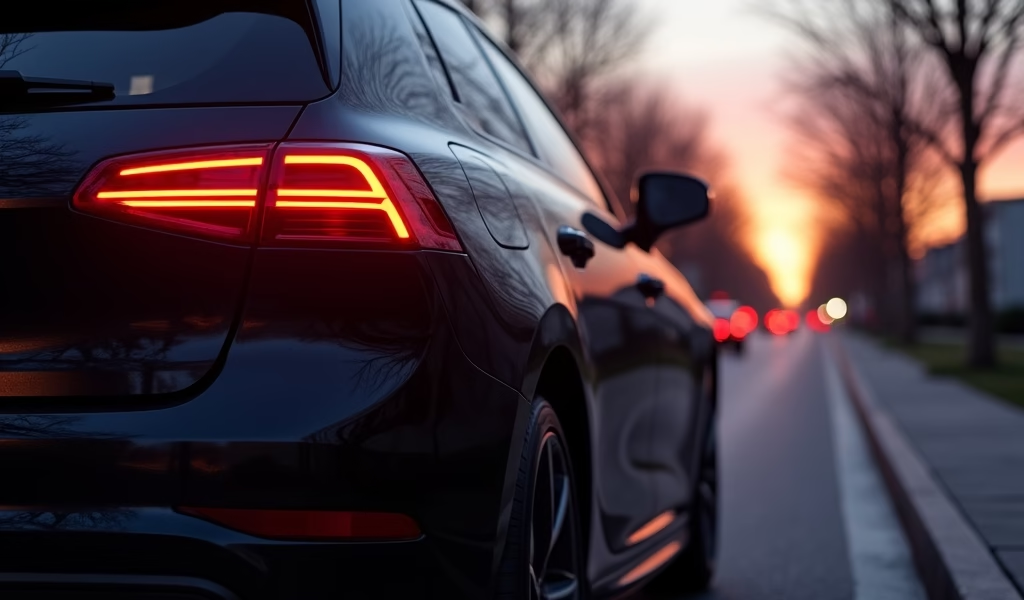
Once you’ve installed tail light tinting that you believe meets legal requirements, regular compliance checks can prevent unexpected issues. Law enforcement officers don’t carry light meters during traffic stops – they make judgment calls based on visibility. You should evaluate your lights the same way.
Stand approximately 100 feet behind your vehicle during daytime and observe your tail lights both when off and illuminated. If they appear significantly darkened or color-shifted even when on, they likely exceed tail light tinting limits. Repeat this test at dusk or dawn when visibility conditions are more challenging – this is often when officers will notice illegal tinting.
If you’re still unsure about compliance, many automotive shops offer free lighting inspections. Take advantage of these services, especially before vehicle registration renewals or if you’re planning interstate travel. Some performance shops even have the equipment to measure precise light output and can document that your tinting meets local requirements.
Remember that removing excessive tint is almost always less expensive than paying fines and court costs. If you have any doubts about your current tail light tinting, consult with a professional. Many tint shops offer removal services for around $50-75, which is considerably less than typical fines for lighting violations.
Conclusion: Balancing Style and Safety
Navigating tail light tinting limits doesn’t mean abandoning your customization dreams – it’s about finding the sweet spot between personal style and safety compliance. With the right approach, you can achieve that sleek, custom look without risking fines or compromising road safety.
The five essential tips we’ve covered provide a roadmap to responsible tail light modification: research your local regulations, choose appropriate tint percentages, test light output after application, consider removable options, and maintain regular inspections. Following these guidelines allows you to express your automotive personality while respecting the important safety functions tail lights serve.
Remember that vehicle customization is about enhancing your driving experience, not detracting from it. Constant worry about potential tickets or the risk of causing an accident due to reduced visibility will quickly overshadow any aesthetic benefits. By understanding and working within tail light tinting limits, you create a modification you can enjoy with confidence.
Ultimately, the most successful vehicle modifications strike a balance between personal expression and practical functionality. Your tail lights can look great without sacrificing their primary purpose – keeping you and others safe on the road. That’s not just good advice – it’s the mark of a truly thoughtful automotive enthusiast.
Frequently Asked Questions
What’s the maximum legal tint percentage for tail lights?
Legal tint percentages vary by state, but generally, anything that allows at least 70-80% light transmission is safest. Most states require tail lights to be visible from at least 500 feet away regardless of tint percentage.
Can I get pulled over just for having tinted tail lights?
Yes, tinted tail lights that appear to violate visibility requirements are a primary offense in most states. Officers can initiate a traffic stop solely for this infraction even without other moving violations.
Are there any completely legal tail light tinting products?
Some manufacturers offer “legal smoke” films designed to stay within typical regulations while providing a custom look. Always verify that these products meet your specific state requirements as marketing claims may not account for all local variations.
How much does it typically cost to remove illegal tail light tint?
Professional tint removal usually costs between $50-75 depending on your location and the type of tint applied. DIY removal can be done with heat and careful peeling, but risks damaging the tail light lens.
Will tail light tinting affect my vehicle insurance?
Modifications that violate state vehicle codes can potentially affect insurance claims if they contribute to an accident. Some policies specifically exclude coverage for illegal modifications including non-compliant lighting alterations.