
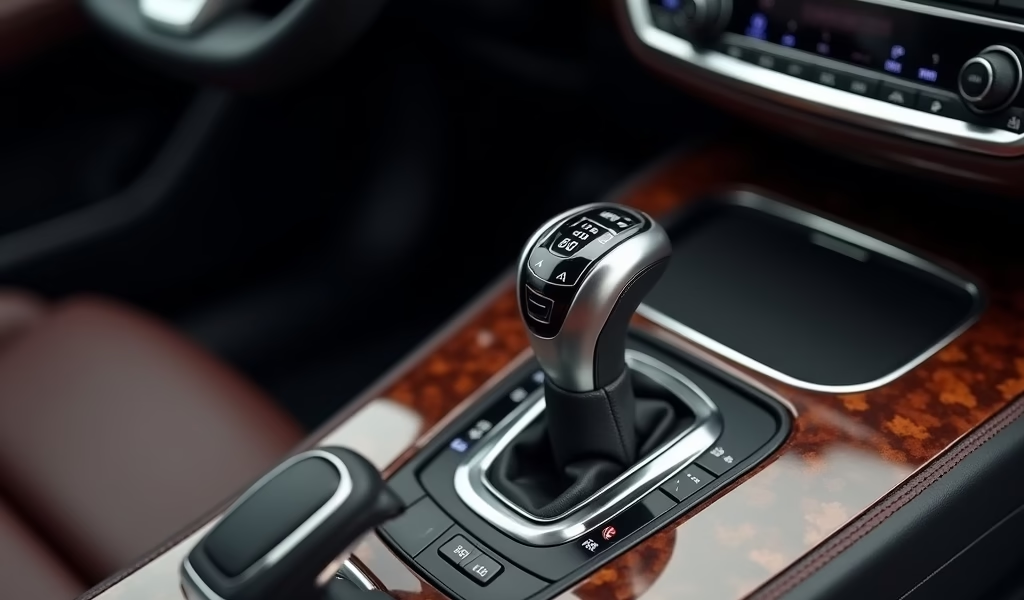
Overview
Ever been stuck holding a shift knob that came off in your hand during an enthusiastic gear change? This guide delivers seven essential tips for replacing your vehicle’s shift knob, covering everything from identifying your knob type and selecting the right replacement to proper installation techniques and maintenance practices that ensure both improved driving experience and lasting durability.
Table of Contents
- Introduction to Shift Knob Replacement
- Why Replace Your Shift Knob?
- Tools and Materials You’ll Need
- Tip 1: Properly Identify Your Shift Knob Type
- Tip 2: Preparing for the Replacement
- Tip 3: Removing the Old Shift Knob
- Tip 4: Selecting the Right Replacement
- Tip 5: Installing Your New Shift Knob
- Tip 6: Testing the New Installation
- Tip 7: Maintaining Your New Shift Knob
- Conclusion
- Frequently Asked Questions
Introduction to Shift Knob Replacement
A smooth-shifting experience can make all the difference in your daily driving pleasure. As a mechanic with over 15 years of experience, I’ve seen how a simple shift knob replacement can transform both the feel and functionality of your vehicle’s gear changes. Whether your current knob is worn out, uncomfortable, or you’re simply looking for a style upgrade, learning how to properly replace your shift knob is a satisfying and practical skill to have in your automotive toolkit.
Shift knob replacement isn’t just about aesthetics—though that custom feel in your palm certainly doesn’t hurt. It’s about creating the perfect interface between you and your vehicle’s transmission. The right knob can reduce fatigue during long drives and provide better leverage for smoother gear changes, especially if you’re dealing with a transmission that needs attention.
In this comprehensive guide, I’ll walk you through seven essential tips for a successful shift knob replacement, covering everything from selection to installation. Let’s transform that crucial touchpoint in your vehicle from ordinary to extraordinary, all while ensuring optimal shifting performance.
Why Replace Your Shift Knob?
Before diving into the how-to, let’s understand why you might want to replace your shift knob in the first place. The shift knob is one of the most frequently touched components in your vehicle, and over time, wear and tear are inevitable.
Signs that it’s time for a replacement include a loose knob that wobbles during shifting, cracked or peeling surface material, faded markings making it difficult to identify gear positions, or simply discomfort during use. Many drivers also replace perfectly functional knobs to personalize their driving experience or match interior upgrades.
A quality replacement can dramatically improve your shifting experience. Materials like machined aluminum offer superior durability and a premium feel, while ergonomically designed shapes can reduce hand strain during frequent gear changes. According to research from the Society of Automotive Engineers, the tactile feedback from your shift knob significantly impacts driving performance and satisfaction.
Beyond function, there’s the undeniable personal touch. Your shift knob sits prominently in your cabin’s center and can be a statement piece that reflects your driving style—whether that’s classic and understated or bold and sporty.

Tools and Materials You’ll Need
Before starting your shift knob replacement project, gather these essential tools and materials to ensure a smooth process:
- Adjustable wrench or pliers (for threaded knobs)
- Flathead screwdriver (for prying clips or accessing set screws)
- Allen wrench set (for knobs secured with set screws)
- Electrical tape (to protect threads or shafts)
- WD-40 or similar penetrating oil (for stubborn knobs)
- Clean microfiber cloth
- Isopropyl alcohol (for cleaning the shift lever)
- Heat gun or hair dryer (optional, for heat-shrink or adhesive-secured knobs)
- Replacement shift knob (matched to your vehicle’s specifications)
- Thread adapter (if needed for universal knobs)
- Loctite or thread sealant (for securing threaded knobs)
Having everything ready before you begin will prevent frustrating interruptions mid-project. I always recommend laying out your tools on a clean shop towel in order of use—a habit that has saved me countless headaches over the years.
Remember that requirements may vary slightly depending on your vehicle make and model. For instance, many modern vehicles use snap-on knobs that require different removal techniques than older threaded models. When in doubt, consult your vehicle’s service manual or look up model-specific tutorials online before starting.
Tip 1: Properly Identify Your Shift Knob Type
The first step in any successful shift knob replacement is correctly identifying what type you’re working with. This might sound basic, but I’ve seen plenty of damaged shift levers from people who skipped this crucial step.
Most shift knobs fall into one of these categories:
- Threaded knobs: These screw directly onto the shift lever. They may have a universal thread pattern or a manufacturer-specific one.
- Push-on knobs: These slide onto the shaft and are secured with set screws, clips, or pressure fittings.
- OEM specialty knobs: These often have unique mounting systems specific to the manufacturer, sometimes incorporating buttons or other mechanisms.
- Reverse lockout knobs: Common in many sports cars, these incorporate a lifting mechanism to access reverse gear.
To identify yours, carefully examine the base of your current knob. Look for set screws (small screws on the side that secure the knob to the lever), a collar that might twist to release, or simply try gently rotating the knob counterclockwise to see if it’s threaded. Many manufacturers use plastic trim pieces that hide the mounting mechanism, so you might need to pry these up gently to access what’s underneath.
Taking a few clear photos of your current setup before disassembly can be incredibly helpful later. This simple step has saved me countless times when dealing with complex car components with multiple parts.
Tip 2: Preparing for the Replacement
Proper preparation will make your shift knob replacement significantly easier. First, ensure your vehicle is in neutral with the engine off and the parking brake engaged. This prevents any unexpected movement during your work.
Clean the area around your shift assembly thoroughly. Dust, crumbs, and debris have a knack for finding their way into exposed threading or mounting mechanisms during replacement. A quick vacuum followed by a wipedown with a microfiber cloth will prevent these issues.
If you’re working in hot weather, consider allowing your car to cool down first. Shift knobs, especially dark-colored ones, can become surprisingly hot after sitting in the sun. Similarly, extremely cold weather can make some knobs (particularly plastic ones) more brittle and prone to cracking during removal.
Take a moment to examine your new knob and ensure it’s compatible with your vehicle. Check for any adaptors or hardware that might need to be transferred from your old knob. If you purchased a universal knob, verify that you have the correct adaptor for your specific vehicle model.
Finally, take a few “before” photos—not just for social media bragging rights, but as reference points in case you need to revert to your original configuration. These visual records have saved many of my customers from confusion when they need to remember how things originally looked.
Tip 3: Removing the Old Shift Knob
Removing your old shift knob requires a blend of technique and patience. The method varies significantly based on the knob type identified in Tip 1, so follow the appropriate instructions:
For threaded knobs (the most common type), firmly grasp the knob and rotate counterclockwise. If it’s stubborn, wrap the knob with a rubber glove or cloth for better grip. Some knobs may require significant force—particularly those that have been in place for years—but avoid using metal tools that could damage the threads.
For push-on knobs with set screws, locate the small screw(s) around the base of the knob. These are typically Allen (hex) screws that require an Allen wrench. Once loosened, the knob should slide straight up off the lever. If it’s stuck, gently rock it side to side while pulling upward.
For snap-on or clip-in knobs common in many Japanese and European vehicles, look for a small slot at the base of the knob. Insert a flathead screwdriver wrapped in tape (to prevent scratching) and gently pry upward to release the retaining clips. Sometimes these knobs have hidden tabs that need to be pressed before they’ll release.
For particularly stubborn knobs, apply a small amount of penetrating oil around the base and let it seep in for about 10 minutes. Heat from a hair dryer can also help expand the knob material slightly, making removal easier.
Throughout the removal process, pay attention to any washers, adaptors, or other small parts that might come off with the knob. These pieces may need to be reused with your new knob, so keep them organized. This attention to detail is part of what defines quality car maintenance.
Tip 4: Selecting the Right Replacement
Choosing the perfect replacement shift knob involves more than just aesthetics. The right knob should complement your driving style while providing functional benefits.
Material is perhaps the most impactful factor. Aluminum knobs offer durability and a premium feel but can become uncomfortably hot or cold in extreme weather. Leather or suede-wrapped knobs provide excellent grip and comfort across temperatures. Modern composites combine lightweight properties with good thermal characteristics. Wood offers classic appeal but may require more maintenance.
Weight matters significantly for shifting feel. Heavier knobs (typically metal ones weighing 400g or more) reduce effort during shifts as momentum helps complete the motion. Lighter knobs offer more direct feedback but require more force. For performance driving, a weighted knob often improves shift precision.
Shape and ergonomics directly impact comfort during daily use. Consider your hand size and typical grip when selecting. Ball-shaped knobs offer versatile grip options, while ergonomic contoured shapes may better fit specific hand positions. Height is also important—taller knobs provide more leverage but may feel awkward in confined cabin spaces.
Compatibility is non-negotiable. Universal knobs come with adapters, but verify they include one for your specific vehicle. Some vehicles (particularly newer models with shift buttons or electronic controls) may require OEM-specific replacements. According to Consumer Reports, incompatible aftermarket parts are among the top causes of DIY auto project failures.
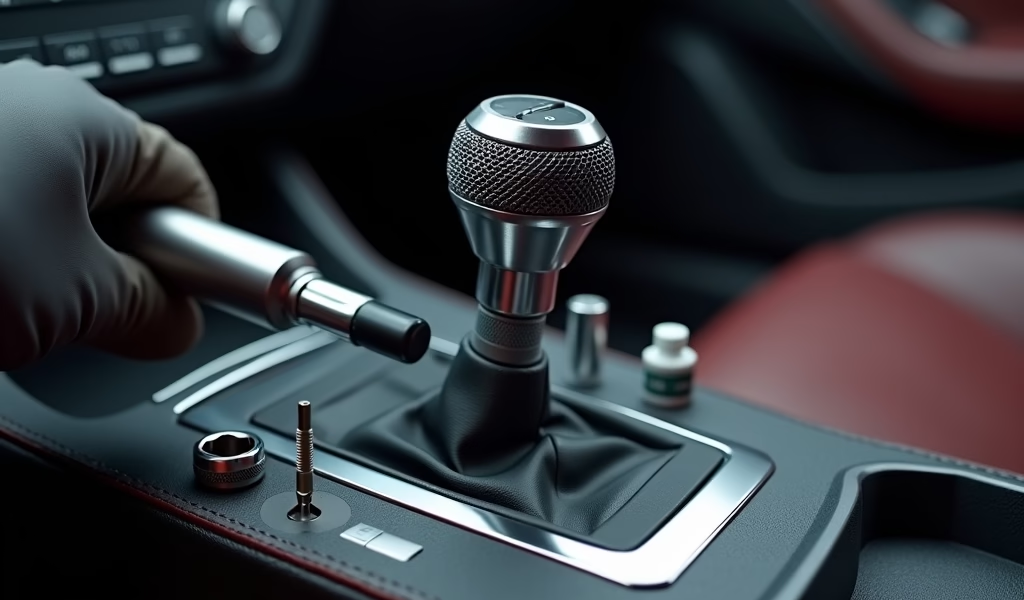
Tip 5: Installing Your New Shift Knob
With your old knob removed and your new one ready, it’s time for installation. The process varies depending on the type of knob you’ve selected, but attention to detail is crucial regardless.
For threaded knobs, first ensure the threads on your shift lever are clean and undamaged. Apply a small amount of thread-locking compound if you want a secure fit that won’t loosen over time. Carefully align the knob with the threads and turn clockwise until hand-tight. Avoid over-tightening, as this can damage the threads or make future removal difficult.
For push-on knobs with set screws, slide the knob onto the lever, ensuring any alignment markings or gear position indicators are correctly oriented. Once positioned at your preferred height, tighten the set screws evenly. For knobs with multiple screws, use a crisscross pattern similar to tightening lug nuts on a wheel.
For snap-on or clip-in knobs, align any keyed sections or notches with their corresponding spots on the lever, then press firmly until you hear the satisfying click of the retaining mechanism engaging. These installations typically require more force than you might expect—don’t be afraid to apply steady pressure.
If your replacement knob came with adapters, ensure you’re using the correct one for your vehicle. Using the wrong adapter can result in a loose fit or improper alignment. Some universal knobs include plastic inserts that need to be trimmed to fit your specific lever diameter.
Throughout installation, periodically check that gear position indicators remain aligned correctly. A misaligned knob can cause confusion when shifting, potentially leading to transmission damage. Take your time with this step—it’s better to spend an extra few minutes during installation than to deal with problems later.
Tip 6: Testing the New Installation
Never skip the testing phase after installing your new shift knob. This critical step ensures safety and proper function before you hit the road.
With the engine off and parking brake engaged, cycle through all gear positions several times. The movement should feel smooth and definitive with each shift. Pay special attention to reverse gear engagement, as this often requires a different motion (pushing down, pulling up, or moving past a detent).
Check that your shift knob doesn’t wobble or rotate independently of the shift lever. Any movement could indicate improper installation or incompatible parts. For knobs with set screws, verify they’re tight enough to prevent slipping but not so tight that they damage the shift lever.
Next, start the engine and perform the same gear cycling test with the clutch engaged (for manual transmissions) or in park with your foot on the brake (for automatics with manual shift options). The transmission should engage each gear without grinding or excessive resistance.
Pay attention to ergonomics during testing. Your hand should naturally fall to the new knob, and shifts should feel comfortable. If you notice strain in your wrist or awkward positioning, you may need to adjust the height or orientation of the knob.
Finally, take a short test drive in a low-traffic area. Perform both gentle and more assertive shifts to ensure the knob remains secure under various conditions. Listen for any unusual sounds that might indicate a problem with the installation.
Tip 7: Maintaining Your New Shift Knob
A quality shift knob can last for years with proper maintenance. Different materials require specific care to maintain their appearance and function.
For leather and suede knobs, regular cleaning with appropriate leather cleaners prevents oils from your hands from degrading the material. Apply a leather conditioner every few months to prevent drying and cracking. Keep leather knobs out of direct sunlight when parked, as UV rays can cause fading and premature aging.
Metal knobs benefit from occasional polishing to remove fingerprints and maintain their luster. For daily use, simply wiping with a microfiber cloth is usually sufficient. In extreme climates, consider a knob cover for aluminum or metal knobs that can become uncomfortably hot or cold.
Wood knobs require special attention to prevent drying and cracking. Apply a high-quality wood conditioner twice yearly. Avoid harsh cleaners that can strip the finish—a damp cloth followed by a dry one is usually sufficient for regular cleaning.
For any shift knob, periodically check the mounting mechanism. Threaded knobs can loosen over time, while set screws might need occasional tightening. This quick check during regular maintenance can prevent a loose knob from causing problems.
If you notice any damage to your shift knob—cracks, tears in the material, or loose components—address it promptly. Small issues can quickly escalate, particularly with composite or wrapped knobs where damage to the outer layer can compromise the structure.
Conclusion
Replacing your shift knob is one of those satisfying automotive projects that offers immediate tactile feedback. Every time you change gears, you’ll feel the difference your careful work has made. Following these seven essential tips ensures not only a successful installation but also optimal performance and longevity.
Remember that the shift knob is your primary physical connection to your vehicle’s transmission—perhaps the most complex mechanical system in your car. Taking the time to select the right replacement and install it properly shows respect for both your vehicle and your driving experience.
Whether you’ve opted for a performance-oriented weighted knob, a luxurious leather-wrapped model, or a classic wood design that matches your interior, your new shift knob represents both form and function working in harmony.
I hope this guide has made your shift knob replacement project both approachable and successful. If you’ve found these tips helpful, consider subscribing to our newsletter for more practical automotive advice delivered straight to your inbox! We regularly share maintenance tips, DIY guides, and insights from professional mechanics that can save you time and money while helping you get more enjoyment from your vehicle.
Frequently Asked Questions
Can I install any shift knob on my vehicle?
No, compatibility varies by vehicle. You’ll need to match thread patterns for threaded knobs or find the right adapter for your specific make and model.
Do I need special tools to replace my shift knob?
Basic hand tools are usually sufficient. Allen wrenches, a flathead screwdriver, and possibly pliers are the most commonly needed tools.
How long does a shift knob replacement typically take?
For most vehicles, the entire process takes 15-30 minutes. More complex OEM systems with electronic components might take longer.
Will changing my shift knob void my warranty?
Generally no, but check your warranty terms. If the modification causes damage to the transmission or shifting mechanism, related repairs might not be covered.
How do I know if my shift knob is compatible with my car?
Check the thread size and pattern for threaded knobs, or the shaft diameter and mounting method for push-on styles. Many manufacturers list compatible vehicle models on their packaging or website.