

Overview
Turns out your car seats need more TLC than your relationship—this article outlines five essential care strategies for different seat materials including regular cleaning routines, immediate spill treatment, sun protection, avoiding harmful products, and seasonal maintenance. Proper seat cover care not only maintains appearance but protects your investment by extending material lifespan and preserving vehicle value, with specific techniques varying based on whether you have leather, vinyl, fabric, neoprene or canvas upholstery.
Table of Contents
- Understanding Seat Cover Materials
- Why Protect Your Seat Covers?
- Essential Tip #1: Regular Cleaning Routines
- Essential Tip #2: Addressing Spills Immediately
- Essential Tip #3: Sun Protection Strategies
- Essential Tip #4: Avoiding Harmful Products
- Essential Tip #5: Seasonal Maintenance
- Extending Your Seat Cover Lifespan
- Conclusion
- Frequently Asked Questions
Understanding Seat Cover Materials
When it comes to seat cover material, you’re looking at more than just something that makes your vehicle look nice. As a mechanic who’s seen thousands of vehicles over the years, I can tell you that your choice of seat cover material significantly impacts comfort, maintenance requirements, and longevity. Whether you’re driving a family SUV or a sleek sports car, the right seat cover can be the difference between seats that look new for years and those that wear out after a few seasons.
Seat cover materials generally fall into five main categories: leather, vinyl, neoprene, polyester, and canvas. Each has distinct advantages and care requirements. Leather offers luxury and durability but needs regular conditioning to prevent cracking. Vinyl provides a leather-like appearance at a lower cost but can get uncomfortably hot in summer. Neoprene, the same material used in wetsuits, offers excellent water resistance and comfort. Polyester blends provide affordability and easy maintenance, while canvas delivers exceptional durability for rugged use.
Understanding your specific seat cover material is the first step toward proper care. Most manufacturers include care instructions with new vehicles or aftermarket seat covers. If you’ve purchased a used vehicle or lost the original documentation, a quick online search with your vehicle’s make, model, and year can usually provide the information you need about your seat cover material composition.
Why Protect Your Seat Covers?
Your vehicle’s interior faces constant threats that can significantly reduce both appearance and value. I’ve seen perfectly good cars sell for thousands less simply because of stained or damaged seat cover material. The seats represent one of the largest visual surfaces inside your vehicle, making them an immediate focus point for potential buyers or passengers.
Daily use subjects seat covers to friction, body oils, food spills, UV damage, and moisture. Over time, these factors break down even the highest quality materials. A coffee spill might seem minor today, but that stain can set permanently if not addressed properly. Similarly, parking in direct sunlight repeatedly can cause leather and vinyl to crack and fade, while fabric covers may experience color bleaching.
Beyond aesthetics, damaged seat covers can affect comfort and potentially your health. Cracked leather or vinyl can irritate skin, while fabric seats might harbor allergens, dust mites, or mold if not properly maintained. Regular car interior cleaning helps eliminate these concerns while preserving your investment.
The financial aspect shouldn’t be overlooked either. Replacing seat covers can cost anywhere from $200 for basic covers to over $2,000 for premium materials in luxury vehicles. Comparatively, proper maintenance requires minimal investment—mostly time and a few quality products. The difference between these approaches is dramatic over your vehicle’s lifetime.
Essential Tip #1: Regular Cleaning Routines
Developing a consistent cleaning schedule for your seat cover material is perhaps the most fundamental aspect of proper care. I recommend establishing a bi-weekly light cleaning regimen with a more thorough deep clean every three months. This balanced approach prevents dirt buildup while not being overly burdensome on your schedule.
For fabric seat covers, begin with thorough vacuuming using upholstery attachments to remove surface debris and dust that can work its way into fibers and cause premature wear. Pay special attention to seams and crevices where crumbs and dirt accumulate. Follow with a fabric-specific cleaner applied according to product instructions, typically working it gently into the material with a soft brush.
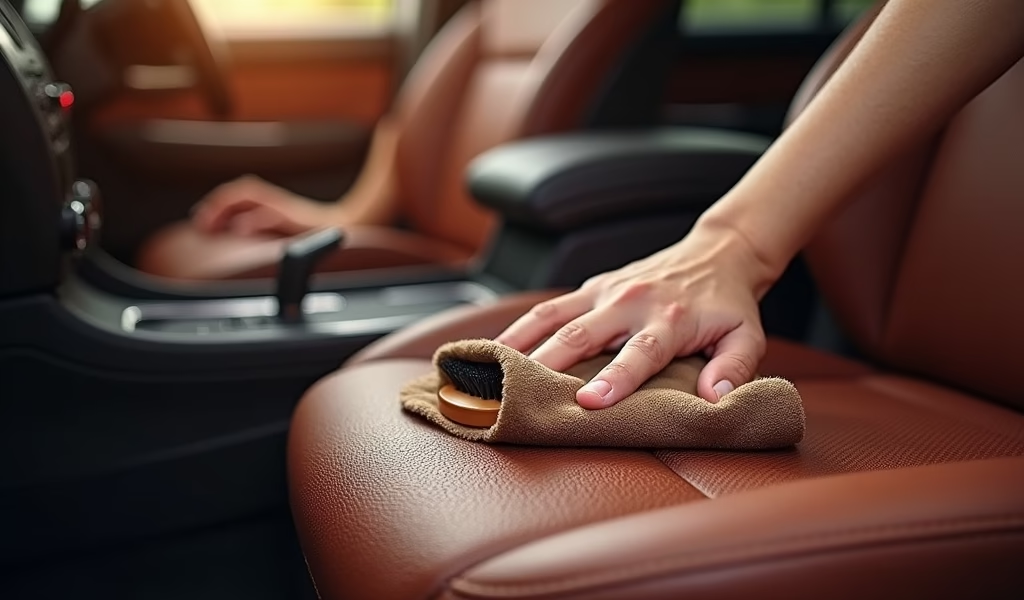
Leather and vinyl require a different approach. After dusting with a microfiber cloth, use a pH-balanced cleaner specifically formulated for your seat cover material. Harsh detergents can strip natural oils from leather or damage protective coatings on vinyl. Apply cleaner with a soft cloth, working in small sections and avoiding oversaturation. Always follow with an appropriate conditioner for leather to prevent drying and cracking.
For those with neoprene or specialized performance fabrics, consult your vehicle’s manual or the seat cover manufacturer for specific cleaning instructions. These materials often have unique properties that require specific care approaches. Research from Car and Driver indicates that using the wrong cleaning products on specialized materials can reduce their effectiveness and lifespan by up to 40%.
Quick Cleaning Checklist by Material Type:
- Fabric: Vacuum thoroughly, treat stains immediately, use fabric cleaner quarterly
- Leather: Dust weekly, clean monthly with leather cleaner, condition quarterly
- Vinyl: Wipe down weekly, clean monthly with vinyl protectant
- Neoprene: Rinse with cold water, air dry, avoid harsh chemicals
- Canvas: Brush off dirt, spot clean stains, deep clean twice yearly
Remember that consistency matters more than intensity. Brief, regular attention prevents the need for intensive restoration efforts later on and helps maintain your seat cover material’s original appearance and functionality.
Essential Tip #2: Addressing Spills Immediately
In my 20+ years working with vehicles, I’ve seen countless seat covers ruined by spills that could have been easily managed if addressed promptly. The golden rule with any seat cover material is simple: deal with spills within minutes, not hours. The longer a liquid sits, the deeper it penetrates, potentially causing permanent damage or requiring professional extraction.
Your approach to spill management should vary based on your seat cover material. For fabric covers, blot—don’t rub—the spill with an absorbent cloth or paper towel. Rubbing pushes the liquid deeper into fibers and can spread the stain. After removing excess liquid, apply a small amount of fabric cleaner to a clean cloth and gently work from the outside of the stain inward to prevent spreading.
Leather and vinyl seat covers offer more forgiveness with liquids since they don’t absorb as readily as fabric. Quickly wipe the spill with a microfiber cloth, then follow with a gentle leather or vinyl cleaner to remove any residue. For sticky substances like soda, a slightly dampened cloth with a tiny amount of mild soap works wonders before finishing with your material-specific cleaner.
Keep a small emergency cleaning kit in your vehicle for immediate response. A basic kit should include microfiber cloths, gentle cleaning wipes safe for your specific seat cover material, and a small bottle of appropriate cleaner. This preparation can make the difference between a momentary inconvenience and permanent damage to your seats.
For particularly challenging spills like red wine, coffee, or grease, you might need specialized approaches. Some professional detailing techniques include using club soda on fresh red wine stains or cornstarch to absorb oil from fabric seats. When dealing with unknown substances, always test any cleaner on an inconspicuous area first to ensure it won’t cause discoloration.
Essential Tip #3: Sun Protection Strategies
UV damage represents one of the most underestimated threats to seat cover material longevity. The sun’s rays work silently but relentlessly, breaking down fibers, fading colors, and causing leather and vinyl to dry out and crack. I’ve seen perfectly maintained vehicles with severely damaged interiors simply from regular parking in sunny areas.
The most effective sun protection strategy is prevention. When possible, park in shaded areas or garages. If these aren’t available, a quality windshield sunshade becomes essential equipment. These inexpensive items dramatically reduce interior temperatures and block direct UV exposure to your front seats. For comprehensive protection, consider side window shades as well, particularly if you regularly park in exposed locations.
For leather and vinyl seats, regular application of UV protectant products creates a crucial barrier against sun damage. These specialized formulations contain UV blockers similar to sunscreen for your skin. Apply according to product directions, typically every 4-6 weeks for vehicles regularly exposed to sun. Consumer Reports testing shows that quality protectants can reduce UV damage by up to 85% compared to untreated surfaces.
Fabric seat covers benefit from fabric-specific UV protectant sprays that help prevent fading. These products create an invisible shield that blocks harmful rays without changing the material’s texture or breathability. For maximum effectiveness, apply after each deep cleaning session, allowing the product to fully dry before using the seats.
Another overlooked strategy is the use of seat covers over your factory seats. These removable covers provide an additional physical barrier against UV damage while offering the opportunity to customize your interior appearance. If choosing this approach, ensure the covers are properly sized to prevent sliding, which can cause friction damage to the underlying material.
Essential Tip #4: Avoiding Harmful Products
In my years helping vehicle owners maintain their interiors, I’ve witnessed well-intentioned people cause significant damage by using inappropriate cleaning products on their seat cover material. The market is flooded with options promising miraculous results, but many contain harsh chemicals that can strip protective coatings, cause discoloration, or damage the material structure itself.
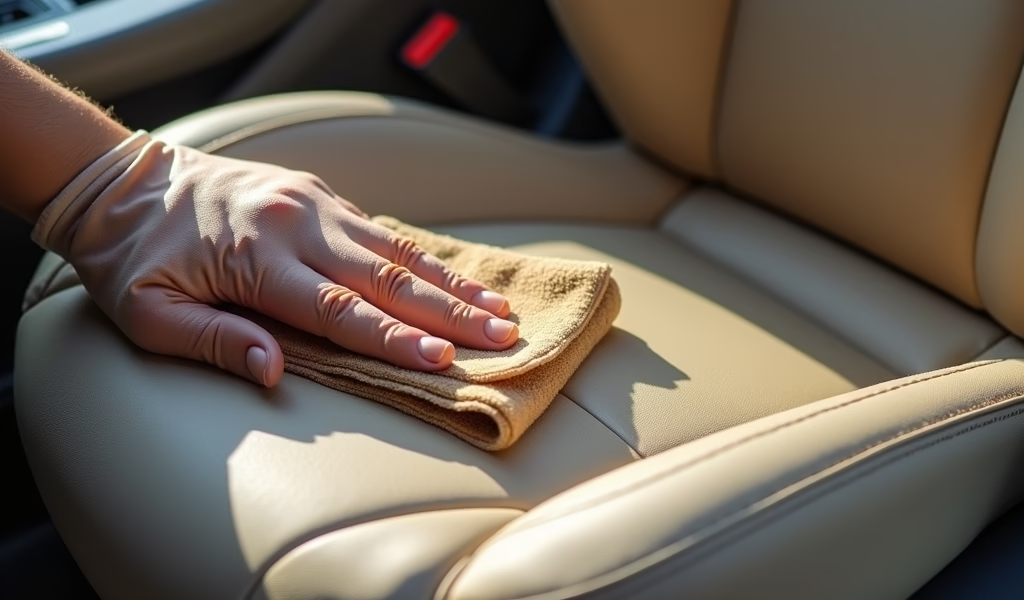
Household all-purpose cleaners often contain ammonia, bleach, or high-alcohol content that can be devastating to leather and vinyl seats. These chemicals break down protective finishes and dry out natural oils in leather, leading to premature aging and cracking. Similarly, dish soaps might seem mild but typically contain degreasers that strip away protective treatments from all seat materials.
Another common mistake is using excessive water when cleaning fabric seats. Oversaturation can lead to water penetrating to the seat cushion, potentially causing mold or mildew growth in the padding beneath. This not only creates unpleasant odors but can also pose health risks to vehicle occupants, especially those with respiratory sensitivities.
When choosing products for your seat cover material, look for those specifically formulated for automotive use and your particular material type. Quality matters here—professional-grade products typically cost more but contain balanced formulations that clean effectively without causing damage. For those interested in deeper material care, step-by-step car detailing guides can provide detailed product recommendations.
Products to Avoid by Seat Cover Material:
- Leather: Alcohol-based products, citrus cleaners, silicone-heavy conditioners
- Vinyl: Petroleum-based solvents, abrasive cleaners, furniture polish
- Fabric: Bleach-containing products, high-alkaline cleaners, excessive water
- Neoprene: Oil-based cleaners, heat-based drying methods, scrub brushes
- Canvas: Chlorine bleach, machine washing (for removable covers), high-pressure water
If you’re uncertain about a product’s suitability, always test in an inconspicuous area first—perhaps under a seat edge or corner—and wait 24 hours to check for adverse reactions before applying more broadly. This simple precaution can save you from costly repairs or replacements.
Essential Tip #5: Seasonal Maintenance
Different seasons present unique challenges for your seat cover material, requiring tailored maintenance approaches. As someone who’s worked with vehicles across climate zones, I’ve seen how seasonal care significantly extends seat life and appearance. Adapting your maintenance routine to address seasonal threats is a strategy that pays dividends in material longevity.
Summer demands increased attention to UV protection and cooling strategies. Beyond using sunshades, consider applying a fresh coat of protectant at the season’s start. For leather seats, more frequent conditioning (every 4-6 weeks rather than quarterly) helps counteract the drying effects of air conditioning and heat. Additionally, towel covers can be useful for beach trips or outdoor activities where sunscreen and water exposure is likely.
Winter brings moisture challenges from snow, rain, and road salt tracked into your vehicle. Fabric seats benefit from water-repellent treatments applied before winter begins. For all seat types, more frequent vacuuming removes abrasive salt particles that can damage fibers or finishes. Consider keeping absorbent seat covers or towels in your vehicle for particularly wet days.
Fall and spring transition seasons offer perfect opportunities for deep cleaning sessions. The moderate temperatures allow for thorough cleaning with appropriate drying time. These seasons are ideal for extraction cleaning of fabric seats or deep conditioning treatments for leather that need time to properly absorb.
Regardless of season, maintain consistent interior humidity levels when possible. Extreme dryness can cause leather and vinyl to crack, while excessive humidity promotes mold growth in fabric seats. If you live in an area with extreme conditions, consider using a dehumidifier in your garage during muggy months or a humidifier during exceptionally dry periods.
Seasonal maintenance also includes checking for developing issues before they become serious problems. Inspect seams for early signs of separation, look for color changes indicating UV damage, and test the effectiveness of previous protectant applications by observing how water beads on the surface. According to Edmunds automotive experts, this proactive approach can extend your seat cover material’s lifespan by up to 30%.
Extending Your Seat Cover Lifespan
Beyond the essential care tips we’ve covered, several additional strategies can significantly extend your seat cover material’s useful life. These practices require minimal effort but deliver substantial benefits in maintaining your interior’s appearance and functionality.
Consider using seat protectors in high-wear situations. If you frequently transport children, pets, or engage in activities that might soil seats, removable covers provide an additional layer of protection. Modern options range from elegant fitted designs to practical waterproof versions that can be easily installed and removed as needed.
Manage entry and exit wear patterns by being mindful of how you access your vehicle. The outside edge of the driver’s seat typically shows wear first from sliding across during entry. Minimizing this movement by fully entering before sliding across can reduce friction wear. Similarly, avoiding sharp objects in back pockets (like keys or wallets) prevents punctures and abrasion to seat materials.
Address minor damage promptly before it escalates. Small tears in fabric or leather can be repaired with specialized kits if caught early. Similarly, addressing minor stains immediately prevents them from setting permanently. Many professional-grade repair products are now available to consumers, making DIY repairs increasingly feasible for minor issues.
For leather and vinyl seats, maintaining appropriate moisture levels is crucial. Beyond regular conditioning, consider using a small humidifier in your garage during winter months when heating systems can create extremely dry conditions. Conversely, in humid climates, running your air conditioning regularly helps prevent mold growth in fabric seats.
Finally, consider professional maintenance for high-end materials or vehicles you plan to keep long-term. Annual professional cleaning and treatment by specialists with material-specific expertise can address issues before they become visible problems. The investment typically ranges from $100-300 but can significantly extend the life of premium seat materials and maintain your vehicle’s resale value.
Conclusion
Proper care of your seat cover material isn’t just about maintaining appearances—it’s about protecting your investment, ensuring comfort, and preserving your vehicle’s value. The five essential care tips we’ve explored—regular cleaning routines, immediate spill response, sun protection, avoiding harmful products, and seasonal maintenance—form a comprehensive strategy for keeping your seats in optimal condition.
Remember that consistency matters more than intensity when it comes to seat cover care. Small, regular efforts prevent the need for major interventions later. Adapt your approach based on your specific seat cover material, driving habits, and local climate conditions.
Whether you’re preserving the leather seats in a luxury sedan or protecting the durable canvas in a work truck, these principles apply universally. The time you invest in seat cover maintenance pays dividends both in extended material life and in the pride and comfort you’ll experience every time you settle into your well-maintained vehicle.
By implementing these strategies and making seat cover care part of your regular vehicle maintenance routine, you’ll enjoy beautiful, comfortable, and durable seats for the entire life of your vehicle. Your passengers will notice the difference, and future buyers will appreciate the care you’ve taken—potentially translating to hundreds or even thousands of dollars in preserved resale value.
Frequently Asked Questions
How often should I condition leather seat covers?
Condition leather seats every three months under normal conditions. If your vehicle is frequently exposed to sun or extreme temperatures, increase to every 4-6 weeks.
Can I machine wash removable seat covers?
Check the manufacturer’s instructions first, as some materials can shrink or degrade. If machine washing is approved, use cold water on a gentle cycle and air dry to prevent shrinkage.
What’s the best way to remove pet hair from fabric seat covers?
Use a rubber glove or pet hair removal brush before vacuuming. For stubborn hair, lightly spray the surface with water and use a squeegee to gather hair before vacuuming.
How do I prevent color transfer from clothing to light-colored seats?
Apply a fabric protectant specifically designed for automotive upholstery. For leather or vinyl, ensure seats are properly conditioned and consider seat towels when wearing new or dark denim.
Is it worth getting my seats professionally cleaned?
Professional cleaning is recommended annually for premium materials or heavily used vehicles. The cost ($100-300) is significantly less than replacement and helps maintain both appearance and vehicle value.