

Overview
Those innocent-looking door sill plates—the metal or plastic strips you mindlessly step over while entering your car—are secretly begging for attention through seven maintenance treatments ranging from basic cleaning to ceramic coatings. Regular maintenance of these overlooked components not only preserves your vehicle’s appearance and resale value but also prevents costly structural damage, with specific treatment methods varying by material type and requiring different maintenance schedules.
Table of Contents
- Understanding Door Sill Plates
- Importance of Regular Maintenance
- Treatment 1: Basic Cleaning
- Treatment 2: Metal Polish Application
- Treatment 3: Protective Waxing
- Treatment 4: Vinyl Treatment
- Treatment 5: Paint Sealant
- Treatment 6: Ceramic Coating
- Treatment 7: Protective Film
- Maintenance Schedule
- Conclusion
- Frequently Asked Questions
Understanding Door Sill Plates
Door sill plates are those often overlooked components of your vehicle that take a beating every time you enter or exit your car. Located at the bottom of the door opening, these protective plates cover the junction between your vehicle’s floor and body panels. They’re designed to shield the underlying metal from scratches, scuffs, and corrosion while adding a touch of style to your interior.
As a mechanic who’s seen the consequences of neglected door sill plates first-hand, I can tell you they deserve more attention than most owners give them. Door sill plates come in various materials—stainless steel, aluminum, carbon fiber, and plastic—each requiring specific care methods to maintain their appearance and protective qualities.
The condition of your door sill plates speaks volumes about your attention to detail. These components endure constant abuse from shoes, bags, and equipment being dragged across them. Over time, this traffic can lead to a lackluster appearance, scratches, and even permanent damage if left untreated.
Importance of Regular Maintenance
Regular door sill plate maintenance isn’t just about aesthetics—though a gleaming entry point certainly enhances your vehicle’s overall impression. Properly maintained sill plates provide crucial protection for structural components that would be expensive to repair if damaged.
When dirt, salt, and moisture accumulate on these plates, they can accelerate corrosion and deterioration. This is particularly true for vehicles in coastal areas or regions that use road salt in winter. By implementing a consistent maintenance routine, you’ll extend the lifespan of both the plates themselves and the underlying structure.
Beyond protection, well-maintained door sill plates contribute significantly to your vehicle’s resale value. Potential buyers notice these details during inspections, and pristine detailing work can set your car apart in a competitive market. Think of door sill maintenance as a small investment that pays dividends in vehicle longevity and value retention.
Treatment 1: Basic Cleaning
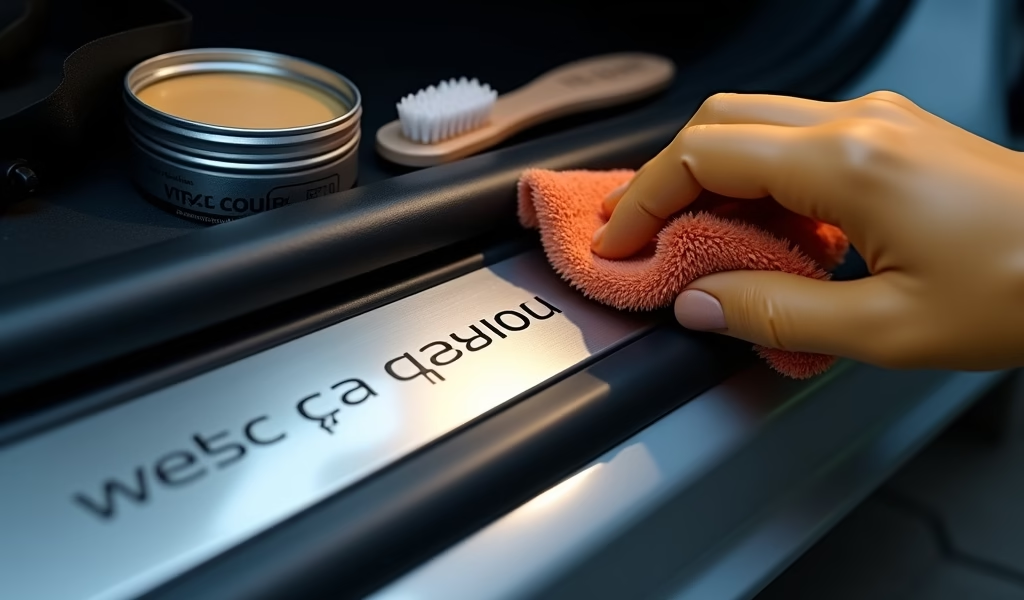
The foundation of any door sill plate maintenance routine starts with proper cleaning. Even before applying specialized treatments, removing accumulated dirt and grime is essential for allowing subsequent products to bond properly with the surface.
Begin with a thorough vacuum of the entire area using a crevice tool to extract loose dirt and debris from corners and edges. This prevents scratching during the wet cleaning phase. Next, prepare a solution of mild automotive soap and warm water—avoid household cleaners as they may contain harsh chemicals that damage protective coatings.
Apply the solution using a soft microfiber cloth, working in small sections with gentle circular motions. For textured areas or stubborn grime, a soft-bristled detailing brush can help reach into crevices without scratching. Always follow with a clean, damp microfiber cloth to remove soap residue, then dry thoroughly with another clean microfiber towel.
For plastic or vinyl sill plates, this basic cleaning might be sufficient for regular maintenance. However, for metal plates or those with significant wear, you’ll want to proceed to more specialized treatments after this essential first step.
Treatment 2: Metal Polish Application
Metal door sill plates—particularly stainless steel or aluminum ones—benefit tremendously from dedicated metal polish treatments. These specialized formulations remove oxidation, minor scratches, and restore the original luster that makes these components so appealing.
Select a high-quality automotive metal polish appropriate for your specific sill plate material. Aluminum requires a different formulation than stainless steel, so check your vehicle documentation if you’re unsure about the material. Apply a small amount of polish to a clean microfiber applicator pad—a little goes a long way with quality products.
Work the polish into the surface using moderate pressure and overlapping circular motions. You’ll notice the polish turning dark as it lifts oxidation and contaminants from the metal. For heavily oxidized plates, you might need multiple applications, working in small sections at a time. Once the polish has been worked in and begins to dry to a haze, buff it away with a fresh, clean microfiber towel.
The results can be dramatic—restoring a mirror-like shine to dulled metal surfaces. According to professional detailers at Hagerty, quarterly polishing is sufficient for most vehicles, though those in harsh environments might benefit from more frequent attention.
Treatment 3: Protective Waxing
After cleaning and polishing your metal door sill plates, applying a protective layer of automotive wax creates a barrier against future contamination and oxidation. This simple step extends the time between deeper cleanings and helps maintain that showroom shine.
Choose a high-quality carnauba or synthetic wax formula designed for automotive use. Apply a thin, even coat using a foam applicator pad, working the wax into the surface with light pressure. Allow the wax to haze according to the manufacturer’s instructions—usually a few minutes in moderate temperatures.
Remove the wax with a plush microfiber towel, turning to a fresh section of the towel frequently to prevent scratching. The waxed surface should feel smooth and slick to the touch, with water beading upon contact. This hydrophobic property helps prevent moisture from sitting on the metal surface where it could cause corrosion.
For maximum protection, consider applying two thin coats rather than one thick application. Multiple thin layers bond better and provide more consistent protection than a single heavy coat that may not cure properly. Reapply wax protection every 2-3 months or whenever you notice water no longer beading on the surface.
Treatment 4: Vinyl Treatment
Many modern vehicles feature door sill plates with vinyl or plastic components, either as part of the plate itself or as decorative overlays. These materials require different care techniques than metal surfaces to prevent cracking, fading, and deterioration.
After basic cleaning, apply a specialized automotive vinyl protectant using a microfiber applicator. Look for products with UV inhibitors to prevent sun damage, particularly important for vehicles frequently parked outdoors. Apply the product evenly across the vinyl surfaces, allowing it to penetrate for the recommended time.
Wipe away any excess product with a clean microfiber towel—leaving too much protectant can create a sticky surface that attracts dust. Quality vinyl treatments restore a natural satin finish rather than an artificial glossy appearance. For thorough interior care, treat these surfaces monthly to maintain flexibility and prevent premature aging.
Some vinyl treatments also contain conditioning agents that nourish the material, preventing the hardening and cracking that often occurs with age. Think of this process as moisturizing for your car’s plastic components—essential for long-term preservation and appearance.
Treatment 5: Paint Sealant
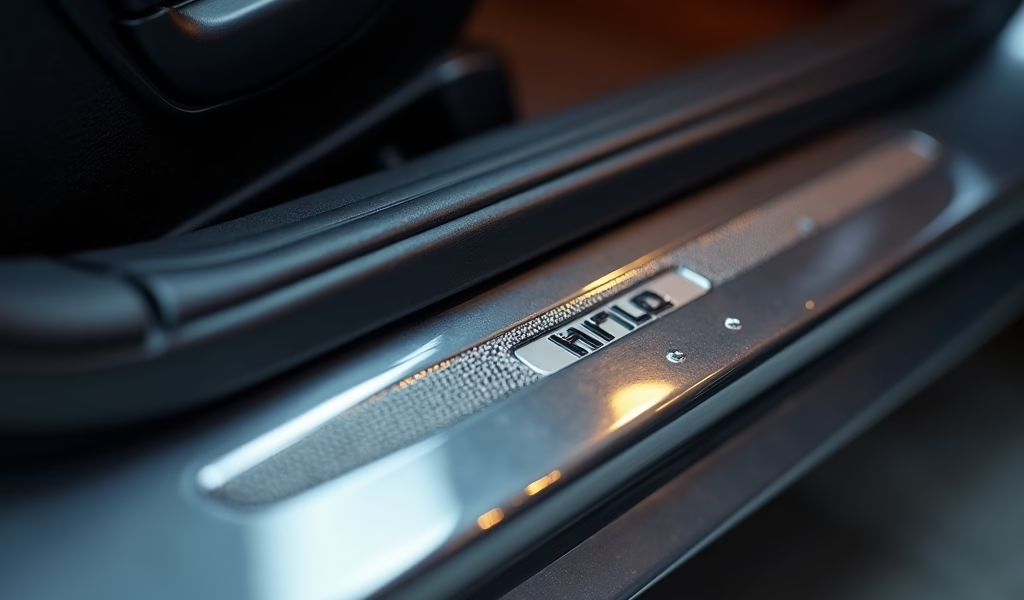
For painted door sill plates, a synthetic paint sealant offers superior longevity compared to traditional waxes. These polymer-based products create a durable protective layer that can last 6-12 months, significantly reducing maintenance frequency while providing excellent protection.
Start with thoroughly cleaned and dried surfaces—any contamination trapped under the sealant will compromise its effectiveness. Apply a small amount of sealant to a foam applicator pad and work it into the painted surface using straight, overlapping lines rather than circular motions for the most even coverage.
Allow the sealant to cure according to the manufacturer’s instructions, typically 15-30 minutes until it forms a visible haze. Remove the haze with a plush microfiber towel, using light pressure initially and increasing pressure during final buffing to activate the polymers in the sealant.
The molecular structure of quality paint sealants bonds with the paint surface at a microscopic level, creating a smooth, slick finish that repels water, dirt, and contaminants more effectively than natural waxes. According to Consumer Reports testing, synthetic sealants consistently outperform traditional waxes in durability tests, making them ideal for high-traffic areas like door sills.
Treatment 6: Ceramic Coating
For the ultimate in door sill plate protection, ceramic coatings represent the pinnacle of current automotive surface treatment technology. These silicon dioxide (SiO2) based formulations create an extremely durable chemical bond with the underlying surface, providing protection measured in years rather than months.
Professional-grade ceramic coatings typically require application by trained technicians, but consumer-grade versions have made this technology accessible to dedicated DIY enthusiasts. The application process demands meticulous preparation—any imperfections must be corrected before coating, as the ceramic will lock them in place.
Apply the coating in a controlled environment free from dust and humidity, following the specific manufacturer’s instructions precisely. Most require application to small sections at a time, with careful buffing after a specific flash time. The initial cure typically takes 24 hours, with full hardening occurring over 1-2 weeks.
The benefits are substantial: exceptional resistance to chemicals, UV damage, extreme temperatures, and physical abrasion. The slick hydrophobic surface makes cleaning remarkably easy, with most dirt simply rinsing away with water. While the initial investment is higher than other treatments, the longevity (typically 2-5 years) makes ceramic coating cost-effective for those planning long-term ownership of their vehicle. For those serious about maintaining their vehicle’s components, this represents the gold standard in protection.
Treatment 7: Protective Film
For the most high-traffic door sill plates, particularly in vehicles used for commercial purposes or family transportation, clear protective films offer physical barrier protection that’s difficult to match with liquid applications alone. These polyurethane films absorb impacts and prevent scratches from reaching the underlying surface.
Pre-cut kits are available for many popular vehicle models, or universal sheets can be trimmed to fit custom applications. Installation requires patience and attention to detail—the surface must be impeccably clean, and the film must be applied without trapping air bubbles or debris underneath.
Most quality films feature self-healing properties that allow minor scratches to disappear with heat application (often just from sunlight or a hot engine compartment). They’re virtually invisible when properly installed, preserving the original appearance while adding a substantial layer of protection.
The durability of modern protective films is impressive, with many manufacturers offering 5-10 year warranties against yellowing, cracking, or peeling. While more expensive initially than liquid treatments, the “install and forget” nature makes them attractive for busy vehicle owners who prioritize protection over frequent maintenance rituals.
Maintenance Schedule
Developing a consistent maintenance schedule ensures your door sill plates remain in optimal condition without requiring excessive time investment. The frequency needed depends on your specific vehicle use, climate conditions, and the treatments you’ve applied.
For vehicles with standard protection (wax or sealant), I recommend this maintenance schedule:
- Weekly: Quick wipe-down with a clean microfiber cloth to remove loose dirt and debris
- Monthly: Full cleaning with automotive soap and water
- Quarterly: Polish (for metal surfaces) and reapplication of wax or sealant
- Annually: Comprehensive deep cleaning and inspection for damage requiring repair
If you’ve invested in ceramic coatings or protective film, the schedule can be simplified:
- Weekly: Rinse with water or quick wipe-down
- Monthly: Cleaning with pH-neutral automotive soap
- Bi-annually: Inspection and application of ceramic coating booster (if applicable)
- Every 2-5 years: Reapplication of ceramic coating or replacement of protective film
Remember that preventative maintenance is always more efficient than restoration. Five minutes of regular attention prevents hours of corrective work later. Set calendar reminders for these maintenance tasks, perhaps coinciding with other regular vehicle service intervals for convenience.
Conclusion
Door sill plates may seem like minor components in the grand scheme of vehicle ownership, but their condition reflects your attention to detail and affects both protection and presentation. By implementing these seven proven treatments—from basic cleaning to advanced ceramic coatings—you’re ensuring these hardworking surfaces maintain their function and appearance for years to come.
The beauty of this comprehensive approach is its scalability. You can start with the basic treatments and progressively adopt more advanced methods as your time, budget, and enthusiasm allow. Each step builds upon the previous one, creating layers of protection and enhancing the visual appeal of your vehicle’s entry points.
Remember that consistency trumps intensity in door sill plate maintenance. Regular, gentle care will always yield better long-term results than infrequent aggressive treatments that might damage sensitive surfaces. With these professional-grade techniques in your automotive care arsenal, you’ll enjoy the satisfaction of pristine door sill plates that welcome you and your passengers in style for the lifetime of your vehicle.
Frequently Asked Questions
How often should I clean my door sill plates?
For daily-driven vehicles, wipe down door sill plates weekly and perform a thorough cleaning monthly. Adjust frequency based on usage conditions and local climate factors.
Can I use household cleaners on door sill plates?
Avoid household cleaners as they often contain harsh chemicals that can damage protective coatings and finishes. Stick with automotive-specific products designed for your sill plate material.
How do I remove deep scratches from metal door sill plates?
Light scratches can be removed with metal polish and elbow grease, but deep scratches may require progressive wet sanding with fine-grit automotive sandpaper followed by polishing. Consider professional help for valuable vehicles.
Are illuminated door sill plates more difficult to maintain?
Illuminated sill plates require additional caution around electrical components. Clean with lightly damp cloths rather than wet cleaning, and never use metal polishes on the illuminated areas.
Can I replace worn door sill plates myself?
Most door sill plates are attached with adhesive strips or screws and can be replaced as a DIY project. Factory replacements typically provide the best fit, though aftermarket options may offer enhanced materials or customization.