
Overview
Wheel wells are like your car’s armpits—constantly wet, collecting all kinds of nasty stuff, and embarrassingly prone to rust if neglected. The article presents ten effective rust prevention methods ranging from DIY grease application to professional ceramic coatings, emphasizing that regular maintenance and early intervention can save thousands in repair costs while preserving vehicle value.
Table of Contents
- Introduction
- Understanding Wheel Well Rust
- Preparation Before Treatment
- 10 Proven Rust Prevention Treatments
- Maintenance Schedule for Long-Term Protection
- Cost Comparison: Prevention vs. Repair
- Conclusion
- Frequently Asked Questions
Introduction
Wheel wells are your vehicle’s unsung heroes. They protect your tires while collecting everything from road salt to mud slush, making them prime targets for rust development. As a mechanic with over 15 years of experience, I’ve seen firsthand how neglecting these areas can lead to expensive repairs down the road.
Proper wheel well protection isn’t just about keeping your vehicle looking good—it’s about preserving its structural integrity and value. Rust damage in wheel wells can spread to surrounding components, potentially compromising your vehicle’s safety and significantly reducing its resale value.
Think of rust prevention as preventative medicine for your car. Just like regular check-ups help catch health issues early, implementing proper wheel well protection strategies can save you thousands in repair costs. Let’s explore why these often-overlooked areas deserve your attention and the most effective ways to keep them rust-free.
Understanding Wheel Well Rust
The Perfect Storm for Corrosion
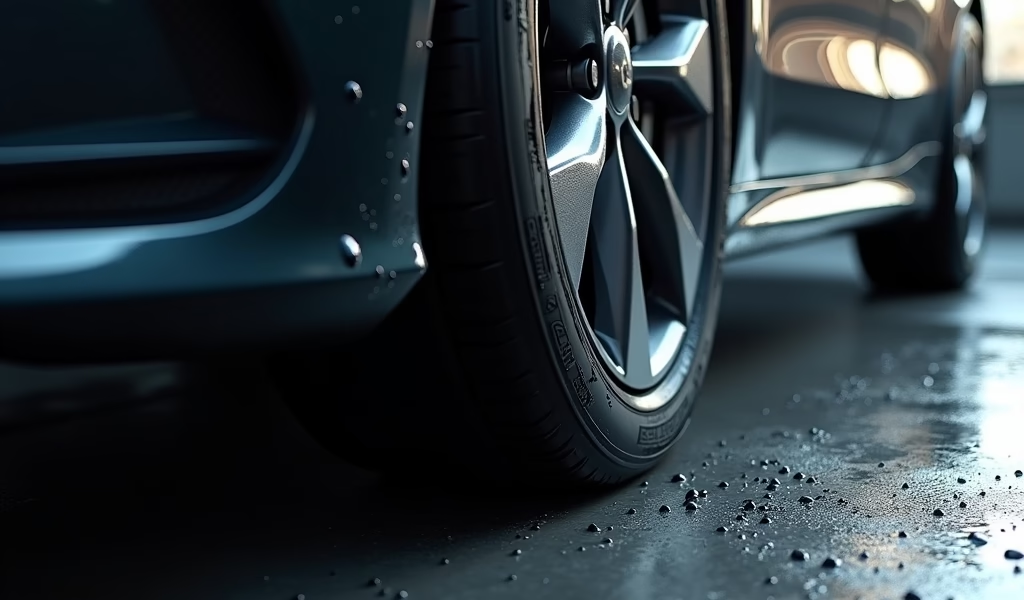
Wheel wells face a triple threat that makes them especially vulnerable to rust. First, they’re constantly exposed to moisture from rain, snow, and road puddles. Second, they collect road salt—that necessary winter evil that melts ice while feasting on your car’s metal. Third, they’re bombarded by debris like tiny rocks and road grit that chip away protective coatings and expose bare metal.
This combination creates what I call the “rust acceleration zone”—where all factors needed for aggressive corrosion come together in one unprotected area. It’s like having a leaky roof directly over your most valuable possessions during storm season.
Early Warning Signs
Catching rust early can save your vehicle and your wallet. Look for these telltale indicators when performing regular maintenance:
- Bubbling or blistering under paint
- Orange-brown discoloration in any area
- Flaking or scaling on metal surfaces
- Rough texture when running your hand along edges
- Visible holes or perforations (advanced stage)
During my career, I’ve seen far too many owners ignore these early signs until serious structural damage occurs. Don’t make that costly mistake.
Why Wheel Wells Are Particularly Vulnerable
Unlike other parts of your vehicle, wheel wells experience constant abuse. They’re repeatedly soaked by tire spray, rarely dry completely, and are continually peppered with road debris. Their enclosed design traps moisture while making inspection difficult.
Additionally, many manufacturers apply less protective coating to these areas than to visible exterior surfaces. It’s the automotive equivalent of wearing a raincoat with no hood during a downpour—the most vulnerable area gets the least protection.
Preparation Before Treatment
Proper Cleaning: The Foundation of Protection
Before applying any rust prevention treatment, thorough cleaning is non-negotiable. Years of grime buildup creates a moisture-trapping layer that will render even the best protection treatments ineffective.
Start with a pressure washer to blast away loose debris and mud. For stubborn buildup, use a wheel well-specific cleaner and a stiff brush. Pay special attention to corners and seams where moisture and salt accumulate. If you’re dealing with existing surface rust, use a wire brush attachment on a drill to remove it before treating.
Remember—skipping proper cleaning is like putting sunscreen on over dirt. It might feel like you’ve done something, but you haven’t created the protection you need.
Essential Tools and Materials
Gather these items before starting your wheel well protection project:
- Pressure washer or strong hose
- Wheel well-specific cleaner
- Wire brushes (both handheld and drill attachments)
- Medium and fine-grit sandpaper
- Degreaser for stubborn areas
- Rust converter for existing rust spots
- Drop cloths or cardboard for overspray protection
- Safety equipment (gloves, eye protection, respirator)
Having everything ready prevents the half-completed job syndrome I see in my shop all too often. Nothing accelerates rust like an interrupted treatment process.
Safety Considerations
Many rust prevention products contain chemicals that work wonders on metal but aren’t friendly to humans. Always work in a well-ventilated area—preferably outdoors or in a garage with doors open and fans running.
Wear chemical-resistant gloves to protect your skin, safety glasses to shield your eyes, and consider a respirator for aerosol applications. These precautions aren’t just mechanic paranoia—they’re based on seeing the effects of chemical exposure firsthand throughout my career.
10 Proven Rust Prevention Treatments
1. Rubberized Undercoating
Rubberized undercoating creates a thick, flexible barrier against moisture and debris. It’s like giving your wheel wells a waterproof rubber suit. Application involves spraying or brushing on multiple thin coats rather than one thick layer—this prevents cracking and ensures proper curing.
When professionally applied, quality undercoating lasts 3-5 years before needing touch-ups. DIY application costs $20-$50 in materials, while professional application runs $150-$300 but often includes warranty coverage. For vehicles in harsh climates, this is one of my top recommendations for comprehensive protection.
2. Fluid Film
This lanolin-based product (derived from sheep’s wool) has earned a cult following among mechanics in rust-belt regions. It actively displaces moisture while self-healing minor scratches. Its waxy, penetrating formula reaches crevices where water hides.
I recommend annual application in fall before winter salt appears. Fluid Film maintains flexibility in extreme cold and doesn’t dry or crack like harder coatings. At approximately $20 per can with enough product for two wheel wells, it’s an affordable option that delivers impressive results in the harshest conditions.
3. Wax-Based Sealants
Modern automotive wax sealants have evolved beyond just making your paint shine. Advanced synthetic formulations create hydrophobic barriers that repel water while being less messy than traditional undercoating.
Application is straightforward—use an applicator sponge with overlapping circular motions, focusing on complete coverage. Most quality wax sealants provide 6-12 months of protection, making them ideal for newer vehicles or recently restored wheel wells where maintaining a factory-like appearance matters.
4. Cavity Wax
Cavity wax specializes in reaching hidden areas where moisture collects but remains invisible during inspections. Using long, flexible spray wands, this product penetrates enclosed spaces, seams, and folds that other treatments might miss.
Beyond rust prevention, cavity wax displaces existing moisture and prevents future water intrusion. I typically recommend reapplication every 2-3 years, more frequently in harsh winter environments. For comprehensive wheel well protection, cavity wax complements surface treatments by protecting areas you can’t see.
5. POR-15 Treatment
POR-15 isn’t just a coating—it’s a chemical conversion process that bonds with metal and hardens to a nearly impenetrable finish. Its three-step system (cleaner, metal prep, coating) requires careful application but delivers exceptional results.
When properly applied, POR-15 can provide up to 10 years of protection. This makes it ideal for vehicles you plan to keep long-term. Just remember that thorough preparation is non-negotiable—in my shop, we spend more time on prep than actual application because that’s what determines success with this product.
6. Wheel Well Liners
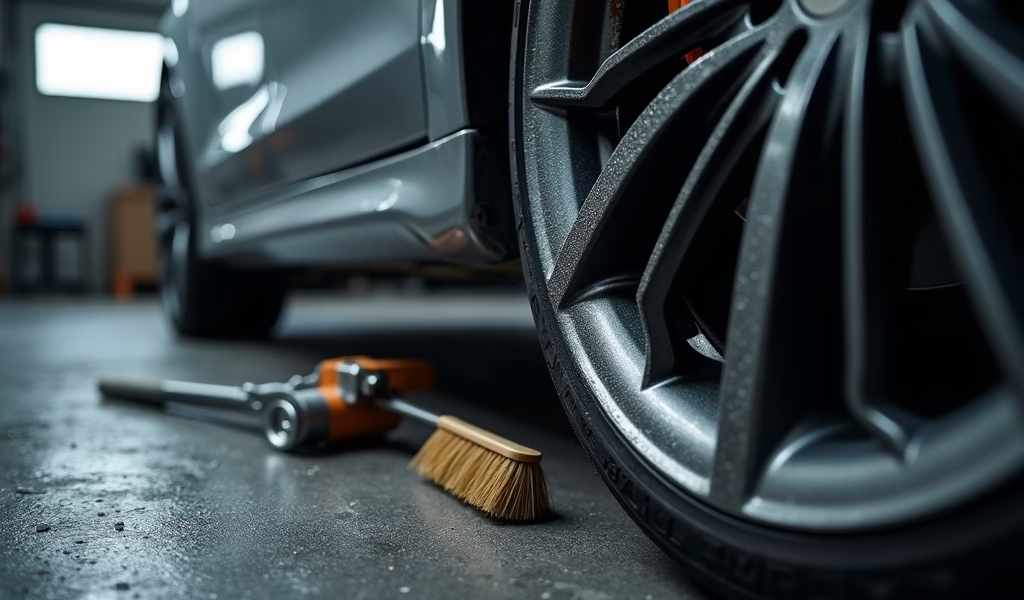
Physical barriers offer advantages that chemical treatments can’t match. Modern wheel well liners range from universal-fit plastic options to custom-molded solutions designed specifically for your vehicle model.
Most install using existing mounting points or self-tapping screws, making them a 15-30 minute per wheel project. Beyond rust protection, liners reduce road noise, prevent debris buildup, and make cleaning your vehicle easier. At $40-$200 per wheel depending on quality, their 10+ year lifespan makes them one of the most cost-effective long-term solutions.
7. Annual Oil Spray Services
Professional oil spray services use specialized equipment to reach critical areas throughout your vehicle, including wheel wells. Technicians apply oil-based rust inhibitors that penetrate seams and create a protective barrier against moisture.
According to independent studies, annual treatments reduce corrosion progression by up to 90%. At approximately $100-$150 per application, these services provide excellent value, especially in regions where road salt is heavily used during winter months.
8. Ceramic Coating Protection
Originally developed for paint protection, ceramic coatings have found their way into rust prevention applications. These products bond at the molecular level, creating an invisible shield with remarkable hydrophobic properties.
Professional ceramic coatings can protect for 2-5 years with minimal maintenance. While the $150-$300 price tag for wheel well application represents a premium option, their longevity and minimal maintenance requirements often justify the investment for owners of higher-end vehicles or those seeking “set it and forget it” protection.
9. DIY Grease Application
Sometimes the old-school approaches work best. Using marine grease or specialized chassis grease creates an effective moisture barrier at a fraction of commercial treatment costs. Apply using a paintbrush or gloved hand, focusing on seams, edges, and panel junctions.
This budget-friendly option requires quarterly inspection and annual reapplication. While effective, the main drawback is appearance—grease attracts dust and dirt, creating a messy look better suited to work vehicles than show cars. For those on tight budgets, however, it provides legitimate protection for pennies on the dollar.
10. Electronic Rust Protection Systems
These systems emit a weak electric current through the vehicle’s metal, theoretically preventing the electrochemical reaction that causes rust. Installation involves connecting a control module to the battery with grounding points attached to the vehicle body.
I approach these with professional skepticism—laboratory testing shows promise, but real-world results vary widely. At $200-$500 installed, they represent a substantial investment with uncertain returns. I typically recommend these only as supplements to proven physical barriers rather than standalone solutions.
Maintenance Schedule for Long-Term Protection
Seasonal Inspection Guidelines
Developing a seasonal routine dramatically improves your rust prevention success. In spring, thoroughly clean wheel wells after winter salt exposure and address any small rust spots immediately. Summer is ideal for checking protection during routine maintenance, ensuring heat hasn’t degraded coatings.
Fall is critical for applying or refreshing treatments before winter’s harsh conditions arrive. During winter months, try to rinse accumulated salt monthly when temperatures allow. This consistent attention prevents the “out of sight, out of mind” neglect that leads to serious problems.
Reapplication Timelines
Different treatments require different maintenance schedules:
- Fluid Film/Oil Spray: Annual application (fall)
- Rubberized Coatings: Inspect annually, touch up as needed, full reapplication every 3-5 years
- Wax-Based Products: Reapply every 6-12 months
- POR-15: Inspect annually, typically lasts 5-10 years
- Wheel Well Liners: Inspect annually for proper attachment and damage
Create calendar reminders for these maintenance milestones—they’re easy to forget until damage appears. I’ve seen perfectly good protection fail simply because renewal dates were missed.
Climate-Specific Considerations
Your location should influence your protection strategy. Coastal regions with salt air demand quarterly inspections regardless of season. Northern states with heavy winter road salt usage benefit from mid-winter rinses during temperature breaks.
Desert regions need protection focused on UV resistance alongside moisture barriers. High-humidity areas benefit from products with active moisture displacement properties. Tailor your approach to your specific environment rather than following generic guidelines.
Cost Comparison: Prevention vs. Repair
Investment in Prevention
A comprehensive wheel well protection program typically costs $100-$500 annually, depending on chosen methods and whether you DIY or seek professional application. This might seem significant until you compare it to repair costs.
When spread across a vehicle’s lifetime, prevention averages mere pennies per day. Even premium protection methods cost less than a monthly coffee habit, yet deliver financial benefits that compound over time.
Typical Repair Costs
Minor wheel well rust repair starts around $300-$600 per wheel well. This involves cutting out affected areas, welding in replacement metal, and refinishing to match. More extensive structural repairs from neglected rust easily exceed $2,000 per affected area—if you catch it before it compromises critical components.
In severe cases, vehicles become economically unfeasible to repair, leading to premature replacement. I’ve delivered this devastating news to too many owners who could have prevented it with basic protection.
Value Preservation
Beyond repair cost avoidance, rust-free wheel wells significantly impact resale value. Clean wheel wells can add $500-$1,500 to average vehicles and substantially more for premium or collector cars.
This preservation extends to overall vehicle longevity. In rust-belt regions especially, proper wheel well protection can add years to a vehicle’s useful life. The return on investment becomes clear when you consider the cost of vehicle replacement versus ongoing protection.
Conclusion
Wheel well protection might not be the most exciting aspect of vehicle ownership, but it’s among the most valuable. The treatments outlined here represent proven approaches I’ve recommended to customers throughout my career as a mechanic.
Whether you choose the simplicity of annual oil sprays, the physical protection of quality wheel liners, or a combination of multiple approaches, consistent application of these proven treatments will extend your vehicle’s life and preserve its value. The key is starting before rust appears and maintaining your chosen protection consistently.
For newer vehicles, implement protection strategies immediately—prevention is always easier than cure. For older vehicles showing early symptoms, aggressive treatment now prevents exponential deterioration later. And for vehicles you plan to keep long-term, combining multiple approaches offers the most comprehensive protection.
Remember: rust never takes a day off, but with the right protection, your wheel wells can remain strong for the life of your vehicle. Your future self (and your wallet) will thank you for the attention you give these overlooked areas today.
Frequently Asked Questions
How often should I inspect my wheel wells for rust?
Inspect wheel wells seasonally (four times yearly) and after extended driving in heavy salt conditions. More frequent inspections are recommended if you live in coastal or heavy winter salt regions.
Can I apply wheel well protection treatments in cold weather?
Most treatments require temperatures above 50°F (10°C) for proper application and curing. Plan protection work during warmer months before winter conditions arrive.
Will wheel well liners trap moisture and make rust worse?
Quality wheel well liners are designed with ventilation and drainage features to prevent moisture trapping. Ensure proper installation with all factory drain holes remaining uncovered.
Is it worth protecting older vehicles with existing rust?
Yes, proper treatment can stabilize existing rust and prevent further spread. Convert active rust first, then apply appropriate protection treatments to extend vehicle life.
Can I combine multiple wheel well protection methods?
Combining compatible methods often provides superior protection—many professionals use cavity wax in hidden areas and undercoating or liners for exposed surfaces. Just ensure products are compatible before application.