
Overview
Hub seals may be tiny components, but they’re the unsung heroes keeping your wheel assembly from turning into a grinding catastrophe of metal and tears. This article explains what hub seals are, how to identify when they’re failing, the benefits of timely replacement, necessary tools and steps for replacement, and maintenance tips to extend their lifespan—all to save you from expensive repairs and potential safety hazards.
Table of Contents
- Understanding Hub Seals: What They Are and Why They Matter
- 5 Warning Signs of Hub Seal Failure You Shouldn’t Ignore
- The Benefits of Timely Hub Seal Replacement
- DIY vs. Professional Replacement: Making the Right Choice
- 5 Essential Steps for Hub Seal Replacement
- Tools and Materials You’ll Need
- Post-Replacement Maintenance Tips to Extend Seal Life
- Cost Considerations for Hub Seal Replacement
- Conclusion
- Frequently Asked Questions
Understanding Hub Seals: What They Are and Why They Matter
Hub seal replacement is one of those maintenance tasks that many drivers overlook until serious problems develop. These unassuming components play a crucial role in your vehicle’s wheel system, keeping lubricant in and contaminants out of your wheel bearings and axles.
Think of hub seals as the guardians of your wheel assembly. Located between your wheel hub and axle, these rubber or metal-encased seals create a watertight barrier that protects the wheel bearings. Without properly functioning hub seals, the lubricant that keeps your bearings running smoothly can leak out, while water, dirt, and road grime can make their way in—a recipe for expensive damage.
For most passenger vehicles, hub seals consist of a rubber seal with a metal case that fits snugly into the wheel hub. Heavy-duty vehicles like trucks often use more robust designs to handle increased weight and stress. Regardless of your vehicle type, these seals face constant exposure to extreme temperatures, moisture, and road debris, making them susceptible to wear over time.
The importance of hub seals becomes particularly evident when we consider their relationship to your overall vehicle maintenance routine. Much like changing your oil or checking your brakes, monitoring the condition of your hub seals should be part of your regular vehicle care.
5 Warning Signs of Hub Seal Failure You Shouldn’t Ignore
How do you know when a hub seal is crying out for replacement? Your vehicle will usually give you several hints before a complete failure occurs. Here are the telltale signs you should watch for:
- Visible fluid leaks: Notice dark grease or oil around your wheels or brakes? That’s often your first clue that a hub seal has begun to fail. This leakage might appear as dark streaks on your wheel or puddles beneath your vehicle when parked.
- Unusual noises: If your wheel bearings are losing lubrication due to a leaking seal, you’ll likely hear grinding, humming, or rumbling noises while driving, especially when turning.
- Uneven tire wear: A failing hub seal can lead to inadequate lubrication, causing your wheel to develop a slight wobble that results in uneven tire wear patterns.
- Pulling to one side: When hub seals fail, the resulting damage to wheel bearings can cause your vehicle to pull to the affected side during braking or normal driving.
- ABS warning light: Modern vehicles often have sensors near the wheel hubs. If contamination from a leaking seal interferes with these sensors, your ABS warning light might illuminate.
Catching these warning signs early can save you from more extensive repairs down the road. According to AAA’s automotive experts, addressing leaking hub seals promptly can prevent damage to brake components and wheel bearings, potentially saving hundreds in repair costs.
The Benefits of Timely Hub Seal Replacement
Timely hub seal replacement isn’t just about fixing a leak—it’s about protecting your vehicle’s overall health and your wallet. Let’s explore the major benefits of addressing hub seal issues promptly:
Extended wheel bearing life: Wheel bearings are expensive components that rely on proper lubrication. By maintaining intact hub seals, you keep these bearings properly lubricated and protected from contamination, potentially extending their life by years.
Improved safety: Failed hub seals can eventually lead to wheel bearing failure, which in extreme cases can cause a wheel to seize or even separate from the vehicle. By replacing worn seals, you eliminate this serious safety risk.
Enhanced braking performance: When hub seals leak, the escaping fluid can contaminate brake components, reducing braking efficiency. Fresh seals keep your braking system clean and operating at peak performance.
Better fuel economy: Properly lubricated wheel components create less resistance, requiring less fuel to maintain speed. It’s a small difference that adds up over thousands of miles.
Prevention of cascading failures: One of the most compelling reasons for timely hub seal replacement is avoiding the domino effect of related problems. What starts as a $100 seal replacement can quickly escalate to a $1,000+ repair bill if wheel bearings, brake components, and axles become damaged.
Taking care of hub seal issues promptly connects directly to your vehicle’s longevity. As part of your essential car maintenance tasks, regular inspection of these components can help you catch problems before they escalate, keeping your vehicle on the road longer and operating more efficiently.
DIY vs. Professional Replacement: Making the Right Choice
When facing hub seal replacement, you have an important decision to make: tackle the job yourself or trust a professional? This choice depends on several factors including your mechanical experience, available tools, and vehicle type.
The DIY approach: For mechanically inclined individuals with proper tools and workspace, hub seal replacement can be a rewarding DIY project. You’ll save on labor costs (typically $80-150 per hour) and gain valuable knowledge about your vehicle’s wheel system. However, this isn’t a beginner-level repair. You’ll need specialized tools like seal pullers, drivers, and possibly a hydraulic press for some vehicles.
The professional approach: For most drivers, professional installation is the safer choice. Mechanics have the specialized tools and experience to complete the job correctly the first time. They can also spot related issues that might be developing and provide comprehensive service that addresses the root causes of seal failure.
Consider your vehicle type as well. Modern front-wheel-drive vehicles often have complex hub assemblies that require more specialized knowledge. Rear-wheel-drive trucks and SUVs sometimes have more straightforward hub seal designs, making them somewhat more DIY-friendly.
The Car and Driver maintenance research team suggests that hub seal replacement typically takes professionals 1-3 hours per wheel, while DIYers might need twice that time for their first attempt. Factor this time investment into your decision.
If you’re looking for affordable car repair options, remember that sometimes paying for professional service now prevents costlier repairs later. The decision ultimately comes down to your comfort level, tools, and the complexity of your specific vehicle’s design.
5 Essential Steps for Hub Seal Replacement
If you’ve decided to tackle hub seal replacement yourself or simply want to understand the process your mechanic will follow, here’s a breakdown of the essential steps involved:
1. Preparation and Safety First
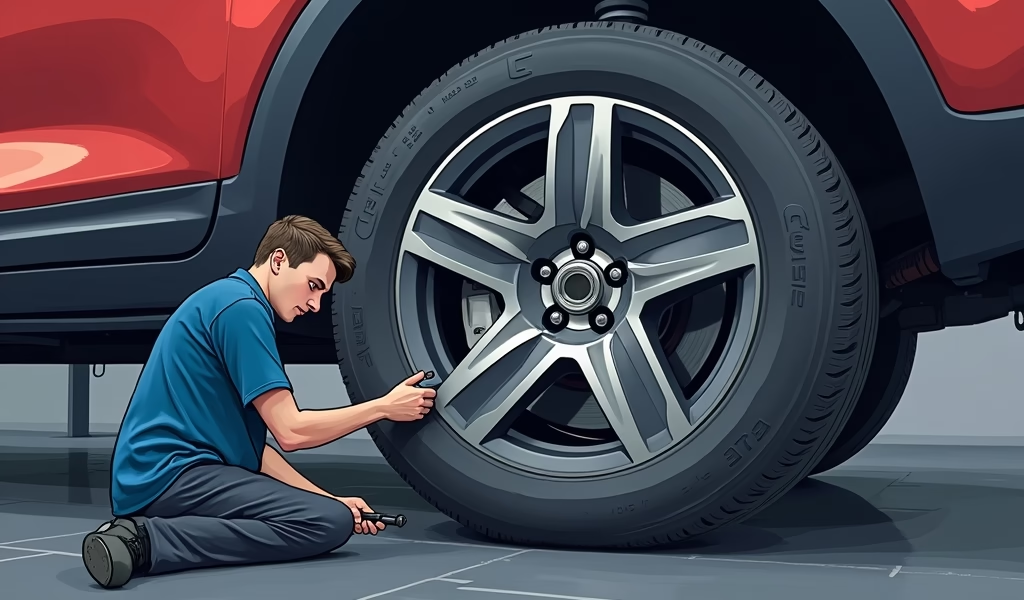
Begin by parking on a flat, solid surface and engaging the parking brake. Loosen the lug nuts on the affected wheel before jacking up the vehicle. Once raised, secure the vehicle with jack stands—never rely solely on a jack for safety. Remove the wheel completely for full access to the hub assembly.
Safety gear is non-negotiable here: wear gloves to protect against sharp edges and eye protection against debris. Depending on your vehicle, you might also need to remove brake components to access the hub seal.
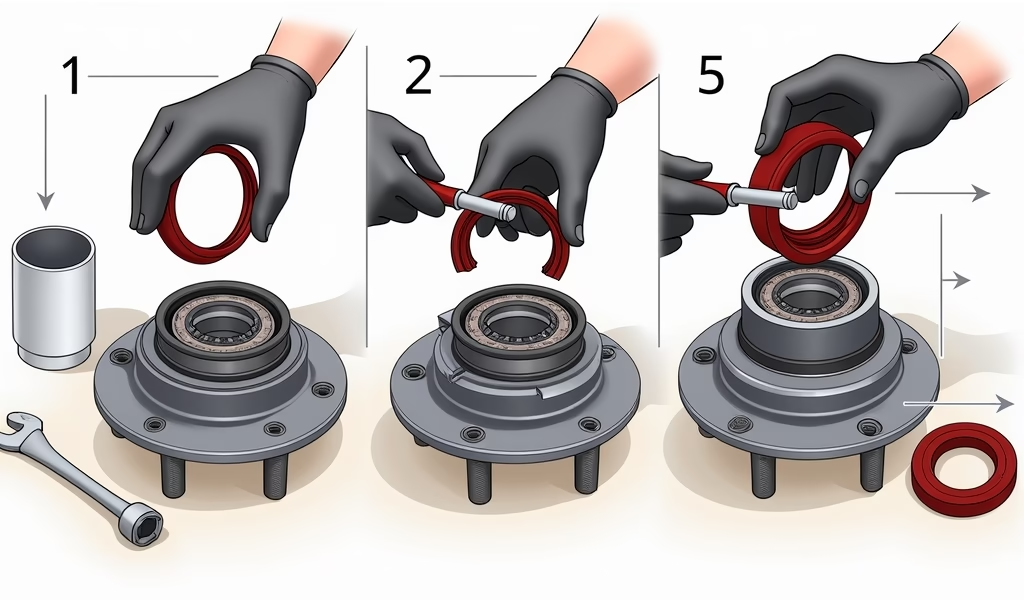
2. Removing the Old Seal
With access established, locate the old hub seal. In most vehicles, you’ll need to remove the brake rotor or drum first. Some designs may require removing the hub assembly entirely. Using a seal puller or carefully placed flat screwdriver, work around the edge of the old seal to gradually pry it out of its housing.
Take note of the seal’s orientation before removal—the new seal will need to be installed in exactly the same position. Also, inspect the removed seal for damage patterns that might indicate other problems requiring attention.
3. Cleaning and Inspection
With the old seal removed, thoroughly clean the seal cavity using brake cleaner or a similar solvent that leaves no residue. Inspect the bearing surfaces and surrounding components for signs of damage. Look for scoring, pitting, or excessive wear that might compromise the new seal’s effectiveness.
This inspection step is crucial—installing a new seal into a damaged housing or alongside worn bearings is simply wasting time and money. If you discover significant damage, additional repairs may be necessary before proceeding.
4. Installing the New Seal
Apply a thin coat of clean bearing grease to the outer edge of the new seal to aid installation. Using a seal driver of the correct size (or a socket that matches the seal’s outer diameter), position the new seal squarely over the housing. Gently tap around the perimeter of the seal driver with a hammer, applying even pressure until the seal is fully seated.
The key here is patience and precision—the seal must go in straight and to the correct depth. An improperly installed seal will fail prematurely, forcing you to repeat the entire process.
5. Reassembly and Testing
After successful seal installation, reassemble all components in reverse order. Be sure to apply appropriate lubricants to bearings as specified in your vehicle’s service manual. Torque all fasteners to manufacturer specifications using a torque wrench—this is not a step where “tight enough” is adequate.
Once reassembled, lower the vehicle and test drive at low speeds in a safe area, listening for unusual noises and checking for leaks. A proper hub seal replacement should result in quiet operation and no visible fluid leakage.
Tools and Materials You’ll Need
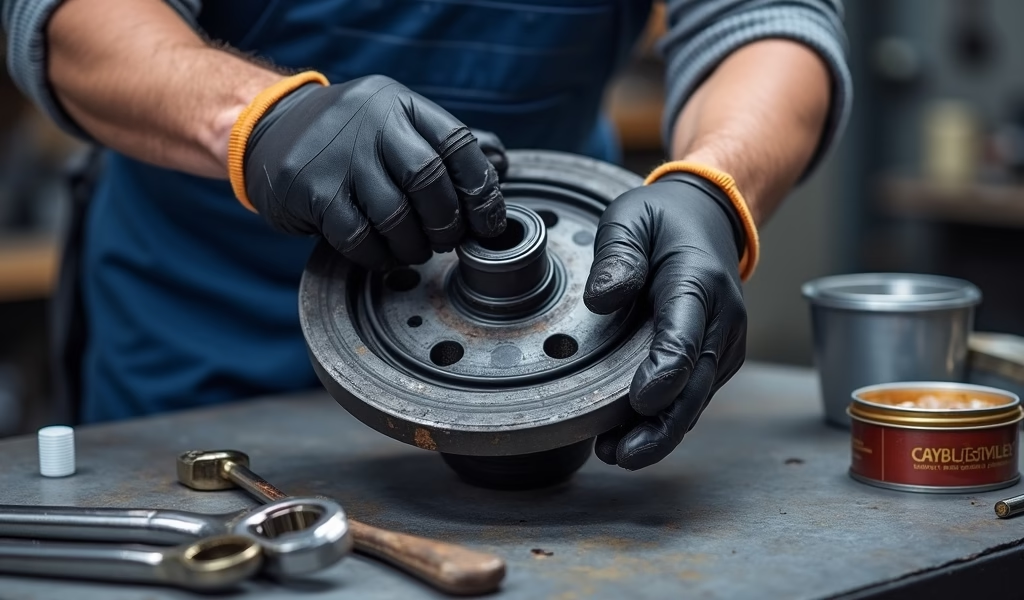
Successful hub seal replacement requires having the right tools and materials on hand before you begin. Here’s what you should gather:
Essential Tools:
- Jack and jack stands rated for your vehicle’s weight
- Lug wrench for removing wheels
- Seal puller for removing old seals (sometimes a carefully used flat screwdriver can substitute)
- Seal driver set or appropriately sized socket for installing new seals
- Hammer for use with the seal driver
- Torque wrench for proper reassembly
- Brake cleaner or similar solvent for cleaning the seal housing
- Shop rags for cleanup
Materials:
- Replacement hub seal(s) specific to your vehicle make and model
- Wheel bearing grease (check your vehicle’s specifications)
- Gasket maker or sealant (if recommended by manufacturer)
- New cotter pins if your vehicle uses them
For some vehicles, additional specialized tools may be required. Consult your vehicle’s service manual or a model-specific repair guide before beginning. Many auto parts stores offer tool rental programs for specialized equipment you might need only for this specific job.
The quality of your replacement seal matters significantly. While it might be tempting to save money on the cheapest option, investing in OEM (Original Equipment Manufacturer) or high-quality aftermarket seals can prevent premature failure and the need to repeat the entire job.
Post-Replacement Maintenance Tips to Extend Seal Life
After completing a hub seal replacement, follow these maintenance practices to maximize the lifespan of your new seals and protect your investment:
Regular inspection: Make visual checks for leaks part of your routine maintenance. A quick look at your wheels while filling up with gas can catch early signs of seal failure before major damage occurs.
Keep it clean: When washing your vehicle, avoid directing high-pressure water streams directly at wheel hubs. This pressure can force water past seals, contaminating bearings and accelerating wear.
Mind your driving habits: Excessive heat is a primary enemy of hub seals. Avoid prolonged high-speed driving or towing beyond your vehicle’s rated capacity, both of which can generate extreme heat in wheel hubs.
Address unusual noises promptly: If you begin hearing grinding, whining, or rumbling from a wheel after seal replacement, investigate immediately. These sounds could indicate insufficient lubrication or contaminants affecting bearings.
Follow manufacturer maintenance schedules: Some vehicles specify periodic bearing repack and seal inspection intervals, especially for trucks and SUVs used in demanding conditions. Adhere to these recommendations even if no symptoms are present.
Consider environmental factors: Vehicles operated in extremely dusty, muddy, or wet environments may require more frequent seal inspection and replacement. The same applies to vehicles used in areas where road salt is common.
Cost Considerations for Hub Seal Replacement
Understanding the potential costs involved in hub seal replacement can help you budget appropriately and make informed decisions about DIY versus professional service.
Parts costs: Hub seals themselves are relatively inexpensive, typically ranging from $15-50 per seal depending on your vehicle make and model. OEM parts generally cost more than aftermarket alternatives but may offer better quality and longer service life.
Labor costs: Professional replacement typically takes 1-3 hours per wheel at shop rates ranging from $80-150 per hour. This translates to approximately $80-450 in labor costs, varying based on your location and vehicle complexity.
Additional expenses: In some cases, a hub seal replacement reveals other issues requiring attention. Worn bearings, damaged spindles, or corroded hubs might need replacement at the same time, significantly increasing your total cost.
DIY savings potential: Handling the job yourself eliminates labor costs, potentially saving several hundred dollars. However, if specialized tools are required, factor their purchase or rental into your calculations.
Long-term financial perspective: While the immediate cost of hub seal replacement might seem significant, it’s important to consider the potential costs of delay. Ignoring a leaking seal can lead to bearing failure, axle damage, or even wheel separation—problems that can cost thousands to repair and pose serious safety risks.
When comparing quotes from different shops, ensure they’re providing comparable services. Some might include bearing inspection and repacking in their estimate, while others quote only for seal replacement. The more comprehensive service typically offers better value despite the higher initial price.
Conclusion
Hub seal replacement is one of those maintenance tasks that demonstrates how addressing small issues promptly can prevent major problems down the road. By understanding the importance of these humble components and recognizing the warning signs of failure, you’re taking an important step toward protecting your vehicle’s overall health and your personal safety.
Whether you choose to tackle the replacement yourself or entrust it to a professional, the investment in proper hub seal maintenance will pay dividends through extended wheel bearing life, improved safety, and prevention of more costly repairs. Like many aspects of vehicle maintenance, the key is attentiveness and timely action.
Remember that your vehicle’s specific requirements may vary from the general guidelines provided here. Always consult your owner’s manual or a model-specific repair guide for definitive information about your particular make and model. With the right approach to hub seal replacement, you can enjoy thousands more miles of trouble-free driving, secure in the knowledge that your wheels are properly protected from both leakage and contamination.
Frequently Asked Questions
How often should hub seals be replaced?
Hub seals typically last 100,000-150,000 miles under normal conditions. Replace them when leaks appear or during scheduled bearing maintenance.
Can I drive with a leaking hub seal?
Driving with a leaking hub seal is not recommended as it can quickly lead to bearing failure and unsafe conditions. Address leaks as soon as they’re detected.
How do I know if my hub seal or wheel bearing is bad?
A bad hub seal usually presents with visible fluid leaks around the wheel hub. A failing wheel bearing typically produces grinding or humming noises that change with vehicle speed.
Will a bad hub seal affect braking?
Yes, a leaking hub seal can contaminate brake components with fluid, reducing braking efficiency. It can also lead to bearing failure which affects braking stability.
Are hub seals covered under warranty?
Hub seals are typically covered under a vehicle’s powertrain warranty if they fail prematurely. Check your specific warranty terms as coverage periods vary by manufacturer.