

Overview
Your car’s electrical connectors are like nervous first-date handshakes – when they’re awkward and loose, everything goes haywire! This expert guide covers seven essential maintenance strategies for vehicle electrical systems, including regular inspections, proper cleaning techniques, corrosion prevention, secure connections, wire organization, strategic upgrades, and effective diagnostic approaches to prevent frustrating breakdowns and expensive repairs.
Table of Contents
- Understanding Electrical Connectors in Your Vehicle
- Why Electrical Connector Maintenance Matters
- Tip 1: Performing Regular Visual Inspections
- Tip 2: Proper Cleaning Techniques for Lasting Connections
- Tip 3: Preventing Corrosion Before It Starts
- Tip 4: Ensuring Secure Connection Methods
- Tip 5: Organizing and Labeling Your Wiring Systems
- Tip 6: When and How to Upgrade Your Connectors
- Tip 7: Using Diagnostic Tools Effectively
- Conclusion
- Frequently Asked Questions
Understanding Electrical Connectors in Your Vehicle
Think of your car’s electrical system as its nervous system. When everything’s connected properly, your vehicle runs smoothly – but when electrical connections fail, problems cascade quickly. After 25 years working under hoods, I’ve seen firsthand how proper electrical connector wiring can make the difference between a reliable ride and a tow truck on speed dial.
Modern vehicles contain hundreds of electrical connections controlling everything from engine performance to your favorite playlist. These connections form the backbone of your car’s complex electrical network, and they deserve more attention than most drivers realize.
Electrical connectors come in various shapes and sizes, from simple two-wire plugs to complex multi-pin connectors with weatherproof seals. Each serves a critical function, whether it’s delivering power to your headlights or transmitting data between your engine sensors and computer modules. Understanding how to maintain these connections can save you from frustrating breakdowns and expensive repairs.
Why Electrical Connector Maintenance Matters
I can’t count how many “mysterious” car problems I’ve traced back to compromised electrical connections. Your vehicle contains more computing power than early space shuttles, and all that technology depends on clean, tight connections to function properly.
Neglected electrical connectors lead to a host of common problems that drive car owners crazy. Have you ever experienced flickering headlights? That’s often a connector issue. What about that intermittent no-start condition that magically fixes itself? Classic connection problem. Dashboard warning lights appearing randomly? You guessed it – likely a poor connection somewhere in the system.
The good news is that understanding your car’s electrical system and performing regular maintenance on its connections is relatively simple. For just a few dollars in supplies and minutes of your time, you can prevent hundreds in diagnostic fees and repairs. Let’s dive into my proven maintenance tips that keep electrical systems functioning at their best.
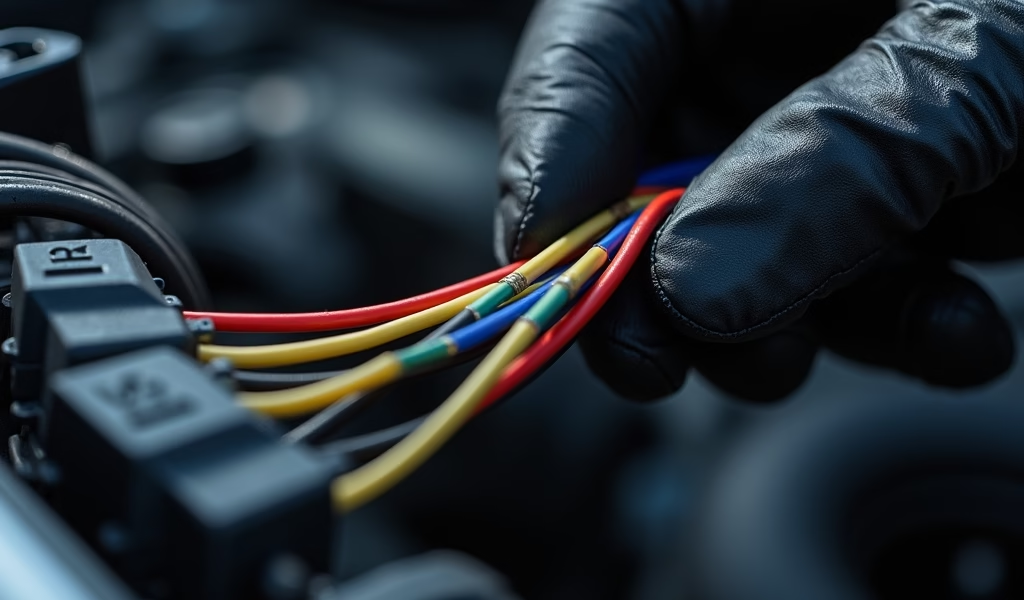
Tip 1: Performing Regular Visual Inspections
The simplest yet most effective maintenance step is simply looking at your connections regularly. I recommend checking accessible electrical connectors at least quarterly for daily drivers, and more frequently if you live in extreme environments.
During your inspection, focus on three main warning signs:
- Corrosion – appears as greenish-white powder on terminals
- Loose connections – wires that wiggle with light tugging
- Physical damage – cracked casings, exposed wires, or melted plastic
Pay special attention to these high-priority areas:
- Battery terminals (the most common trouble spots)
- Ground connections (often overlooked but critically important)
- Headlight and taillight connectors (frequently exposed to moisture)
- Engine sensor connections (subjected to extreme heat cycles)
- Fuse box terminals (handling high current loads)
I recently had a customer whose vehicle would randomly shut off while driving. After an hour-long diagnostic process, I found the culprit: a corroded ground connection near the battery that was barely visible to the naked eye. Five minutes with a wire brush and this potentially dangerous issue was solved. Regular visual inspections would have caught this problem before it affected vehicle operation.
Pro tip: Keep a small LED flashlight in your glovebox specifically for these inspections. A proper light source makes spotting potential issues much easier, especially in tight engine bay spaces where connectors often hide.
Tip 2: Proper Cleaning Techniques for Lasting Connections
When it comes to cleaning electrical connectors, precision matters more than elbow grease. Using the right products and techniques ensures you’ll restore connectivity without damaging delicate components.
Essential Cleaning Supplies
- Electrical contact cleaner spray (alcohol-based for general cleaning)
- Small wire brushes (specifically designed for terminals)
- Cotton swabs for reaching tight spaces
- Lint-free microfiber cloths
- Compressed air for dust removal
Before touching any electrical component, always disconnect your battery’s negative terminal. This simple step prevents accidental shorts and potential damage to sensitive electronics. If you’re unsure about proper battery handling, review safety procedures first.
For standard connections showing light corrosion, follow this cleaning process:
- Carefully disconnect the connector (take a photo first if you’re worried about reconnection)
- Spray a moderate amount of contact cleaner onto the connector
- For stubborn corrosion, gently use a small wire brush or cotton swab
- Allow the connector to dry completely
- Apply protective products (more on this in Tip #3)
- Reconnect firmly
I’ve seen well-meaning car owners create more problems than they solve by using inappropriate cleaning products. Avoid these common mistakes:
- Using WD-40 as contact cleaner (it leaves residue that attracts dirt)
- Applying household cleaners that can damage plastic components
- Scrubbing aggressively and removing protective plating
- Using metal brushes on delicate electronic pins
For severely corroded battery terminals, a dedicated battery cleaning tool works wonders. These inexpensive brushes are designed to fit around terminals and posts, making quick work of even stubborn corrosion. According to AA1Car’s automotive service guides, proper terminal cleaning can resolve up to 70% of starting issues in older vehicles.
Tip 3: Preventing Corrosion Before It Starts
After decades in the shop, I’ve learned that preventing electrical problems is infinitely easier than fixing them. Corrosion is the silent killer of electrical connections, slowly degrading performance until complete failure occurs.
Dielectric Grease: Your First Line of Defense
Dielectric grease is the unsung hero of electrical connector maintenance. This silicone-based substance:
- Creates a waterproof seal against moisture
- Prevents oxidation of metal surfaces
- Doesn’t interfere with electrical conductivity
- Makes future maintenance easier
Apply dielectric grease to clean, dry connectors before reassembly. Use a small amount on the connector body and mating surfaces – not directly on the pins or terminals. For weatherproof connectors that live in harsh environments (like those in your engine bay or exterior lighting), be slightly more generous with application.
Remember that dielectric grease is not conductive itself. It works by coating surfaces that shouldn’t make contact while allowing designated contact points to function normally. This is why proper application matters – you’re creating a protective barrier, not an electrical pathway.
For battery terminals specifically, specialized terminal protectant sprays work exceptionally well. These products form a protective coating that neutralizes acid and prevents corrosion from forming. After cleaning your battery terminals, apply terminal protectant spray for lasting protection.
Environmental factors dramatically affect how quickly corrosion forms. If you live in any of these conditions, double down on preventative measures:
- Coastal areas (salt air accelerates corrosion)
- Regions with road salt in winter
- High humidity climates
- Areas with significant temperature swings
One customer who regularly drove on beach access roads was experiencing multiple electrical failures each year. After we implemented a comprehensive protection regimen using dielectric grease on all accessible connectors, his issues completely disappeared. The National Highway Traffic Safety Administration (NHTSA) recognizes that electrical system failures contribute significantly to vehicle breakdowns, making preventative maintenance especially important.
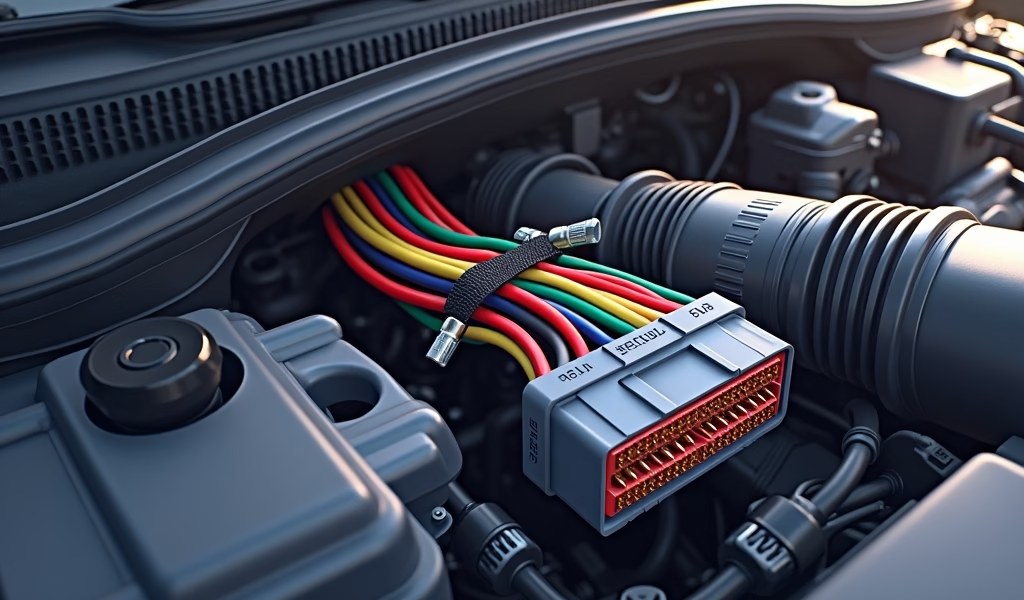
Tip 4: Ensuring Secure Connection Methods
Loose connections cause intermittent problems that can be maddening to diagnose. One moment your car runs perfectly, the next it’s acting like it’s possessed – all because a connector isn’t fully seated or a terminal is barely making contact.
When working with electrical connectors, proper tools make all the difference. These essentials belong in every DIYer’s toolkit:
- Terminal crimpers for replacing damaged connectors
- Small ratcheting wrenches for battery and high-current connections
- Heat shrink tubing for protecting splices
- Cable ties for securing wire bundles
To ensure connections stay secure, follow these professional techniques:
- Clean both sides of the connection before assembly
- Align pins carefully before pushing connectors together
- Listen for the characteristic “click” on snap-type connectors
- Perform a gentle tug test after connection
- Use torque specifications for threaded connections (like battery terminals)
- Route wires to prevent tension on connectors
I always teach my apprentices the “triple-check” method for verifying connections:
- Visual check: Does it look fully seated and aligned?
- Tactile check: Does it feel secure when lightly tugged?
- Functional check: Does the component work properly after connection?
One frustrating case I encountered involved a pickup truck with random stalling issues. After hours of diagnosis, we discovered a ground strap connection that appeared tight but was actually loose enough to create resistance during engine vibration. The lesson? Appearances can be deceiving – always physically verify connector security.
Tip 5: Organizing and Labeling Your Wiring Systems
An organized electrical system isn’t just aesthetically pleasing – it’s the difference between a quick fix and hours of frustrating troubleshooting. Whether you’re working on factory wiring or adding accessories, proper organization prevents future headaches.
The benefits of well-organized electrical systems include:
- Faster diagnosis when problems arise
- Reduced risk of wires chafing against sharp edges
- Prevention of heat damage from improper routing
- Easier future modifications or upgrades
- Professional appearance that increases vehicle value
For DIY mechanics, these simple organizing techniques pay dividends:
- Use colored heat shrink tubing as visual indicators for different circuits
- Install split loom tubing over wire bundles for protection and appearance
- Take “before” photos with your smartphone before disconnecting multiple wires
- Use cable ties with mounting holes to secure wires to appropriate points
- Label complex connections with a label maker or marked tape
When routing wires, follow these professional guidelines:
- Keep wires at least 3 inches from exhaust components
- Avoid sharp edges that could cut through insulation
- Use existing wire paths when possible
- Include service loops at connections for future maintenance
- Secure wires every 8-12 inches to prevent movement
I once diagnosed a customer’s car that would randomly lose power steering assistance. The culprit? An aftermarket remote start installer had routed wires that chafed against the steering column, eventually wearing through and causing intermittent shorts. Proper organization would have prevented two weeks of frustration and a hefty diagnostic bill.
Tip 6: When and How to Upgrade Your Connectors
Not all electrical connectors are created equal. Factory connectors are designed to meet minimum specifications at a certain price point, but aftermarket upgrades often provide superior reliability, especially for vehicles facing harsh conditions or carrying additional electrical loads.
Consider upgrading your connectors when you notice these warning signs:
- Brittle, discolored, or cracked connector housings
- Repeated failures of the same connection
- Visible heat damage or melting
- Connections that remain problematic despite cleaning
- Heavy current draw through standard connectors
When selecting replacement connectors, quality matters more than saving a few dollars. Look for:
- OEM (Original Equipment Manufacturer) parts when possible
- Marine-grade connectors for exterior applications
- Temperature ratings appropriate for the location
- Proper wire gauge capacity
- Gold-plated contacts for low-current signal connections
Specific connector upgrades that deliver excellent return on investment include:
- Heavy-duty battery terminals for vehicles with high-power audio systems
- Waterproof headlight connectors to replace failure-prone factory units
- Weather-pack connectors for exterior sensors and lights
- Military-spec (Mil-Spec) connectors for off-road vehicles
When working with high-amperage connections like battery cables or starter wires, investing in quality crimp tools makes a world of difference. A proper electrical connection should withstand years of heat cycles and vibration without degrading.
I recently upgraded the headlight connectors on a customer’s SUV that had suffered from dim, flickering headlights for years. The factory connectors had become heat-damaged over time, creating resistance in the circuit. After installing higher-temperature rated connectors, his lighting issues completely disappeared, and he reported feeling much safer during night driving.
Tip 7: Using Diagnostic Tools Effectively
Even with perfect maintenance, electrical issues can still arise. Having the right diagnostic approach transforms you from confused car owner to effective problem-solver.
Essential Diagnostic Tools
- Digital multimeter (the foundation of electrical diagnosis)
- Circuit tester or test light (for quick voltage checks)
- Wire tracer (for following circuits through the vehicle)
- Backprobe pins (for testing without disconnecting)
- Scan tool (for computer-controlled systems)
The voltage drop test is the gold standard for finding connection problems. Here’s how to perform it:
- Set your multimeter to DC volts
- Connect the positive lead to one side of the suspected connection
- Connect the negative lead to the other side
- Activate the circuit
- Any reading above 0.1V indicates resistance in the connection
For example, if testing a ground connection during starting and seeing 0.5V, you’ve found significant resistance that’s reducing current flow. According to Motor Magazine’s research on voltage drop testing, this single test can identify up to 80% of electrical connection issues.
When troubleshooting intermittent electrical problems, remember these professional strategies:
- Problems often worsen with heat or vibration
- “Wiggle testing” connections while monitoring circuit operation can reveal loose spots
- Always check grounds first—they’re the most common failure point
- Test both with engine off and running (alternator output changes electrical behavior)
- Use heat from a hair dryer to replicate heat-related failures
One particularly challenging diagnosis involved a car that would stall only when turning right in rainy weather. After extensive testing, I discovered a connector under the dash that was getting wet from water running down the steering column during right turns. A proper weatherproof connector and some strategic routing solved the problem permanently.
Conclusion
Electrical connector wiring might seem like a small detail in your car maintenance routine, but these tiny components form the backbone of your vehicle’s increasingly complex systems. Taking time to inspect, clean, protect, and properly connect electrical components pays dividends in reliability and reduced repair costs.
Remember that modern vehicles rely on electrical systems for everything from basic operation to advanced safety features. A single poor connection can trigger cascading failures that leave you stranded or facing expensive diagnostic bills.
By following these seven proven tips, you’ll prevent the most common electrical failures before they happen. Regular visual inspections, proper cleaning techniques, corrosion prevention, secure connections, organized wiring, strategic upgrades, and effective diagnostic approaches form a comprehensive maintenance strategy that keeps your vehicle’s electrical system in peak condition.
Whether you’re maintaining your daily driver, restoring a classic, or preparing for off-road adventures, these electrical maintenance practices apply universally. Investing a little time now prevents major headaches later – that’s something every vehicle owner can appreciate.
So grab your dielectric grease, multimeter, and cleaning supplies – your car’s electrical connections deserve some attention. Your future self will thank you when your vehicle starts reliably and all systems function perfectly for years to come.
Frequently Asked Questions
How often should I inspect my car’s electrical connections?
For daily drivers, inspect accessible electrical connections quarterly and after driving in extreme conditions. Increase frequency to monthly if you live in coastal areas or regions with road salt.
Can I use WD-40 to clean electrical connections?
No, avoid using WD-40 on electrical connections as it leaves behind residue that attracts dirt and can cause more problems. Use dedicated electrical contact cleaner instead.
What’s the best way to prevent battery terminal corrosion?
Clean terminals thoroughly, apply a terminal protectant spray, and use felt or fiber washers designed to absorb and neutralize battery acid. Check and clean terminals every 3-6 months.
How do I know if my electrical connector needs replacement?
Replace connectors showing signs of melting, discoloration, brittleness, or those that remain loose after cleaning. Connectors that repeatedly develop problems despite maintenance should also be upgraded.
Can electrical connector problems cause a check engine light?
Absolutely! Poor connections to sensors, fuel injectors, or computer modules commonly trigger check engine lights and performance issues. Always check connections before replacing expensive components.