
Overview
Who knew your trailer hitch had more rust-prevention needs than a sunbather has sunscreen requirements! This article outlines five essential strategies for preventing trailer hitch rust: regular cleaning after use, applying protective coatings, using hitch covers, proper storage of components when not in use, and immediate treatment of any rust that appears, all critical for maintaining safety and extending the life of your towing equipment.
Table of Contents
- Understanding Trailer Hitch Receivers
- Why Rust is the Enemy of Your Trailer Hitch
- Tip 1: Regular Cleaning – The Foundation of Rust Prevention
- Tip 2: Protective Coatings – Your Hitch’s Shield
- Tip 3: Hitch Covers – Simple Yet Effective
- Tip 4: Proper Storage When Not in Use
- Tip 5: Immediate Treatment of Existing Rust
- Conclusion
- Frequently Asked Questions
Understanding Trailer Hitch Receivers
Let me tell you something about trailer hitch receivers that most folks don’t realize until it’s too late – these workhorses of the towing world deserve way more TLC than they typically get. After 20+ years of getting my hands dirty under vehicles, I’ve seen how a neglected hitch receiver can go from showroom shine to rust bucket faster than you can say “tow capacity.”
A trailer hitch receiver isn’t just a chunk of metal welded to your vehicle. It’s a precision-engineered component designed to safely handle thousands of pounds of force. The standard square tube that accepts your ball mount or other attachments needs to maintain its dimensions and structural integrity for safe towing. When rust enters the picture, all bets are off.
I’ve lost count of how many customers have rolled into my shop with receivers so corroded they’re playing “rust roulette” every time they hook up a trailer. And let me be clear – there’s no “trailer hitching it” when it comes to safety. (See what I did there? First pun delivered!)
Before we dive into the preventative measures, let’s understand what we’re protecting. Your trailer hitch receiver typically consists of a steel tube that’s either welded directly to the frame or bolted to it via a mounting kit. Different vehicles use different classes of receivers, ranging from Class I (light-duty) to Class V (commercial-grade), each with specific weight ratings and tube sizes.
Most importantly, your receiver needs to maintain tight tolerances to properly secure your hitch accessories without excessive play or movement. Rust directly compromises this precision fit, creating safety hazards and potentially expensive repairs down the road.
Why Rust is the Enemy of Your Trailer Hitch
Let’s get something straight – rust isn’t just an aesthetic issue when it comes to your trailer hitch receiver. It’s a serious structural concern that can “receiver-ly” damage your towing setup. (That’s pun number two, folks!)
Rust, or iron oxide if we’re getting technical, forms when iron in your hitch’s steel combines with oxygen in the presence of moisture. This chemical reaction doesn’t just discolor the metal – it actively consumes it. As rust forms, it creates a porous surface that holds more moisture, accelerating the degradation process. Think of it as a metal-eating disease that spreads if left untreated.
What makes trailer hitch receivers particularly vulnerable is their exposure to the harshest conditions. They’re mounted underneath your vehicle where they face constant assault from:
- Road salt and de-icing chemicals
- Mud and debris splashing up from the road
- Water immersion during boat launches
- Exposure to the elements when parked outdoors
- Scratches and chips from hitch accessories that compromise protective finishes
The consequences of allowing rust to progress go beyond appearance. Advanced corrosion can lead to:
- Weakened structural integrity affecting towing safety
- Seized pins and mechanisms making attachment difficult
- Distorted receiver openings causing improper fitment
- Compromised mounting points that could ultimately fail
According to NHTSA data on towing safety, equipment failure contributes to numerous towing-related incidents annually. While not all are corrosion-related, proper maintenance significantly reduces these risks.
Now that we understand the enemy, let’s arm ourselves with the knowledge to keep your trailer hitch receiver in pristine condition for years to come.
Tip 1: Regular Cleaning – The Foundation of Rust Prevention
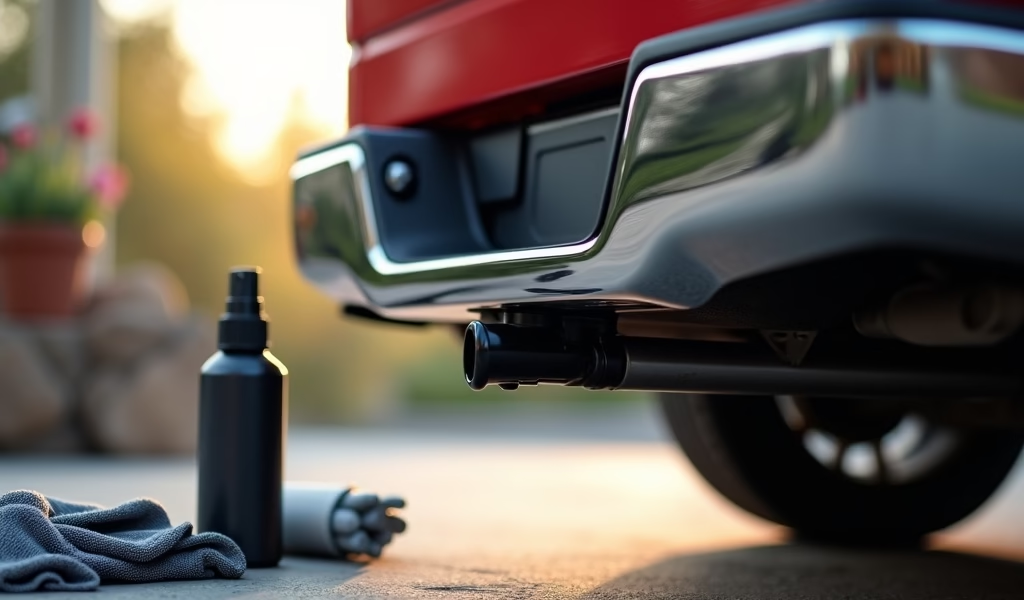
If there’s one thing I’ve learned from decades in the garage, it’s that cleanliness isn’t just about looking good – it’s fundamental to longevity. Your trailer hitch receiver needs regular cleaning like your engine needs oil changes. It’s not optional if you want it to last.
After every towing session, especially if you’ve been through wet conditions or near salt water, give your hitch receiver a thorough cleaning. This isn’t a “wash and go” situation – we need to be methodical about it.
The Proper Cleaning Process:
Start by removing any accessories from the receiver tube. Yes, that means taking out the ball mount or whatever attachment you’ve been using. I know it’s tempting to leave it in there permanently – we’ve all been guilty of that – but removing it allows you to clean thoroughly and prevents the dreaded “married metal” syndrome where components rust together.
Next, flush out the inside of the receiver tube with a strong stream of water. This helps dislodge salt, mud, and debris that’s accumulated inside. A pressure washer works wonders here, but even a garden hose with a high-pressure nozzle will do the trick. Make sure to spray at different angles to reach all the interior surfaces.
For stubborn grime, use a long-handled tube brush designed specifically for cleaning receiver tubes. Pair it with a mild soap solution for extra cleaning power. You’d be amazed at what can hide in those tubes – I once found a small family of mice had made a cozy home in a customer’s rarely-used receiver! Talk about “hitch-hiking” pests! (There’s pun number three for you!)
After cleaning, thoroughly dry the receiver using compressed air if available, or allow it to air dry completely. This step is crucial – leaving moisture behind defeats the purpose of cleaning in the first place. I like to use microfiber towels from my emergency kit to help absorb excess moisture.
Pay special attention to the electrical connections if your hitch has them. These are particularly vulnerable to corrosion and can cause all sorts of trailer lighting issues if neglected.
Remember: consistent, thorough cleaning is your first line of defense against rust. It’s like brushing your teeth – a little regular maintenance prevents major problems down the road.
Tip 2: Protective Coatings – Your Hitch’s Shield
Once your trailer hitch receiver is squeaky clean, it’s time to armor up. Protective coatings are to your hitch what sunscreen is to your skin – essential protection against the elements. I’ve experimented with dozens of products over the years, and I can tell you that not all protection is created equal.
Most factory hitches come with some form of protective finish – typically powder coating or paint. However, these coatings inevitably get scratched or chipped through normal use. Those tiny imperfections are all it takes for moisture to sneak in and start the rusting process.
When it comes to reapplying protection, you’ve got options. Here’s my breakdown of the most effective approaches:
Anti-Rust Sprays and Lubricants:
Products like Fluid Film, WD-40 Specialist, or Boeshield T-9 create a protective barrier that repels moisture. These are particularly effective for the inside of the receiver tube, which is often neglected. Apply liberally and allow the product to coat all surfaces. For maximum protection, I recommend reapplying every 3-4 months, or after extensive exposure to harsh conditions.
These sprays also serve a dual purpose – they lubricate the moving parts of your hitch system, preventing the frustrating seizing of pins and mechanisms. Nothing’s worse than struggling with a frozen hitch pin when you’re trying to get on the road!
Rust-Inhibiting Paint or Coating:
For areas showing bare metal or early signs of rust, consider using a rust converter followed by a specialized automotive rust-inhibiting paint. Products like POR-15 or Rust-Oleum’s Rust Reformer actually bond with rust and transform it into a stable base for paint to adhere to.
When applying these coatings, surface preparation is absolutely crucial. Any contamination will compromise adhesion. Make sure the surface is clean, dry, and ideally lightly sanded to provide a good bonding surface. Several thin coats work better than one thick coat that might crack or peel.
I’ve seen quality rust-inhibiting coatings last for years even in harsh conditions, making them well worth the effort to apply properly. As I often tell my customers, “A little paint today keeps the rust away!” (And there’s pun number four!)
For the best results, combine approaches – use a rust-inhibiting spray inside the receiver tube and on moving parts, while using more permanent coatings on the exposed surfaces of the hitch assembly. This comprehensive approach provides maximum protection against the elements.
Remember that no protective coating is permanent. Establish a regular inspection and maintenance schedule to catch any deterioration before it becomes a problem. When performing other routine vehicle maintenance tasks, take a moment to check your hitch’s coating condition.
Tip 3: Hitch Covers – Simple Yet Effective
Sometimes the simplest solutions are the most effective. Hitch covers might seem like a basic accessory, but they’re an inexpensive front-line defense against the elements. I’ve seen $10 covers save customers from $300 worth of rust damage and repairs.
Think of a hitch cover as a raincoat for your receiver tube. Without one, the open receiver becomes a perfect collection point for water, road salt, dirt, and debris – basically a rust incubator. A quality cover prevents these elements from entering in the first place.
Types of Hitch Covers:
The market offers a variety of options to suit different needs and preferences:
- Basic rubber or plastic plugs that simply block the opening
- Decorative covers featuring logos, designs, or LED lights
- Functional covers that double as step assists or hitch stabilizers
- Locking covers that provide security for expensive hitch accessories
While any cover is better than none, I recommend selecting one with a tight, secure fit that won’t fall out over rough terrain. Rubber covers tend to create a better seal against moisture than rigid plastic ones. Some premium covers even feature O-rings to create a nearly waterproof seal.
Installation is straightforward – simply insert the cover into your receiver tube when not in use. However, there’s a critical step many people overlook: make sure your receiver tube is dry before installing the cover. Trapping moisture inside is like putting a lid on a petri dish – you’re creating the perfect environment for rust to flourish.
For customers who live in coastal regions or areas with heavy road salt use, I suggest removing the cover periodically to inspect and clean the inside of the receiver. Even the best covers can allow some moisture intrusion over time.
One creative solution I’ve seen from a long-haul trucker: before inserting the cover, he sprays the inside of his receiver with a protective lubricant and then stuffs the end with a small piece of aluminum foil before inserting the cover. The foil acts as an additional moisture barrier, while the lubricant provides ongoing protection. It’s a “cover-ing all the bases” approach that’s served him well for years. (And there’s our fifth pun!)
Remember that hitch covers are most effective when combined with regular cleaning and protective coatings. Think of them as the final piece of your comprehensive rust prevention strategy, not a standalone solution.
Tip 4: Proper Storage When Not in Use
What you do with your trailer hitch components when they’re not installed can be just as important as how you treat them when they’re on your vehicle. I’ve seen perfectly good hitches turn into rusty paperweights simply because they were tossed in a damp corner of the garage.
Let’s talk about proper storage for both removable components and your receiver when it’s not actively being used for towing.
Storing Removable Hitch Components:
Ball mounts, hitch pins, clips, and other removable parts need protection too. Before storing these items, make sure they’re clean and completely dry. Apply a light coat of protective lubricant like white lithium grease or a specialized anti-rust spray to all metal surfaces.
I recommend keeping a dedicated storage container for hitch components. A simple plastic tote with a secure lid works well. For added protection, toss in a silica gel desiccant packet (like those found in shoe boxes) to absorb any residual moisture. Store this container in a climate-controlled area if possible, away from extreme temperature fluctuations.
For ball mounts and larger components, some of my customers have created simple wall-mounted storage systems in their garages. This keeps items off the ground and away from potential water exposure. A quick coat of lubricant before hanging them up provides additional protection.
According to Consumer Reports’ guide on trailer hitches, proper storage significantly extends the life of these components and ensures they’re ready for use when needed.
Long-Term Receiver Protection:
If your vehicle will be sitting unused for extended periods, especially outdoors, take extra precautions to protect your trailer hitch receiver.
First, consider applying a heavy-duty protective coating to all exposed surfaces. Products specifically designed for long-term storage, like cosmoline or heavy marine grease, provide exceptional protection against moisture and oxidation.
For the receiver opening, a quality hitch cover is essential, but you might consider adding an extra layer of protection. Some professional transporters wrap the entire hitch assembly in plastic wrap or use specialized weatherproof covers designed for hitches when vehicles are being stored long-term.
If you’re storing a vehicle with a hitch in a region with harsh winters, remember that snow can pile up around the hitch area. This creates prolonged moisture contact that accelerates corrosion. Periodically clearing snow away from the hitch area can prevent this issue.
By treating your towing equipment with the same care you’d give other valuable tools, you’ll ensure it remains functional and safe for years to come. After all, replacing parts isn’t cheap, and preventative maintenance is always more cost-effective than replacement.
Tip 5: Immediate Treatment of Existing Rust
Even with the best preventive measures, you might discover some rust forming on your trailer hitch receiver. Don’t panic! Catching and treating rust early can save your hitch from severe damage. The key is to address it immediately – rust never takes a day off, and neither should your maintenance routine.
I’ve restored countless hitches that owners thought were beyond saving, and the secret is always the same: prompt, thorough treatment. Here’s my tried-and-true approach to tackling existing rust:
Step 1: Assess the Damage
First, determine how deep the rust penetration goes. Surface rust appears as reddish-brown discoloration but hasn’t yet compromised the structural integrity. Deep rust creates pitting, flaking, and visible deterioration of the metal. The treatment approach differs depending on severity.
For a proper assessment, remove any accessories and clean the area thoroughly. Sometimes what looks like serious rust is actually just surface staining that can be easily addressed.
Step 2: Remove the Rust
For light surface rust, mechanical removal is often sufficient:
- Wire brushes (manual or drill-mounted) work well for accessible areas
- Sandpaper or emery cloth (80-120 grit) helps with smoother surfaces
- Naval jelly or specialized rust removers can dissolve light rust chemically
- For the inside of the receiver tube, a cylinder brush attachment for a drill is invaluable
For more stubborn rust, especially inside the receiver tube, consider a chemical rust remover like Evapo-Rust or similar products. These work by dissolving the iron oxide without damaging the underlying metal. Follow the product instructions carefully, particularly regarding contact time and safety precautions.
For severe cases where the rust has created significant pitting, you might need more aggressive methods. Some professionals use electrolysis for rust removal, which can be remarkably effective but requires specific equipment and knowledge to perform safely.
Step 3: Convert and Protect
Once you’ve removed as much rust as possible, apply a rust converter to any areas where traces remain. These products (like Rust-Oleum Rust Reformer) chemically transform rust into a stable compound that can be painted over.
After the converter has fully cured according to the manufacturer’s specifications, apply a high-quality protective coating. For hitches, I recommend products specifically formulated for automotive underbody use, as they’re designed to withstand road debris and environmental exposure.
Finally, implement all the preventative measures we’ve discussed to ensure the rust doesn’t return. This includes regular cleaning, ongoing protection with appropriate lubricants or coatings, and using a hitch cover when not in use.
Remember that severely compromised hitches may need professional assessment. If you see significant metal loss, deformation, or structural concerns, consult with a qualified mechanic before using the hitch for towing. Safety should always be your primary concern when it comes to towing equipment.
Conclusion
Taking care of your trailer hitch receiver isn’t just about aesthetics—it’s about safety, functionality, and protecting your investment. Throughout my years working with vehicles, I’ve seen how a little preventative maintenance can save drivers from expensive replacements and potentially dangerous towing situations.
Let’s recap our five proven strategies for keeping your hitch rust-free:
- Regular, thorough cleaning after every use
- Application of quality protective coatings
- Using hitch covers when not towing
- Proper storage of hitch components
- Immediate treatment of any rust that appears
By incorporating these practices into your regular vehicle maintenance routine, you’ll extend the life of your trailer hitch receiver significantly. More importantly, you’ll ensure it remains safe and reliable whenever you need to tow.
Remember, rust prevention isn’t a one-time task but an ongoing process. The few minutes you spend caring for your hitch today can save you hours of frustration and hundreds of dollars down the road.
At KnowsYourCar, we’re committed to helping you maintain every aspect of your vehicle with professional advice and straightforward solutions. If you’re dealing with severe hitch rust or need help selecting the right products for your specific situation, don’t hesitate to reach out. Our team of certified mechanics can provide personalized recommendations and service options to keep your towing setup in peak condition. Contact us today for a consultation or to schedule a comprehensive towing system inspection—we’ll help you hit the road with confidence!
Frequently Asked Questions
How often should I clean my trailer hitch receiver?
Clean your trailer hitch receiver after each use, especially after exposure to salt water, road salt, or mud. At minimum, include it in your monthly vehicle maintenance routine even if not frequently used.
Can I use WD-40 to prevent rust on my hitch?
Regular WD-40 provides only temporary protection against rust. For lasting protection, use specialized products like WD-40 Specialist Long-Term Corrosion Inhibitor or Fluid Film that are specifically formulated for extended rust prevention.
Is it necessary to remove my ball mount when not towing?
Yes, removing your ball mount when not towing is highly recommended. It prevents theft, reduces exposure to elements, and eliminates the risk of shin injuries when walking behind your vehicle.
Can a rusted trailer hitch be unsafe?
Absolutely – severe rust can compromise the structural integrity of your hitch and reduce its weight capacity. Any hitch with significant rust that affects its structure should be professionally inspected before use.
What’s the best hitch cover to prevent rust?
The best hitch covers create a tight seal against moisture and are made of durable rubber rather than rigid plastic. Look for covers with additional features like UV resistance and internal drainage if water does get in.