

Overview
That little metal loop on your car deserves more attention than your ex’s Instagram posts—it’s your lifeline when you’re stuck in a ditch! This article details five professional treatments for tow hooks (anti-corrosion coatings, rust prevention sprays, protective waxes, silicone protectants, and powder coating) along with maintenance tips to ensure your recovery points don’t fail when you need them most.
Table of Contents
- Understanding Tow Hooks and Their Importance
- Common Issues with Tow Hooks
- Treatment #1: Anti-Corrosion Coatings
- Treatment #2: Rust Prevention Sprays
- Treatment #3: Protective Waxes and Sealants
- Treatment #4: Silicone-Based Protectants
- Treatment #5: Professional Powder Coating
- Maintenance Tips Between Treatments
- Conclusion
- Frequently Asked Questions
When it comes to vehicle recovery, that small metal loop hiding under your bumper can make the difference between a minor inconvenience and a major headache. As a professional mechanic with over 15 years of experience, I’ve seen too many drivers learn the hard way that tow hook maintenance matters—usually when they’re stranded in less-than-ideal conditions.
Your tow hook endures everything Mother Nature throws at your vehicle—road salt, gravel impacts, moisture, and temperature swings—yet most drivers never give it a second thought until it’s needed. That neglected piece of metal is expected to perform flawlessly in an emergency, despite years of environmental abuse.
In this comprehensive guide, I’ll share my top five professional-grade treatments that can transform your tow hook from a potential failure point to a reliable recovery solution. Whether you’re a weekend off-roader or just want peace of mind for roadside emergencies, these proven treatments will significantly extend your tow hook’s lifespan and reliability.
Understanding Tow Hooks and Their Importance
Tow hooks might look simple, but they’re engineered to handle tremendous stress during vehicle recovery operations. Most modern vehicles feature either fixed tow hooks welded to the frame or removable screw-in hooks that attach to designated mounting points.
These seemingly humble components are critical safety features designed to withstand forces exceeding several thousand pounds. When properly maintained, they provide secure attachment points for recovery straps, winch hooks, or tow cables during emergency situations.
The importance of a functioning tow hook becomes crystal clear when you’re stuck in mud, snow, or after a minor accident. Having a reliable recovery point can mean the difference between a quick extraction and expensive towing service—or in remote areas, the difference between getting home and being stranded overnight.
Many drivers overlook the fact that tow hooks are also essential emergency kit components for helping others. I’ve lost count of how many times a well-maintained tow hook has allowed my customers to assist fellow motorists in distress.
Common Issues with Tow Hooks
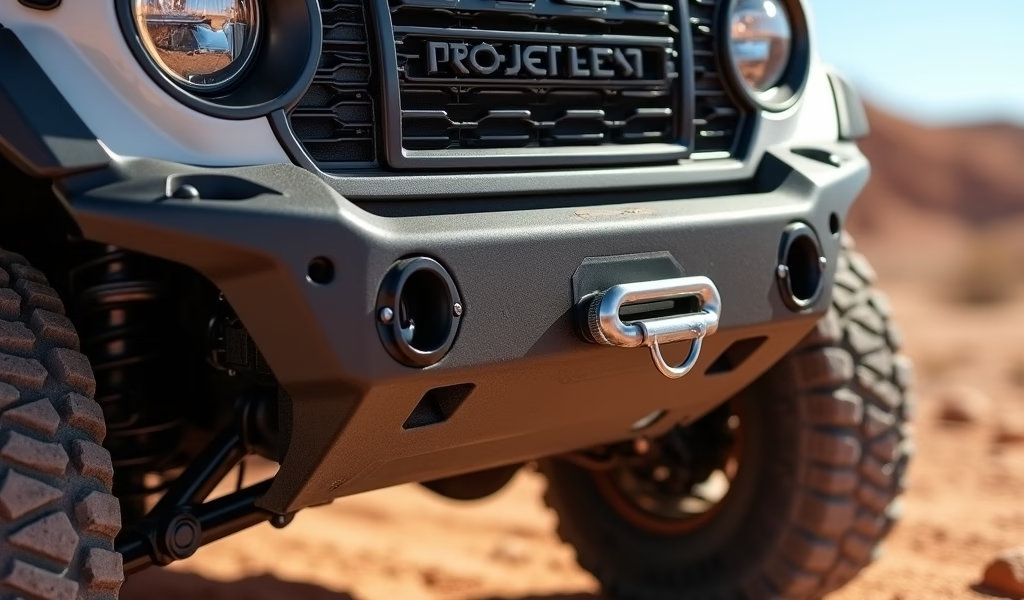
Despite their robust design, tow hooks are vulnerable to several common issues that compromise their integrity and performance. The most prevalent problem I encounter in my shop is corrosion—the silent destroyer that weakens metal from the inside out.
Rust doesn’t just affect appearance; it actively degrades structural integrity by eating away at the metal. This is particularly dangerous because a weakened tow hook can catastrophically fail under load, potentially causing injury or additional vehicle damage.
For screw-in tow hooks, thread damage is another frequent concern. When threads become corroded or damaged, the hook may not seat properly or could work loose during recovery operations. This creates a dangerous situation where the hook could suddenly release under tension.
Environmental factors significantly accelerate deterioration. According to a study by the National Association of Corrosion Engineers, vehicles in coastal regions or areas with heavy road salt usage experience corrosion rates up to five times faster than those in mild climates.
Off-road enthusiasts face additional challenges from mud, rocks, and water crossings that can introduce abrasive particles into threading or create impact damage. Even normal driving exposes tow hooks to road debris, moisture cycles, and temperature fluctuations that accelerate wear.
Treatment #1: Anti-Corrosion Coatings
In my professional experience, quality anti-corrosion coatings provide the most comprehensive base protection for tow hooks. These specialized formulations create a physical and chemical barrier between metal surfaces and environmental threats.
The best anti-corrosion coatings bond molecularly with metal, preventing oxygen and moisture—the two ingredients necessary for rust formation—from reaching the surface. Most professional-grade coatings also contain rust inhibitors that actively suppress oxidation processes.
When selecting an anti-corrosion coating for tow hooks, look for products specifically designed for automotive use with high tensile strength and impact resistance. My top recommendations include:
- POR-15 Rust Preventive Coating – Exceptional hardness and chemical resistance
- Rust-Oleum Rust Reformer – Converts existing rust into a protected surface
- KBS Coatings RustSeal – Outstanding adhesion to properly prepared surfaces
Proper application technique is crucial for maximum effectiveness. Start with thorough surface preparation—remove all existing rust using wire brushes, sandpaper, or chemical rust removers. The clean metal should then be degreased with a quality solvent before coating application.
Apply the coating in thin, even layers according to manufacturer instructions, typically using a high-quality brush for best results. Most professional coatings require 24-48 hours of curing time before exposure to moisture or mechanical stress.
These coatings typically provide 12-18 months of protection under normal driving conditions, though harsh environments may necessitate more frequent reapplication. The investment of time and roughly $20-30 in materials can prevent costly recovery failures down the road.
Treatment #2: Rust Prevention Sprays
Rust prevention sprays offer a complementary approach to tow hook protection, excelling at penetrating tight spaces and providing excellent water displacement properties. These products are especially valuable for treating threaded areas and hook mounting points that are difficult to reach with thicker coatings.
The best rust prevention sprays contain a blend of petroleum distillates, corrosion inhibitors, and waxes that create a self-healing protective film. Unlike conventional lubricants, these specialized formulations are designed to remain in place for extended periods.
From my decades in the shop, I’ve found these products to be particularly effective:
- Fluid Film – Lanolin-based formula that creeps into crevices and doesn’t dry out
- WD-40 Specialist Long-Term Corrosion Inhibitor – Creates a resilient barrier lasting up to one year
- CRC Marine Heavy Duty Corrosion Inhibitor – Specifically formulated for extreme environments
Application is straightforward but requires attention to detail. For optimal protection, remove the tow hook if possible and thoroughly clean all surfaces. Apply the spray liberally, focusing on threaded areas and connection points. Use the included straw attachment to direct the spray into hard-to-reach areas.
For vehicles operated in harsh conditions, I recommend reapplication every 3-4 months. The process takes about 10 minutes and costs roughly $5-8 per treatment—cheap insurance considering the potential consequences of tow hook failure.
Rust prevention sprays work particularly well as maintenance treatments between more comprehensive applications of anti-corrosion coatings. The two approaches create a complementary defense system, with the coating providing structural protection while the spray maintains thread function.
Treatment #3: Protective Waxes and Sealants
Automotive-grade protective waxes and sealants offer an excellent middle ground between intensive coatings and simple sprays. These products provide impressive water beading and environmental protection while maintaining a clean, natural appearance that many vehicle owners prefer.
Modern synthetic waxes and sealants create a hydrophobic barrier that actively repels moisture and contaminants. Unlike traditional carnauba waxes, these advanced formulations chemically bond to metal surfaces for enhanced durability and protection.
When selecting waxes for tow hook protection, look for products specifically formulated for metal rather than painted surfaces. My top recommendations based on field testing include:
- Collinite 476S Super Doublecoat Auto Wax – Exceptional durability on exposed metal
- Wolfgang MetallWerk Concours Metal Polish – Protects while enhancing appearance
- Chemical Guys JetSeal – Provides up to 12 months of protection with proper application
Application technique significantly impacts effectiveness. Clean the tow hook thoroughly, then apply a small amount of product using a microfiber applicator pad. Work in small sections, allowing the product to haze before buffing with a clean microfiber cloth until all residue is removed.
For optimal protection, apply every 3-4 months or before exposure to particularly harsh conditions. The process typically takes 15-20 minutes and costs approximately $2-3 per application when considering the small amount of product used.
One often overlooked benefit of waxes and sealants is their ability to make future cleaning easier. The slick surface prevents contaminants from bonding firmly, allowing simple water rinsing to maintain protection between applications.
Treatment #4: Silicone-Based Protectants
Silicone-based protectants offer unique advantages for tow hook preservation, particularly for threaded components and removable hooks. These products create a water-resistant barrier while simultaneously providing lubrication that prevents thread seizing and facilitates easy removal when needed.
The molecular structure of quality silicone protectants allows them to withstand extreme temperatures—from sub-zero winter conditions to scorching summer heat—without breaking down. This temperature stability makes them ideal for year-round protection in variable climates.
After testing dozens of products in my repair shop, I can confidently recommend these silicone protectants:
- 3M Silicone Paste – Creates an exceptional moisture barrier with high temperature resistance
- CRC Heavy Duty Silicone Lubricant – Prevents corrosion while ensuring smooth operation
- Permatex Silicone Lubricant – Excellent thread protection with minimal dirt attraction
Application is straightforward but requires thoroughness. Clean the tow hook completely, removing all traces of dirt and old lubricants. Apply a modest amount of silicone to all surfaces, paying special attention to threaded areas. For paste formulations, a small brush helps ensure complete coverage.
One significant advantage of silicone treatments is their longevity. A quality application typically provides 6-8 months of protection under normal driving conditions. At approximately $10-15 per container (which provides numerous applications), silicone protectants offer excellent value.
For vehicles with removable tow hooks, I strongly recommend applying silicone protection before storing the hook. This prevents thread corrosion and ensures the hook will be ready for use when needed—avoiding the frustration of seized threads during an emergency.
Treatment #5: Professional Powder Coating
For those seeking the ultimate in long-term tow hook protection, professional powder coating represents the gold standard. This industrial finishing process creates a virtually impenetrable barrier against corrosion, impact damage, and chemical exposure.
Unlike liquid paints, powder coating involves electrostatically applying a dry powder to the metal surface, then curing it under heat to form a skin-tight protective layer. The result is a finish that’s significantly more durable than conventional coatings, often lasting 5-10 years with minimal maintenance.
The powder coating process typically includes:
- Surface preparation through media blasting or chemical cleaning
- Application of the powder using an electrostatic gun
- Curing in an industrial oven at approximately 400°F
- Optional clear coat application for additional protection
While DIY powder coating kits exist, achieving professional results requires specialized equipment and expertise. Most vehicle owners opt for professional application, with costs typically ranging from $50-150 depending on location and specific requirements.
The investment delivers impressive returns, however. A properly powder-coated tow hook can withstand years of abuse while maintaining both structural integrity and appearance. The coating resists chipping, scratching, fading, and most importantly, prevents corrosion from gaining a foothold.
For those who regularly engage in off-road activities or live in particularly harsh environments, powder coating provides peace of mind that can’t be matched by other treatments. Many quality automotive parts suppliers offer powder coating services when purchasing new tow hooks.
Maintenance Tips Between Treatments
Even the most robust protection requires maintenance to perform optimally. Incorporating these simple habits into your vehicle care routine will significantly extend the life of your tow hook treatments:
- Rinse thoroughly after exposure to road salt or mud
- Inspect visible surfaces monthly for treatment breakdown
- Clean threaded areas with a small brush before reinserting removable hooks
- Apply light rust prevention spray after water exposure
- Store removable hooks in sealed plastic bags with silica gel packets
Seasonal inspection is particularly important for maintaining tow hook integrity. At minimum, perform a detailed check before winter and again in spring after road salt season concludes. Look for early signs of coating failure such as dulling, flaking, or surface rust formation.
For threaded tow hook mounts that remain exposed when the hook is removed, consider installing protective plastic caps. These inexpensive accessories prevent debris and moisture from contaminating threads, ensuring your hook will install properly when needed.
Keep a small kit with touch-up supplies in your garage for quick maintenance. A wire brush, penetrating oil, and your preferred protectant allow for rapid intervention at the first sign of protection breakdown—often extending treatment life significantly.
Remember that different vehicle areas may require varied treatment schedules. Recovery points located near wheel wells or under front bumpers typically face more harsh conditions than those in more protected areas, potentially requiring more frequent maintenance.
Understanding your vehicle’s specifications, including tow hook locations and ratings, helps ensure you’re providing appropriate protection for these critical components.
Conclusion
Your vehicle’s tow hook might seem insignificant during daily driving, but when recovery becomes necessary, its condition can mean the difference between a minor inconvenience and a major ordeal. The five treatments outlined in this guide provide a comprehensive approach to ensuring your recovery points remain ready for action when needed most.
For optimal protection, I recommend implementing a multi-layered approach based on your driving conditions and vehicle usage:
- Base protection: Anti-corrosion coating or powder coating
- Maintenance protection: Silicone protectant for threads and moving parts
- Regular maintenance: Rust prevention sprays for quick touch-ups
This layered strategy creates a defense-in-depth approach that addresses different aspects of tow hook vulnerability. The small investment in time and materials pays enormous dividends when emergency situations arise.
Remember that prevention is always less expensive than emergency repairs or recovery services. Taking care of your tow hook now means it will take care of you when conditions are at their worst and assistance is hardest to find.
Whether you’re a weekend off-roader, daily commuter, or occasional road-tripper, implementing these professional-grade treatments ensures your vehicle’s recovery points will perform reliably throughout your ownership experience. Your future self—possibly standing beside your vehicle in less-than-ideal conditions—will thank you for your foresight.
Frequently Asked Questions
How often should I inspect my vehicle’s tow hooks?
Inspect your tow hooks monthly during regular maintenance and after any off-road or severe weather driving. Seasonal inspections (particularly before winter and after salt season) are essential for catching early signs of corrosion.
Can I apply these treatments to a tow hook that already shows rust?
Yes, but proper preparation is crucial. Remove as much surface rust as possible using wire brushes or sandpaper, then apply a rust converter before your chosen treatment. For severe rust, replacement may be more reliable than treatment.
Are aftermarket tow hooks better than factory ones?
Quality aftermarket tow hooks often feature superior materials and corrosion resistance compared to factory parts. Look for hooks made from stainless steel or with factory powder coating for maximum durability in demanding conditions.
How do I know my tow hook’s weight rating?
Check your owner’s manual for factory tow hook specifications and never exceed these ratings. Aftermarket hooks should clearly state their weight capacity, typically between 5,000-10,000 pounds depending on design and materials.
Should I remove screw-in tow hooks when not in use?
Yes, removable tow hooks should be stored in a protected environment when not needed. This prevents damage from road debris, preserves appearance, and allows for more thorough maintenance of both the hook and mounting point.