
Overview
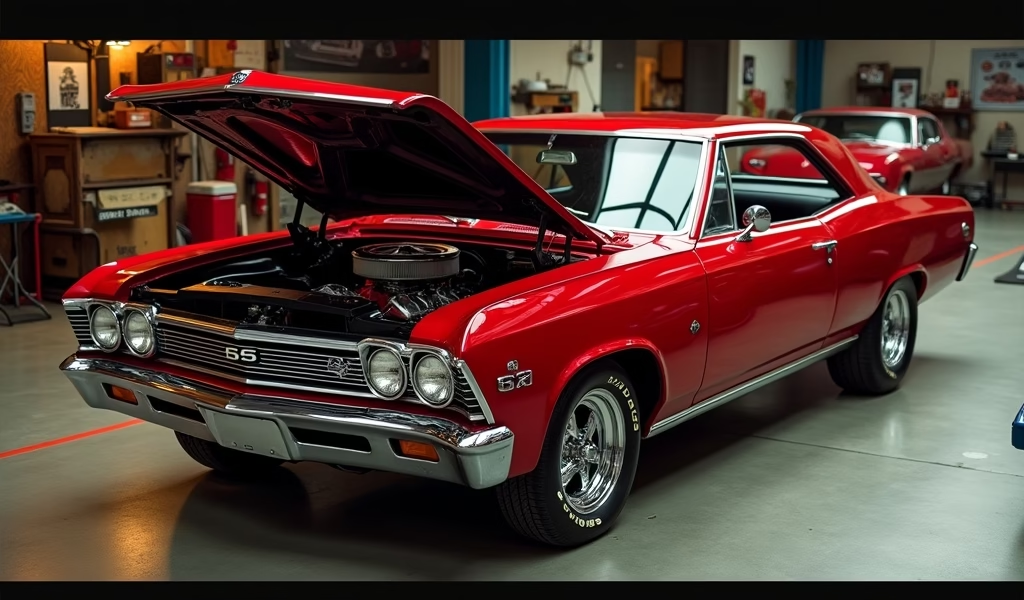
Whoever said “they don’t make ’em like they used to” clearly owned a 1960s muscle car that demands more TLC than a newborn baby. This seven-step maintenance guide covers everything from high-zinc oil changes and carburetor tuning to rust prevention and proper storage techniques, emphasizing how these American icons require hands-on knowledge but reward owners with authentic driving experiences that modern computerized vehicles simply can’t match.
Table of Contents
- Introduction to 1960s Muscle Cars
- Step 1: Engine Care Fundamentals
- Step 2: Fuel System Maintenance
- Step 3: Electrical System Upkeep
- Step 4: Drivetrain Preservation
- Step 5: Brake System Safety
- Step 6: Body and Interior Conservation
- Step 7: Storage and Exercise Regimen
- Conclusion
- Frequently Asked Questions
Introduction to 1960s Muscle Cars
When a 1960s muscle car rolls down the street, that distinctive rumble turns heads for good reason. These American icons represent a golden era when raw horsepower ruled and quarter-mile times were badges of honor. I’ve spent 30 years working on these mechanical marvels, from Pontiac GTOs to Plymouth Road Runners, and I can tell you – they’re not just cars, they’re time machines.
Unlike today’s computerized vehicles, these classics demand hands-on knowledge and regular attention. Without onboard diagnostics to guide you, maintaining a muscle car requires a special understanding of mechanical systems that’s becoming increasingly rare. But don’t worry – with this guide, I’ll walk you through the essential maintenance steps to keep your piece of automotive history running strong.
The beauty of 1960s muscle cars lies in their relative simplicity compared to modern vehicles. Most home mechanics with basic tools can handle many maintenance tasks, saving thousands in shop bills while developing a deeper connection with their machine. Let’s dive into the essential maintenance routine that will keep your classic American muscle car performing at its best.
Step 1: Engine Care Fundamentals
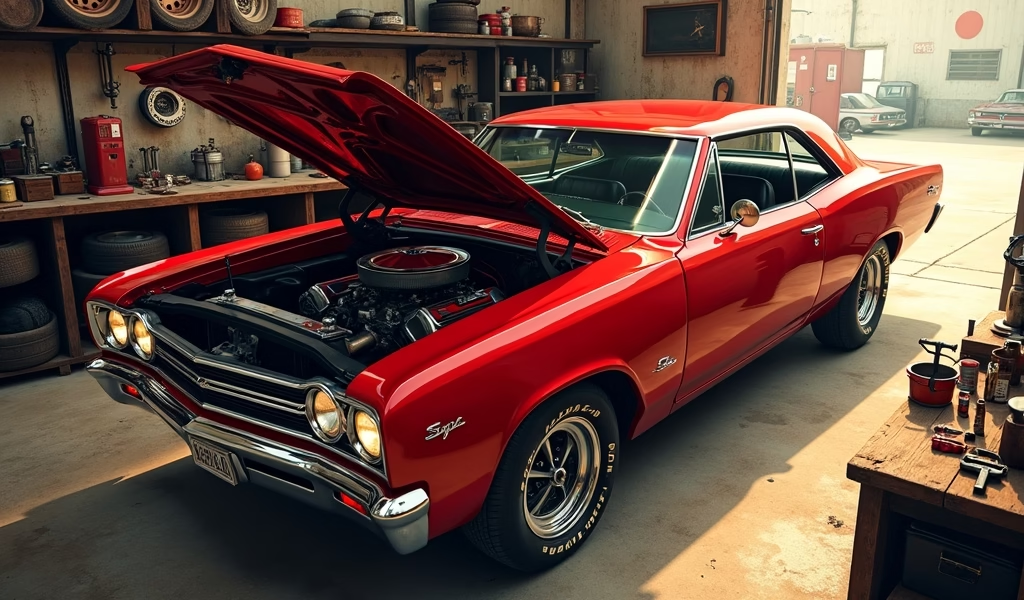
The beating heart of any 1960s muscle car is its engine – typically a high-displacement V8 that defines the vehicle’s character. These powerplants require more frequent attention than modern engines but reward you with decades of reliable service when properly maintained.
Start with regular oil changes every 3,000 miles or three months, whichever comes first. These older engines lack modern filtration systems and typically have looser tolerances than contemporary motors. For most 1960s muscle cars, straight 30-weight oil works well in warmer climates, while 10W-30 provides better cold-start protection in cooler regions. Always use high-zinc (ZDDP) formulations designed for classic cars – modern oils lack the protection these flat-tappet engines require.
Carburetors need regular attention to maintain proper air/fuel mixtures. Every spring, consider a basic carburetor tune-up that includes checking float levels, adjusting idle mixture screws, and verifying throttle linkage operation. A properly tuned carburetor provides crisp throttle response and optimal fuel economy (relatively speaking, of course).
Cooling systems require annual flushing in these high-compression engines. Replace the coolant with the correct mixture for your climate, and inspect all hoses and belts for cracks or deterioration. Unlike modern silicone hoses, original-style rubber hoses typically need replacement every two years regardless of appearance.
Don’t neglect regular valve adjustments if your engine has solid lifters. According to the Hemmings Motor News maintenance guide, improper valve adjustment is one of the leading causes of performance issues in classic muscle cars. Check your factory service manual for the correct procedure and adjustment intervals.
Step 2: Fuel System Maintenance
Modern ethanol-blended fuels create significant challenges for vintage muscle car fuel systems. These fuels are particularly aggressive toward rubber components and can cause corrosion in metal parts never designed for such chemistry.
When possible, use ethanol-free premium fuel in your classic. If unavailable in your area, add a quality ethanol fuel treatment with every fill-up to mitigate potential damage. For vehicles driven less frequently, fuel stabilizer is essential to prevent the formation of varnish deposits that can clog carburetors and fuel lines.
Replace rubber fuel lines every 5-7 years regardless of appearance. Ethanol-resistant lines are available and worth the investment. Install an appropriate-micron fuel filter between the tank and mechanical fuel pump, and check it regularly for contaminants that could indicate tank deterioration.
When storing your muscle car for extended periods, fill the tank completely to prevent condensation. A full tank minimizes the air space where moisture can collect and eventually cause internal rust. For seasonal storage, consider adding a double dose of fuel stabilizer and running the engine for 15 minutes to ensure treated fuel reaches the carburetor.
Inspect your mechanical fuel pump annually for signs of leakage or deterioration. These simple but critical components can fail without warning, leaving you stranded. Many experienced owners carry a spare fuel pump in their emergency kit for roadside repairs.
Step 3: Electrical System Upkeep
The electrical systems in 1960s muscle cars are simpler than modern vehicles but require more frequent maintenance. Traditional points-and-condenser ignition systems should be serviced every 10,000 miles or annually, whichever comes first.
When servicing the ignition, check point gap settings with a proper feeler gauge and inspect the distributor cap for carbon tracking or cracks. Replace the rotor and cap if you see any signs of electrical arcing or physical damage. Quality parts from reputable manufacturers make a significant difference in reliability.
Battery maintenance is crucial, especially for cars driven seasonally. Install a battery disconnect switch to prevent parasitic drain during storage periods. For cars used less frequently, a battery tender maintains proper charge without the damaging effects of repeated discharge cycles.
Inspect your wiring harness annually for signs of wear, especially where wires pass through the firewall or near heat sources. Original cloth-covered wiring is particularly vulnerable to deterioration. Consider upgrading to a modern reproduction wiring harness if yours shows significant aging – it’s cheaper than addressing an electrical fire.
Test your alternator’s output annually with a multimeter. Most 1960s charging systems should produce 13.8-14.4 volts at idle with accessories off. Lower readings may indicate worn brushes or regulator issues that should be addressed before they leave you stranded.
Step 4: Drivetrain Preservation
The drivetrain components in muscle cars handle tremendous forces and deserve special attention. Transmissions, whether manual or automatic, require regular fluid changes to maintain proper lubrication and cooling.
For automatic transmissions, change the fluid and filter every 20,000 miles. Unlike modern transmissions, these older units benefit from more frequent service intervals. Use the correct type of transmission fluid specified in your owner’s manual – modern formulations may not be compatible with vintage seals and clutch materials.
Manual transmissions typically require gear oil changes every 30,000 miles. Pay attention to the correct viscosity and specification – some manual transmissions require specially formulated lubricants. When changing transmission fluids, inspect the magnet in the drain plug for metal particles that might indicate internal wear.
Don’t forget the rear axle assembly. Change differential fluid every 30,000 miles, using the correct gear oil weight and any required additives for limited-slip differentials. A properly maintained differential operates quietly and efficiently, while a neglected one announces itself with howls and whines.
Universal joints in the driveshaft should be greased at every oil change if equipped with grease fittings. If your car has a two-piece driveshaft, inspect the center support bearing for signs of wear or deterioration during each maintenance cycle.
Step 5: Brake System Safety
When it comes to stopping two tons of American muscle, there’s no compromise too expensive. Brake systems require particular attention in these high-performance classics.
Flush the brake fluid completely every two years, regardless of mileage. Vintage brake systems are typically not sealed against moisture intrusion, and brake fluid absorbs water over time, leading to internal corrosion and reduced braking effectiveness. Use only fresh DOT 3 or DOT 4 fluid from a sealed container.
For drum brake systems (common on many 1960s muscle cars), check adjustment every 5,000 miles. Properly adjusted drums should engage with minimal pedal travel while allowing wheels to rotate freely when released. Self-adjusting mechanisms often become sticky with age and may need manual assistance to function properly.
Inspect brake hoses annually for cracks or deterioration. Unlike modern cars with longer-lasting synthetic brake lines, the rubber compounds used in vintage brake hoses deteriorate more quickly. Consider replacing rubber brake hoses with braided stainless lines for improved durability and pedal feel.
Many owners wisely choose to upgrade to modern disc brake conversions while maintaining a period-correct appearance. These systems provide significantly improved stopping power and safety without compromising the car’s authentic look. The Hot Rod Magazine brake guide offers excellent information on conversion options that maintain period correctness.
Step 6: Body and Interior Conservation
Preserving the body and interior of your muscle car requires both preventive measures and ongoing care. These efforts protect not just the appearance but also the value of your classic.
Rust prevention should be your primary focus. Wash the undercarriage thoroughly after driving in wet conditions or on salted roads. Apply quality rust preventative to vulnerable areas like wheel wells, rocker panels, and floor pans. Consider professional cavity wax injection for enclosed body sections where moisture can become trapped.
Chrome bumpers and trim require special attention with appropriate metal polishes. Avoid using household cleaners that can damage the delicate plating. After cleaning, apply a quality chrome sealant to provide ongoing protection from environmental contaminants. Store chrome-specific cleaning products separately from other materials to prevent cross-contamination.
For paint care, regular washing with pH-balanced car wash soap is essential. Follow with quality carnauba or synthetic wax application every three months. For show cars, consider professional paint polishing techniques to maintain depth and luster without causing premature clear coat deterioration.
Interior materials in these classics often contain compounds no longer in production. Protect vinyl upholstery with dedicated protectants that block UV damage without creating unwanted shine. For leather seats, use period-appropriate conditioners that maintain suppleness without excessive darkening. Keep interior temperatures moderate when possible – excessive heat accelerates the breakdown of interior materials.
Consider researching proper restoration techniques before attempting any significant body repairs. Period-correct finishes often require specific preparation and application methods that differ from modern automotive painting practices.
Step 7: Storage and Exercise Regimen
Proper storage and regular exercise are essential for maintaining your muscle car’s mechanical health. These vehicles were designed to be driven, not displayed as static museum pieces.
For cars driven seasonally, establish a storage protocol. Change the oil and filter before storage to remove acids and contaminants that could damage engine internals. Add fuel stabilizer and fill the tank completely to prevent condensation. Consider using fogging oil in the cylinders for engines stored longer than three months.
Place the vehicle on jack stands to prevent flat-spotting tires and relieve suspension stress during storage. Remove the battery or connect it to a quality maintainer designed for long-term storage. Use a breathable car cover that allows moisture to escape rather than trapping it against the paint.
Even during storage periods, start and run your muscle car to operating temperature at least monthly. This circulates fluids, prevents seals from drying out, and keeps internal components properly lubricated. A 20-minute drive that allows for proper warm-up is ideal.
Create a comprehensive maintenance log that tracks all service work, including dates, mileage, and specific procedures performed. This documentation not only helps you maintain proper service intervals but significantly enhances resale value should you eventually decide to sell.
For cars driven regularly, establish a pre-drive inspection ritual that includes checking fluid levels, tire pressure, and basic safety systems. These quick checks can identify developing issues before they become roadside emergencies.
Conclusion
Maintaining a 1960s muscle car is more than just preserving a vehicle – it’s safeguarding an important piece of automotive history. The rumble of a big-block V8, the distinctive styling that could only come from Detroit’s golden era, and the visceral connection between driver and machine represent an experience increasingly rare in today’s world of computerized transportation.
With proper maintenance, these American classics can provide decades of reliable service and immense enjoyment. The steps outlined in this guide represent the essential practices that have kept these machines running strong for over half a century. While the maintenance requirements might seem demanding compared to modern vehicles, the rewards – both in driving experience and potential appreciation – make the effort worthwhile.
Remember that every hour spent maintaining your muscle car isn’t just about preserving metal and rubber – it’s about keeping alive a distinctive chapter in American automotive culture. In a world increasingly dominated by autonomous driving and electric vehicles, your well-maintained muscle car stands as a rumbling testament to an era when mechanical engineering and raw performance created automotive legends that continue to captivate enthusiasts worldwide.
Frequently Asked Questions
What’s the most common maintenance mistake with 1960s muscle cars?
Neglecting frequent oil changes with proper high-zinc oil formulations designed for flat-tappet camshafts. Modern oils lack the ZDDP content these engines need for proper camshaft and lifter protection.
How often should I start my stored muscle car?
At minimum, start and run your stored muscle car to full operating temperature once monthly. Ideally, drive it for 20-30 minutes to properly circulate all fluids and prevent seals from drying out.
Can I use modern ethanol-blended fuels in my classic muscle car?
While possible with appropriate fuel system modifications, ethanol-blended fuels can damage original components not designed for these formulations. When available, use ethanol-free premium fuel or add quality ethanol treatment products with each fill-up.
Are reproduction parts as reliable as NOS (New Old Stock) components?
Quality varies significantly between manufacturers, with some reproduction parts matching or exceeding original specifications and others falling short. Research brand reputation through owner forums before purchasing critical components.
Should I convert my points ignition to electronic ignition?
Electronic ignition conversions that maintain the stock distributor appearance offer significant reliability benefits without compromising originality. These systems eliminate the need for points adjustment while providing more consistent spark energy.