
Overview
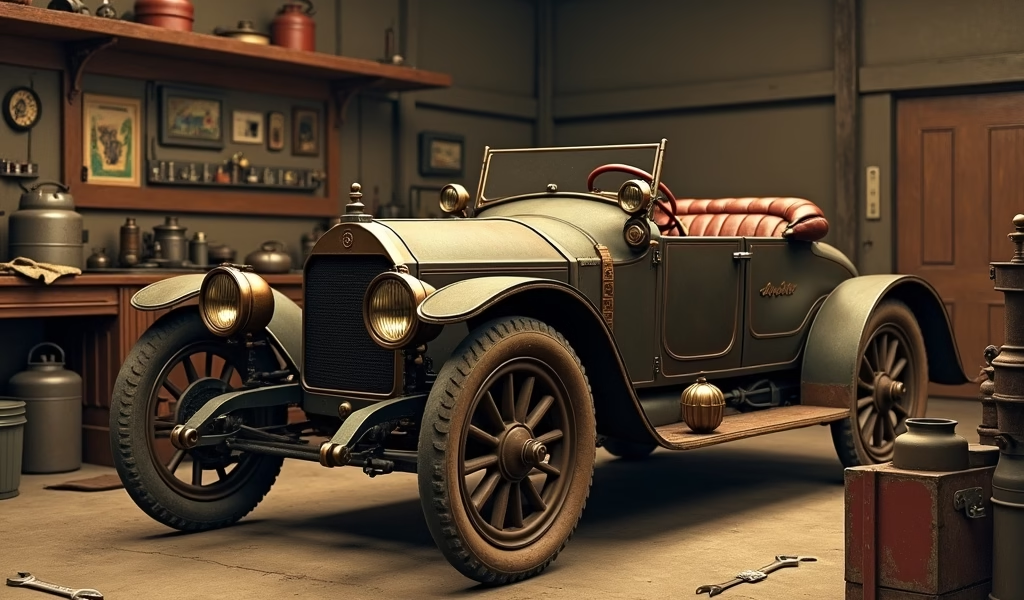
This brass-tastic guide to maintaining 1910s automobiles covers everything from preventing “Ford fractures” while hand-cranking engines to ensuring your wooden wheels don’t become termite condominiums. The article details essential care for these century-old mechanical time travelers, including proper engine maintenance, wood preservation, brass polishing, tire care, storage techniques, fluid management, and documentation—all with the understanding that a properly maintained vintage car should gracefully leak oil for generations to come.
Table of Contents
- Introduction to 1910s Cars
- Understanding Engine Care and Maintenance
- Preserving Wooden Body Elements
- Brass and Metal Component Care
- Tire and Wheel Maintenance
- Proper Storage Techniques
- Period-Correct Fluid Management
- Documentation and Parts Sourcing
- Conclusion
- Frequently Asked Questions
Introduction to 1910s Cars
The 1910s marked a transformative decade in automotive history. These magnificent machines evolved from novelty items for the wealthy into practical transportation for everyday Americans. With their gleaming brass fittings, wooden-spoke wheels, and hand-cranked engines, these cars represent automotive development in its adolescence.
As a mechanic who’s spent decades restoring these centenarians, I can tell you that maintaining a 1910s automobile isn’t just a hobby—it’s preserving living history. Each vehicle tells the story of an era when roads were unpaved adventures and cross-country travel was a daring expedition.
These rolling time capsules demand specialized knowledge that differs dramatically from modern vehicle maintenance. The good news? Once you understand their quirks and needs, these machines can run reliably for another century.
Let’s explore seven essential maintenance tips that will keep your brass-era beauty running smoothly, whether it’s a Ford Model T, Buick, Oldsmobile, or one of the many other marques that defined this pivotal automotive decade.
Understanding Engine Care and Maintenance
The heart of any 1910s automobile is its engine—typically a four-cylinder affair that operates with a mechanical symphony that’s impossible to ignore. Unlike modern engines that whisper along at thousands of RPMs, these vintage powerplants announce themselves with distinctive thumps and chugs.
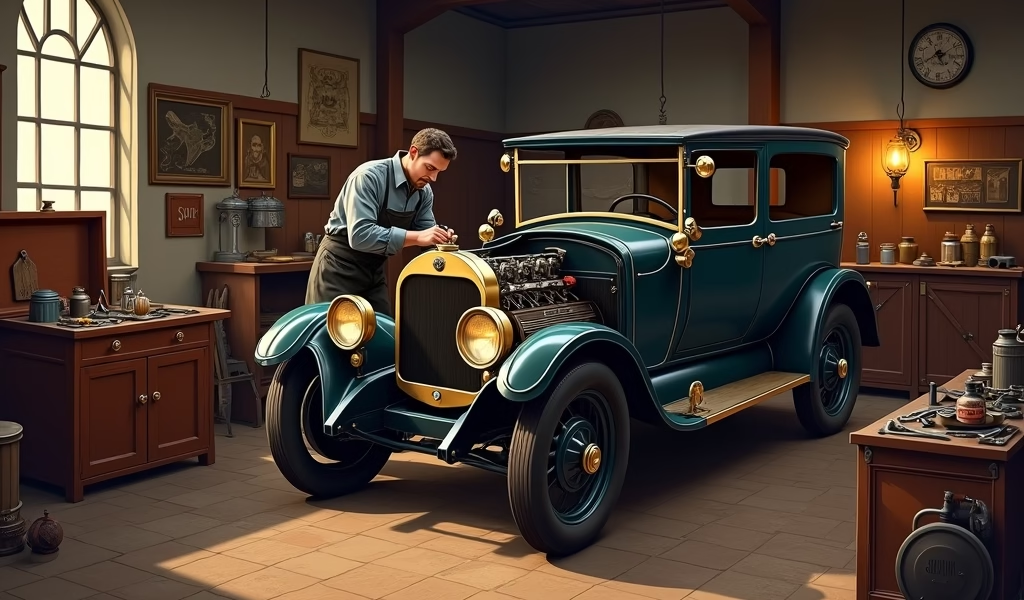
Engine oil selection is critical for these mechanical ancestors. Modern multi-grade oils contain detergents and additives that can damage vintage components. Instead, use straight-weight oils like SAE 30 or 40, which more closely resemble the lubricants these engines were designed to use. Some collectors even use specialty vintage formulations specifically created for brass-era automobiles.
The hand-crank starter requires proper technique to avoid the dreaded “crank kickback”—a painful experience that early motorists colorfully termed “the Ford fracture.” Always position yourself with the thumb on the same side as your fingers rather than wrapped around the crank. This “handshake grip” could save your wrist and arm from injury.
Ignition systems of this era typically relied on magnetos or early battery-and-coil arrangements. Regular inspection of the timer (distributor equivalent), spark plugs, and wiring prevents most starting issues. Clean contact points with fine sandpaper, not emery cloth, which leaves conductive particles behind.
Essential Engine Maintenance Schedule
- Check oil level before each drive (these engines consume oil as a matter of course)
- Clean spark plugs every 200-300 miles
- Adjust valves every 1,000 miles
- Inspect timing components monthly for proper operation
Remember that these engines were designed to be maintained by owners with basic tools. Their simplicity is their greatest strength—no computers, sensors, or electronic fuel injection to fail. With proper care, a 1910s engine can outlast most modern powerplants.
Preserving Wooden Body Elements
Modern car owners worry about rust; vintage car owners worry about termites! Many 1910s automobiles utilized wooden structural elements in their frames, bodies, and wheel spokes. Wood preservation becomes as important as metal protection.
Identifying wood rot early is crucial—it’s the automotive equivalent of catching tooth decay before needing a root canal. Gently probe suspicious areas with a small screwdriver; if it sinks in easily, you’ve found deterioration that requires attention. Pay special attention to areas where wood meets metal, as these junction points often trap moisture.
Humidity control in storage cannot be overstated. Too dry, and the wood shrinks and cracks; too humid, and you’re operating a fancy mushroom farm. Aim for 40-50% relative humidity in your storage space using dehumidifiers or humidifiers as needed.
Period-appropriate finishes often included shellac, varnish, or oil-based coatings. When restoring wooden components, research what was originally used on your specific make and model. The Antique Automobile Club of America maintains excellent resources for historically accurate restoration techniques.
Wood Preservation Tips
- Apply boiled linseed oil to exposed wood annually (but dispose of rags properly to prevent spontaneous combustion)
- Keep wooden-spoke wheels out of direct sunlight when stored
- Check for looseness in structural components quarterly
- Treat any exposed raw wood with period-appropriate preservatives immediately
The craftsmanship in these wooden components represents a bygone era of coachbuilding. Preserving them honors not just automotive history but the woodworking traditions that predated metal body construction.
Brass and Metal Component Care
The gleaming brass fixtures that adorn 1910s automobiles earned them the affectionate nickname “brass era” cars. These luminous accents—from headlamps to radiator shells—require regular attention to maintain their golden splendor.
For cleaning, avoid abrasive commercial cleaners that might scratch the soft brass. Instead, create a gentle cleaning solution using equal parts white vinegar, salt, and flour to form a paste. Apply, let sit briefly, then rinse and buff. For tougher tarnish, commercial brass cleaners like Brasso work well, but use sparingly.
Rust prevention is the eternal battle for vintage metal components. Regular application of light oil to exposed ferrous surfaces creates a protective barrier against moisture. For parts already showing rust, proceed carefully with restoration—aggressive wire brushing might remove more than just oxidation.
The patina versus polish debate divides the vintage car community. Some owners prefer the warmth of naturally aged brass with its darker honey tones, while others maintain a military-inspection shine. There’s no wrong answer—unless you’re entering a judged concours event with specific criteria.
Metal Preservation Schedule
- Clean brass components monthly when in regular use
- Apply a quality brass protectant after cleaning
- Inspect for verdigris (green corrosion) quarterly
- Check fasteners and mounting points for stress cracks regularly
Remember that every polish removes a microscopic layer of metal, so eventual replating may be necessary for frequently polished pieces. Many collectors maintain a “show polish” routine for special events while allowing a gentle patina to develop during regular use.
Tire and Wheel Maintenance
Finding the right fit for your 1910s automobile can be trickier than a glass slipper for Cinderella. Modern tires rarely match the narrow, high-profile rubber these vehicles were designed to use.
Specialty reproduction tire manufacturers like Universal Vintage Tire and Coker Tire produce historically accurate rubber for brass-era vehicles. These aren’t cheap—expect to pay several times the price of modern tires—but the correct appearance transforms the entire vehicle.
Proper inflation is critical, though pressure recommendations differ significantly from modern vehicles. Many 1910s cars operated with pressures between 55-65 PSI—much higher than contemporary vehicles. Always consult period documentation for your specific model.
Wooden wheels require regular inspection. Check for looseness by grasping adjacent spokes and attempting to move them relative to each other. Any movement indicates a wheel in need of attention. Periodically remove the tires and apply linseed oil to the wood, allowing it to penetrate and protect the fibers.
Tire and Wheel Care Schedule
- Check tire pressure before each drive
- Inspect wheels for loose spokes monthly
- Rotate tires every 1,000 miles to ensure even wear
- Check valve stems for cracking or deterioration quarterly
When storing your vehicle for extended periods, consider placing it on jack stands to prevent flat spots on those expensive reproduction tires. If that’s not possible, increase tire pressure by 5-10 PSI during storage and move the vehicle slightly every month to change the contact patch.
Proper Storage Techniques
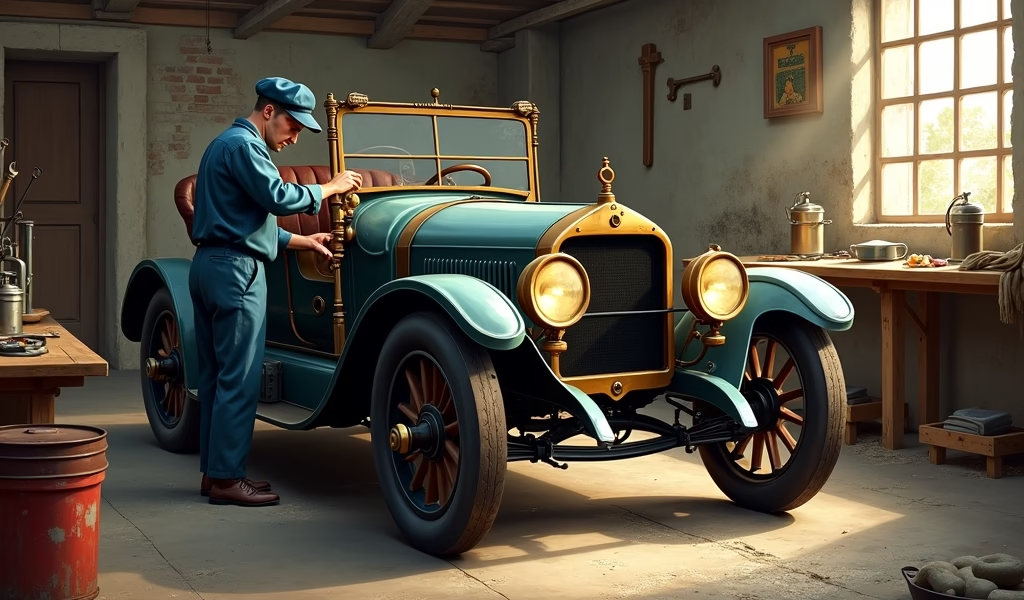
Proper storage for your 1910s automobile is less about parking and more about creating a time capsule environment. These vehicles weren’t designed for extended dormancy—they expected regular use despite seasonal challenges.
The ideal environment maintains steady temperature (around 50-70°F) with moderate humidity (40-50%). Concrete floors can wick moisture upward, so place a vapor barrier or wooden pallets beneath the vehicle. Rodents find vintage wiring and upholstery irresistibly delicious, so defensive measures are essential.
Seasonal preparation includes more than just topping off fluids. Before extended storage, exercise all controls—steering, brakes, clutch, and transmission. Moving parts that sit stationary can freeze in place with surprising stubbornness.
For protective coverings, avoid non-breathable plastic tarps that trap moisture like a sauna. Instead, invest in quality cotton or specialized breathable covers designed for long-term storage. The few hundred dollars spent on a proper cover prevents thousands in potential moisture damage.
Storage Preparation Checklist
- Clean thoroughly before storage, removing road grime and oils
- Place moisture absorbers like silica gel packets in the interior
- Disconnect and remove the battery or use a trickle charger
- Seal exhaust and intake openings to prevent pest intrusion
- Leave fuel tank either completely full (with stabilizer) or completely empty
Many collectors start their vehicles monthly during storage, running them until fully warmed up. This practice keeps seals lubricated and prevents gaskets from drying out. It also provides a welcome mid-winter reminder of summer touring season!
Period-Correct Fluid Management
The 1910s automobile has a peculiar relationship with fluids—it both needs them desperately and seems determined to expel them dramatically at inopportune moments.
Radiator and cooling system care begins with understanding that these early systems often lacked pressure caps, making them more prone to boiling over than a watched pot. Use distilled water rather than tap water to prevent mineral buildup in narrow passages. Period-correct additives like water wetter improve heat transfer without the corrosion risks of modern antifreeze.
Fuel considerations have changed dramatically since these vehicles were new. Modern gasoline contains ethanol that can damage vintage components and absorb water. Seek out ethanol-free premium fuel, often available at marinas and some specialty stations. Fuel stabilizer is essential for storage periods exceeding a month.
Winter preparation should include draining all water from the cooling system if freezing temperatures are expected during storage. Unlike modern cars with closed cooling systems and antifreeze, many 1910s automobiles were designed to be drained after each use in freezing weather.
Fluid Maintenance Schedule
- Change engine oil every 500 miles or annually
- Flush cooling system twice yearly
- Check transmission and differential oils quarterly
- Drain fuel system completely for storage exceeding 6 months
Remember that these vehicles were designed when “fluid change” meant something draining onto your driveway as a matter of course. Keeping a drip pan under your parked vintage car isn’t admitting defeat—it’s acknowledging historical accuracy!
Documentation and Parts Sourcing
In the digital age, maintaining paper records might seem quaint—but for a 1910s automobile, it’s essential. Create detailed maintenance logs documenting every service, repair, and modification. These records become increasingly valuable with each passing year and each transfer of ownership.
Finding authentic replacement parts requires detective skills that would impress Sherlock Holmes. Organizations like the Horseless Carriage Club, the Antique Automobile Club of America, and make-specific groups maintain networks of parts sources. Develop relationships with specialty vendors who cater to early automobile enthusiasts.
Building connections with knowledgeable mechanics specializing in brass-era vehicles is invaluable. These rare craftspeople often maintain waiting lists for their services and work more from experience than service manuals. When you find a good one, treasure them like the artisans they are.
Consider creating a library of period literature, including owner’s manuals, parts catalogs, and service bulletins. Many have been digitized by collector organizations, but having physical copies in your workshop proves invaluable during restoration projects.
Essential Documentation Tips
- Photograph your vehicle thoroughly, including undercarriage details
- Record all part numbers when components are removed
- Save all receipts for parts and services
- Create a “vehicle biography” documenting its known history
Remember that every bit of documentation you create today becomes part of your vehicle’s history for future caretakers. The provenance you establish adds both historical value and practical maintenance guidance for generations to come.
Conclusion
Maintaining a 1910s automobile isn’t merely keeping an old car running—it’s preserving a tangible piece of innovation history. These vehicles represent the transition from horse-drawn transportation to the modern automotive era, teaching us about engineering evolution, manufacturing history, and the society that embraced this revolutionary technology.
The meticulous attention these century-old machines require reminds us that regular maintenance has always been the key to vehicular longevity. Their simplicity makes them surprisingly reliable when properly cared for—something to consider when contemplating our modern, computer-controlled vehicles.
For those drawn to the distinct put-put of a vintage engine and the aristocratic posture of a brass-era automobile, the rewards far outweigh the challenges. Each drive becomes a parade, each turn of the crank connects you to generations of enthusiasts who’ve preserved these mechanical time travelers.
Every brass-era car that remains operational is a mobile museum, an interactive history lesson, and a testament to the care of generations of stewards. As the saying goes among vintage car enthusiasts, “We don’t own these cars; we merely look after them for the next generation.” With proper maintenance, your 1910s automobile might still be chugging along when flying cars finally become a reality—though it will undoubtedly leak oil on both!
Frequently Asked Questions
How much is a 1910s car worth today?
Prices vary dramatically based on make, model, condition, and provenance. A drivable Ford Model T might fetch $15,000-$25,000, while rare marques in concours condition can exceed $250,000.
Can you drive a 1910s car on modern roads?
Yes, most states allow vintage vehicles on public roads, often with special “antique” or “historic” registration. Their limited speed (typically 35-45 mph maximum) makes highway driving impractical or unsafe.
How fast could 1910s cars go?
Most everyday vehicles of the era had top speeds between 35-45 mph. Performance cars like the Stutz Bearcat could reach 60 mph or more.
What fuel do 1910s cars use?
Most run best on modern premium unleaded gasoline without ethanol additives. Ethanol can damage rubber and cork components not designed for it.
How do you start a 1910s car without the hand crank?
Electric starters began appearing on luxury models in 1912-1914. For earlier vehicles, many owners install hidden modern electric starters while maintaining the original crank for authenticity.