
Overview
From glossy finishes that scream “I just spent my weekend polishing instead of dating” to matte wraps that whisper “I’m too cool to reflect sunlight,” this article breaks down seven distinct automotive exterior finishes along with maintenance tips for each. The guide explores the characteristics, advantages, and care requirements of glossy, matte, satin, metallic, chrome, carbon fiber, and color-shifting finishes to help car enthusiasts choose the perfect texture that balances aesthetic preferences with practical considerations.
Table of Contents
- Understanding Car Paint Textures and Wrap Finishes
- Glossy Finish: The Classic Beauty
- Matte Finish: The Modern Statement
- Satin Finish: The Perfect Middle Ground
- Metallic Finish: Adding Dimension and Depth
- Chrome Finish: Maximum Impact
- Carbon Fiber: Performance-Inspired Aesthetics
- Color-Shifting Finishes: The Chameleon Effect
- 7 Essential Tips for Choosing and Maintaining Your Finish
- Conclusion
- Frequently Asked Questions
Understanding Car Paint Textures and Wrap Finishes
When it comes to types of paint textures cars wrap finishes, there’s a whole world beyond just picking a color. As someone who’s spent over two decades working on vehicles of all kinds, I can tell you that the texture and finish of your car’s exterior can completely transform its appearance. Whether you’re considering a fresh paint job or exploring the increasingly popular option of vehicle wraps, understanding the different textures available will help you make a choice that best reflects your style and meets your practical needs.
Think of your car’s exterior as its outfit – it’s not just about the color, but also about the texture that creates the overall impression. From mirror-like glossy finishes that showcase every curve to subtle matte textures that whisper sophistication, each option creates a distinctly different character for your vehicle. The good news is that with modern automotive paints and wraps, you’re no longer limited to just one type of finish.
In this comprehensive guide, we’ll explore the most popular types of paint textures and car wrap finishes available today, along with essential tips for choosing and maintaining them. By the end, you’ll be equipped with the knowledge to make an informed decision that will keep your ride looking its best for years to come. Let’s dive into the fascinating world of automotive finishes!
Glossy Finish: The Classic Beauty
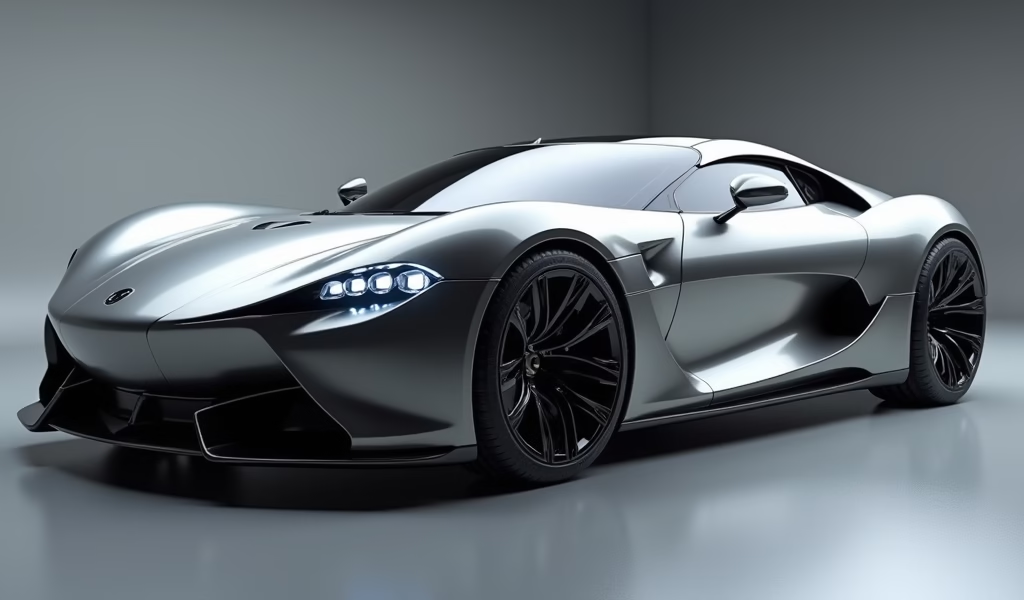
The glossy finish is the gold standard in automotive exteriors – it’s what most people picture when they think of a freshly painted car. This high-shine, reflective surface creates a mirror-like quality that highlights your vehicle’s contours and lines in the most flattering way. When properly applied and maintained, a glossy finish can make even an older car look like it just rolled off the showroom floor.
What makes glossy finishes so appealing is their ability to catch and reflect light. When sunlight hits a glossy car, it creates that eye-catching sparkle that turns heads. This finish is achieved through multiple layers of paint followed by clear coat applications, each carefully sanded between coats for that perfect, smooth surface. For wraps, high-gloss vinyl is designed to mimic this same reflective quality.
While beautiful, glossy finishes do require more maintenance than some other options. They show dirt, dust, water spots, and minor scratches more readily than their matte counterparts. However, they’re also relatively easy to clean and can be polished to restore shine when needed. If you enjoy spending time maintaining your vehicle’s appearance and want that classic, showroom-quality look, a glossy finish might be perfect for you.
Matte Finish: The Modern Statement
Once reserved for high-end luxury and sports cars, matte finishes have surged in popularity across all vehicle categories. Unlike glossy finishes, matte has little to no reflective properties, creating a flat, sophisticated look that exudes confidence and modernity. When light hits a matte surface, it diffuses rather than reflects, giving the car a distinctive understated elegance.
The appeal of matte lies in its uniqueness and ability to showcase a vehicle’s lines in a different way. Colors appear deeper and richer without the distraction of reflections, allowing the true shade to stand out. Black matte, in particular, creates a stealthy, powerful presence that’s become iconic in automotive circles. For those who want to stand out from the crowd of glossy vehicles, matte offers an immediate distinction.
Maintenance of matte finishes requires special consideration. Traditional car washes and polishes can damage the flat finish, potentially creating shiny spots that ruin the uniform appearance. Special matte-specific cleaning products are necessary, and you’ll need to address any spills or stains immediately to prevent them from becoming permanent. Despite these challenges, many enthusiasts find the unique aesthetic well worth the extra care. If you’re looking to detail your car like a professional, understanding the specific needs of matte finishes is essential.
Satin Finish: The Perfect Middle Ground
For those who find glossy too showy and matte too flat, satin finishes offer an attractive middle ground. Satin provides a subtle sheen that’s more reflective than matte but less mirror-like than glossy. This semi-gloss finish creates a silky, sophisticated look that many consider the best of both worlds – distinctive without being ostentatious.
Satin finishes have gained tremendous popularity in recent years, especially in the luxury car market and among enthusiasts seeking something different without going to the maintenance extremes of either glossy or matte. The subtle reflectivity of satin catches just enough light to showcase the vehicle’s contours while maintaining a smooth, refined appearance. Many car manufacturers now offer satin as a factory finish option, recognizing its growing appeal.
When it comes to care, satin finishes are more forgiving than matte but still require some special consideration. They’re less prone to showing fingerprints and light scratches than high-gloss finishes but can’t be polished like glossy surfaces. For many drivers, this balance of distinctive appearance and moderate maintenance requirements makes satin an ideal choice. As paint technology experts at PPG note, satin finishes are increasingly becoming the choice for discerning car owners who want something distinctive yet practical.
Metallic Finish: Adding Dimension and Depth
Metallic finishes incorporate tiny metal flakes – usually aluminum – into the paint or wrap material, creating a sparkling effect that adds dimension and depth to the color. When light hits these metal particles, they reflect it in multiple directions, giving the vehicle a dynamic, almost liquid appearance that changes subtly as viewing angles shift.
The beauty of metallic finishes lies in their ability to elevate even simple colors to new heights. A basic blue becomes a deep, oceanic marvel with metallic flakes catching the light. Silver metallic can transform from subtle gray to brilliant shine depending on lighting conditions. This versatility has made metallic finishes a perennial favorite among car manufacturers and owners alike.
One significant advantage of metallic finishes is their ability to mask minor scratches and imperfections better than solid colors. The reflective particles create visual distraction that can help hide small blemishes that might be obvious on a solid-colored surface. However, when repairs are needed, matching metallic paint can be challenging since the orientation and density of the metal flakes affect the overall appearance. For those willing to learn car painting techniques, working with metallics offers a rewarding challenge that can produce stunning results.
Chrome Finish: Maximum Impact
For those who want to make the boldest statement possible, chrome finishes deliver unmatched visual impact. True chrome plating is rarely used on entire vehicles due to weight, cost, and environmental concerns, but modern chrome-look wraps can create a similar mirror-like, highly reflective surface that turns any car into a rolling spectacle.
Chrome finishes create a liquid-metal appearance that transforms a vehicle into a literal mirror, reflecting the surrounding environment with astonishing clarity. This finish is unmistakable and guaranteed to attract attention wherever you go. While full chrome wraps are the most dramatic option, many drivers opt for chrome accents or partial wraps to add flash without overwhelming the vehicle’s design.
The drawbacks of chrome finishes are significant – they show every fingerprint, water spot, and dust particle, requiring constant cleaning to maintain their spectacular appearance. In some jurisdictions, full chrome wraps may even face restrictions due to potential glare issues for other drivers. According to 3M’s automotive wrap specialists, chrome finishes represent the highest maintenance option available but deliver unparalleled visual impact for those willing to commit to their care.
Carbon Fiber: Performance-Inspired Aesthetics
Carbon fiber wraps and finishes bring the world of high-performance racing to street vehicles. These textured finishes mimic the distinctive woven pattern of real carbon fiber composite materials, creating an immediate association with motorsports and performance engineering. Available in various colors beyond the traditional black, carbon fiber finishes add both visual and tactile texture to a vehicle.
The appeal of carbon fiber texture extends beyond just looks – it communicates a performance-oriented mindset and technical appreciation. Real carbon fiber components are prized for their lightweight strength in race cars, and bringing this aesthetic to your vehicle creates an immediate sporting impression. When applied to hoods, roofs, or trim elements, carbon fiber textures can complement the vehicle’s existing lines while adding visual interest.
Maintenance for carbon fiber-textured wraps falls somewhere between glossy and matte finishes. The textured surface can trap dirt in its woven pattern, requiring careful cleaning, but it’s also effective at hiding minor scratches and imperfections. For the performance enthusiast who wants their vehicle’s exterior to match its spirit, carbon fiber textures offer an authentic connection to racing heritage.
Color-Shifting Finishes: The Chameleon Effect
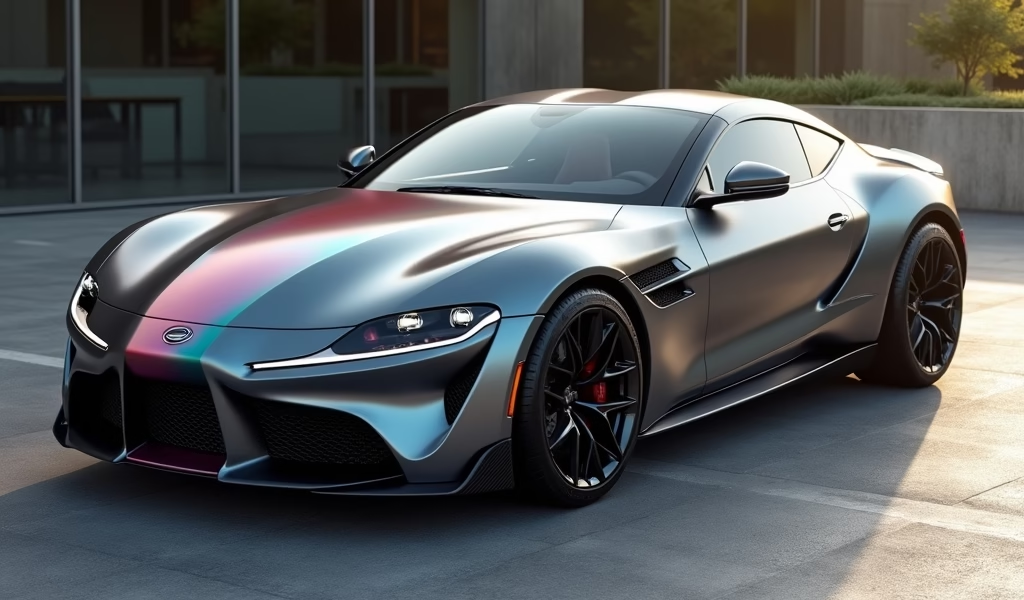
Perhaps the most captivating of all automotive finishes, color-shifting paints and wraps (sometimes called “chameleon” or “flip” finishes) change their appearance based on viewing angle and lighting conditions. These finishes contain special prismatic pigments that reflect different wavelengths of light depending on the angle, creating a dynamic, ever-changing look that can shift between two or more distinct colors.
The effect of seeing a vehicle transition from purple to green as it drives by, or from copper to gold as the sun sets, creates a truly magical visual experience. Color-shifting finishes were once extremely rare and prohibitively expensive, but advances in both paint technology and wrap materials have made them more accessible to enthusiasts. Each color-shifting finish has its own unique transition range, from subtle shifts within the same color family to dramatic jumps across the spectrum.
While visually stunning, color-shifting finishes do present some practical challenges. They’re typically more expensive than standard finishes, and matching them for repairs can be extremely difficult. Their complex appearance also makes imperfections more noticeable to the trained eye. However, for those seeking the ultimate in personalization and visual impact, nothing compares to watching your vehicle transform as you move around it.
7 Essential Tips for Choosing and Maintaining Your Finish
When it comes to selecting and caring for your car’s finish, a little knowledge goes a long way. Here are seven essential tips to guide your decision and help you maintain your vehicle’s appearance:
- Consider your maintenance commitment. Be honest about how much time you’re willing to dedicate to caring for your car’s finish. High-gloss and chrome finishes require frequent attention, while satin and textured finishes can be more forgiving.
- Think about your driving environment. If you live in a dusty area or park on the street, a finish that shows less dirt might be practical. Urban environments with bird droppings and tree sap can be especially challenging for matte finishes.
- Use finish-specific cleaning products. Each type of finish requires appropriate care. Using gloss-enhancing products on matte surfaces can ruin them, while matte cleaners won’t bring out the shine in glossy finishes.
- Consider wraps for flexibility. If you enjoy changing your car’s look frequently, wraps offer the ability to completely transform your vehicle without permanently altering it. They can also provide protection for the original paint underneath.
- Protect your investment with regular care. Regardless of finish type, regular washing, proper drying techniques, and protection from harsh environmental factors will extend the life and appearance of your car’s exterior.
- Factor in resale implications. While personalization is important, consider that unique or unconventional finishes might affect resale value. Wraps offer the advantage of being removable when it’s time to sell.
- Get samples before committing. Whenever possible, see samples of your chosen finish in different lighting conditions before making a final decision. What looks perfect in a showroom might appear very different under natural sunlight.
Conclusion
The world of types of paint textures cars wrap finishes has evolved dramatically, offering car enthusiasts more options than ever before to express their personal style. From the timeless elegance of glossy finishes to the bold statement of matte, the middle-ground sophistication of satin, or the eye-catching appeal of metallic, chrome, carbon fiber, and color-shifting options – your car’s exterior can be as unique as you are.
Remember that each finish type comes with its own set of advantages and maintenance requirements. The perfect choice balances your aesthetic preferences with practical considerations about care, environment, and long-term plans for the vehicle. Whether you opt for a permanent paint job or the flexibility of a wrap, understanding the characteristics of different textures will help you achieve the look you want with results you’ll be happy with for years to come.
Ultimately, your car’s finish is a reflection of your personality and attention to detail. By choosing thoughtfully and maintaining properly, you’ll enjoy turning heads for all the right reasons as you cruise down the road in a vehicle that truly stands out from the crowd. The right finish doesn’t just change how your car looks – it transforms how it makes you feel every time you approach it in the parking lot or glance back after walking away.
Frequently Asked Questions
How long do car wraps typically last?
Quality car wraps typically last 5-7 years with proper care. Environmental factors like sun exposure, pollution, and storage conditions can significantly impact longevity.
Can I wash my car with a matte finish at a regular car wash?
No, automatic car washes can damage matte finishes with their brushes and glossy soaps. Hand washing with matte-specific products is recommended instead.
Are color-shifting wraps more expensive than standard colors?
Yes, color-shifting wraps generally cost 30-50% more than standard solid colors. The complex pigments and application process contribute to the higher price point.
Can I apply a different finish to just part of my car?
Absolutely, partial wraps or two-tone paint jobs are popular options. Many choose to wrap just the hood, roof, or add accents for a custom look without the full cost.
Will changing my car’s finish affect its value?
It depends on the quality and type of finish change. Professionally applied wraps can protect original paint and may increase appeal, while unusual paint jobs might limit buyer interest.