

Overview
Who knew that treating your fancy carbon ceramic window tint like a newborn baby would be part of car ownership—no ammonia-based cleaners, sharp objects, or impatient window-rolling during the sacred curing period! This premium automotive tint requires specific maintenance practices including proper cleaning techniques, temperature management, regular inspections, and occasional professional maintenance to maximize its 7-10 year lifespan and continue delivering superior heat rejection and UV protection.
Table of Contents
- Understanding Carbon Ceramic Tint
- Allow Proper Curing Time
- Use Appropriate Cleaning Solutions
- Proper Cleaning Techniques
- Avoid Sharp Objects and Abrasives
- Temperature Management
- Regular Inspections
- Professional Maintenance
- Conclusion
- Frequently Asked Questions
Understanding Carbon Ceramic Tint
Carbon ceramic window tint represents the pinnacle of automotive window protection technology. Unlike standard dyed films, this premium option incorporates ceramic particles into a carbon base, creating a formidable barrier against heat and harmful radiation.
What makes carbon ceramic tint special is its remarkable ability to reject heat without blocking electronic signals. This high-performance film reflects up to 80% of infrared radiation while blocking 99% of damaging UV rays. Your car stays cooler, your skin stays protected, and your cell phone still works perfectly.
I’ve installed hundreds of these tints in my 15 years as an automotive specialist, and the difference is dramatic. On a 90°F day, cars with basic tint might reach interior temperatures of 120°F, while those with quality ceramic tint might only hit 95-100°F. That’s the difference between scorching and merely warm.
This superior performance comes with a higher price tag – typically $300-800 for a complete vehicle. With that kind of investment, proper maintenance becomes essential to protect your tint and extend its lifespan. Let’s explore how to care for this premium automotive upgrade.
Allow Proper Curing Time
The most common mistake I see with fresh tint installations is impatience during the crucial curing period. Carbon ceramic tint needs adequate time to bond properly with your glass and dry completely.
This curing process typically takes 3-7 days depending on your local climate. Humid environments require longer drying times, while dry climates might allow for faster curing. During this period, you’ll notice a hazy appearance and possibly small water bubbles – these are completely normal.
For optimal results during the curing period:
- Keep all windows rolled up completely
- Avoid touching or cleaning the windows
- Skip the car wash (even touchless)
- Park in shade when possible to prevent extreme heat
The curing process is complete when haziness disappears and the tint takes on that smooth, perfect finish you paid for. Rushing this process by rolling windows down too soon is like pulling a cake from the oven before it’s done – you’ll ruin the results and have to start over.
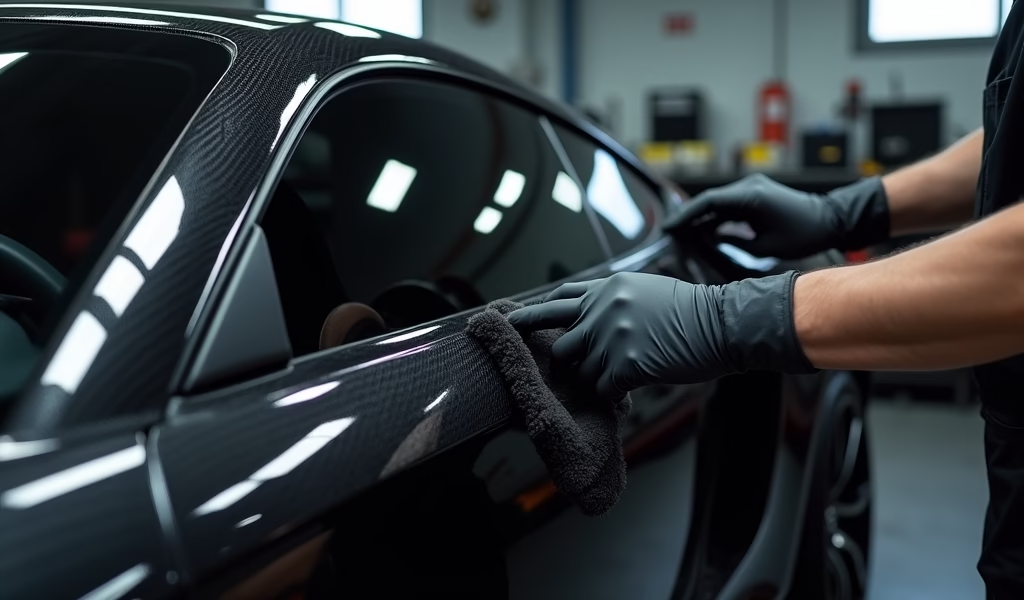
Use Appropriate Cleaning Solutions
The quickest way to damage carbon ceramic tint is using the wrong cleaning products. Ammonia-based cleaners are particularly destructive, breaking down the adhesive and causing the tint to purple or bubble.
After testing countless products over my career, I’ve found these options to be consistently safe and effective:
- Dedicated automotive window cleaners labeled “tint-safe”
- Simple soap and water solutions (mild dish soap works well)
- Specialty tint cleaning products from reputable brands
Products to avoid completely:
- Windex or any ammonia-based cleaners (these destroy tint)
- Vinegar solutions (too acidic for tint adhesive)
- Products with alcohol in high concentrations
- Any cleaner with gritty particles or abrasives
My go-to DIY cleaning solution is straightforward: mix two cups of water with 2-3 drops of mild dish soap in a spray bottle. This gentle solution effectively cleans without risking damage to your premium tint. For tougher messes, products like 3M Glass Cleaner are specially formulated to be safe on window films.
Proper Cleaning Techniques
Even with the right cleaner, improper technique can damage your tint. I’ve seen perfectly good installations ruined by aggressive cleaning methods that separate the film from the glass.
Follow this professional-grade cleaning process:
- Spray your tint-safe solution onto a clean microfiber cloth – never directly on the window
- Wipe the window using gentle, straight motions (not circular)
- Use a second dry microfiber cloth to buff the window dry
- Clean from top to bottom to prevent streaking
Essential tools for proper tint cleaning include:
- Microfiber cloths (minimum of two – one for washing, one for drying)
- Soft natural sponges (if needed for stubborn spots)
- Silicone squeegees designed for tinted windows
I recommend detailing your car’s windows every 2-3 weeks, or whenever they get noticeably dirty. Consistent gentle cleaning is far better than occasional aggressive scrubbing. Think of it like brushing your teeth – regular maintenance prevents bigger problems.
Avoid Sharp Objects and Abrasives
Carbon ceramic tint is remarkably durable, but it’s not invincible. The film layer can be scratched or punctured by sharp objects that wouldn’t damage glass alone.
Common items that damage tint include:
- Razor blades and scrapers (never use these on tinted windows)
- Rings and watches when cleaning
- Pet claws (especially when dogs hang out windows)
- Children’s toys and items with pointed edges
- Paper towels and rough cleaning materials
Unfortunately, once tint is scratched, repair options are limited. Minor scratches might become less visible when cleaned properly, but significant damage typically requires replacing the affected window’s tint.
As a mechanic who’s seen countless damaged tints, I advise keeping your fingernails trimmed when cleaning tinted windows. It sounds simple, but long nails are a common culprit behind those mysterious scratches that seem to appear from nowhere.
For stubborn residue like tree sap or bird droppings, patience is key. Soak the area with your tint-safe cleaner for several minutes before gently wiping away. This approach avoids the temptation to scrape, which inevitably damages the film.
Temperature Management

While carbon ceramic tint is engineered to manage heat, extreme temperature fluctuations can stress the material over time. The adhesive bonds can weaken under repeated thermal cycling, potentially leading to bubbling or edge lifting.
In my years at the shop, I’ve noticed tint lasts significantly longer when owners follow these temperature management practices:
- Use windshield sun shades when parking in direct sunlight
- Choose covered parking when available
- Allow your car to warm gradually in freezing temperatures
- Avoid blasting hot or cold air directly at windows
The defroster deserves special mention here. Modern rear window defrosters can reach temperatures that stress the adhesive bond. In extreme cold, turn on your defroster at a lower setting first, allowing gradual warming before maximum heat.
This advice applies doubly in areas with extreme seasons. I’ve worked in both Minnesota and Arizona, and in both climates, temperature management was crucial for tint longevity. Consistent temperature control extends tint life by years, not just months.
When following your detailing routine, aim to work in moderate temperatures and shaded conditions whenever possible. This protects both your tint and your cleaning products from extreme conditions.
Regular Inspections
Developing a habit of regularly inspecting your tinted windows can catch potential issues before they become major problems. Early intervention often means simple fixes rather than complete replacement.
During your monthly inspections, look for:
- Bubbling or separation from the glass
- Edge lifting or peeling (especially around defrost lines)
- Discoloration or purple hue (sign of UV degradation)
- Scratches or abrasions in the film
- Changes in clarity or visibility
The best time to inspect your tint is after cleaning, when the windows are still slightly damp – imperfections are easier to spot with a bit of moisture present. Use natural sunlight for your inspection when possible, as it reveals issues that indoor lighting might miss.
If you notice any concerns within your warranty period (typically 5-10 years for quality carbon ceramic tint), contact your installer immediately. Many minor issues can be addressed without full replacement if caught early enough.
I’ve saved customers thousands over the years by identifying small edge separations before they spread across the entire window. Five minutes of inspection each month can prevent premature replacement costs.
Professional Maintenance
Even with diligent home care, scheduling occasional professional maintenance can significantly extend your tint’s lifespan. Professional tint technicians have specialized tools and solutions that achieve results beyond DIY capabilities.
I recommend professional maintenance in these situations:
- Annual inspections by your installer
- After windshield replacement or damage repair
- When you notice persistent minor issues
- Before selling your vehicle (to maximize value)
Professional maintenance typically costs between $50-$100 and includes comprehensive services like edge resealing, adhesive rejuvenation, and specialized cleaning. Many installers offer discounted or free maintenance for original customers.
A quality tint shop can also apply protective treatments that extend film life, similar to how professional paint protection preserves your vehicle’s exterior. These treatments are particularly valuable in harsh climates with extreme sun exposure or frequent precipitation.
If you’ve invested in premium carbon ceramic tint, this professional attention represents smart protection for your investment. Think of it as preventive medicine for your windows – addressing small issues before they become expensive problems.
Conclusion
Carbon ceramic tint represents one of the best investments you can make in both comfort and protection for your vehicle. When properly maintained, this premium window film provides years of heat rejection, UV protection, and enhanced privacy.
By following these seven maintenance principles – allowing proper curing, using appropriate cleaning solutions, employing proper techniques, avoiding sharp objects, managing temperature, conducting regular inspections, and scheduling professional maintenance – you’ll maximize the lifespan of your tint investment.
Remember that quality ceramic tint can last 10+ years with proper care, compared to just 2-5 years for poorly maintained installations. That difference represents significant value for your investment.
As a professional with thousands of installations under my belt, I can confidently say that the few minutes of maintenance each month are well worth the years of extended performance. Your carbon ceramic tint will reward your care with continued protection, comfort, and that sleek, professional appearance that makes your vehicle stand out.
Take care of your tint, and it will take care of you – keeping you cooler, protecting your interior, and maintaining your privacy for many miles to come.
Frequently Asked Questions
How long does carbon ceramic tint last?
With proper maintenance, quality carbon ceramic tint typically lasts 7-10 years. Premium brands with proper care can sometimes exceed this lifespan, particularly in moderate climates.
Can I roll down my windows immediately after tint installation?
No, windows should remain up for at least 3-5 days after installation to allow proper curing. Premature rolling can damage the tint or cause it to peel away from the glass.
Is carbon ceramic tint worth the extra cost over standard tint?
Yes, carbon ceramic tint offers superior heat rejection, doesn’t interfere with electronic signals, and lasts significantly longer than standard dyed films. The comfort difference alone justifies the investment for most drivers.
How do I know if my tint is damaged beyond repair?
Tint generally needs replacement if you notice significant bubbling, peeling edges that exceed 1/4 inch, or purple discoloration throughout the film. Small bubbles or minor edge lifting can sometimes be repaired by professionals.
Will carbon ceramic tint stop my electronics from working?
No, unlike metallized tints, carbon ceramic technology doesn’t interfere with electronic signals. Your cell phones, GPS devices, and toll transponders will function normally with ceramic tint installed.
HTML