
Overview
Your car’s finish isn’t just eye candy—it’s armor against the elements that requires specific care based on whether you’re sporting glossy paint, matte wraps, or anything in between. This guide provides seven expert tips for proper cleaning, protection, and maintenance of different automotive finishes, saving you from heartbreaking mishaps like turning your stealth-fighter matte finish into a spotty disaster with the wrong products.
Table of Contents
- Understanding Paint Textures and Car Wrap Finishes
- Common Types of Automotive Paint Textures
- Popular Car Wrap Finishes
- Tip #1: Know Your Finish Before You Touch It
- Tip #2: Washing Techniques by Finish Type
- Tip #3: Choosing the Right Protection Products
- Tip #4: Tackling Environmental Damage
- Tip #5: Creating a Maintenance Schedule That Works
- Tip #6: When to Call the Professionals
- Tip #7: Extending Your Finish’s Lifespan
- Conclusion
- Frequently Asked Questions
Understanding Paint Textures and Car Wrap Finishes
Ever caught yourself staring at a car’s finish so perfect you could practically see your future in it? Or maybe you’ve been hypnotized by that velvety matte black that seems to absorb light like a black hole? At Knows Your Car, we’ve seen stunning finishes ruined by well-meaning owners who just didn’t know any better. It’s heartbreaking!
Your car’s exterior isn’t just eye candy (though that head-turning appeal is definitely a sweet bonus). It’s your vehicle’s first line of defense against a world that’s constantly trying to damage it. Rain, sun, bird bombs, tree sap – your finish faces it all.
Here’s the kicker – different types of paint textures and car wrap finishes need completely different care routines. What makes a glossy finish pop could permanently damage a matte one. Yikes!
I’ve spent 15 years in the automotive finishing world, and I’m going to share seven pro-level tips that’ll keep your ride looking showroom-fresh, whether it’s sporting factory paint or a custom wrap. Let’s dive in and save your car’s gorgeous skin!
Common Types of Automotive Paint Textures
Before we get our hands dirty with maintenance tips, let’s identify exactly what you’re working with. Think of this as your finish identification guide:
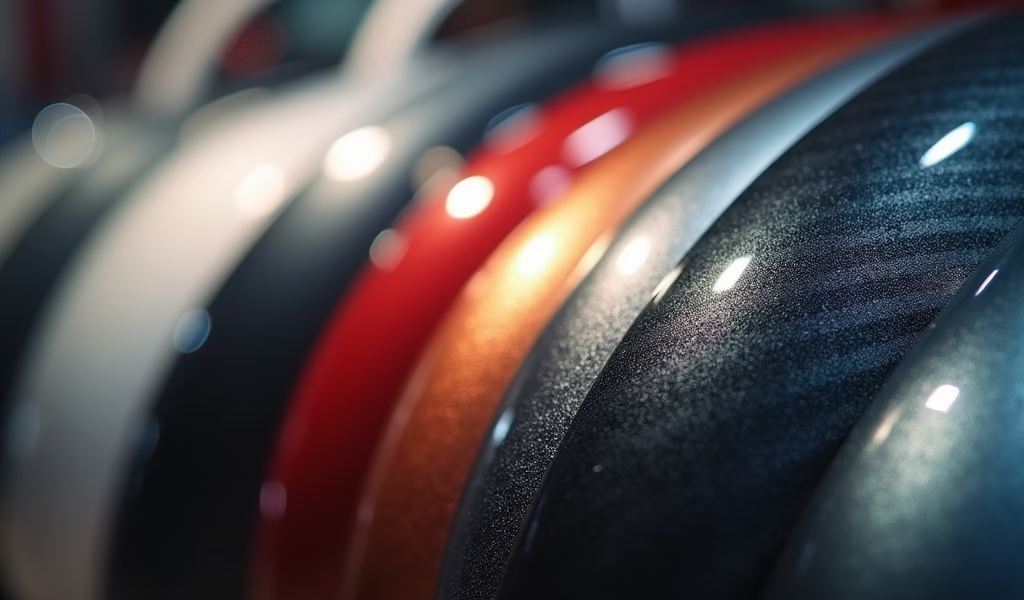
Glossy/Clear Coat Finishes
This is the classic shiny finish that most cars leave the factory with. Like a perfectly polished mirror, these finishes reflect light beautifully. They’re stunning when clean but show every fingerprint, water spot, and microscopic scratch with brutal honesty.
Matte/Flat Finishes
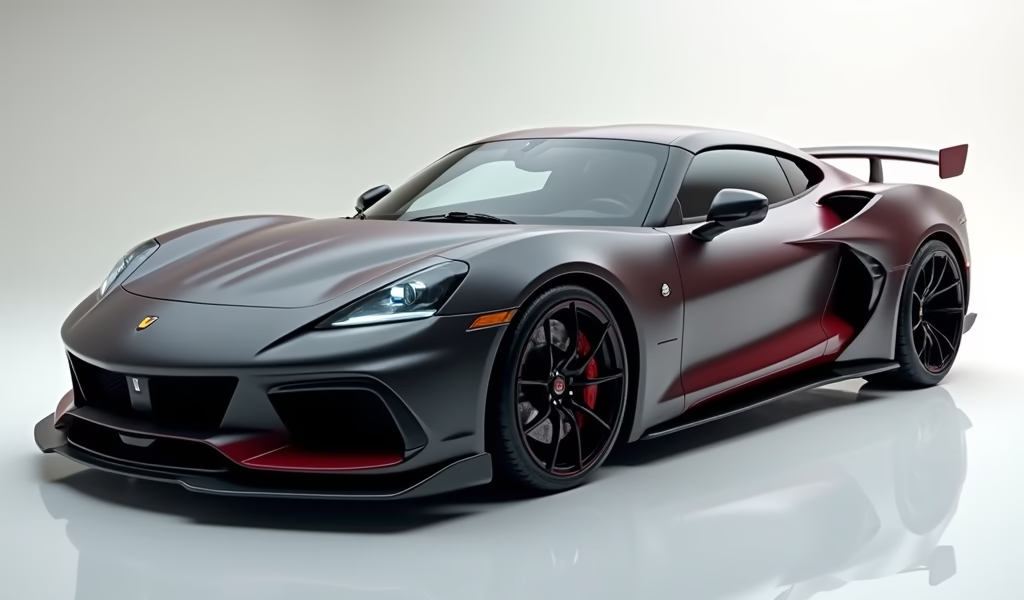
The rebel of the automotive world, these non-reflective finishes have exploded in popularity. They absorb light rather than reflect it, creating that distinctive “stealth fighter” look that turns heads. They’re striking but notoriously high-maintenance.
Satin Finishes
The perfect middle ground – not too shiny, not too flat. Satin offers a subtle luster that many find more sophisticated than high gloss without the extreme care requirements of true matte. It’s like the “business casual” of paint finishes.
Metallic Paint
Contains tiny metal flakes that create a sparkling effect when light hits the surface. The depth and dimension are incredible in sunlight, giving your car a dynamic appearance that changes with viewing angle. Modern metallic paints can contain aluminum, mica, or even glass flakes for different effects.
Pearlescent Paint
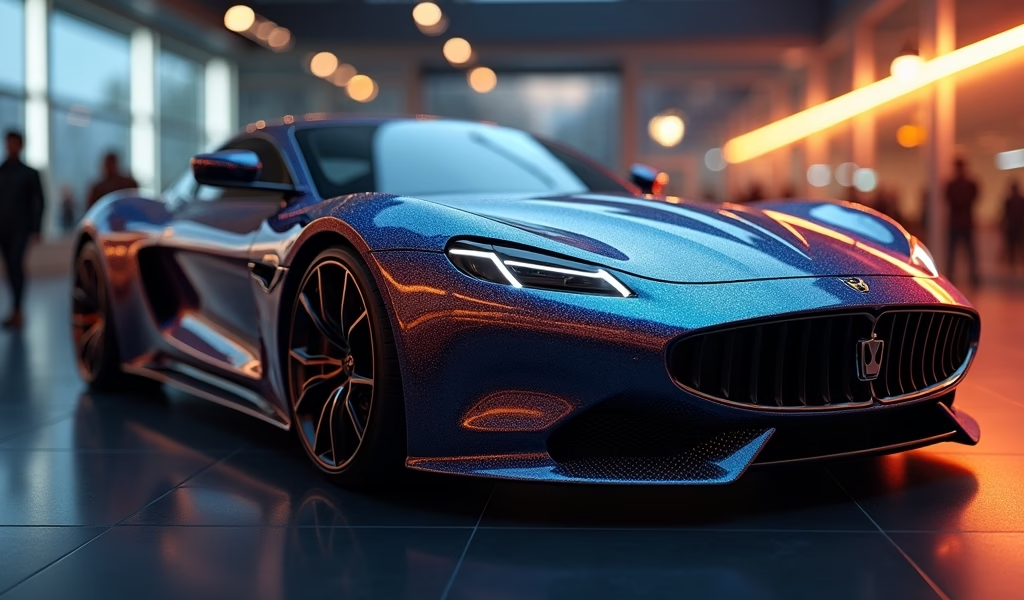
Incorporates ceramic crystal particles that create a color-shifting effect depending on viewing angle and lighting. The result is a deep, luxurious finish that seems to glow from within. These finishes are common on premium and luxury vehicles for a reason – they’re breathtaking.
Textured Finishes
Including ceramic coatings and specialized textured paints, these add protective layers with various surface properties. Modern ceramic coatings can provide incredible protection while enhancing the underlying finish. As Consumer Reports notes, these coatings can offer significant protection against environmental damage.
Popular Car Wrap Finishes
The wrap revolution has completely changed the automotive customization game, giving us even more finish options without the permanence of paint:
Gloss Vinyl Wraps
These mimic traditional glossy paint but can be changed much more easily. They provide a slick, reflective surface that’s virtually indistinguishable from paint to the casual observer. Perfect for those who like to change their car’s look regularly or want paint-level protection without the commitment.
Matte Vinyl Wraps
Deliver that coveted flat look without the extreme care requirements of matte paint. While they still need special attention, they’re generally more forgiving than actual matte paint. They provide that stealth, sophisticated appearance that’s become so desirable in recent years.
Satin Vinyl Wraps
Offer that middle-ground luster that’s become increasingly popular for luxury and sports cars. Not too flashy, not too subdued – just right. These wraps give a premium feel without screaming for attention.
Chrome/Metallic Wraps
For when subtle just isn’t your style! These attention-grabbing finishes turn your car into a rolling light show. From subtle silver metallic to full-on mirror chrome that reflects everything around it, these wraps are for those who want to make a statement.
Color Shift/Iridescent Wraps
These mind-bending wraps change colors depending on the viewing angle – like having multiple cars in one. You might see purple from one angle, green from another, and blue from yet another. They create a truly unique appearance that’s impossible to achieve with traditional paint.
Textured Wraps
Simulate carbon fiber, brushed metal, leather, or other textures. These wraps don’t just look different – they feel different too. Running your hand across a quality carbon fiber textured wrap is a tactile experience that adds another dimension to your car’s appearance.
Tip #1: Know Your Finish Before You Touch It
Not sure what finish you’re working with? Here’s a quick test: if you can see clear reflections on the surface (like a mirror), you’ve got a glossy finish. If light diffuses across the surface with no distinct reflections, that’s matte. Satin falls somewhere in between.
This matters tremendously because using gloss-specific products on a matte finish can permanently ruin it. It’s like putting hair gel in curly hair – once it’s there, the original texture is compromised.
At Knows Your Car, we’ve rescued many vehicles from finish disaster. Our technicians are trained to identify every finish type because nothing breaks our hearts more than seeing a beautiful matte finish ruined by wax or a delicate wrap damaged by harsh chemicals.
When in doubt, check your vehicle documentation or consult with a professional. For wrapped vehicles, keep records of what type of wrap was installed. This small step can save you thousands in refinishing costs.
Tip #2: Washing Techniques by Finish Type
Proper washing is the foundation of finish care. Let’s break it down by finish type:
For Glossy Finishes:
- Use the two-bucket method (one for soap, one for rinsing your mitt) to prevent swirl marks
- Always wash from top to bottom, following gravity
- Dry with a clean microfiber cloth to prevent water spots
- Use a pH-neutral car wash soap – never household detergents
For glossy finishes, the goal is to maintain that mirror-like reflection. That means preventing microscopic scratches that dull the surface over time. Learning proper detailing techniques can make a huge difference in maintaining your glossy finish.
For Matte and Satin Finishes:
- Forget everything you know about “bringing out the shine” – that’s the enemy here
- Use products specifically designed for matte finishes that clean without adding gloss
- Never use circular motions – always go in straight lines with minimal pressure
- Skip the wax, polish, or anything containing “enhancers” or “brighteners”
Matte finishes have microscopic texture that diffuses light rather than reflecting it. Products designed for gloss will fill in this texture, creating shiny spots that can’t be removed. Trust me, I’ve seen grown men cry over ruined matte finishes.
For Wraps:
- Temperature matters tremendously – never wash a vinyl wrap with hot water
- Avoid washing when the surface is hot from sitting in the sun
- Pay special attention to edges where lifting might occur
- Use gentler pressure than you would on paint
Vinyl can stretch, distort, or even tear if mishandled. It’s also sensitive to harsh chemicals that might not bother paint. Always use wrap-safe products specifically tested for vinyl surfaces.
Universal Don’ts:
- Automatic car washes are finish assassins. Those spinning brushes might as well be sandpaper
- Household soaps strip protective layers faster than you’d believe
- Pressure washers can damage all finish types if used incorrectly
- Never use the same mitt or cloth for wheels and paint – cross-contamination causes scratches
I’ve seen a $3,000 wrap ruined by a $12 automatic car wash. Don’t be that person. Take the time to wash your car properly, and it will reward you with years of beautiful appearance.
Tip #3: Choosing the Right Protection Products
Protection products are like sunscreen for your car – crucial but only if you choose the right one for your skin type. Here’s how to choose wisely:
For Glossy Finishes:
- Traditional carnauba waxes offer warmth and depth but shorter protection (1-2 months)
- Synthetic sealants last longer (3-6 months) with excellent protection
- Ceramic coatings provide the longest protection (1-5 years) and the hardest finish
Modern ceramic coatings are a game-changer for glossy finishes, creating a sacrificial layer that’s harder than the clear coat itself. They’re expensive but can actually save money long-term through reduced maintenance and preserved finish value.
For Matte Finishes:
- Regular waxes are absolute kryptonite to matte finishes – they’ll create shiny spots that can’t be removed
- Use only specialized matte sealants that protect without adding shine
- Apply with extra care, ensuring even coverage with no buildup
The market for matte protection products has improved dramatically in recent years. Companies like GYEON and Dr. Beasley’s have developed excellent matte-specific protectants that preserve the flat appearance while adding hydrophobic properties.
For Vinyl Wraps:
- Most quality wraps come with UV protection built in, but dedicated vinyl protectants can extend life significantly
- Look for vinyl-specific products that restore plasticizers that naturally evaporate over time
- Apply more frequently in high-heat, high-UV environments
Remember: The most expensive product isn’t always the best for your specific finish. At Knows Your Car, we recommend protection based on real-world performance, not price tags or marketing hype. Our goal is sustainable car care that preserves both your vehicle’s appearance and your wallet’s health.
For extra protection against the elements, consider implementing these essential maintenance tips that can extend the life of any automotive finish.
Tip #4: Tackling Environmental Damage
Environmental contaminants are your finish’s worst enemies. Here’s how to fight back:
Bird Droppings
Bird droppings aren’t just unsightly – they’re acidic enough to etch into your finish permanently if left untreated. The clock starts ticking the moment they land. Soak the area with a dedicated automotive cleaner or quick detailer for a few minutes before gently wiping away. For stubborn spots on glossy finishes, clay bar treatment can remove etched residue.
Tree Sap
Tree sap hardens like cement if left untreated. Specialized sap removers use solvents that dissolve the sap without damaging your finish. Apply, let it work for the recommended time, and gently remove. Multiple applications might be necessary for old, hardened sap.
Industrial Fallout
Those tiny orange or purple specks on light-colored cars? That’s industrial fallout – microscopic metal particles that embed in your finish and begin to rust. Iron removers (often called “fallout removers”) use color-changing chemistry to dissolve these particles safely. The purple bleeding effect looks alarming but is completely normal.
Special Care for Different Finishes:
- Matte Finish: Never scrub aggressively. Use products designed for matte paint and apply minimal pressure. Patience is your friend here.
- Wrap Care: Be extra cautious around the edges of wraps where adhesive might be exposed. Harsh chemicals can compromise adhesion and create lifting edges.
- Ceramic Coatings: Use pH-neutral cleaners that won’t degrade the coating. Some stronger chemicals can break down ceramic bonds over time.
The golden rule for all environmental damage: act quickly! What might wipe away easily today could require professional intervention next week. I’ve seen a single bird dropping left for a weekend in summer permanently etch through clear coat to the base coat. Don’t let that be your car.
Tip #5: Creating a Maintenance Schedule That Works
Consistency is the secret sauce of finish maintenance. Here’s a schedule that works for most vehicles:
Weekly:
- Quick rinse to remove surface dust and contaminants
- Visual inspection for new damage or contaminants
- Light detailing spray application for glossy finishes
Bi-weekly:
- Full wash with appropriate products for your finish type
- Thorough drying to prevent water spots
- Quick protection refresh if needed
Monthly:
- Detailed inspection for any damage that needs addressing
- Check wrap edges for any lifting or paint for chip sites
- Deep cleaning of trouble areas (around door handles, etc.)
Quarterly:
- Apply appropriate protection products
- For gloss finishes, consider clay bar treatment if needed
- For wraps, apply vinyl protectant
Seasonal Adjustments:
Winter requires more frequent washing to remove road salt in cold climates. Summer demands more vigilant protection against intense UV rays that can fade finishes faster than you’d expect. Spring pollen season may require more frequent rinsing to prevent pollen from bonding to surfaces.
At Knows Your Car, we’ve developed customized maintenance schedules for different climates, driving patterns, and storage situations. Remember that a garage-kept show car needs a very different routine than a daily driver parked on the street. Be realistic about what maintenance schedule you can actually follow – the best plan is the one you’ll actually stick to.
Tip #6: When to Call the Professionals
Some things are best left to professionals with specialized tools and experience. Here’s when to make that call:
Paint Correction
For glossy finishes with swirl marks or minor scratches, professional machine polishing can work wonders. This requires skill, specialized equipment, and product knowledge that most DIYers don’t have. A good detailer can remove years of micro-scratches that have dulled your finish.
Ceramic Coating Application
These advanced protectants require meticulous preparation and controlled application environments. Professional-grade ceramic coatings are significantly different from consumer “ceramic sprays” and can offer years of protection when properly applied. According to SEMA’s research, professional-grade ceramic coatings can last 3-5 times longer than DIY options.
Matte Finish Restoration
If your matte finish has developed shiny spots, specialized restoration might be possible before repainting becomes necessary. This is highly specialized work that requires specific products and techniques. Don’t try this at home – you’ll likely make it worse.
Wrap Repair
Small tears or bubbles in wraps often can be fixed without replacing entire panels – if caught early by experienced eyes. Wrap installation specialists can often perform invisible repairs that will extend the life of your wrap significantly.
At Knows Your Car, we believe in honest assessments. Sometimes the best service we provide is telling you when something doesn’t need professional intervention. Our mission is building relationships through transparency, not maximizing service tickets.
Tip #7: Extending Your Finish’s Lifespan
Beyond regular maintenance, these strategies will help your finish last for years:
Storage Solutions
Garage storage is ideal, but if that’s not possible, a high-quality car cover appropriate for your finish type is the next best thing. For wrapped vehicles, ensure the cover is non-abrasive to prevent vinyl damage. Indoor storage prevents the accelerated aging caused by UV exposure, which is the number one enemy of all automotive finishes.
If you’re learning car painting techniques yourself, proper storage becomes even more critical to protect your hard work.
UV Protection
Beyond products, consider where you park. That spot under a tree might provide shade, but it also provides bird perches and sap opportunities. Covered parking is worth the investment for preserving your finish. UV rays break down clear coats, fade base coats, and degrade vinyl wraps over time.
Touch-Up Strategies
For paint, keep manufacturer-matched touch-up paint on hand for immediate chip repair. The sooner you seal exposed metal, the less chance of rust spreading under your paint. For wraps, some installers can provide small patches of leftover material for emergency repairs.
Temperature Extremes
Both extreme heat and cold can affect finishes and wraps. In hot climates, heat-reflective products can make a significant difference in preventing vinyl shrinkage or paint oxidation. In cold climates, allowing your car to warm up gradually before washing prevents thermal shock that can crack ceramic coatings or cause wrap adhesion issues.
The single most effective thing you can do for long-term finish preservation is consistent, appropriate care. A mediocre finish with excellent care will often look better than a premium finish that’s neglected. At Knows Your Car, we’ve seen 20-year-old factory paint that looks better than 3-year-old premium paint, simply because of consistent owner care.
Conclusion
Your car’s finish is both its armor and its fashion statement – it needs to protect while looking fantastic. By understanding exactly what type of paint texture or car wrap finish you have and following these seven professional care tips, you’ll extend its life and preserve that head-turning appearance.
At Knows Your Car, we believe that knowledge should make car care more accessible, not more complicated. Different finishes require different care approaches, but none of them are actually difficult once you understand the basic principles. Modern finishes and wraps offer unprecedented aesthetic options that were unimaginable just a decade ago.
Remember: The most expensive products aren’t always right. The most aggressive cleaning isn’t always best. And sometimes, the most effective thing you can do is simply wash correctly and consistently.
Whether you’re sporting factory gloss, a custom matte paint job, or the latest color-shifting wrap, your finish will reward your attention with years of beautiful performance. And that’s something we can all get excited about!
Frequently Asked Questions
How often should I wash my car to maintain the finish?
For most environments, a thorough wash every two weeks is sufficient. Increase frequency if your car is exposed to salt, industrial fallout, or frequent bird droppings.
Can I take my matte-finished car through an automatic car wash?
Never take a matte-finished car through an automatic car wash. The brushes and high-pressure systems can create shiny spots and swirls that permanently damage the matte effect.
How long does a vinyl wrap typically last?
A quality vinyl wrap properly maintained can last 5-7 years. Premium wraps with proper care in garage-kept environments may last even longer.
Will ceramic coating protect my car from scratches?
Ceramic coatings provide limited scratch resistance but aren’t scratch-proof. They excel at chemical protection and making cleaning easier rather than providing physical protection from impacts.
How can I restore faded paint without repainting?
Faded paint can often be restored through professional paint correction, which removes oxidized layers. Severe fading may require repainting if the clear coat has failed completely.