
Overview
Like a MacGyver episode for cash-strapped motorists, this article provides detailed DIY methods for fixing car damage when you’re driving without insurance, including techniques for repairing dents, scratches, windshield chips, and detached panels using household items. Beyond the immediate fixes, the article emphasizes the importance of eventually obtaining proper insurance coverage while explaining the legal and financial risks of driving uninsured.
Table of Contents
- Navigating the Aftermath: What to Do After an Accident Without Insurance
- DIY Dent Repairs: Popping Out Problems Without Professional Help
- Scratch Solutions: Effective Ways to Touch Up Paint Damage
- Windshield Wonders: DIY Fixes for Chips and Cracks
- Bumper and Panel Fixes: Reattachment Methods That Work
- Cost-Effective Painting: Touch-Up Techniques for the Uninsured
- Next Steps: Getting Proper Coverage After an Accident
- Frequently Asked Questions
Navigating the Aftermath: What to Do After an Accident Without Insurance
Finding yourself in a car accident with no insurance feels like being caught between a rock and a hard place. That sinking feeling in your stomach is completely normal – I’ve seen the panic in countless drivers’ eyes when they realize they’re facing repairs without coverage. But take a deep breath – while driving uninsured isn’t ideal (or legal in most states), you do have options for getting your vehicle roadworthy again.
First things first: assess the damage honestly. Walk around your vehicle and determine if the issues are mainly cosmetic or if there’s something more serious affecting your car’s drivability or safety. Take clear photos from multiple angles – these will help you plan your repair strategy and could be useful if legal issues arise later.
Before diving into DIY repairs, understand the legal implications of your situation. Consulting with an accident attorney might be worth considering, especially if another party was involved. Most states have mandatory insurance requirements, and the penalties for driving uninsured can include fines, license suspension, and registration revocation.
When deciding between DIY and professional repairs, use this simple rule: fix what you safely can, but don’t compromise on safety-critical components. Cosmetic damage like dents, minor scratches, and loose trim pieces are perfect DIY candidates. However, issues involving the frame, airbag systems, engine components, or extensive structural damage should be left to certified professionals.
DIY Dent Repairs: Popping Out Problems Without Professional Help
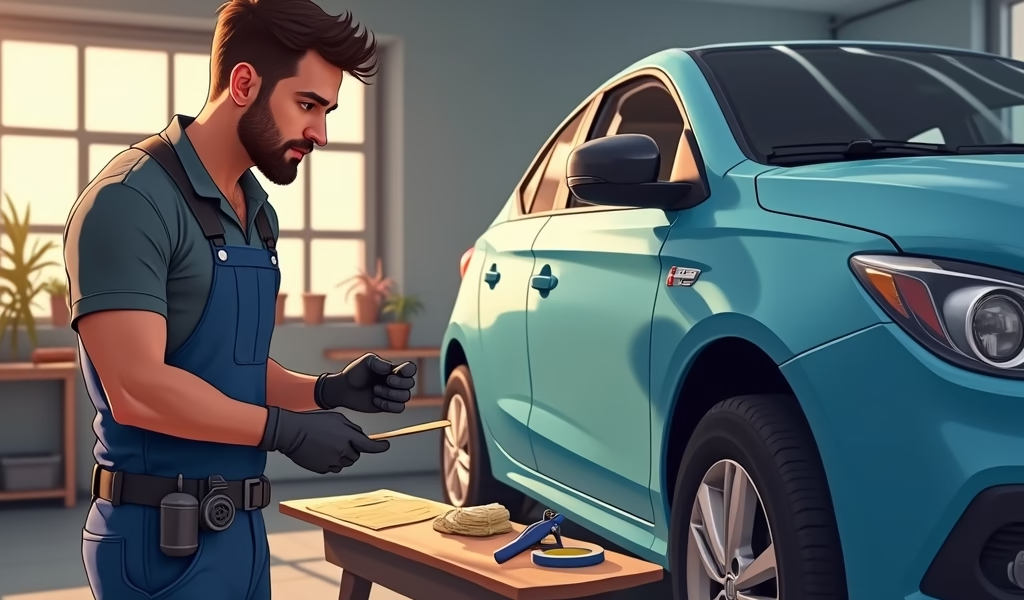
Let’s start with one of the most common post-accident issues: dents. Those unsightly depressions can make your car look beaten up, but many are surprisingly fixable without expensive tools or professional help.
For medium-sized dents on flat panels, the humble plunger method often works wonders. Grab a clean cup plunger (not a toilet plunger), splash some water with a drop of dish soap on the dented area, position the plunger over the center of the dent, and pull firmly. The suction often pops out the dent immediately. For stubborn dents, try several quick pulls rather than one sustained tug.
Plastic bumpers respond well to the boiling water technique. Boil a large pot of water and carefully pour it over the dented area to make the plastic pliable. While the plastic is hot, reach behind the bumper (wear protective gloves!) and push the dent outward. Immediately spray with cold water to set the plastic in its corrected position. This works because plastic has “memory” and wants to return to its original shape when heated.
For smaller, more stubborn dents in metal surfaces, try the hairdryer and compressed air method. Heat the dented area thoroughly with a hairdryer on high setting for 2-3 minutes, then immediately spray with compressed air held upside down. The rapid temperature change often causes the metal to contract and pop back into place. This technique works about 60-70% of the time in my experience.
Another effective approach for multiple small dents (like hail damage) is the dry ice method. Wearing protective gloves, rub dry ice over the dented area in circular motions. As the metal rapidly cools and contracts, many dents will pop back into place. Just be extremely cautious – dry ice can cause serious skin burns if handled improperly.
The most important tip for DIY dent repair: know when to quit. If your attempts aren’t producing results after 2-3 tries, you might be causing more harm than good. Some dents, particularly those with creased metal, typically require professional tools and techniques.
Scratch Solutions: Effective Ways to Touch Up Paint Damage
Scratches not only look unsightly but can lead to rust if they’ve penetrated to the metal. Fortunately, many scratches can be addressed with items you might already have around the house or with affordable products from your local auto parts store.
Before attempting any repair, determine the scratch depth. Run your fingernail across the scratch – if your nail doesn’t catch, it’s likely just in the clear coat and easily fixable. Deeper scratches that catch your nail or expose primer/metal require more intensive treatment.
For very light surface scratches, the toothpaste method often works remarkably well. Use regular white toothpaste (not gel) with mild abrasives. Apply a small amount to a damp microfiber cloth and rub in circular motions over the scratch for 1-2 minutes. Rinse thoroughly and dry. The mild abrasives in toothpaste work similarly to professional polishing compounds, gently removing a microscopic layer of clear coat to level the surface.
Deeper scratches that have penetrated the paint require touch-up paint matched to your vehicle’s color code. You can find this code on the driver’s door jamb, inside the hood, or in your owner’s manual. Auto parts stores can mix paint to match, or you can order pre-matched touch-up paint online from suppliers like Automotive Touchup.
For best results with touch-up paint, follow this process:
- Clean the area thoroughly with rubbing alcohol
- Apply primer if the scratch reaches bare metal
- Apply touch-up paint with a fine brush or toothpick in thin layers
- Allow each layer to dry completely (usually 20-30 minutes)
- Once level with surrounding paint, apply clear coat
- After full curing (24 hours), wet sand with 2000-grit sandpaper and polish
For longer scratches, try the “wax pencil” method using a colored wax stick matching your paint. These fill-in products won’t provide permanent protection, but they can dramatically improve appearance for a few months until you can afford a proper fix. They work by filling the scratch depression and blending with surrounding paint.
Windshield Wonders: DIY Fixes for Chips and Cracks
Windshield damage after an accident can range from small chips to spreading cracks. While severe damage requires professional replacement, minor chips and cracks under 3 inches can often be successfully repaired at home for a fraction of the cost.
DIY windshield repair kits like the popular Rain-X Repair Kit or Permatex Windshield Repair Kit typically cost between $10-15 and can prevent chips from spreading into cracks. These kits work by injecting clear resin into the damaged area, which hardens to restore structural integrity and improve optical clarity.
For successful DIY windshield repair:
- Work in shade but with good lighting
- Ensure temperatures are between 50-75°F (10-24°C)
- Clean the damaged area thoroughly and let dry completely
- Follow kit instructions precisely regarding curing times
- Don’t wash your vehicle for 24 hours after repair
The best results come from addressing chips immediately. Fresh damage (less than 48 hours old) typically repairs much more cleanly than older chips where dirt and moisture have penetrated. After a successful repair, the damage should be much less visible, though don’t expect perfect optical clarity – a slight distortion usually remains.
Know the limitations of DIY windshield repair. Skip the home remedy and seek professional help for cracks longer than 3 inches, damage in the driver’s direct line of sight, edge cracks, or complex “spider web” patterns. Remember that your windshield provides up to 60% of your vehicle’s structural integrity in a rollover accident, according to NHTSA research, so don’t compromise on safety.
Bumper and Panel Fixes: Reattachment Methods That Work
After a collision, you might find yourself with perfectly good body panels that are simply no longer attached where they should be. Missing clips, broken mounting points, and separated seams are common issues that don’t necessarily require replacement parts – just clever reattachment methods.
The famous “zip tie stitch” method has saved countless bumpers from dragging on the ground. This technique works particularly well for plastic bumpers with cracked mounting points. Using black zip ties (for less visibility), drill small holes on either side of the crack or separation point, thread the zip ties through in a cross-stitch pattern, and tighten securely. Trim the excess, and you’ve got a surprisingly durable repair that can last months or even years.
For loose panels without convenient drilling points, automotive-grade adhesives can work wonders. Products like 3M Auto Body Panel Adhesive or Permatex Black Plastic Welder create bonds that often outlast the original factory connections. The key to success is thorough surface preparation – clean both surfaces with isopropyl alcohol, roughen glossy surfaces with fine sandpaper, and apply adhesive according to manufacturer directions.
When dealing with metal panels, consider using self-tapping sheet metal screws as a last resort. This method is less aesthetically pleasing but extremely effective for securing metal panels when conventional mounting points are damaged. Use screws with washers to prevent pull-through, and coat with touch-up paint to prevent rust.
For plastic components with stress cracks or broken mounting tabs, plastic welding provides a more permanent solution than zip ties. Basic plastic welding kits use a soldering iron-like tool to melt plastic repair rods into the damaged area. More advanced kits use chemical solvents that actually fuse plastic pieces together at a molecular level. These repairs, when done properly, can be nearly as strong as the original part.
If you’re facing an automobile accident lawsuit and need a temporary fix until legal matters are resolved, focus on making repairs that keep your vehicle safe and legal to operate. Ensure all lights are functioning, no sharp edges are exposed, and all parts are securely attached.
Cost-Effective Painting: Touch-Up Techniques for the Uninsured
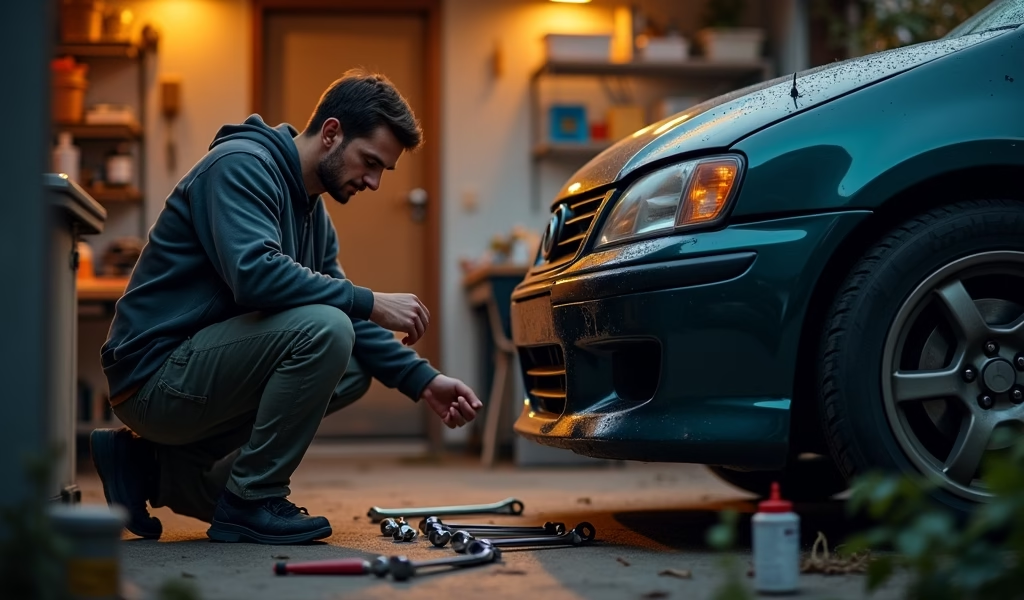
Paint damage is among the most visible post-accident issues, but professional repainting can cost hundreds or even thousands of dollars. Fortunately, there are budget-friendly approaches that can dramatically improve appearance until you can afford professional work.
Getting an exact color match is crucial for invisible repairs. Locate your vehicle’s color code (typically found on a sticker inside the driver’s door jamb or under the hood) and purchase factory-matched touch-up paint. For vehicles older than 5 years, consider having your paint computer-matched, as sun exposure often changes the original color slightly over time.
For chips and small scratches, the toothpick method provides excellent results. Shake the touch-up paint thoroughly, dip a toothpick into the paint, and carefully apply a tiny amount directly to the chip. Let it dry completely (usually 24 hours) before applying a second coat if needed. For the best results, slightly underfill rather than overfill – raised paint spots are much more noticeable than slightly recessed ones.
For larger scratched areas, spray paint provides more even coverage. If you’re attempting this approach:
- Work in a clean, dust-free environment between 65-75°F (18-24°C)
- Sand the damaged area smooth with progressively finer sandpaper (400, 600, 1000 grit)
- Clean thoroughly with wax and grease remover
- Apply primer in 3-4 light coats rather than 1-2 heavy ones
- Apply color coat using the same light, even approach
- Finish with 2-3 coats of clear coat for UV protection and gloss
The secret to professional-looking results is proper blending. Feather the edges of repair areas by wet-sanding with 2000-grit sandpaper, then use polishing compound to blend the new paint with the old. This creates a gradual transition rather than a visible line where old meets new.
If you’re dealing with extensive paint damage but can’t afford professional repainting, consider vinyl wrapping damaged panels. Quality vinyl wrap material costs $30-50 per square foot and can completely cover damaged paint while protecting against further deterioration. Many automotive enthusiasts have shifted to vinyl wraps as a cost-effective alternative to repainting.
Next Steps: Getting Proper Coverage After an Accident
While DIY repairs can get you back on the road after an accident without insurance, they’re not a long-term solution. Driving without proper coverage puts you at serious financial and legal risk every time you get behind the wheel.
If cost is the main barrier to insurance, explore these more affordable options:
- Liability-only coverage (significantly cheaper than full coverage)
- High-deductible policies (lower monthly premiums)
- Usage-based insurance (rates based on actual driving habits)
- Multi-policy discounts (bundling with renters/home insurance)
- Compare quotes from at least 3-5 different insurers
Many drivers don’t realize that having any insurance history, even with minimum coverage, makes you eligible for better rates in the future. Starting with basic liability coverage is far better than remaining uninsured. Some insurers also offer “forgiveness programs” that won’t penalize you for prior gaps in coverage if you maintain your new policy for a certain period.
If you’re struggling financially, look into state-sponsored insurance assistance programs. Many states offer low-income auto insurance options with reduced premiums for qualifying individuals. These programs provide legal minimum coverage that keeps you compliant with state laws while protecting you from catastrophic liability claims.
Consider exploring no-win-no-fee car accident legal services if another party was responsible for your accident. These attorneys work on contingency, meaning they only get paid if you receive a settlement. Even without insurance, you may be entitled to compensation that could help cover repair costs.
Remember that driving an unrepaired vehicle can lead to additional damage over time. Water intrusion through body damage can cause electrical issues and rust. Alignment problems from frame damage can rapidly wear out tires and suspension components. The small investment in proper repairs now can save significant money down the road.
Conclusion: Back on the Road Safely
Finding yourself with car damage and no insurance is undoubtedly stressful, but as we’ve seen, there are practical, affordable DIY solutions for many common post-accident issues. From popping out dents with household items to securing loose panels with zip ties, these methods can help you safely return to the road without breaking the bank.
The key to successful DIY car repairs is knowing your limits. Tackle the cosmetic and minor functional issues yourself, but never compromise on safety-critical components. A car that looks a little battle-worn is far better than one with compromised structural integrity or braking capability.
While these DIY treatments can serve as effective stopgaps, the most important long-term solution is obtaining proper insurance coverage. Even basic liability policies provide essential financial protection and keep you on the right side of the law. Consider the DIY phase as a temporary bridge while you research and secure appropriate coverage for your situation.
Remember that every vehicle on the road represents both a significant investment and a potential liability. Protecting that investment with proper repairs and insurance coverage isn’t just financially wise—it’s a responsibility to yourself and everyone else sharing the road with you.
Frequently Asked Questions
What happens legally if I’m in an accident without insurance?
You may face fines, license suspension, vehicle impoundment, and registration revocation, depending on your state laws. You’ll also be personally liable for all damages you cause to others’ property or person.
Can I be sued personally if I cause an accident without insurance?
Yes, without insurance, you can be sued personally for all damages, including medical bills, property damage, lost wages, and pain and suffering. Your personal assets, including your home and future wages, could be at risk.
Will DIY repairs affect my vehicle’s value?
Yes, most DIY repairs will negatively impact your vehicle’s resale value compared to professional repairs. However, they’re typically far better for value retention than leaving damage unrepaired.
How long should I expect DIY repairs to last?
Quality DIY repairs for cosmetic issues can last 1-3 years with proper care, while structural DIY fixes should be considered temporary (3-6 months) until professional repair is possible. Weather exposure significantly affects longevity.
Can I get insurance after an accident if my car has existing damage?
Yes, but the insurance company will typically require documentation of existing damage and exclude coverage for those specific issues. Most insurers will conduct a pre-coverage inspection or require photos of your vehicle.