
Overview
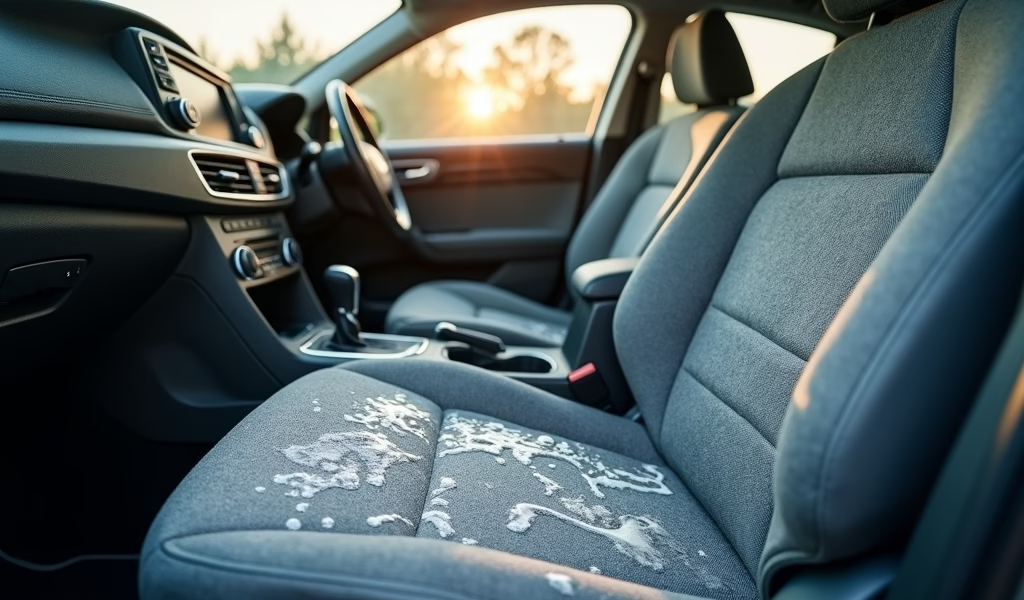
Life happens in your car, but your upholstery doesn’t have to wear its battle scars forever! This guide offers five effective cleaning methods for various car seat materials—including vinegar-dish soap solution, baking soda treatments, club soda for fresh spills, commercial cleaners, and steam cleaning—along with prevention strategies to keep your car interior looking showroom-fresh.
Table of Contents
- Understanding Car Seat Materials
- Preparation Before Cleaning
- Hack #1: The Vinegar and Dish Soap Solution
- Hack #2: Baking Soda for Tough Odors and Stains
- Hack #3: Club Soda for Fresh Spills
- Hack #4: Commercial Upholstery Cleaners
- Hack #5: Steam Cleaning Revolution
- Prevention Tips for Future Stains
- Conclusion
- Frequently Asked Questions
Let’s face it – life happens in your car. Coffee spills on morning commutes, juice boxes explode in the backseat, and mystery stains appear after friends pile in for a night out. Your car’s interior tells the story of your daily adventures, but sometimes that story looks a little too… colorful.
As a professional mechanic who’s seen everything from melted chocolate disasters to the aftermath of seasick passengers, I can tell you that most car seat stains aren’t permanent – they just need the right approach. The key is knowing which cleaning method works for each type of stain and upholstery.
In this guide, I’ll walk you through five proven methods to tackle even the most stubborn stains, restoring your car’s interior to its former glory. These techniques come from years in the shop and countless conversations with professional detailers who’ve mastered the art of stain removal.
Understanding Car Seat Materials
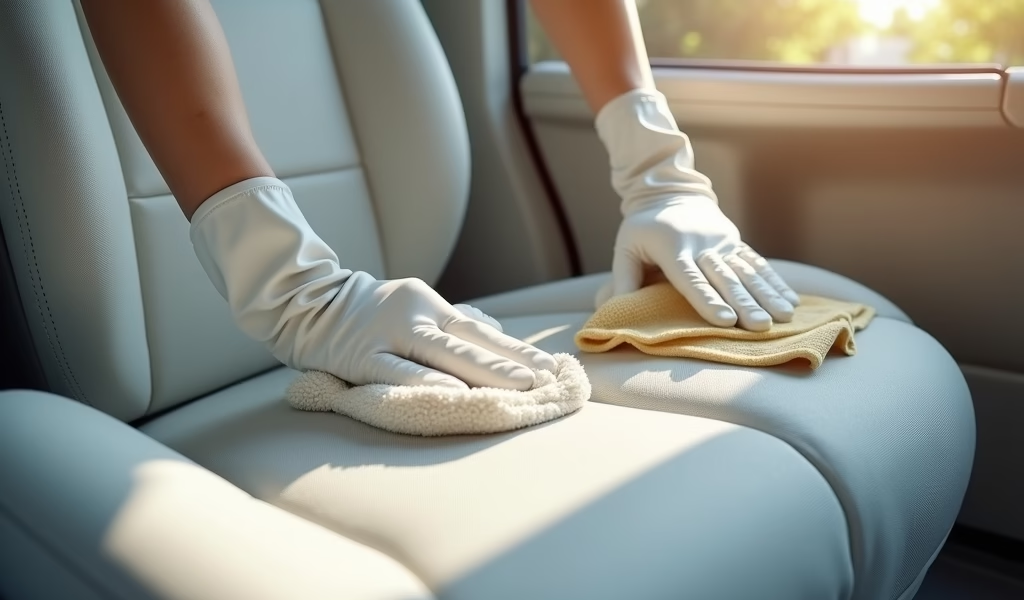
Before attacking that stubborn stain, you need to know what you’re working with. Different upholstery materials require different cleaning approaches.
Fabric upholstery is the most common and typically the most forgiving. It’s absorbent but can handle water-based cleaners without much fuss. Think of it like your favorite cotton t-shirt – washable but prone to soaking up everything it touches.
Leather seats require special care. They’re more resistant to immediate staining but can be damaged by harsh chemicals or excessive moisture. Leather needs to be conditioned after cleaning to prevent drying and cracking – much like how your skin needs moisturizer after washing.
Vinyl and synthetic materials offer good stain resistance but can be damaged by abrasive cleaners. These materials often try to mimic leather’s look while offering better durability against spills.
You can usually find your seat material type in your owner’s manual or by checking the manufacturer’s website. If you’re still unsure, err on the side of caution and treat them as the most delicate option (leather).
According to Consumer Reports research, using the wrong cleaning method can permanently damage your upholstery, so this first identification step is crucial.
Preparation Before Cleaning
Success starts before you apply a single cleaning product. Proper prep work makes the difference between a quick cleanup and a frustrating afternoon of scrubbing.
First, thoroughly vacuum the area. This removes surface dirt and debris that could become mud when wet. Use crevice tools to get between seats and attachment points – places where crumbs and dirt love to hide.
Next, identify the stain type if possible. Is it oil-based like grease or makeup? Water-based like coffee or juice? Or is it something more challenging like ink or dye? Knowing what you’re fighting helps select the right weapon.
Always test your cleaning solution on an inconspicuous area first – under the seat or in a corner. This quick test can save you from turning a small stain into a bigger problem.
Gather these basic supplies before you start:
- Microfiber cloths (several clean ones)
- Spray bottles for mixing solutions
- Soft-bristled brushes (an old toothbrush works well for small areas)
- Clean, empty towels for blotting
- Bucket of clean water for rinsing cloths
Finally, make sure you’re working in good conditions. Open car doors for ventilation, and try to clean on a mild day – extreme heat or cold affects how cleaning solutions work and dry.
Hack #1: The Vinegar and Dish Soap Solution
This homemade solution is my go-to for everyday stains and general cleaning. It’s gentle enough for most upholstery but effective enough to tackle coffee, food spills, and that mysterious sticky spot your kid left behind.
Here’s what you’ll need:
- 1 cup warm water
- 1/4 cup white vinegar
- 1 tablespoon mild dish soap (nothing fancy – the basic blue stuff works perfectly)
Mix these in a spray bottle and shake gently. The vinegar breaks down stains while dish soap lifts them away from the fabric. For leather seats, use only a few drops of soap and reduce the vinegar to just a tablespoon – less is more with leather.
Spray lightly on the stained area – you want it damp, not soaked. Using a microfiber cloth, work from the outside of the stain inward with gentle circular motions. This technique prevents spreading the stain to clean areas.
For stubborn stains, let the solution sit for 2-3 minutes (skip this waiting step for leather). Then use a clean, damp cloth to wipe away the solution. Follow with a dry cloth to remove excess moisture.
This method works wonders on food stains, coffee spills, and dirt buildup from everyday use. I once used this technique to remove a three-day-old coffee spill from beige fabric seats – the owner was convinced he’d need new upholstery but couldn’t believe how clean it came.
Hack #2: Baking Soda for Tough Odors and Stains
When stains come with strong odors (like spilled milk or pet accidents), baking soda becomes your best friend. It’s particularly effective on fabric seats where odors can penetrate deep into the fibers.
For fresh liquid stains, first blot up as much as possible with paper towels or a clean cloth. Then liberally sprinkle baking soda over the entire area. The powder will begin absorbing both moisture and odor immediately.
Allow the baking soda to sit for at least 30 minutes – longer for serious odors. For tough stains, create a paste by mixing baking soda with just enough water to make it spreadable. Work this paste into the stain with a soft brush.
Once the baking soda is completely dry (it should brush off easily as powder), vacuum it thoroughly. You may need to use a brush attachment to get all the powder out of fabric textures.
This method is particularly effective for organic stains like vomit, urine, or milk that leave behind both visible marks and lingering smells. The interior cleaning process isn’t complete until both the stain and smell are gone.
One customer brought in a car with a backseat milk spill that had been baking in summer heat for two days. The smell was unbearable, but after two treatments with baking soda, both the sour milk odor and stain were completely gone.
Hack #3: Club Soda for Fresh Spills
Sometimes the best cleaning happens immediately after a spill. That’s where the club soda trick shines – it’s perfect for those “it just happened” moments and works especially well on fabric upholstery.
Keep a small bottle of club soda in your car for emergency spills. The carbonation helps lift the stain while mild salts in the soda work against discoloration. It’s particularly effective on wine, coffee, and soda spills when they’re fresh.
The technique is simple: blot (don’t rub!) the spill first with a dry cloth. Then pour a small amount of club soda directly onto the stain. Continue blotting with a clean section of cloth until the liquid is absorbed.
For stubborn spots, you can gently agitate with a soft brush, but always finish by blotting dry. The fizzing action actually helps lift particles out of the fabric fibers.
I keep club soda in my own vehicle at all times after witnessing its power during a road trip coffee disaster. My passenger knocked over a full cup of black coffee onto light gray seats – quick action with club soda left absolutely no trace of the spill.
Hack #4: Commercial Upholstery Cleaners
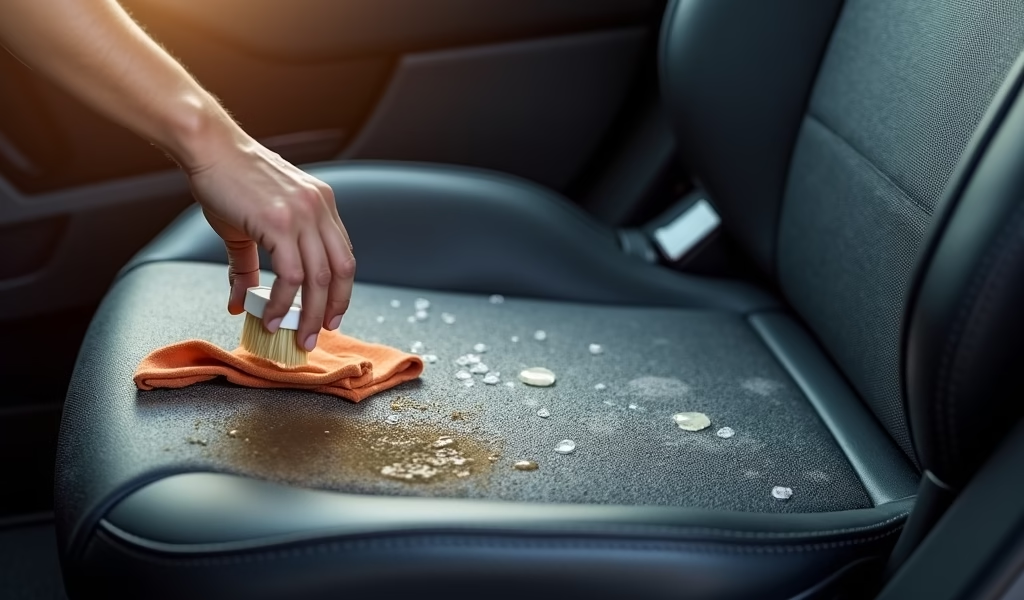
When homemade solutions don’t cut it, it’s time to bring in the professionally formulated products. These specialized cleaners are designed specifically for automotive upholstery and often contain enzymes or surfactants that break down stubborn stains.
For fabric seats, look for products specifically labeled for automotive use – furniture upholstery cleaners can be too wet and may damage the padding beneath your seats. Brands like Chemical Guys, Meguiar’s, and Turtle Wax make reliable options that we use in professional settings.
For leather, always choose a cleaner specifically formulated for automotive leather. These products clean without stripping the protective coating. Follow with a leather conditioner to restore moisture.
When using commercial cleaners, follow the instructions precisely. Most require you to:
- Spray or apply the product to the stained area
- Allow it to dwell for the specified time (usually 1-5 minutes)
- Agitate gently with a brush if recommended
- Wipe clean with a microfiber cloth
- Allow to dry completely
One advantage of commercial products is their specialized formulations for specific stains. Some are designed specifically for grease and oil, while others target organic stains like food and beverages.
In our shop, we recently restored a car with severe ink stains from a burst pen using a specialized solvent-based commercial cleaner. The owner had tried household products without success, but the right commercial product removed all traces.
Hack #5: Steam Cleaning Revolution
For deeply embedded stains or when you want to sanitize as well as clean, steam cleaning delivers professional results. The high-temperature vapor penetrates deep into upholstery fibers, loosening dirt and killing bacteria without harsh chemicals.
You don’t need expensive equipment – affordable handheld steam cleaners work well for spot treatments. For whole-car cleaning, consider renting a commercial unit with upholstery attachments from your local hardware store.
Steam cleaning works wonders on fabric seats but use extreme caution with leather. If you must steam leather, keep the nozzle moving constantly, maintain at least 6 inches of distance, and follow immediately with leather conditioner once dry.
The process is straightforward:
- Vacuum thoroughly first to remove surface debris
- Apply steam according to your machine’s directions, working in small sections
- For stubborn stains, use a soft brush to agitate while steaming
- Wipe away loosened dirt with a microfiber cloth
- Allow seats to dry completely (use fans to speed the process)
Steam cleaning is particularly effective for sanitizing child car seats, removing pet odors, or dealing with years of accumulated grime. It’s also excellent for refreshing that “new car smell” by eliminating odor-causing bacteria.
Research published in the International Journal of Environmental Research shows steam cleaning can eliminate up to 99% of bacteria and allergens from fabric surfaces – making it both a cleaning and health solution.
Prevention Tips for Future Stains
An ounce of prevention is worth a gallon of upholstery cleaner. After restoring your car’s interior, you’ll want to keep it looking good with these preventative measures.
Consider applying a fabric protector like Scotchgard to create an invisible barrier against spills. These products cause liquids to bead up rather than soak in, giving you precious extra seconds to clean spills before they set. Reapply every 6-12 months for continuous protection.
Seat covers are another excellent option. Today’s designs range from basic universal fits to custom-tailored covers that look factory-installed. They’re particularly valuable if you have kids, pets, or an active lifestyle.
Create a car cleaning kit that stays in your vehicle. A simple container with microfiber cloths, a small spray bottle of your vinegar solution, and some paper towels can make all the difference when accidents happen. Quick response prevents most stains from becoming permanent.
Finally, establish some basic car rules. While a complete food ban might cause rebellion, reasonable guidelines like “no red drinks” or “ice cream stays outside” can prevent the worst disasters. Consider keeping a small trash container in the car to prevent food wrappers and containers from creating messes.
Regular car maintenance should include quick interior cleanups. A weekly once-over with a vacuum and wipe-down of surfaces prevents dirt from becoming embedded and makes deep cleaning sessions less necessary.
Conclusion
Your car’s interior doesn’t have to show a historical record of every spill, trip, and accident you’ve experienced. With these five proven cleaning hacks, even the most stubborn stains can be conquered, restoring your car’s appearance and your pride in your vehicle.
Remember that different stains and different upholstery materials require specific approaches. Always test in an inconspicuous area first, and work from gentle methods to stronger ones as needed.
Whether you’re dealing with a fresh coffee spill or mysterious stains from the previous owner, these techniques give you professional-level results without breaking the bank. The secret is consistent maintenance and quick action when new spills occur.
A clean car interior isn’t just about appearances – it creates a healthier environment, preserves your vehicle’s value, and makes every drive more enjoyable. Your car is an extension of your personal space; it deserves the same care you give your home.
What stain-fighting challenges have you encountered in your vehicle? Share your experiences in the comments below – your disaster story might help another reader avoid the same fate!
Frequently Asked Questions
How do I remove ink stains from car seats?
Apply rubbing alcohol to a clean cloth and blot the ink stain, working from outside toward the center. For leather, follow immediately with leather conditioner to prevent drying.
Can I use bleach on my car’s upholstery?
Never use chlorine bleach on car upholstery as it can damage the fabric, affect the coloring, and weaken the material. Oxygen-based bleach alternatives are safer for light-colored fabric seats.
How do I remove chewing gum from car seats?
Freeze the gum with ice cubes in a plastic bag, then carefully scrape away the hardened gum with a plastic card. Clean any remaining residue with the vinegar-soap solution.
What’s the best way to clean vomit from car seats?
Remove solid matter, then treat with baking soda to absorb moisture and odors. Follow with an enzyme-based cleaner designed specifically for organic stains.
How often should I deep clean my car’s upholstery?
Deep clean your car’s upholstery every 3-6 months depending on usage. Families with children, pet owners, and those who eat in their vehicles should clean more frequently.