

Overview
Your car mats are like that forgotten middle child of vehicle maintenance—silently suffering coffee spills and muddy shoes while protecting your precious flooring from turning into a science experiment. This article provides seven detailed cleaning techniques for different mat types, from regular vacuuming and spot treatment to deep cleaning methods and preventative maintenance strategies, all aimed at extending your mats’ lifespan, eliminating odors, maintaining your car’s value, and creating a more pleasant driving environment.
Table of Contents
- Introduction
- Why Regular Car Mat Cleaning Matters
- Tip 1: Regular Vacuuming
- Tip 2: Spot Treatment for Fresh Stains
- Tip 3: Deep Cleaning Rubber/Vinyl Mats
- Tip 4: Revitalizing Carpet Mats
- Tip 5: Steam Cleaning for Sanitizing
- Tip 6: Preventative Maintenance Strategies
- Tip 7: Professional Cleaning Options
- Conclusion
- Frequently Asked Questions
Introduction
Your car mats take the brunt of daily abuse from coffee spills, mud, food crumbs, and countless other messes while protecting your vehicle’s floor. These overlooked components deserve regular maintenance. Clean car mats significantly improve your driving environment and protect your investment. Many vehicle owners struggle with maintaining these high-traffic areas—from stubborn coffee stains to mysterious spots that appear after giving someone a ride.
In this detailed guide, I’ll walk you through seven proven techniques to transform dirty, stained car mats into spotless surfaces you’ll be proud to show off. These methods work effectively for all mat types, including luxurious carpeted varieties and practical all-weather rubber options. Let’s dive into the process of thoroughly cleaning those neglected mats!
Why Regular Car Mat Cleaning Matters
Consider your car mats as the primary defense for your vehicle’s interior. Consistent cleaning extends the lifespan of both the mats and your entire car interior. Dirt particles function like miniature sandpaper when ground into fibers, gradually wearing them down with every step.
Uncleaned mats rapidly become breeding grounds for bacteria, particularly when moisture enters the equation. That distinctive “old car smell” typically originates from dirty mats harboring moisture, bacteria, and mold beneath the surface. Thorough cleaning eliminates these odor-causing elements.
For those concerned with finances, clean car mats contribute significantly to maintaining resale value. Potential buyers immediately notice dirty, stained floor areas, often mentally reducing their offer before negotiations even start.
Most importantly, driving in a clean environment genuinely enhances your experience. The psychological impact of sitting in a well-maintained car versus a neglected one affects your entire driving experience and vehicle relationship.
Tip 1: Regular Vacuuming
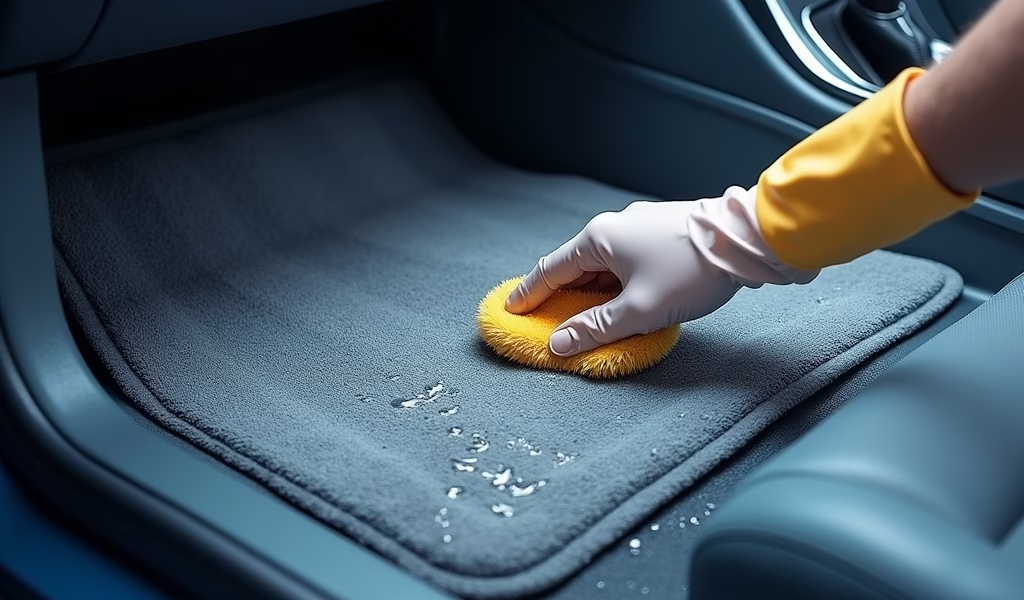
The foundation of clean car mats starts with consistent vacuuming. Vacuum your mats weekly if you drive daily. Less frequent drivers should aim for bi-weekly cleaning sessions at minimum.
For best results, use a vacuum with powerful suction and specialized attachments. Use a crevice tool to reach edges where dirt collects, and employ a brush attachment to agitate embedded particles in carpet mats. Handheld vacuums designed for automotive use offer convenience, though shop vacs deliver superior power for heavily soiled situations.
Perfect your technique by completely removing mats from the vehicle—never vacuum them while installed. Shake them vigorously outdoors to dislodge loose debris before vacuuming. Vacuum in multiple directions, creating a crosshatch pattern that extracts dirt from deep within fibers. Focus extra attention on high-traffic areas like the driver’s side foot area, which typically requires multiple passes. Finish with a final pass using slow, deliberate movements to ensure maximum dirt extraction.
Tip 2: Spot Treatment for Fresh Stains
The cardinal rule of stain management: address spills immediately! The longer a substance remains, the more permanently it bonds with your mat material. Create a “stain emergency kit” for your trunk containing microfiber towels, a spray bottle with water, and stain-removing wipes.
For fresh coffee or soda spills on carpet mats, blot (never rub!) with a clean microfiber towel, then apply a solution of equal parts white vinegar and water. For greasy food stains, apply baking soda liberally, wait 15 minutes as it absorbs the grease, then vacuum thoroughly before treating with a mixture of dish soap and warm water.
Handle mud differently—allow it to dry completely, then vacuum aggressively before treating any remaining discoloration with carpet cleaner. For sticky substances like forgotten candy, freeze the area with ice cubes in a plastic bag, then gently scrape off the hardened material before treating the residue.
Blood stains respond well to cold water (never hot, which sets the stain) followed by a paste made from salt and hydrogen peroxide. Apply the paste, let it sit for 30 minutes, then rinse thoroughly. According to research from the American Chemical Society, this method breaks down the protein structures in blood without setting the stain.
Tip 3: Deep Cleaning Rubber/Vinyl Mats
Rubber and vinyl mats require special attention approximately once monthly. Remove them completely from your vehicle and shake vigorously to dislodge loose debris. Rinse with a garden hose to remove surface dirt, using medium pressure to prevent material damage.
Create an effective cleaning solution by mixing one tablespoon of dish soap with one gallon of warm water. Avoid harsh chemical cleaners like bleach or ammonia-based products, which deteriorate mat material over time. For stubborn dirt areas, use a medium-bristle brush—stiff enough to clean effectively without scratching the surface.
Scrub using small circular motions, focusing on textured areas where dirt accumulates. Rinse thoroughly until no soap bubbles remain—residual soap attracts dirt faster after cleaning. Then target any remaining stains specifically: for tree sap, apply rubbing alcohol; for tar spots, use specialized automotive tar remover or peanut butter (the oils help break down tar).
Proper drying prevents mildew and musty odors. Hang mats vertically rather than laying them flat, preferably in direct sunlight which naturally disinfects while drying. Ensure they’re completely dry before reinstallation—trapped moisture creates the perfect environment for mold growth and unpleasant odors.
Tip 4: Revitalizing Carpet Mats
Carpet mats require deep cleaning quarterly for daily drivers. Start by vacuuming thoroughly, then pre-treat visibly soiled areas with specialized carpet pre-treatment spray, allowing it to sit for the manufacturer-recommended time (typically 5-10 minutes).
For shampooing, several options exist. Commercial carpet cleaning solutions formulated specifically for automotive use provide reliable results—products containing enzymatic cleaners break down organic stains at the molecular level. For a DIY approach, mix one part mild laundry detergent with 20 parts warm water, adding a quarter cup of white vinegar per gallon to neutralize odors and brighten colors.
Apply your chosen cleaning solution sparingly—oversaturation leads to extended drying times and potential mold growth. Work the solution into the fibers using a soft-bristled brush in circular motions, starting from the mat’s edges and working toward the center to prevent spreading stains outward.
For stubborn stains resisting normal cleaning, use specialized approaches. Coffee and tea stains often yield to a paste of baking soda and water applied directly and allowed to dry before vacuuming. Grease stains respond well to corn starch—apply liberally, wait 30 minutes as it absorbs the oil, then vacuum and clean normally. For gum or candy, freeze with ice, scrape off the hardened material, then treat residue with rubbing alcohol.
After cleaning, extract maximum moisture using clean, dry towels applied with pressure. Speed up drying by positioning a fan to circulate air across the mats, turning occasionally for even drying. Never reinstall damp mats in your vehicle!
Tip 5: Steam Cleaning for Sanitizing
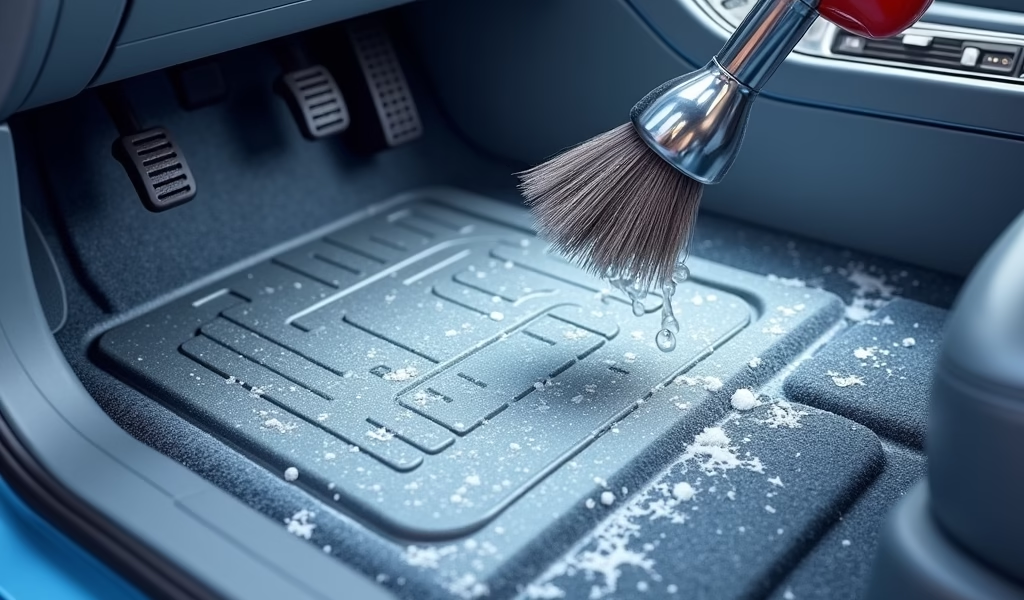
Steam cleaning represents the ultimate option in your mat-cleaning arsenal, providing deep sanitization that eliminates bacteria, allergens, and embedded grime other methods might miss. This technique proves especially valuable for households with allergy sufferers or after transporting sick passengers.
The effectiveness of steam cleaning lies in its ability to kill 99.9% of bacteria and dust mites without chemicals, using high-temperature steam (typically 175-212°F) to penetrate deep into fibers. For optimal results, invest in a steam cleaner with adjustable pressure settings and interchangeable attachments designed for upholstery and carpet.
Use proper technique to maximize effectiveness: hold the steamer approximately one inch above the mat surface, moving slowly in straight, overlapping lines rather than circular motions. Allow the steam to penetrate for 10-15 seconds before moving to the next section. For heavily soiled areas, make multiple passes, allowing brief cooling between applications to prevent potential heat damage to fibers.
Work systematically from one end of the mat to the other, ensuring complete coverage. After steaming, allow mats to dry thoroughly—typically 4-6 hours depending on humidity levels—before reinstalling in your vehicle. Accelerate drying by positioning in direct sunlight or using fans to circulate air across the surface. The Journal of Hospital Infection confirms steam cleaning’s effectiveness against common bacteria and allergens.
Tip 6: Preventative Maintenance Strategies
Preventing dirt accumulation proves far easier than removing embedded grime later. Apply fabric protector sprays to carpet mats quarterly to create an invisible barrier that repels liquids and prevents stains from setting. Choose automotive-specific products containing UV inhibitors that prevent sun-related fading.
For rubber or vinyl mats, apply silicone-based protectant quarterly to prevent cracking and maintain flexibility in extreme temperatures. Avoid petroleum-based products which cause material degradation over time.
Adjust your protection strategy seasonally. In winter, remove mats weekly to eliminate accumulated salt and moisture that cause permanent damage. In summer, apply UV protectants more frequently if your vehicle remains parked in direct sunlight.
Develop quick clean-up habits that prevent long-term damage. Keep disposable cleaning wipes in your glove compartment for immediate spill attention. Place a small trash container in your vehicle to prevent garbage from accumulating on the floor. Consider implementing a “no food” policy—especially for children—to eliminate a major source of difficult stains.
Perhaps most importantly, invest in high-quality, vehicle-specific mats that cover maximum floor area and feature deep reservoirs to contain spills and debris. The initial investment pays dividends through extended floor protection and easier interior cleaning maintenance.
Tip 7: Professional Cleaning Options
Sometimes, despite your best efforts, professional intervention becomes necessary. Consider professional services when dealing with deep-set stains that have resisted multiple home cleaning attempts, persistent odors suggesting bacterial growth beneath the surface, or after major spills that saturated beyond the mat into underlying carpeting.
Cost considerations vary widely based on location and service level. Basic professional mat cleaning typically ranges from $15-30 per mat, with full interior detailing packages including mat deep cleaning starting around $150-300 depending on vehicle size and condition.
When selecting a professional service, look for operations using truck-mounted extraction systems rather than portable units—these provide superior suction power that removes more moisture and cleaning agents. Ask specifically about their pre-treatment protocols for stains and whether they include antimicrobial treatments to prevent mold and bacteria growth.
Professional cleaning delivers results beyond typical DIY capabilities through commercial-grade equipment generating higher temperatures, stronger extraction power, and professional-strength cleaning solutions unavailable to consumers. Additionally, professionals bring experience in identifying and treating specific stain types using specialized techniques.
For optimal results from professional services, vacuum mats thoroughly beforehand to remove loose debris, point out specific problem areas requiring extra attention, and request fabric protection application after cleaning to maintain results longer.
Conclusion
Clean car mats represent more than mere aesthetic appeal—they significantly contribute to your vehicle’s overall health, longevity, and driving experience. By implementing these seven proven techniques, you’ll maintain stain-free floors that enhance your driving environment while protecting your investment.
Establish a maintenance schedule incorporating weekly vacuuming, monthly deep cleaning of rubber mats, quarterly shampooing of carpet mats, and seasonal protective treatments for best results. This proactive approach prevents damaging particle accumulation while addressing stains before they become permanent features.
Remember that seemingly small details like clean floor mats significantly impact your overall vehicle satisfaction. Clean mats look better, contribute to healthier air quality inside your vehicle, prevent premature wear of underlying materials, and help maintain resale value.
Your car deserves this attention to detail—and so do you! With the average American spending over 290 hours annually behind the wheel, those hours should be spent in a clean, pleasant environment. Your future self (and passengers) will appreciate the effort invested today in maintaining pristine car mats.
Frequently Asked Questions
How often should I clean my car mats?
Vacuum weekly if you drive daily, and deep clean rubber mats monthly and carpet mats quarterly. Adjust this schedule based on your usage patterns and local weather conditions.
Can I put my carpet car mats in the washing machine?
Generally not recommended as machine washing can damage backing, adhesives, and fibrous materials. Hand cleaning is safer and more effective for preserving mat integrity.
What’s the best way to remove salt stains from winter driving?
Mix equal parts white vinegar and warm water, spray on the salt stains, let sit for 5 minutes, then blot with clean towels. Vacuum thoroughly when completely dry.
How do I get rid of pet hair stuck in car mats?
Use a rubber pet hair brush, pumice stone, or slightly dampened rubber gloves to gather hair before vacuuming. For stubborn embedded hair, lightly spray with fabric softener diluted with water to loosen before removal.
Are all-weather rubber mats better than carpet mats?
All-weather mats provide superior protection against moisture and are easier to clean. Carpet mats offer better aesthetics and comfort but require more maintenance.