

Overview
This 7-step guide to cleaning car seats—which might make your vehicle smell better than your significant other’s cooking—covers everything from vacuuming and spot testing to stain removal and protective maintenance. The article emphasizes using material-appropriate cleaners, proper drying techniques, and regular upkeep to extend upholstery life, improve health conditions, and maintain vehicle value.
Table of Contents
- Introduction to Car Seat Cleaning
- Why Regular Car Seat Cleaning Matters
- Step 1: Preparation and Gathering Supplies
- Step 2: Thorough Vacuuming
- Step 3: Spot Testing Cleaners
- Step 4: Choosing the Right Cleaning Method
- Step 5: Scrubbing and Stain Removal
- Step 6: Proper Drying Techniques
- Step 7: Protection and Maintenance
- Conclusion
- Frequently Asked Questions
Introduction to Car Seat Cleaning
If you’ve ever wondered how do you clean car seats properly, you’re not alone. As a professional mechanic who’s restored countless vehicle interiors, I can tell you that clean seats transform the entire driving experience. Your car’s interior is like a second home—a place where you might spend hours each week. Yet many drivers neglect this space, allowing dirt, spills, and odors to accumulate over time.
Whether you’re dealing with cloth upholstery, leather, vinyl, or specialized materials, knowing the right approach makes all the difference. Today, I’ll guide you through my tried-and-true 7-step process that delivers professional-quality results without requiring expensive equipment or specialized knowledge.
What makes this guide different? I’ve refined these techniques over 15 years in the field, working with everything from everyday commuters to high-end luxury vehicles. Let’s turn those stained, dull seats into something you’ll be proud to show off again.
Why Regular Car Seat Cleaning Matters
Before diving into the how, let’s talk about the why. Clean car seats aren’t just about aesthetics—though that new-car feeling is certainly a bonus. Regular cleaning extends the life of your upholstery by preventing the buildup of abrasive particles that wear down fibers over time.
Health concerns also come into play. Research has shown that car interiors can harbor more bacteria than the average toilet seat. Crumbs, spilled drinks, and everyday dirt create perfect breeding grounds for bacteria and allergens. For those with respiratory sensitivities or allergies, a clean interior can significantly improve comfort during drives.
There’s also the matter of value retention. If you’re planning to sell your vehicle eventually, a well-maintained interior can boost resale value by hundreds or even thousands of dollars. Potential buyers form their strongest impressions from the cabin condition, making your investment in cleaning time well spent.
Regular maintenance also means easier cleaning sessions. Tackle your seats every few months, and you’ll spend minutes instead of hours battling ground-in grime and set-in stains. As with most aspects of car interior cleaning, prevention trumps cure every time.
Step 1: Preparation and Gathering Supplies
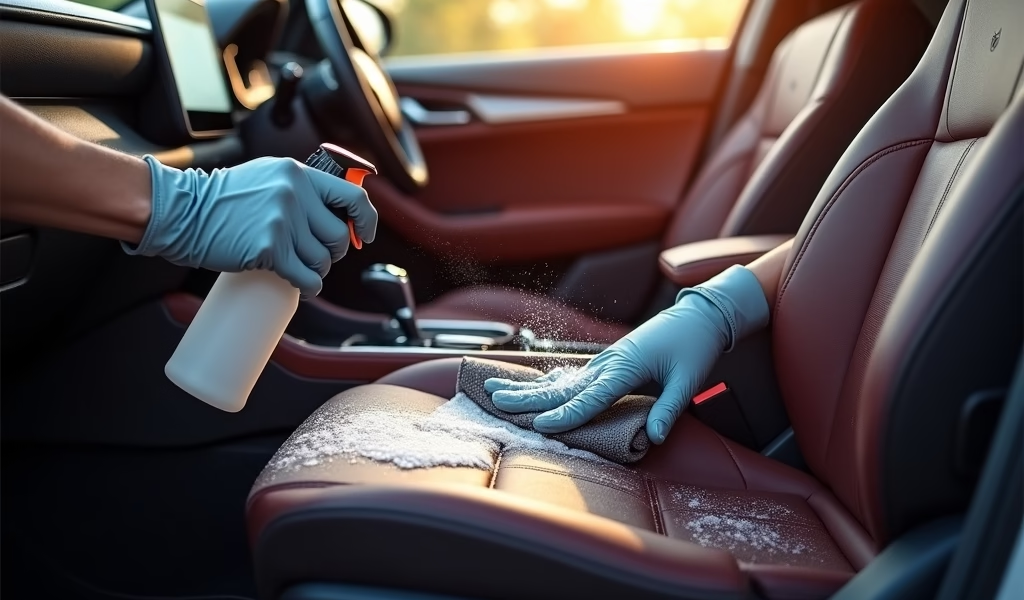
Before touching a single surface in your vehicle, proper preparation will save you time and frustration. Start by clearing out all personal items, removing car seat covers if applicable, and taking out any removable floor mats. This gives you unrestricted access to every nook and cranny.
For the optimal cleaning experience, you’ll need to gather the following supplies:
- Vacuum with upholstery attachments
- Microfiber cloths (several, as they’ll get dirty quickly)
- Soft-bristled brushes (a toothbrush works well for tight spaces)
- Appropriate cleaner for your seat material (more on this shortly)
- Spray bottle for diluting cleaners if needed
- Clean water for rinsing
- Bucket for solution mixing
- Stain remover for stubborn marks
- Upholstery protectant (appropriate for your seat material)
The cleaning agents you’ll need vary based on your upholstery type. For cloth seats, a gentle upholstery cleaner or a homemade solution of warm water with a few drops of dish soap works well. Leather requires specialized leather cleaner to maintain its natural oils and prevent cracking. Vinyl and other synthetic materials can typically handle all-purpose cleaners, but check your vehicle manual first—manufacturers often specify recommended products.
Timing matters too. Choose a warm, low-humidity day if possible, as this will significantly reduce drying time. Park in a shaded area to prevent cleaners from drying too quickly and leaving residue behind. And don’t rush—set aside at least a couple of hours for a thorough job.
Step 2: Thorough Vacuuming
Never underestimate the power of a good vacuum session—it’s the foundation of effective seat cleaning. Begin with the seats in their fully extended position to expose the maximum surface area. Use a crevice tool to get deep into the seams where debris accumulates most heavily, particularly where the backrest meets the bottom cushion.
Work methodically, starting from the top of the seat and moving downward. This prevents dislodged particles from falling onto areas you’ve already cleaned. Pay special attention to the following often-overlooked spots:
- Between and under the seats
- Along seat tracks and adjustment mechanisms
- Behind headrests and armrests
- Around seat belt buckles and anchors
- Within any stitching channels or textured areas
For stubborn debris embedded in fabric seats, lightly brush the surface with a soft-bristled brush before vacuuming. This loosens dirt particles without driving them deeper into the upholstery. If dealing with pet hair, put on a slightly dampened rubber glove and run your hand over the seats—the hair will gather into clumps that are easier to vacuum.
Don’t rush this step. A thorough vacuuming removes about 80% of the dirt in most vehicles and creates a clean foundation for the wet cleaning to follow. For vehicles with removable seat cushions, take them out if possible and vacuum both sides. The extra effort pays dividends in cleanliness.
Step 3: Spot Testing Cleaners
This critical step prevents potential disasters, yet it’s one many DIYers skip in their eagerness to start cleaning. Before applying any cleaner to a visible area of your seats, conduct a spot test in an inconspicuous location. The underside of a cushion or a corner hidden by a seat belt makes an ideal testing ground.
Apply a small amount of your chosen cleaner to a clean microfiber cloth—never directly to the seat—and gently rub it onto the test area. Wait about 10 minutes to check for any adverse reactions such as:
- Color fading or transfer to your cloth
- Material stiffening or texture changes
- Discoloration or watermarks
- Unusual odors that might indicate chemical reactions
For leather seats in particular, testing is non-negotiable. High-quality leather often has specialized finishes that can react unpredictably with generic cleaners. If you notice any negative reaction during testing, rinse the area immediately with clean water and dry it thoroughly. Then try a milder solution or a cleaner specifically formulated for your upholstery type.
This cautious approach might seem excessive, but I’ve witnessed too many well-intentioned cleaning attempts end with permanently damaged upholstery. Five minutes of testing can save you from expensive reupholstering costs and the heartbreak of a ruined interior.
Step 4: Choosing the Right Cleaning Method
Now that you’ve verified your cleaner is safe, it’s time to select the appropriate cleaning method for your specific upholstery type. Each material demands a different approach for optimal results and longevity.
For Cloth Seats:
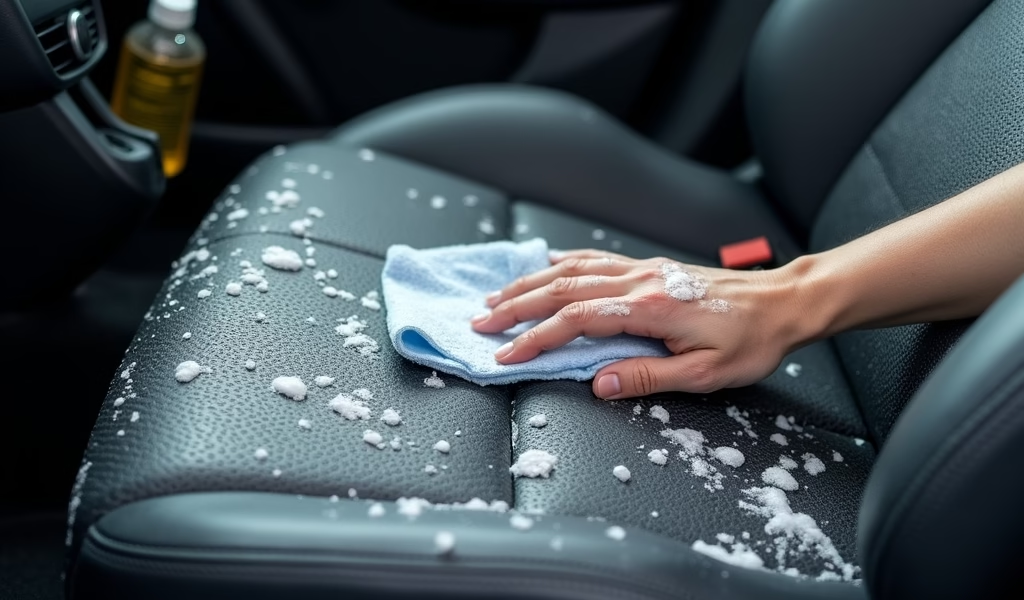
Cloth upholstery generally benefits from a foam-based cleaning method. Apply your upholstery cleaner or diluted soap solution to a clean microfiber cloth until it’s damp but not dripping. Work in small sections, using circular motions and light pressure. For heavily soiled areas, allow the cleaner to dwell for 30-60 seconds before scrubbing gently with a soft brush.
Many professional detailers, myself included, recommend using an extractor for deep cleaning if available. These machines spray solution onto the fabric and immediately vacuum it back up, removing embedded dirt without over-wetting the cushions. If you don’t own an extractor, proper car detailing techniques with manual tools can still achieve excellent results.
For Leather Seats:
Leather requires a gentler touch. Apply leather cleaner to a microfiber cloth and clean with straight, overlapping strokes rather than circles. This prevents swirl marks that can become visible in certain lighting. Use minimal moisture, as excessive water can penetrate the leather and damage the padding underneath.
After cleaning, leather seats need conditioning to replace natural oils and prevent cracking. Apply a small amount of quality leather conditioner with a fresh cloth, allow it to absorb for the time specified on the product (usually 10-15 minutes), then buff away any excess with a clean, dry cloth.
For Vinyl and Synthetic Materials:
These durable materials can handle slightly more aggressive cleaning. Use an appropriate vinyl cleaner and a microfiber cloth, working in straight lines. For textured vinyl, a soft brush helps reach into the grain pattern. Rinse thoroughly by wiping with a damp cloth, as cleaner residue can make vinyl surfaces sticky over time.
The key with any upholstery type is to avoid oversaturation. Excess moisture can lead to mold growth in padding, electrical issues with seat heaters, or water stains on certain materials. Always err on the side of using less cleaner and applying more if needed, rather than starting with a soaked application.
Step 5: Scrubbing and Stain Removal
When confronted with stubborn stains, targeted treatment becomes necessary. Different stain types respond to different removal techniques, so identifying what you’re dealing with is crucial for success.
Food and Drink Stains:
Coffee, soda, and food stains are among the most common culprits in vehicles. For fresh spills, blot (don’t rub) with clean paper towels to absorb as much liquid as possible. For older stains, create a paste of baking soda and water, apply it to the stain, let it dry completely, then vacuum it away. The alkaline nature of baking soda helps break down many food-based stains.
Oil and Grease Stains:
These challenging stains require a different approach. Sprinkle cornstarch or baby powder on the stain and allow it to sit for several hours—overnight if possible. The powder absorbs the oil, which you can then vacuum away. For remaining residue, a small amount of dish soap (which is designed to cut grease) applied with a damp cloth often does the trick.
Ink and Dye Stains:
Rubbing alcohol is your ally here. Apply it sparingly with a cotton swab, working from the outside of the stain inward to prevent spreading. Immediately blot with a clean cloth. Test this method cautiously, especially on leather, as alcohol can be drying or damaging to some finishes.
For any stain, remember that patience and gentle persistence typically yield better results than aggressive scrubbing. Multiple light applications often succeed where one forceful attempt fails. And for truly stubborn stains, specialty products designed for automotive upholstery can be worth the investment.
If you’re dealing with odors along with stains, address them specifically after stain removal. Baking soda left to sit overnight then vacuumed away works wonders for neutralizing most smells. For persistent odors, enzymatic cleaners designed for pet accidents break down the organic compounds causing the smell.
Step 6: Proper Drying Techniques
Proper drying is just as important as the cleaning itself. Excessive moisture left in seats can lead to mildew, mold, and unpleasant odors—not to mention potential damage to electronic components like seat heaters or adjustment motors in modern vehicles.
Start by blotting any excess moisture with clean, dry microfiber towels. Press firmly but don’t rub, as rubbing can push water deeper into the padding. For cloth seats, a wet/dry vacuum can extract significant moisture from the fabric and foam underneath.
After removing surface moisture, create optimal drying conditions. Open all doors if weather permits, or at minimum, crack windows slightly. If available, position fans to circulate air through the vehicle. For faster drying in suitable weather, park in direct sunlight with windows cracked to create a greenhouse effect that accelerates evaporation.
Avoid using high-heat methods like hair dryers directly on upholstery, especially leather. Excessive heat can cause shrinkage, cracking, or warping of materials. Instead, rely on time and airflow for the safest drying. Most interiors will dry completely within 2-4 hours under favorable conditions, though complete drying of padding underneath may take overnight.
A professional tip: place silica gel packets (the kind found in shoe boxes or electronics packaging) in the vehicle during drying to help absorb ambient moisture. Alternatively, a container of moisture-absorbing crystals designed for closets can work wonders in accelerating the drying process.
Step 7: Protection and Maintenance
Now that you’ve invested time in thoroughly cleaning your car seats, protecting them from future soiling makes perfect sense. Think of this step as an invisible shield that keeps your hard work looking fresh for months to come.
For cloth seats, fabric protectors create a hydrophobic barrier that repels liquids and prevents stains from setting in. Apply according to the product directions, typically as a light spray that dries invisible. Quality protectors allow the fabric to breathe while still providing excellent repellency against spills.
Leather seats benefit tremendously from regular conditioning—ideally every three months. A good leather conditioner nourishes the material, prevents drying and cracking, and often includes UV inhibitors to prevent sun damage. Apply sparingly with a soft cloth using straight, overlapping strokes for even coverage.
Vinyl and synthetic materials generally need less maintenance but still benefit from protection. UV protectant sprays prevent fading and deterioration from sun exposure—particularly important if you regularly park outdoors or live in sunny climates.
Regardless of material type, consider these ongoing maintenance habits:
- Keep a small hand vacuum in your vehicle for quick cleanups
- Address spills immediately before they set in
- Use seat covers during messy activities or when transporting pets
- Avoid eating in the vehicle when possible
- Schedule a quick vacuum and wipe-down every two weeks
With proper protection and regular light maintenance, you’ll find that deep cleanings become less necessary and much easier when they do happen. The small effort of ongoing care pays huge dividends in preserving your upholstery’s appearance and extending its lifespan.
Conclusion
We’ve covered the complete journey of how do you clean car seats properly—from preparation to protection. Clean car seats aren’t just about aesthetics; they contribute to a healthier driving environment, preserve your vehicle’s value, and make every journey more pleasant.
Remember that the key to success lies in using the right products for your specific upholstery type, being thorough but gentle in your cleaning approach, and establishing regular maintenance habits. The 7-step process outlined here has served me well throughout my career working with vehicles ranging from everyday commuters to luxury automobiles.
If your seats present unique challenges beyond these guidelines—such as vintage materials or specialized designer upholstery—don’t hesitate to consult with a professional detailer. Sometimes, the investment in professional service can save you from costly mistakes.
For most situations, though, you now have all the knowledge needed to transform dirty, stained seats into pristine surfaces you’ll be proud to show off. Your passengers will notice the difference, and you’ll enjoy a fresher, more comfortable driving experience every day. Happy cleaning!
Frequently Asked Questions
How often should I clean my car seats?
For regular maintenance, vacuum seats every 2-3 weeks and perform a deep clean every 3-4 months. Increase frequency if you have children, pets, or regularly eat in your vehicle.
Can I use household cleaners on my car seats?
Most household cleaners are too harsh for automotive upholstery and may cause damage. Stick to cleaners specifically formulated for car interiors or mild solutions like diluted dish soap for fabric seats.
How long will it take for my car seats to dry completely?
Most car seats will dry within 2-4 hours with good ventilation, though complete drying of the padding underneath may take overnight. Avoid sitting on damp seats to prevent compression and extended drying times.
What’s the best way to remove gum from car upholstery?
Freeze the gum with ice cubes in a plastic bag, then gently scrape off the hardened gum with a plastic card. For any residue, use a small amount of rubbing alcohol on a cloth to dissolve the remaining adhesive.
Can I clean car seats with a steam cleaner?
Steam cleaners work well on fabric seats but should be avoided on leather and some vinyl materials. Always use the lowest effective temperature setting and don’t oversaturate the upholstery.