

Overview
If your car seats have seen more action than a toddler’s high chair at a spaghetti dinner, this article has you covered with seven effective cleaning treatments for every situation. From basic vacuuming and DIY cleaners to specialized techniques for leather care, stain removal, and odor elimination, the guide emphasizes that regular maintenance not only improves aesthetics but also preserves your vehicle’s value and creates a healthier driving environment.
Table of Contents
- Why Clean Car Seats Matter
- Before You Start: Prep Work for Successful Cleaning
- Treatment 1: Vacuuming and Dry Brushing
- Treatment 2: DIY Upholstery Cleaner for Fabric Seats
- Treatment 3: Leather Care and Conditioning
- Treatment 4: Steam Cleaning for Deep Stains
- Treatment 5: Tackling Specific Stains
- Treatment 6: Baking Soda Odor Elimination
- Treatment 7: Professional-Grade Products
- Prevention Tips for Long-lasting Clean Car Seats
- Conclusion
- Frequently Asked Questions
Why Clean Car Seats Matter
Let’s face it – we spend a lot of time in our cars. The average American spends nearly 300 hours per year behind the wheel, which means your car seats endure constant contact with everything from coffee spills to muddy jeans. Maintaining a clean car seat isn’t just about appearances; it’s about preserving your vehicle’s value, extending the life of your upholstery, and creating a healthier environment for everyone who rides with you.
Over time, dirt, oils, food particles, and various liquids can penetrate deep into your car’s upholstery, creating stubborn stains and unpleasant odors. More importantly, these contaminants can break down fabric fibers and leather, leading to premature wear and tear. In fact, according to a study by the National Automobile Dealers Association, vehicles with well-maintained interiors can retain up to 10% more value than those with stained or damaged seats.
Beyond the financial incentive, clean car seats contribute to a healthier driving environment. Dust, allergens, and bacteria can accumulate in your upholstery, potentially triggering allergies or respiratory issues. This is especially important if you have children or passengers with sensitivities. Additionally, a tidy interior simply makes for a more pleasant driving experience – who doesn’t prefer sliding into a fresh, clean seat rather than one spotted with mysterious stains?
Before You Start: Prep Work for Successful Cleaning
Before diving into the cleaning process, proper preparation will save you time and ensure better results. First, remove all personal items, car seat covers, and debris from your seats. You’d be surprised how many coins, receipts, and forgotten snacks might be hiding in those crevices!
Next, determine your seat material. This is absolutely crucial because different materials require different cleaning approaches. Fabric, leather, vinyl, and synthetic upholstery each needs specific care. Check your vehicle’s manual if you’re unsure about your seat material – using the wrong products can cause discoloration or damage.
For the most effective clean car seat results, gather all your supplies before starting:
- Vacuum with upholstery attachments
- Soft-bristled brushes in various sizes
- Microfiber cloths (several clean ones)
- Appropriate cleaners for your seat material
- Spray bottles for DIY solutions
- Bucket of clean water for rinsing cloths
- Old towels for drying
Lastly, try to pick the right day for the job. Ideally, choose a mild, dry day when you can leave windows open for ventilation and faster drying. Extremely hot or humid days can cause cleaners to dry too quickly, leaving residue behind, while cold days might prevent thorough drying. A good car interior cleaning session deserves the right conditions for optimal results.
Treatment 1: Vacuuming and Dry Brushing
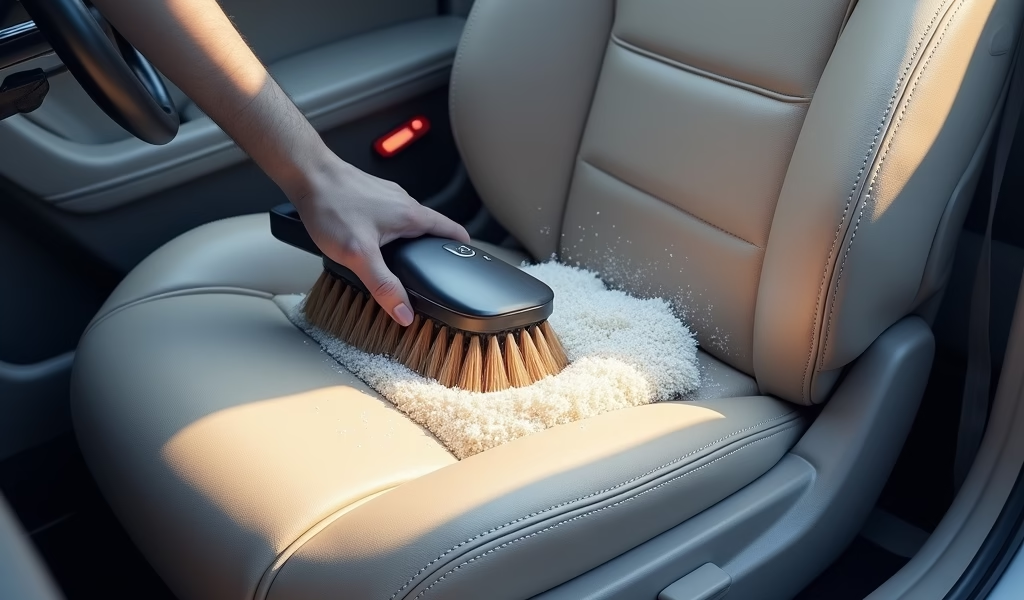
The foundation of any clean car seat regimen begins with thorough vacuuming. This often-overlooked first step removes loose dirt, crumbs, and debris that could otherwise become embedded in your upholstery during wet cleaning. For best results, use a vacuum with strong suction and specialized upholstery attachments that can reach into seams and crevices where dirt loves to hide.
Start at the top of the seat and work your way down, using methodical, overlapping strokes to ensure you don’t miss any areas. Pay special attention to the seams, where the seat back meets the bottom cushion, and around any buttons or decorative elements. For those hard-to-reach places between the seat and center console, a crevice tool works wonders.
After vacuuming, gentle dry brushing can lift embedded dirt particles that vacuuming alone might miss. For fabric seats, use a soft-bristled upholstery brush, working in circular motions. This agitation brings hidden dirt to the surface where it can be vacuumed away in a second pass. For leather or vinyl seats, use an even softer brush to avoid scratching the surface.
This dry cleaning technique is particularly effective for:
- Removing pet hair that vacuum suction alone might not capture
- Lifting dried mud or dirt that’s stuck to fibers
- Breaking up salt residue left from winter boots
- Prepping the surface for deeper cleaning treatments
Remember, thorough vacuuming isn’t just the first step—it’s an ongoing maintenance practice. Make it a habit to vacuum your seats at least twice a month to prevent dirt buildup and minimize the need for deep cleaning sessions. Your seats will thank you with prolonged life and fewer stubborn stains to tackle later.
Treatment 2: DIY Upholstery Cleaner for Fabric Seats
When it comes to maintaining a clean car seat with fabric upholstery, you don’t need to spend a fortune on specialized products. In fact, some of the most effective cleaners can be made right at home with ingredients you likely already have in your kitchen. These DIY solutions are not only cost-effective but also gentler on your upholstery than many commercial alternatives.
Here’s my go-to recipe for a highly effective fabric seat cleaner:
- 1 cup warm water
- 1/4 cup white vinegar (cuts through grease and helps eliminate odors)
- 1 tablespoon dish soap (Dawn works particularly well)
- 1 tablespoon club soda (helps lift stains)
Mix these ingredients in a spray bottle and shake gently to combine. Before applying to your entire seat, always test this solution on a small, inconspicuous area to ensure it doesn’t cause discoloration or damage to your specific fabric.
For application, spray the solution lightly onto the fabric—you want the surface damp, not soaking wet. Working in small sections of about 2 square feet at a time helps prevent the solution from drying before you’ve had a chance to scrub. Use a soft-bristled brush in circular motions, applying gentle pressure to work the solution into the fabric without damaging the fibers.
After scrubbing, wipe away the loosened dirt with a clean, slightly damp microfiber cloth. It’s crucial to remove all soap residue, as leftover cleaning solution can actually attract more dirt over time. Follow up with a dry microfiber cloth to absorb excess moisture.
For particularly stubborn stains, you might need to repeat the process or try a more targeted approach. However, patience is key when detailing your car interior—excessive scrubbing can damage fabric fibers, potentially making the problem worse rather than better.
Allow your seats to dry completely before using your vehicle. This might take several hours or even overnight, depending on your climate and ventilation. Opening windows or using fans can speed up the drying process and help prevent any musty odors from developing.
Treatment 3: Leather Care and Conditioning
Leather car seats represent a premium investment that requires special attention to maintain their supple feel and elegant appearance. Unlike fabric seats, leather is skin—a natural material that can dry out, crack, and fade without proper care. The key to long-lasting, beautiful leather seats is a two-step process: cleaning followed by conditioning.
For cleaning leather, avoid harsh household cleaners that can strip away the natural oils. Instead, opt for a pH-balanced leather cleaner specifically formulated for automotive upholstery. These specialized products remove dirt and grime while respecting the leather’s delicate chemistry. Apply the cleaner to a microfiber cloth rather than directly to the seats, then gently wipe in small circular motions, working section by section.
Pay close attention to high-contact areas like headrests, the center of seat bottoms, and side bolsters where body oils tend to accumulate. For seams and perforated sections, use a soft-bristled detailing brush to gently agitate the cleaner without scratching or damaging the leather. After cleaning, wipe away any residue with a clean, slightly damp cloth, then dry thoroughly with a fresh microfiber towel.
Once clean, conditioning is absolutely essential for leather longevity. According to automotive leather specialists, conditioning should happen every 1-3 months depending on your climate and how often your vehicle is exposed to sunlight. Choose a high-quality leather conditioner that contains natural oils and UV protection.
Apply a small amount of conditioner to a clean applicator pad and work it into the leather using gentle, overlapping strokes. Less is more—excessive conditioner can leave a greasy residue that attracts dirt. Allow the conditioner to penetrate for the time recommended on the product label (typically 10-15 minutes), then buff away any excess with a clean microfiber cloth.
For leather with perforations, be especially careful not to oversaturate, as conditioner can seep through the holes and potentially cause issues with seat heating elements or foam padding. These small maintenance steps will help ensure your leather seats remain as luxurious as the day you drove your car off the lot.

Treatment 4: Steam Cleaning for Deep Stains
When regular cleaning methods fall short, steam cleaning emerges as a powerful solution for deeply embedded stains and ground-in dirt. This method uses the penetrating power of hot water vapor to break down stubborn contaminants without harsh chemicals, making it both environmentally friendly and highly effective for achieving a truly clean car seat.
Steam cleaners work by heating water to temperatures above 200°F, creating pressurized vapor that can penetrate deep into upholstery fibers. This high heat effectively kills bacteria, dust mites, and other allergens while simultaneously loosening dirt particles that have become trapped in the fabric weave. The result is not just a visually cleaner seat, but also a more hygienic one.
Before steam cleaning, always vacuum thoroughly to remove surface debris. This prevents you from pushing loose dirt deeper into the upholstery during the steaming process. Next, test your steam cleaner on an inconspicuous area to ensure the heat won’t damage or discolor your specific seat material—this is especially important for delicate fabrics and certain types of leather.
For the most effective technique:
- Hold the steamer head slightly above the fabric surface (about 1/2 inch)
- Move slowly in overlapping passes, allowing the steam to penetrate
- Follow immediately with a microfiber cloth to blot up the loosened dirt
- Work in small sections, maintaining even coverage
For particularly stubborn stains, you can gently work the area with a soft brush while steaming, being careful not to damage the fabric fibers. The combination of heat and mild agitation often conquers even the most persistent marks that have resisted other cleaning methods.
After steam cleaning, it’s crucial to allow your seats to dry completely before using your vehicle. Depending on your climate and ventilation, this might take several hours or even overnight. Opening windows and using fans can significantly speed up this process. While professional steam cleaning equipment yields the best results, affordable consumer-grade steamers can still provide impressive improvements for routine maintenance.
Treatment 5: Tackling Specific Stains
Every driver eventually faces that heart-dropping moment—watching coffee slosh onto the seat, discovering melted chocolate from a forgotten candy bar, or noticing greasy food stains after a drive-thru visit. Different stains require different approaches, and knowing the right technique can mean the difference between a permanent mark and a clean car seat restoration.
For beverage stains like coffee, tea, or soda, quick action is your best ally. Blot (never rub!) the spill immediately with clean paper towels or a microfiber cloth to absorb as much liquid as possible. Then apply a solution of equal parts white vinegar and cool water, blotting again until the stain lifts. For stubborn residue, a mixture of baking soda and water formed into a paste can work wonders when allowed to sit for 30 minutes before gentle removal.
Oil-based stains from food, makeup, or sunscreen present a different challenge. Start by sprinkling cornstarch or baby powder directly on fresh oil stains—these absorbent powders pull oil from fabric fibers. Let it sit for 15-20 minutes, then vacuum thoroughly. Follow up with a grease-cutting dish soap solution (a few drops in warm water), applying with a clean cloth using gentle dabbing motions. This two-step approach breaks down oils without spreading the stain further.
Ink marks from leaky pens require careful treatment to avoid spreading. Isopropyl alcohol (at least 90% concentration) on a cotton swab works effectively when dabbed precisely on the ink mark. Work from the outside edge toward the center, switching to clean sections of the cotton swab as ink transfers. This method works equally well on both fabric and leather seats, though leather should be conditioned afterward as alcohol can be drying.
For the dreaded mystery stains of unknown origin, an enzymatic cleaner designed for car upholstery often proves most effective. These specialized formulas contain proteins that break down a wide range of organic materials. Apply according to product directions, typically allowing the enzymes time to work (usually 10-15 minutes) before blotting and rinsing.
Remember that with any stain treatment, patience and gentle techniques yield better results than aggressive scrubbing, which can damage fibers and potentially spread the stain. Multiple light applications are always preferable to one harsh treatment. Following these tailored approaches helps ensure your car maintenance routine keeps your interior looking its best.
Treatment 6: Baking Soda Odor Elimination
Even the cleanest-looking car seats can harbor lingering odors from spilled drinks, food crumbs, pet accidents, or just the accumulated scents of daily use. This is where baking soda – a humble pantry staple – emerges as a powerful ally in your quest for truly clean car seats. Unlike artificial air fresheners that merely mask odors, baking soda actually neutralizes them at the molecular level.
The science behind baking soda’s effectiveness is fascinating. As an amphoteric compound, it can react with both acidic and basic odor molecules, essentially converting them into neutral, non-smelling salts. This makes it incredibly versatile for tackling everything from sour milk spills to smoke odors that have penetrated your upholstery.
For basic odor treatment, sprinkle a generous layer of baking soda directly onto dry seats. Use a soft brush to work it gently into the fabric, reaching into seams and crevices where odors often lurk. Allow the baking soda to sit undisturbed for at least 4-6 hours – overnight is even better if your schedule permits. The longer it remains in contact with the upholstery, the more odor molecules it can neutralize.
For more persistent odors, consider creating a stronger solution by mixing baking soda with a few drops of essential oil. Lavender works well for a calming effect, while citrus oils like lemon or orange provide a fresh, clean scent. This combination not only eliminates existing odors but leaves behind a subtle, natural fragrance.
After the treatment period, thoroughly vacuum the seats using an upholstery attachment. Be methodical in your approach, ensuring you remove all the baking soda residue. Any powder left behind could become damp and potentially cause issues over time.
This treatment works particularly well as a follow-up to other cleaning methods. For instance, after steam cleaning or shampooing your seats, a baking soda treatment helps ensure any released odors are neutralized rather than just temporarily diminished. According to a study from the American Chemical Society, sodium bicarbonate (baking soda) is effective against a wide range of volatile organic compounds that cause unwanted odors.
For leather seats, use a much lighter application, dusting on a thin layer and removing it more quickly (after about 1-2 hours) to avoid excessive drying of the leather. Always follow with an appropriate leather conditioner to maintain proper moisture balance.
Treatment 7: Professional-Grade Products
While DIY solutions work wonders for routine maintenance, sometimes your seats need the extra cleaning power that only professional-grade products can provide. These specialized formulations are designed to tackle tough stains and ground-in dirt without damaging delicate upholstery materials. When used correctly, they can restore seats to a condition that rivals professional detailing services.
For fabric seats, enzyme-based cleaners represent the gold standard in professional-grade care. These sophisticated formulas contain natural enzymes that actually break down organic stains at the molecular level. Unlike harsh chemicals that might bleach or damage fibers, enzymatic cleaners target specific types of stains—proteins, starches, or oils—making them remarkably effective against everything from food spills to bodily fluids.
When selecting a professional upholstery cleaner, look for pH-balanced formulations specifically designed for automotive use. Household furniture cleaners often contain brighteners or chemicals that might be too aggressive for car upholstery, which must withstand different wear patterns and environmental conditions than home furniture.
For leather seats, two-part cleaner and conditioner systems provide comprehensive care. The cleaner component typically contains gentle surfactants that lift dirt without stripping natural oils, while the conditioner replenishes essential moisture and provides UV protection. Products containing lanolin or other natural oils most closely mimic the leather’s own chemistry, resulting in a more authentic restoration.
Application technique matters significantly with professional products. Most require specific dilution rates and dwell times to work effectively. Always read manufacturer instructions carefully, and consider investing in proper applicators like microfiber mitts or foam applicator pads designed specifically for upholstery work.
One often overlooked aspect of professional-grade products is their concentrated nature. While the initial investment might seem higher than household alternatives, their potency means a little goes a long way. Many professionals dilute their products at ratios of 10:1 or even 20:1, making them surprisingly economical over time compared to ready-to-use consumer products.
For those serious about maintaining showroom-quality interiors, consider products containing UV inhibitors and anti-soiling agents. These preventative ingredients create an invisible barrier that helps repel future stains and slows the degradation caused by sunlight exposure—particularly valuable for vehicles frequently parked outdoors.
Prevention Tips for Long-lasting Clean Car Seats
An ounce of prevention truly is worth a pound of cure when it comes to maintaining clean car seats. Implementing a few simple habits can dramatically reduce the frequency and intensity of deep cleaning sessions required. Let’s explore some practical strategies that help preserve your upholstery’s appearance and extend its lifespan.
Seat covers represent perhaps the most effective preventative measure available. Modern options range from basic universal fits to custom-tailored covers specifically designed for your vehicle model. Waterproof neoprene varieties offer excellent protection against spills and can be easily removed for washing, while breathable fabric options enhance comfort during extended drives. Even inexpensive temporary covers can save your upholstery during particularly messy activities like trips to the beach or transporting pets.
Speaking of our four-legged friends, pet hair presents a unique challenge for car upholstery. Consider dedicated pet barriers or hammock-style seat protectors designed specifically for furry passengers. These not only contain hair but also prevent muddy paw prints from reaching your upholstery. For regular pet transport, keeping a small handheld vacuum in your trunk allows for quick cleanups before hair has a chance to become embedded in fabric fibers.
Establish clear car rules, particularly if you have children or frequently transport passengers. A “no food” policy might seem strict, but it eliminates a major source of difficult stains. If snacking is unavoidable during long trips, opt for less messy options like dry snacks rather than potentially dripping sauces or melting chocolate. Keeping a small trash bag accessible encourages proper disposal rather than stuffing wrappers between seats where they can leave residue.
Regular maintenance prevents dirt buildup that leads to staining. Consider keeping these items in your vehicle:
- Microfiber cloths for quickly addressing spills
- Small handheld vacuum for weekly quick cleanups
- Upholstery brush for removing surface debris
- Fabric or leather protectant spray (applied quarterly)
Window tinting serves as an often-overlooked protective measure. Beyond privacy and comfort benefits, quality UV-filtering window film significantly reduces the sun damage that breaks down upholstery materials over time. This is particularly valuable for leather seats, which are especially vulnerable to cracking and fading from prolonged sun exposure.
Lastly, consider your parking habits. Whenever possible, choose shaded parking spots or use a sunshade when parking in direct sunlight for extended periods. The reduced interior temperature not only preserves your upholstery but also prevents the baking-in of stains that occurs when spills are heated repeatedly.
Conclusion
Maintaining a clean car seat is about more than just aesthetics—it’s an investment in your vehicle’s longevity, value, and the health of everyone who rides with you. By incorporating these seven proven treatments into your regular car care routine, you can tackle everything from surface dirt to stubborn stains while preserving the integrity of your upholstery.
Remember that consistency is key. Regular light cleaning prevents the need for intensive treatments later. Start with the basics like vacuuming and dry brushing weekly, then incorporate deeper cleaning methods monthly or quarterly depending on your usage patterns. Prevention strategies like seat covers and sensible food policies will dramatically reduce your cleaning workload over time.
Different seat materials require different approaches, so always identify your upholstery type before selecting cleaning products or techniques. What works beautifully on fabric might damage leather, and vice versa. When in doubt, test any new product or method on an inconspicuous area first.
The satisfaction of sliding into a truly clean car seat makes all these efforts worthwhile. Beyond the immediate sensory pleasure, you’re protecting your investment and creating a healthier environment for yourself and your passengers. With these professional-grade techniques at your disposal, you can enjoy stain-free interiors for the life of your vehicle.
For the best results, combine these targeted treatments with a holistic approach to vehicle maintenance. Clean seats complement a well-maintained exterior and mechanical systems, creating a vehicle that not only performs reliably but provides a consistently pleasant driving experience. Your car is an extension of your personal space—treat it accordingly, and it will reward you with years of comfortable, appealing service.
Frequently Asked Questions
How often should I clean my car seats?
Vacuum your seats every 1-2 weeks and perform a deeper cleaning every 3-4 months for normal use. Increase frequency if you have children, pets, or regularly eat in your vehicle.
Can I use household cleaners on my car seats?
Most household cleaners are too harsh for automotive upholstery and can cause damage or discoloration. Stick to products specifically formulated for car interiors or gentle DIY solutions.
How can I remove wet stains quickly?
Blot (don’t rub) the spill immediately with absorbent paper towels or microfiber cloths to remove excess liquid. Follow with appropriate cleaning based on your seat material and the type of spill.
Are steam cleaners safe for all car seats?
Steam cleaners work well on fabric seats but should be used with caution on leather. Always test in an inconspicuous area first and keep the steamer moving to prevent saturating any single spot.
How do I prevent my leather seats from cracking?
Condition leather seats every 1-3 months with a quality leather conditioner. Park in shaded areas when possible, use window shades, and consider applying a UV protectant to prevent sun damage.