
Overview
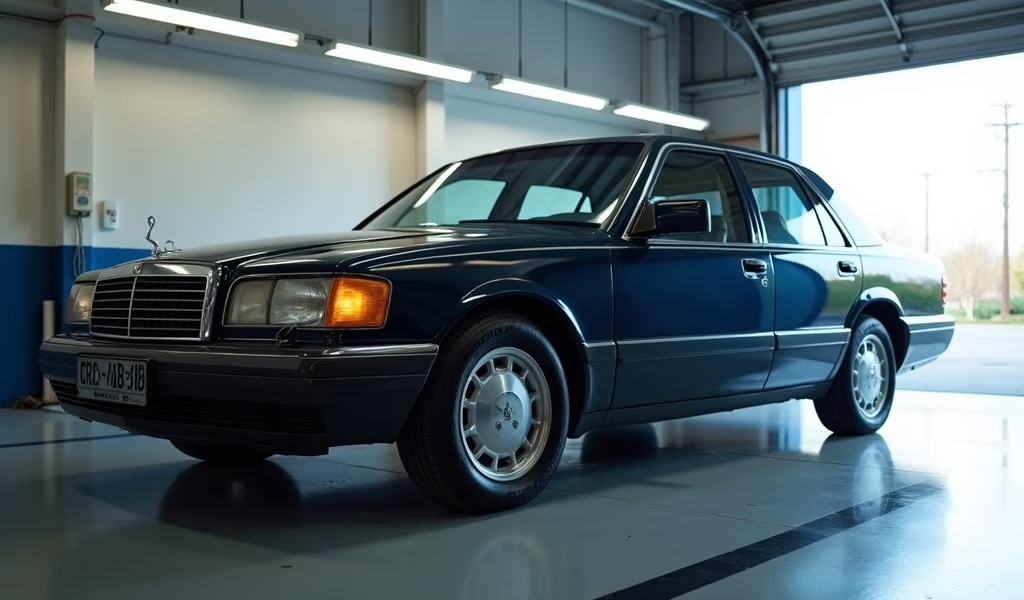
Forget obsessing over low mileage when buying a used car—it’s like judging a book by its cover while ignoring all the coffee stains and dog-eared pages inside. The article emphasizes that maintenance history, driving conditions, and vehicle make are far more important than odometer readings, with well-maintained 150,000-mile vehicles often outperforming neglected 60,000-mile cars.
Table of Contents
- Understanding Mileage on Used Cars
- What’s Considered “Good” Mileage?
- Factors More Important Than Mileage
- 5 Essential Care Tips for Higher Mileage Vehicles
- Conclusion
- Frequently Asked Questions
Understanding Mileage on Used Cars
When folks roll into my shop asking about used cars, the first question is almost always about mileage. I’ve been under the hood of thousands of vehicles, and let me tell you – that odometer reading isn’t the whole story.
The average driver puts about 12,000-15,000 miles on their vehicle annually. This gives us a simple formula: multiply the car’s age by this range to get what I call “expected mileage.” A 5-year-old car should reasonably show between 60,000-75,000 miles on the clock.
Here’s where it gets interesting. Finding a 10-year-old car with only 30,000 miles isn’t necessarily hitting the jackpot. Cars that sit too long develop their own problems – rubber components dry out, fluids stagnate, and seals can fail. Vehicles need regular use, just like our bodies need exercise.
The “low mileage is always better” myth needs to be retired. I’ve seen well-maintained 150,000-mile vehicles outperform neglected 60,000-mile cars all day long. When shopping for used cars, thinking beyond the odometer will save you headaches down the road.
Modern engines are engineering marvels compared to vehicles from decades past. While hitting 100,000 miles once signaled a car’s twilight years, today’s vehicles regularly cruise past 200,000 miles with proper care. According to Consumer Reports, many vehicles can reach this milestone with diligent maintenance.

What’s Considered “Good” Mileage?
After spending decades under the hood, I’ve developed some practical guidelines for mileage ranges. Here’s how I break them down for customers:
Under 50,000 miles
These youngsters still have that new car smell lingering. Most components haven’t experienced significant wear, and you’ll likely still have factory warranty coverage. The downside? You’ll pay a premium for that peace of mind – these cars haven’t experienced their steepest depreciation yet.
50,000-100,000 miles
This is what I call the “sweet spot” for most buyers. These vehicles have taken their biggest depreciation hit, but still have plenty of life left. Major systems typically haven’t required replacement yet, and you’re getting solid value for your dollar.
100,000-150,000 miles
Don’t let six digits scare you off! Well-maintained vehicles in this range often represent excellent value. Many major components may have already been replaced (timing belts, water pumps), potentially saving you from these predictable expenses.
Over 150,000 miles
High-mileage heroes require a more discerning eye. These are either well-maintained road warriors or expensive problems waiting to happen. However, certain vehicles (Toyota Camrys, Honda Accords, and many full-size trucks) seem to hit their stride at this range. The price should reflect the mileage, creating potential bargains for savvy shoppers.
Remember, these are general guidelines. I’ve seen plenty of exceptions in both directions during my years turning wrenches.
Factors More Important Than Mileage
After diagnosing thousands of vehicles, I’ve learned to look beyond the odometer when evaluating a used car. Here are the factors that often tell me more about a vehicle’s condition than its mileage:
Maintenance History
This is the holy grail of used car shopping. A vehicle with complete service records is like finding a unicorn – rare and valuable. Those oil change stickers and receipts aren’t just paper; they’re evidence of an owner who cared. A meticulously maintained 120,000-mile car will usually outperform a neglected 60,000-mile vehicle in both reliability and longevity.
Type of Miles Driven
Not all miles stress a vehicle equally. Highway miles are relatively easy on components – steady speeds, fewer temperature fluctuations, and minimal brake wear. City driving, with constant stopping and starting, accelerates wear on brakes, transmissions, and engines. A former traveling salesperson’s highway-driven vehicle might be mechanically younger than a delivery vehicle with half the miles.
Storage Conditions
Where and how a vehicle was stored tells me a lot about its condition. Cars kept in garages typically have better-preserved exteriors, interiors, and rubber components. Vehicles subjected to extreme temperatures, salt (in winter regions), or constant sun exposure often show premature aging regardless of mileage.
Make and Model Reliability
Some vehicles simply last longer than others. Independent reliability ratings can help identify which models typically go the distance. Certain vehicles seem to scoff at mileage milestones that would send others to the junkyard. Researching model-specific data helps determine whether that high-mileage option is a risk worth taking.
When evaluating these factors, trust your eyes and ears. A test drive reveals much about how those miles were accumulated and how the vehicle was treated. Listen for unusual noises, feel for smooth operation, and watch for warning signs like smoke or leaks.
5 Essential Care Tips for Higher Mileage Vehicles
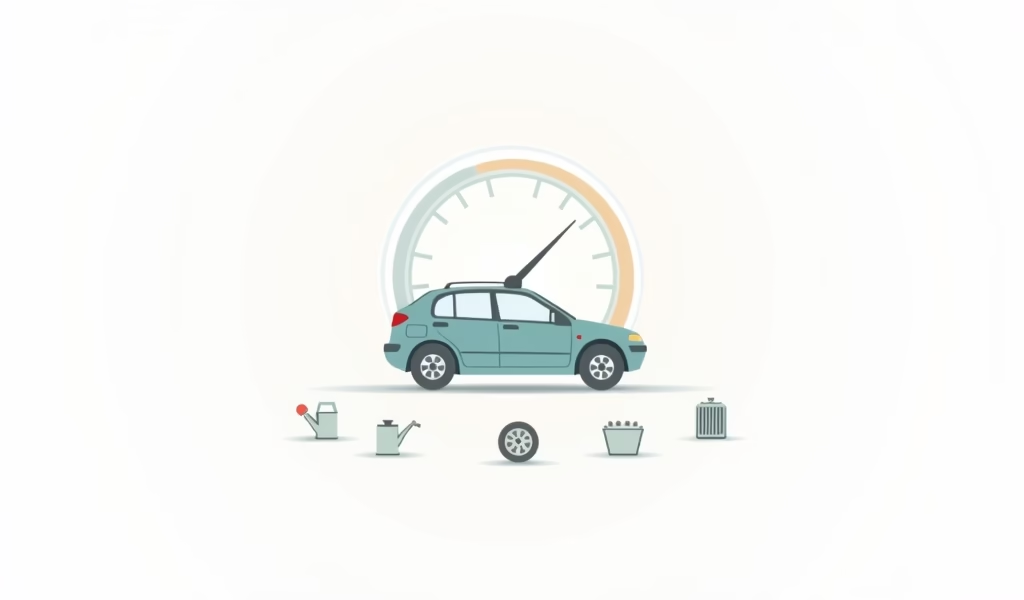
If you’ve decided to purchase a higher-mileage vehicle (or want to keep your current one running strong), these five maintenance practices will help extend its life considerably. I’ve seen these strategies keep cars running well past 200,000 miles.
1. Oil Changes Are Your Best Insurance Policy
As engines accumulate miles, internal clearances increase slightly due to normal wear. Fresh, clean oil becomes even more critical in preserving these aging components. For vehicles over 100,000 miles, I recommend shortening the manufacturer’s maximum oil change interval by about 25%. Using high-mileage formulated oils can also help condition seals and reduce consumption in older engines.
Don’t just check if the oil is low – monitor its condition. Darkened oil isn’t necessarily bad (it’s collecting contaminants as designed), but oil that looks like molasses or smells burnt needs immediate changing.
2. Transmission Care Becomes Critical
Transmission repairs can cost thousands, making preventative maintenance extremely valuable. For automatic transmissions, consider fluid changes every 30,000-60,000 miles, even if the manufacturer claims “lifetime” fluid (spoiler: nothing lasts a lifetime). Manual transmissions typically need less frequent service but shouldn’t be neglected.
If you notice delayed engagement, rough shifting, or unusual noises, address these symptoms immediately. Early intervention often prevents catastrophic failure. Regular maintenance checks can catch these issues before they become expensive problems.
3. Cooling System Maintenance
Your cooling system prevents the automotive equivalent of a fever – overheating that can warp heads, blow gaskets, and cause terminal engine damage. Over time, coolant loses its corrosion-inhibiting properties, potentially leading to internal engine damage that no warranty will cover.
For higher-mileage vehicles, flush the cooling system every 30,000 miles. Inspect hoses and the radiator for leaks or corrosion. A $100 cooling system service can prevent a $3,000 head gasket repair.
4. Pay Attention to Timing Components
If your vehicle has a timing belt, this rubber component controls the precise choreography between your engine’s valves and pistons. When it fails, the results can be catastrophic in “interference” engines. Most require replacement every 60,000-100,000 miles.
Even timing chains (generally more durable than belts) require occasional inspection. Listen for rattling noises from the front of the engine, which often indicate timing chain issues. Addressing these early can save thousands in repair costs.
5. Suspension and Steering Maintenance
As mileage increases, suspension and steering components wear, affecting both safety and comfort. Listen for clunks, knocks, or squeaks when driving over bumps. Feel for wandering, pulling, or vibrations through the steering wheel.
Replacing worn ball joints, tie rods, and bushings isn’t just about comfort – it’s about maintaining control of your vehicle in emergency situations. These repairs often cost less than you might expect, especially when compared to the safety benefits they provide.
Implementing these essential maintenance tasks will significantly extend your vehicle’s service life. Many of my customers have kept their vehicles running smoothly well beyond 200,000 miles by following this regimen.
Conclusion
After decades in the shop, I’ve learned that mileage is just one chapter in a used car’s story. Those numbers on the odometer matter, but they’re far from the whole tale. A well-maintained 150,000-mile vehicle often provides better value and reliability than a neglected 60,000-mile alternative.
The most reliable predictor of a used car’s future isn’t the mileage – it’s how well it was cared for by previous owners. Those service records tell a story that will likely continue into your ownership experience. A vehicle that received regular, preventative maintenance will almost always outperform one that was neglected, regardless of what the odometer says.
Before purchasing any used car, invest in a pre-purchase inspection from a trusted mechanic. That $100-150 could save you thousands in unexpected repairs and provide negotiating leverage if issues are discovered.
With proper research, inspection, and ongoing care, your higher-mileage vehicle can provide years of reliable service without draining your bank account. The key is looking beyond that single number and understanding the complete picture of the vehicle’s history and condition.
Remember that every car eventually becomes a high-mileage vehicle – the question is simply how well it will wear those miles. With proper care, your automotive investment can continue delivering value long after the odometer has rolled over into six digits.
Frequently Asked Questions
Is 100,000 miles too much for a used car?
Not at all, especially for modern vehicles. Many well-maintained cars can reliably reach 200,000+ miles with proper care.
What’s more important: age or mileage when buying used?
Both matter, but maintenance history trumps either factor. A well-maintained higher-mileage car often outperforms a neglected low-mileage vehicle.
Should I avoid cars with over 150,000 miles?
Not necessarily, especially for reliable makes like Toyota and Honda. Check maintenance records, get a pre-purchase inspection, and ensure the price reflects the mileage.
What’s the sweet spot for used car mileage?
The 50,000-100,000 mile range typically offers the best balance of value and remaining life. Cars in this range have taken their biggest depreciation hit but still have plenty of service life remaining.
How can I tell if a high-mileage car is worth buying?
Look for complete service records, evidence of regular maintenance, and get a professional inspection. A well-documented maintenance history is more valuable than a lower odometer reading.