
Overview
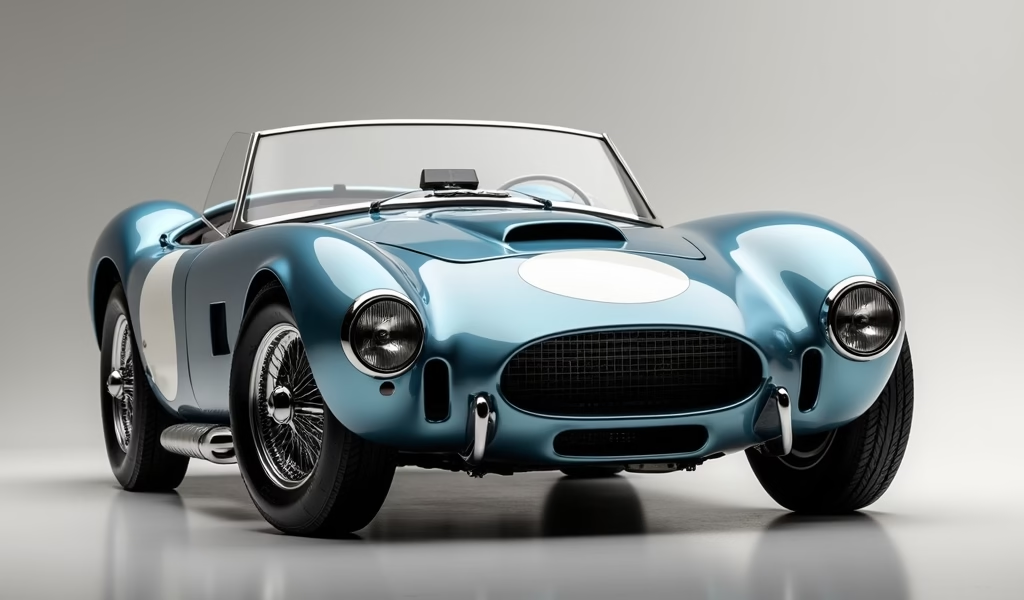
Like your vintage sweetheart who needs extra TLC to stay fabulous, classic sports cars require seven key maintenance practices: regular scheduled care, proper storage, appropriate fluids, original component preservation, electrical system attention, consistent driving, and careful exterior/interior protection. These vehicles aren’t just transportation but pieces of automotive history that reward dedicated owners with authentic driving experiences and potentially increasing value when properly maintained.
Table of Contents
- Introduction
- Establish a Regular Maintenance Schedule
- Proper Storage Solutions
- Fluid Management Is Critical
- Preservation of Original Components
- Electrical System Care
- Regular Exercise (Driving)
- Paint and Interior Preservation
- Conclusion
- Frequently Asked Questions
Introduction
There’s something magical about classic sports cars that modern vehicles simply can’t match. After spending 25 years as a restoration specialist, I’ve developed a deep appreciation for these mechanical works of art. From the elegant curves of a ’63 Corvette Stingray to the raw power of a vintage Ferrari 250 GT, these best classic sports cars represent automotive history at its finest.
But owning one of these beauties comes with responsibility. These cars weren’t designed for long-term storage or today’s driving conditions. They need specialized care that goes beyond what your local quick lube shop can provide.
At our restoration shop, we’ve seen it all—from perfectly preserved time capsules to neglected projects that need complete overhauls. The difference almost always comes down to consistent, knowledgeable maintenance. These seven proven tips will help keep your classic running strong and looking sharp for years to come.
Establish a Regular Maintenance Schedule
The cornerstone of classic car care is consistency. Unlike modern vehicles with 10,000-mile service intervals, your classic sports car needs more frequent attention. These older machines have different tolerances, materials, and engineering principles that demand regular check-ups.
Create a calendar-based maintenance schedule and stick to it religiously. Here’s what works best for most of my clients:
- Monthly: Check fluid levels, battery condition, tire pressure, and look for any fresh leaks
- Quarterly: Inspect brakes, suspension components, and exhaust system
- Bi-annually: Evaluate transmission operation, differential condition, and carburetor settings
- Annually: Complete a thorough inspection of all systems and perform preventive maintenance
Documentation is crucial. Keep a detailed maintenance log recording dates, mileage, work performed, and parts replaced. This not only helps you stay on track but significantly boosts resale value. Buyers of quality used cars are willing to pay premium prices for well-documented classics.
Remember to adjust your schedule based on climate and usage patterns. A car driven weekly in Arizona faces different challenges than one stored most of the year in Michigan. As the saying goes in our shop: “Prevention costs pennies; restoration costs thousands.”
Proper Storage Solutions
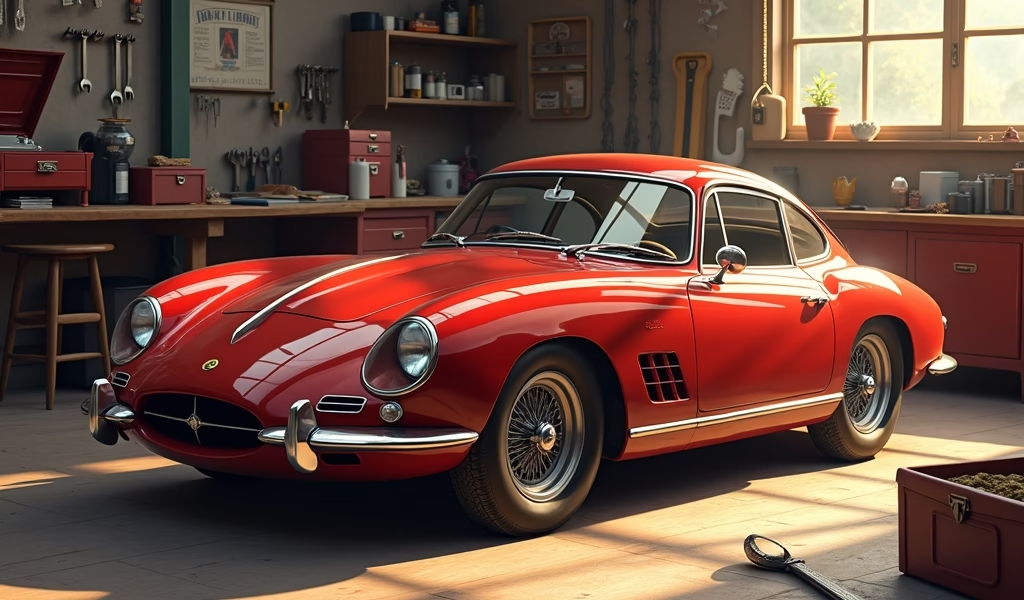
How and where you store your classic sports car might be even more important than how you drive it. I’ve seen pristine vehicles deteriorate rapidly due to poor storage conditions, while properly stored cars maintain their condition remarkably well.
The ideal storage environment is climate-controlled with stable temperature (around 55-70°F) and moderate humidity (40-50%). Extreme temperature swings and high humidity are your car’s worst enemies, causing everything from rust formation to deteriorating rubber components.
For long-term storage, follow these steps:
- Add fuel stabilizer to prevent fuel system issues
- Change oil before storage to remove contaminants
- Place the car on jack stands to prevent flat-spotted tires
- Disconnect the battery or install a quality trickle charger
- Use a breathable, high-quality car cover specifically designed for indoor storage
If you don’t have access to climate-controlled storage, consider seasonal professional storage facilities. Many specialty garages offer winter storage packages for classic vehicles at reasonable rates. This investment is far cheaper than addressing moisture damage or seized engines.
According to Hagerty Classic Car Insurance, proper storage is one of the most important factors in preserving both the condition and value of collectible vehicles. A single season of improper storage can undo years of careful maintenance.
Fluid Management Is Critical
Think of fluids as your classic car’s lifeblood. Using the correct type and changing them at appropriate intervals is non-negotiable for long-term health. Modern fluids aren’t always compatible with classic engines and components.
For engine oil, resist the temptation to use full synthetic in older engines unless specifically recommended. Many classics perform better with conventional or semi-synthetic oils that match the original viscosity ratings. These engines were designed with different tolerances and materials that benefit from traditional formulations.
Cooling systems in classics need special attention. The radiators and water pumps in these cars often work best with traditional green ethylene glycol antifreeze rather than extended-life formulations. I recommend a complete flush every two years to remove sediment and prevent corrosion.
Brake fluid is critically important and often overlooked. Unlike oil, brake fluid absorbs moisture over time, leading to reduced effectiveness and internal corrosion. Replace it every 1-2 years regardless of mileage. This simple maintenance item can literally save your life.
For transmissions and differentials, stick with the manufacturer’s original specifications when possible. If those fluids are no longer available, consult with specialists who can recommend modern equivalents designed for classic applications. The Classic Motorsports technical guides are an excellent resource for fluid specifications.
Preservation of Original Components
In the classic car world, originality carries tremendous value. A numbers-matching example with factory components will almost always command a premium over a modified car. When possible, preserve and rebuild original parts rather than replacing them.
Finding genuine replacement parts requires patience and connections. Build relationships with marque specialists, join owner’s clubs, and frequent swap meets. These networks will prove invaluable when you need that impossible-to-find carburetor gasket or correct-year tail light lens.
When deciding whether to repair or replace, consider both function and value. Safety components like brake master cylinders might warrant modern replacements, while visible parts contribute more to value when original. In many cases, rebuilding the original component is the best compromise between reliability and authenticity.
Document original components with photos and keep removed parts when possible. Having the original carburetor in a box is better than nothing if you’ve upgraded to a modern fuel system. This documentation helps maintain value and gives future owners options.
For affordable classic cars, originality might not command the same premium as it would for rare exotics, but the principle remains the same. Authenticity matters, especially as these vehicles age and original parts become increasingly scarce.
Electrical System Care
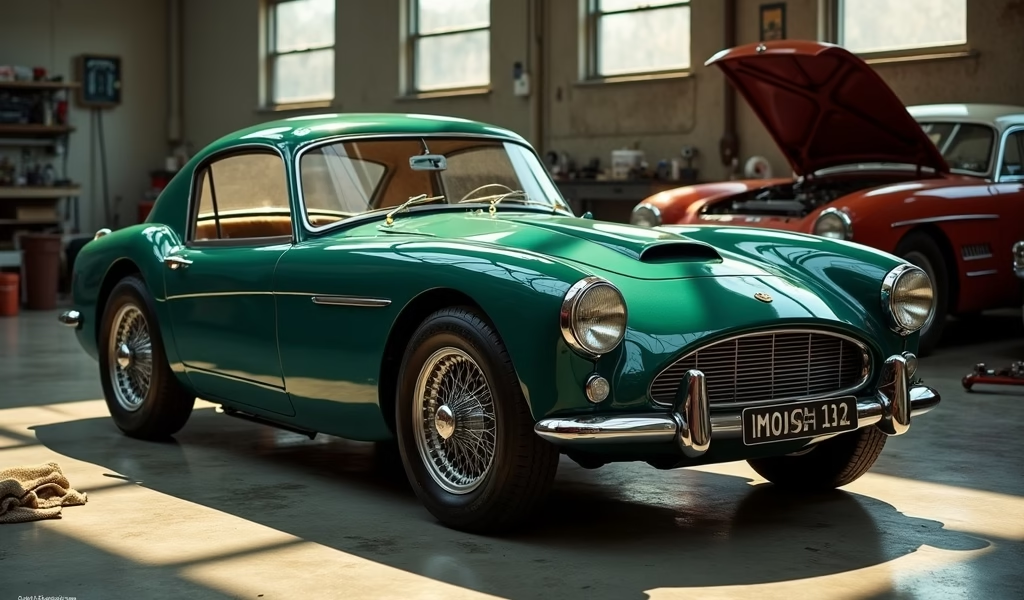
Electrical issues cause more classic car headaches than almost anything else. These systems were designed long before computers and modern electronics, making them both simpler and sometimes less reliable.
Start by ensuring your ground connections are clean and secure. Poor grounds cause mysterious electrical gremlins that can drive you crazy trying to diagnose. Check and clean all major ground points annually with a wire brush and apply dielectric grease to prevent future corrosion.
Inspect your wiring harness for cracked insulation, particularly where wires pass through the firewall or near heat sources. These vintage harnesses used different insulation materials that deteriorate over time. Heat-shrink tubing and proper electrical tape can provide temporary fixes, but damaged sections should eventually be properly replaced.
Consider sensible upgrades that maintain original appearance. Many companies now offer “stealth” modifications like electronic ignition systems that fit inside original distributor housings or alternator conversions that look like generators. These preserve the classic look while improving reliability.
Battery maintenance is crucial, especially during storage periods. A quality battery maintainer prevents the deep discharge cycles that kill batteries and can preserve your original battery for years longer than otherwise possible.
If you’re comfortable with manual operation and want authentic experience, keeping original electrical systems in good condition is entirely possible with regular maintenance. Just be prepared to learn the quirks of your particular system.
Regular Exercise (Driving)
Classic sports cars were built to be driven, not displayed as static art. Regular exercise prevents more problems than almost any other maintenance practice. I tell my clients: “Drive it or watch it deteriorate.”
Aim to drive your classic at least monthly, weather permitting. This keeps seals lubricated, prevents fuel system issues, and maintains battery charge. A 20-30 minute drive that brings everything to operating temperature is the minimum effective “workout.”
When driving after storage, follow a smart wake-up routine:
- Check all fluid levels before starting
- Look for signs of fluid leaks or animal nests
- Ensure proper tire inflation
- Start the engine and let it warm up completely before driving
- Drive gently for the first few miles, avoiding hard acceleration
Pay attention to how the car feels and sounds during these drives. Often, you’ll notice subtle changes—a slightly different engine note, a new vibration, or unusual smell—that can alert you to developing issues before they become serious problems.
These regular drives aren’t just good for the car; they’re good for you too. The joy of driving these analog machines connects you to automotive history in a visceral way that modern cars simply can’t match. There’s a reason we call it “exercise” rather than “maintenance”—it should be enjoyable!
Paint and Interior Preservation
The finish on your classic deserves special attention. Original paint has historical value that’s impossible to replicate, while vintage interiors feature materials no longer used in modern production.
For exterior care, use car wash products specifically formulated for classic finishes. Modern ceramic coatings and aggressive cutting compounds can damage original lacquer paints. Instead, opt for traditional carnauba waxes applied by hand several times yearly. These provide adequate protection without risking damage to delicate finishes.
Protect your car from UV exposure, which fades paint and damages interiors faster than almost anything else. When not driving, keep it covered or garaged. If displaying at outdoor events, consider a portable canopy for additional protection.
Interior materials in classics require specialized care. Vintage leather needs regular conditioning with products formulated for older hides, which are different from modern leather. Apply conditioner quarterly, working it gently into the material without oversaturating.
Cloth and vinyl interiors benefit from UV protectants and gentle cleaning methods. Avoid modern fabric protectors unless specifically recommended for vintage materials. The chemicals in these products can sometimes do more harm than good to original upholstery.
If replacement becomes necessary, research appropriate materials for your car’s era. The difference between correct and incorrect materials is immediately obvious to knowledgeable enthusiasts and significantly impacts value. Speciality suppliers like SMS Auto Fabrics offer historically accurate materials for most classic applications.
Conclusion
Caring for classic sports cars isn’t just about maintenance—it’s about preserving automotive history. These machines represent engineering milestones and design excellence from eras when cars were as much art as transportation. With proper care, they can continue to bring joy to drivers and spectators for generations to come.
The seven tips we’ve covered—regular maintenance scheduling, proper storage, fluid management, component preservation, electrical care, regular driving, and finish protection—form the foundation of responsible classic car ownership. Each contributes to preserving both the function and value of these special vehicles.
Remember that the classic car community is one of the most supportive automotive groups around. Don’t hesitate to join clubs, attend events, and build relationships with fellow enthusiasts and specialists. The knowledge shared in these communities often proves invaluable when faced with unusual challenges.
Most importantly, enjoy the journey. Classic car ownership has its frustrations, but the rewards—the sound of a perfectly tuned engine, the admiring glances from passersby, the connection to automotive history—make it all worthwhile. These cars were built to bring joy, and with proper care, they’ll continue to do exactly that for many years to come.
Frequently Asked Questions
What are considered the best classic sports cars for beginning collectors?
MGB, Triumph TR6, and early Porsche 911s make excellent starter classics due to parts availability and strong support communities. They offer authentic sports car experiences while being relatively affordable and straightforward to maintain.
How often should I start my stored classic sports car?
It’s better to drive your classic monthly than merely start it periodically without driving. Short starts without reaching operating temperature can actually cause more harm than good by creating condensation and incomplete combustion.
What’s the biggest mistake new classic car owners make?
Rushing into major repairs or modifications without researching properly or consulting specialists. Take time to understand your specific vehicle’s needs and quirks before making significant changes or repairs.
Are modern fuels safe for classic sports cars?
Modern ethanol-blend fuels can damage vintage fuel systems not designed for them. When possible, use ethanol-free premium fuel or add fuel stabilizers specifically designed to mitigate ethanol’s effects.
How much should I budget annually for classic sports car maintenance?
Plan for 5-10% of the vehicle’s value annually for routine maintenance and unexpected repairs. This ensures you can address issues promptly rather than deferring maintenance that could lead to more expensive problems.