
Overview
Like a therapist for your car’s posterior, this article details a 5-step process for cleaning both fabric and leather car seats, covering everything from vacuuming and gentle scrubbing to tackling stubborn stains and applying protective treatments. The guide emphasizes using appropriate cleaning products, regular maintenance to preserve your vehicle’s value and appearance, and preventive measures like seat covers and prompt spill response to keep your car’s interior looking showroom-fresh.
Table of Contents
- Introduction to Car Seat Cleaning
- Why Regular Car Seat Cleaning Matters
- Essential Supplies for Cleaning Car Seats
- How to Clean Fabric Car Seats
- How to Clean Leather Car Seats
- Tackling Stubborn Stains and Odors
- Preventive Measures to Keep Seats Clean
- Conclusion
- Frequently Asked Questions
Introduction to Car Seat Cleaning
Your car’s interior deserves as much attention as its shiny exterior. After all, you spend more time inside your vehicle than admiring it from the outside. Clean car seats not only enhance your driving experience but also maintain your vehicle’s value over time. As someone who’s spent decades getting elbow-deep in car maintenance, I can tell you that the best way to clean car seats isn’t complicated—it just requires the right approach.
Car seats accumulate dirt, spills, food particles, and body oils over time. Even if you’re careful, everyday use inevitably leads to grime buildup that can damage upholstery if left unaddressed. Whether you have fabric, leather, or synthetic seats, a regular cleaning routine will extend their life and keep your car’s interior looking and smelling fresh.
In this comprehensive guide, I’ll walk you through my proven 5-step process for cleaning car seats effectively. Having worked on thousands of vehicles throughout my career, I’ve refined these techniques to work on virtually any upholstery type. Let’s transform those neglected seats into showroom-worthy comfort zones!
Why Regular Car Seat Cleaning Matters
Before diving into the cleaning process, let’s understand why this maintenance task deserves your attention. Beyond the obvious aesthetic benefits, there are several compelling reasons to keep your car seats clean:
First, regular cleaning preserves your upholstery’s integrity. Dirt particles act like tiny sandpaper bits that gradually wear down fabric and leather fibers when you sit and move. Over time, this leads to premature wear, cracking, and tears that can be expensive to repair or replace.
Health considerations also come into play. Your car is essentially a sealed environment where allergens, bacteria, and mold can thrive. Research has shown that car interiors often harbor more bacteria than toilet seats! Regular cleaning reduces these contaminants, creating a healthier environment for you and your passengers.
There’s also the matter of resale value. A well-maintained interior can significantly boost your car’s value when it’s time to sell or trade in. According to Kelley Blue Book experts, maintaining your car’s interior can preserve up to 15% of its resale value.
Finally, there’s simply the pride and comfort of driving a clean vehicle. A freshly cleaned car interior improves your driving experience and makes daily commutes more enjoyable. This psychological benefit shouldn’t be underestimated—it’s the difference between dreading and looking forward to your time behind the wheel.

Essential Supplies for Cleaning Car Seats
Gathering the right tools before you start will make your cleaning process efficient and effective. Here’s what you’ll need for a thorough car seat cleaning session:
For All Seat Types:
- Vacuum cleaner with upholstery attachment
- Soft-bristled brushes (various sizes for different areas)
- Microfiber cloths (several, as they’ll get dirty quickly)
- Spray bottles (for cleaning solutions)
- Clean water for rinsing
- Bucket for water solutions
For Fabric Seats:
- Fabric upholstery cleaner (commercial or homemade)
- Stain remover for specific spots
- Fabric brush with medium-soft bristles
For Leather Seats:
- pH-balanced leather cleaner
- Leather conditioner
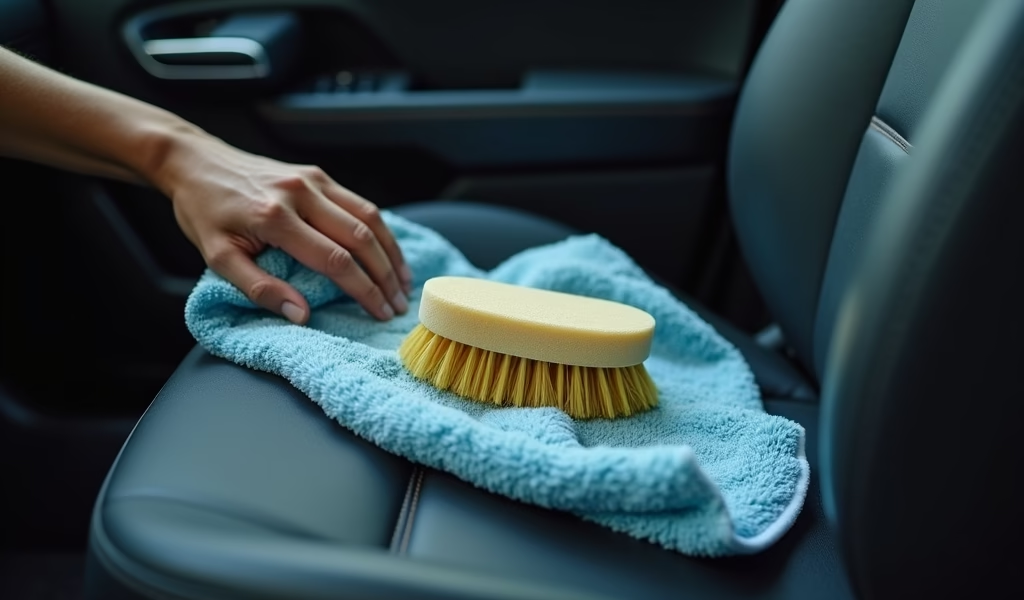
- Soft leather brush
If you prefer making your own cleaning solution (which I often recommend for fabric seats), here’s a simple recipe: Mix one cup of warm water with half a cup of white vinegar and a small squirt of dish soap. This mixture is effective for most fabric seats and won’t leave harmful residues behind.
For leather seats, I strongly advise investing in quality, specially formulated products. Leather requires specific pH-balanced cleaners and conditioners to avoid drying and cracking. Your owner’s manual often recommends suitable products for your particular upholstery.
One common mistake I see in my shop is people using household cleaners that contain bleach, ammonia, or alcohol on car upholstery. These harsh chemicals can damage fabrics, fade colors, and ruin leather. Stick with automotive-specific products or gentle homemade solutions for best results.
How to Clean Fabric Car Seats
Fabric seats are perhaps the most common upholstery type and require regular maintenance to prevent stains from setting permanently. Here’s my tried-and-true 5-step process for cleaning fabric car seats effectively:
Step 1: Remove Loose Debris
Begin by thoroughly vacuuming the entire seat surface. Use crevice tools to reach between seat cushions and backs where crumbs and debris accumulate. Don’t forget the seams and edges—these areas trap surprising amounts of dirt. A stiff brush can help loosen embedded particles before vacuuming.
Step 2: Test Your Cleaner
Before applying any cleaning solution to the entire seat, perform a spot test in an inconspicuous area. Apply a small amount of your chosen cleaner to a hidden section of the seat and wait 5-10 minutes. Check for any adverse reactions like color fading or fabric distortion. This simple precaution can prevent potentially costly damage.
Step 3: Apply Cleaning Solution
Once you’ve confirmed your cleaner is safe, lightly spray the fabric seats with your cleaning solution. Avoid oversaturating the fabric—you want it damp, not soaking wet. Working in sections of approximately 2 square feet makes the job more manageable. Start from the top of the seatback and work your way down to prevent dripping onto already cleaned areas.
Step 4: Scrub Gently
Using a fabric brush or clean microfiber cloth, work the cleaning solution into the fabric using circular motions. Apply gentle pressure to lift dirt without damaging the fibers. For stubborn areas, you might need to repeat the application and scrubbing process. Remember that patience is key—multiple gentle scrubs are better than one aggressive one that might damage the fabric.
Step 5: Extract and Dry
After scrubbing, use clean microfiber cloths to blot up as much moisture as possible. Press firmly without rubbing to absorb the dirty solution. If available, an upholstery extractor or wet/dry vacuum works wonders for removing moisture and dissolved dirt. Allow seats to dry completely before using the vehicle—ideally overnight with windows cracked slightly for ventilation.
For particularly grimy fabric seats, you might need to repeat these steps more than once. It’s always better to do multiple gentle cleanings than one harsh treatment that might damage the fabric’s integrity or color.
How to Clean Leather Car Seats
Leather seats add luxury to any vehicle but require special care to maintain their supple texture and prevent cracking. Follow these steps to keep your leather upholstery in prime condition:
Step 1: Initial Cleaning
Just like with fabric seats, begin by thoroughly vacuuming all surfaces to remove loose debris. Pay special attention to seams and piping where dirt accumulates. A soft brush attachment works best for leather to avoid scratching the surface.
Step 2: Gentle Cleansing
Apply a small amount of pH-balanced leather cleaner to a microfiber cloth—never directly onto the leather. Working in small sections, gently wipe the leather surface using circular motions. Avoid excessive pressure that could damage the finish. For perforated leather, take extra care not to saturate the tiny holes with cleaner.
Step 3: Address Problem Areas
For areas with visible stains or body oil buildup (typically on headrests and seat bolsters), you may need to apply a bit more cleaner and gentle pressure. A soft-bristled toothbrush can help with textured leather surfaces, but use it sparingly and with minimal pressure.
Step 4: Wipe Clean
After cleaning each section, use a separate clean, slightly damp microfiber cloth to remove any cleaner residue. Then follow immediately with a dry cloth to prevent moisture from lingering on the leather surface. Excess moisture is leather’s enemy and can lead to stretching or warping over time.
Step 5: Condition
Once the leather is clean and completely dry, apply a high-quality leather conditioner. This crucial step replaces natural oils and prevents the leather from drying and cracking. Apply conditioner sparingly with a clean microfiber cloth, working it gently into the leather. Allow it to absorb for the time specified on the product (usually 10-30 minutes), then buff with a clean cloth to remove any excess.
Leather care specialists recommend conditioning your seats every three months to maintain optimal suppleness and protection. If your vehicle is frequently exposed to direct sunlight, you might want to condition more often as UV rays can accelerate leather deterioration.
Remember that genuine leather is a natural material that needs to “breathe.” Avoid products containing silicone or petroleum distillates, as these can seal the leather surface and cause damage over time. Products specifically formulated for automotive leather are your best choice for professional-quality car detailing.
Tackling Stubborn Stains and Odors
Even with regular maintenance, accidents happen. Here’s how to deal with common tough stains and persistent odors:
Food and Beverage Stains
For coffee, soda, or food spills, begin by blotting up as much of the spill as possible. Don’t rub, as this spreads the stain. For fabric seats, mix one tablespoon of dish soap with two cups of cold water. Using a clean cloth, dab the solution onto the stain, working from the outside in. Blot with a dry cloth and repeat as necessary.
For leather, address spills immediately by blotting with a dry cloth. Follow up with a leather-specific cleaner applied to a cloth, not directly to the leather. Stubborn stains on leather may require a professional touch—attempting aggressive cleaning can damage the finish.
Ink and Dye Stains
Ink stains on fabric can sometimes be removed with rubbing alcohol. Apply a small amount to a cloth and gently dab at the stain. For leather, ink removal is tricky and best left to professionals. DIY attempts often make these stains worse by spreading the ink or damaging the leather finish.
Oil and Grease
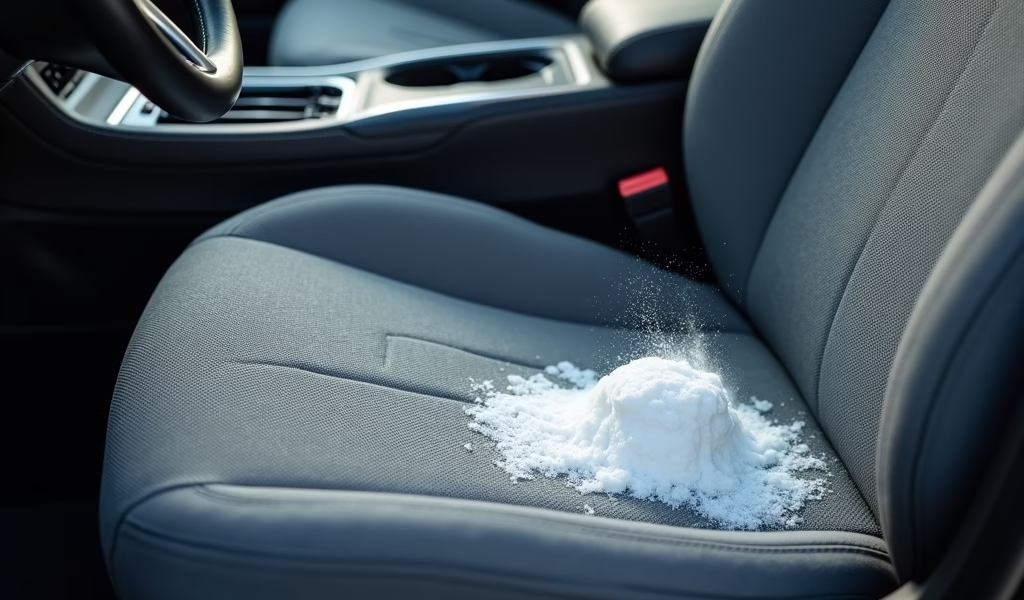
For fabric seats, sprinkle cornstarch or baking soda on fresh oil stains to absorb the oil. Let it sit for 15-20 minutes, then vacuum. Follow up with a fabric cleaner. For set-in oil stains, you may need a degreasing product specifically designed for auto upholstery.
On leather, blot immediately with a dry cloth, then clean with a leather cleaner. Avoid household degreasers which can strip leather’s natural oils.
Eliminating Odors
Persistent odors often penetrate beyond the surface. For fabric seats, baking soda works wonders—sprinkle liberally, let sit overnight, then vacuum thoroughly. For deep-set odors, consider using an enzymatic cleaner designed to break down organic matter causing the smell.
For leather seats, odor elimination starts with thorough cleaning using proper leather products. Commercial leather deodorizers are available, but ensure they’re compatible with automotive leather. Avoid air fresheners that merely mask odors temporarily—addressing the source is always more effective.
Remember that moisture trapped in seat padding often causes musty odors. After any wet cleaning process, ensure seats dry completely—use fans, dehumidifiers, or even a hair dryer on low heat (kept several inches away from upholstery) to expedite drying and prevent mold growth.
Preventive Measures to Keep Seats Clean
An ounce of prevention is worth a pound of cure—especially when it comes to maintaining your car’s interior. Here are practical strategies to minimize the need for deep cleaning:
Seat Covers and Protectors
Quality seat covers provide an excellent first line of defense, especially if you have children, pets, or an active lifestyle. Modern covers come in various materials and styles that can complement your interior while providing protection. Consider waterproof options for maximum spill protection.
For leather seats, UV protectant products help prevent sun damage and cracking. Apply these according to the manufacturer’s instructions, typically every 1-3 months depending on your climate and sun exposure.
Regular Maintenance Schedule
Establish a simple maintenance routine to prevent dirt buildup:
- Weekly: Quick vacuum of seat surfaces
- Monthly: Wipe down with appropriate cleaner for your upholstery type
- Quarterly: Deep clean and condition (especially for leather)
This proactive approach prevents dirt from becoming embedded and makes each cleaning session quicker and more effective.
Immediate Spill Response
Keep a small “emergency kit” in your car for immediate spill response. Include microfiber cloths, stain removal wipes appropriate for your upholstery, and paper towels. Addressing spills immediately before they set can prevent permanent staining.
For fabric seats, consider applying a fabric protectant spray after deep cleaning. These products create an invisible barrier that repels liquids and prevents stains from setting deeply into fibers. Reapply after each deep cleaning for continued protection.
Simple lifestyle adjustments can also make a difference. Consider implementing a “no eating in the car” policy or designate specific containers for drinks to minimize spill risks. Place mats at entry points to catch dirt from shoes before it reaches your seats.
Conclusion
Mastering the best way to clean car seats doesn’t require professional training—just the right knowledge, tools, and a bit of elbow grease. By following this 5-step guide, you can transform grimy, stained seats into clean, fresh-smelling upholstery that enhances your driving experience and preserves your vehicle’s value.
Remember that consistency is key. Regular light maintenance prevents the need for intensive cleaning sessions and extends the life of your upholstery. Whether you have fabric or leather seats, the principles remain the same: remove debris, clean gently with appropriate products, address specific stains promptly, and protect the material from future damage.
Your car’s interior is where you spend countless hours—make it a space you enjoy being in. Clean seats not only look and smell better but also create a healthier environment for you and your passengers. With these techniques in your maintenance arsenal, you’ll be well-equipped to handle whatever messes come your way.
Now, put this knowledge into action. Set aside a few hours this weekend to give your car seats the attention they deserve. Your future self will thank you every time you slide into your clean, fresh-smelling vehicle!
Frequently Asked Questions
How often should I clean my car seats?
For regular maintenance, vacuum weekly and wipe down monthly. Deep clean fabric seats every 3-4 months and leather seats every 2-3 months, with more frequent cleaning for heavily used vehicles.
Can I use household cleaners on my car seats?
Most household cleaners are too harsh for automotive upholstery. Stick to automotive-specific products or gentle DIY solutions like diluted vinegar and dish soap for fabric seats.
How do I remove pet hair from car seats?
Use a rubber glove, pet hair removal brush, or a pumice stone to gather hair before vacuuming. For stubborn pet hair, lightly mist seats with water and use a squeegee to collect the hair.
What’s the fastest way to dry car seats after cleaning?
Use a wet/dry vacuum to extract moisture, then increase air circulation with fans or by driving with windows slightly open. Avoid heat sources which can damage upholstery or set stains.
Can I steam clean my car seats?
Steam cleaning works well for fabric seats but should be avoided on leather. When steam cleaning fabric, use low moisture settings and ensure complete drying to prevent mold growth.