

Overview
Forget fighting with mystery stains that your kids “know nothing about” – this guide shares five professional detailing hacks for cleaning car seats like a pro: proper vacuuming techniques, steam cleaning magic, effective DIY solutions, targeted stain removal methods, and preventative maintenance strategies. The article emphasizes understanding your seat material (cloth, leather, or synthetic), using the right cleaning approach for each, and establishing regular maintenance habits to extend your car interior’s life and value.
Table of Contents
- Introduction
- Understanding Car Seat Materials
- Hack #1: Vacuum Like a Pro
- Hack #2: Steam Cleaning Magic
- Hack #3: DIY Cleaning Solutions
- Hack #4: Stain Removal Techniques
- Hack #5: Protection and Maintenance
- Conclusion
- Frequently Asked Questions
Introduction
Let’s face it—our car seats see a lot of action. Coffee spills on the morning commute, muddy paws from our furry friends, and those mysterious stains your kids swear they know nothing about. Having a clean car seat isn’t just about appearances; it’s about extending the life of your vehicle’s interior and creating a healthier environment for everyone who rides with you.
After 15 years in automotive detailing, I’ve learned that keeping car seats clean doesn’t have to be a dreaded chore or an expensive service. With the right techniques and a bit of elbow grease, you can restore those seats to their former glory right in your own driveway. In this guide, I’ll share five professional-grade hacks that deliver real results for a clean car seat without breaking the bank or your back.
Whether you’re dealing with cloth, leather, or synthetic upholstery, these tried-and-true methods will tackle everything from surface dust to stubborn stains. Let’s transform those tired seats into spotless showpieces that make every drive more enjoyable.
Understanding Car Seat Materials
Before diving into our cleaning hacks, it’s crucial to understand what you’re working with. Different seat materials require different approaches, and using the wrong products can cause damage that’s difficult or impossible to reverse.
Cloth seats are probably the most common and generally the most forgiving. They’re absorbent, which makes them comfortable in various temperatures, but that same quality means they soak up spills and hold onto odors. The good news? They can handle more aggressive cleaning methods than other materials.
Leather seats add a touch of luxury but demand more careful attention. Genuine leather is skin—it needs to breathe, stay moisturized, and be protected from harsh chemicals and excessive moisture. Proper car interior cleaning for leather involves gentle cleaners followed by conditioning to prevent cracking and fading.
Vinyl and leatherette (faux leather) are increasingly popular in modern vehicles. These synthetic materials resist staining better than cloth and don’t require the careful conditioning that leather does. However, they can crack if exposed to harsh chemicals or extreme temperature fluctuations.
Alcantara and suede are premium materials that feel fantastic but require specialized cleaning approaches. These delicate surfaces can be permanently damaged by standard cleaning methods, so always check your owner’s manual before attempting to clean them.
Always check your vehicle’s manual for specific recommendations, and when in doubt, test any new cleaning product on a small, inconspicuous area first. This simple precaution can save you from turning a minor cleanup into a major repair.
Hack #1: Vacuum Like a Pro
Vacuuming might seem basic, but there’s an art to doing it effectively. I’ve seen countless DIY detailers rush through this step only to struggle with deeper cleaning later. A thorough vacuum is the foundation of any successful car seat cleaning project.
Start with the right equipment. While your household vacuum might work in a pinch, a shop vac or dedicated car vacuum with various attachments will make a world of difference. Look for one with strong suction and crevice tools that can reach between seat cushions and along seams.
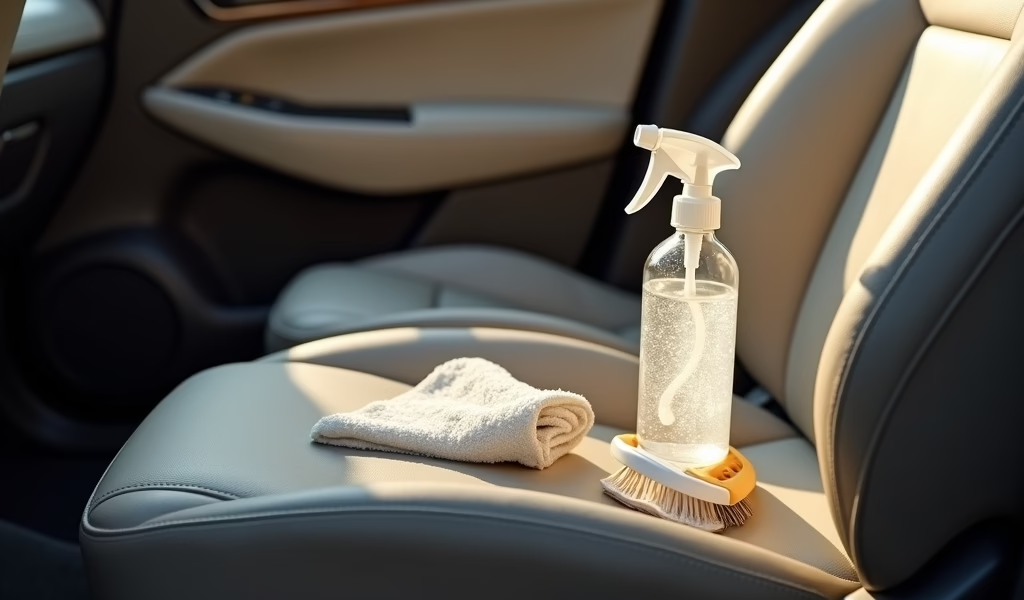
Before vacuuming, remove all car seat covers, child seats, and loose items. Use a stiff brush to loosen embedded dirt and pet hair—this simple step dramatically improves your vacuum’s effectiveness. Brush in different directions to dislodge particles that have settled deep into the fabric.
Here’s my professional sequence for maximum dirt removal:
- Use the upholstery attachment for large, flat surfaces
- Switch to the crevice tool for seams, edges, and between cushions
- For stubborn debris, gently tap the seat while vacuuming to help dislodge particles
- Don’t forget the seat rails and mechanisms underneath, which collect surprising amounts of debris
For pet hair that refuses to budge, try this mechanic’s hack: put on a slightly dampened rubber glove and run your hand across the seat. The friction creates static electricity that lifts hair from the fabric, making it easier to vacuum. Research confirms this method is more effective than many commercial pet hair removers.
Remember to vacuum thoroughly before applying any wet cleaning methods. Wet dirt becomes mud, which can make stains worse and more difficult to remove. This preparation step might seem time-consuming, but it significantly improves your results with every subsequent cleaning hack.
Hack #2: Steam Cleaning Magic
Steam cleaning represents the perfect intersection of efficiency and gentleness. It’s my go-to method for a deep clean car seat without harsh chemicals. The hot vapor penetrates fabric fibers to lift dirt, kill bacteria, and eliminate odors—all without soaking your upholstery.
You don’t need professional equipment to achieve great results. Affordable handheld fabric steamers are available for under $50, and many home carpet cleaners include upholstery attachments. The key is using equipment that produces hot, dry steam rather than excessive moisture.
For cloth seats, start with the steamer about 6 inches from the surface, then gradually move closer while observing how the fabric reacts. Move the steamer in slow, overlapping strokes, working from top to bottom. After each section, immediately wipe with a microfiber cloth to collect the loosened dirt before it resettles.
Leather seats can benefit from steam as well, but with important modifications. Keep the steamer farther away (about 8-10 inches), use brief bursts rather than continuous steam, and be absolutely certain to follow with leather conditioner once the seats are completely dry. According to leather care experts, careful steam cleaning can rejuvenate leather without damage.
For stubborn stains, try this technique:
- Hold the steamer over the stain for 10-15 seconds (less for leather)
- Blot immediately with a clean microfiber cloth
- Repeat 2-3 times if necessary
- For persistent stains, apply a small amount of appropriate cleaner between steam treatments
The beauty of steam cleaning is that it sanitizes as it cleans. Laboratory studies show properly applied steam kills 99.9% of common bacteria and dust mites—a significant benefit for allergy sufferers. This makes it particularly valuable for family vehicles and cars used for ride-sharing services.
A word of caution: never steam suede, Alcantara, or perforated leather without consulting a professional. These materials can be permanently damaged by direct steam application. Always test in an inconspicuous spot first, no matter what material you’re cleaning.
Hack #3: DIY Cleaning Solutions
Commercial cleaning products certainly have their place, but some of the most effective solutions can be made right in your kitchen for a fraction of the price. As a detailing professional, I’ve tested countless formulations and narrowed down the most effective DIY options for different materials and stains.
For cloth seats, this all-purpose cleaner works wonders:
- 1 cup warm water
- 1/4 cup white vinegar
- 1 tablespoon dish soap (free of bleach, lanolin, and colors)
- 1 tablespoon baking soda
Mix these ingredients in a spray bottle, shake gently to combine, and apply lightly to the fabric. The vinegar and baking soda provide cleaning power and odor elimination, while the dish soap tackles grease and oils. This solution is particularly effective on food stains and general grime.
For leather seats, commercial cleaners are often best, but in a pinch, this gentle formula works well:
- 1 part white vinegar
- 2 parts linseed oil
Apply sparingly with a soft cloth, working in small sections. The vinegar cleans while the oil conditions—a critical step for leather maintenance. This combination has been used by furniture restorers for generations with excellent results.
Tackling specific problems requires targeted solutions. For example, club soda works surprisingly well on fresh coffee or soda spills due to its carbonation and slightly acidic pH. For ink stains, a small amount of rubbing alcohol on a cotton swab can work miracles, though you must test it first on an inconspicuous area.
The most important rule with any cleaning solution: don’t oversaturate your seats. Excess moisture can penetrate to the foam beneath, creating a perfect environment for mold and mildew. Apply solutions sparingly, working in small sections, and always extract moisture thoroughly.
After applying any DIY solution, “rinse” by wiping with a clean, damp microfiber cloth to remove residue. Detailing professionals know that leftover cleaning products can actually attract dirt if not properly removed. This extra step makes a significant difference in how long your seats stay clean after treatment.
Hack #4: Stain Removal Techniques
Even the most careful drivers eventually face challenging stains. The key to successful stain removal isn’t just what product you use, but how and when you apply it. Timing matters tremendously—fresh stains are always easier to remove than set-in ones.
For blood stains (from minor cuts or nosebleeds), always use cold water. Hot water sets protein-based stains permanently by cooking the proteins. Apply cold water with a clean cloth, then blot (don’t rub) with a mixture of cold water and salt. The salt works as a gentle abrasive to lift the stain without damaging fibers.
Grease and oil stains—whether from food, makeup, or mechanical sources—require a different approach. Start by blotting up excess oil with paper towels. Then apply cornstarch or baby powder liberally to the stain and let it sit for 15-30 minutes. These powders absorb oil before you’ve even started “cleaning.” Once the powder has done its work, vacuum it away and treat any remaining stain with your cloth cleaner.
For those mysterious unknown stains that appear over time, try this progressive approach:
- Start with the mildest cleaning method (steam or gentle all-purpose cleaner)
- If that doesn’t work, try a specialized upholstery cleaner
- For persistent stains, a carefully applied enzyme cleaner can break down organic matter
- As a last resort, consider a color-safe oxygen bleach product for light-colored seats
The extraction method makes a huge difference in stain removal success. Professional car detailing step by step processes always include thorough extraction to prevent resoiling. Without a commercial extractor, you can approximate this by pressing a clean, dry microfiber towel firmly against the damp area, using a rolling motion to draw moisture upward.
For truly stubborn stains on cloth seats, try this mechanic’s trick: place a clean, white cotton towel over the stain, then press with a warm iron on a low steam setting. The combination of heat and pressure transfers many stains from the upholstery to the towel. This works particularly well for oil-based stains that have penetrated deeply into the fabric, according to professional cleaning experts.
Remember that some stains, particularly those from permanent markers or certain dyes, may never completely disappear. In these cases, strategic placement of seat covers might be your best solution.
Hack #5: Protection and Maintenance
The most efficient way to clean car seats is to prevent them from getting dirty in the first place. Professional detailers know that regular maintenance and protective treatments can save hours of deep cleaning later on.
For fabric seats, apply a quality fabric protector after thorough cleaning. These products create an invisible barrier that repels liquids and prevents stains from setting. Look for water-based formulations with UV protection to prevent fading. Apply in thin, even coats, allowing full drying time between applications.
Leather seats require regular conditioning to prevent drying and cracking. Even if your seats look clean, the natural oils in leather evaporate over time, especially when exposed to heat and sunlight. Apply a pH-balanced leather conditioner every 2-3 months, working it gently into the surface with a microfiber applicator.
Develop these preventative habits to minimize future cleaning needs:
- Keep a small trash container in your car to reduce food wrapper and receipt clutter
- Store cleaning wipes in your glove compartment for immediate spill response
- Use seat covers during high-risk activities (like sports transport or beach trips)
- Install window shades or tint to reduce UV damage and fading
- Vacuum seats briefly every 2-3 weeks to prevent dirt buildup
For vehicles with children or pets, consider investing in waterproof seat covers that can be easily removed and machine washed. Modern options are far more attractive and comfortable than the plastic-feeling covers of years past. These can be particularly valuable during messy life phases, then removed once the high-risk period passes.
Many professional detailers recommend creating a simple “quick clean” kit to keep in your trunk. Include a small handheld vacuum, microfiber towels, a stain remover pen, and a soft-bristle brush. Having these tools readily available means you can address small messes before they become set-in problems.
Remember that the best maintenance routine is one you’ll actually follow. Even a quick wipe-down with a damp microfiber cloth once a week can significantly extend the time between deep cleanings and preserve your car’s interior condition.
Conclusion
A clean car seat does more than just improve appearances—it extends the life of your vehicle’s interior, maintains resale value, and creates a healthier environment for everyone who rides with you. By incorporating these five professional hacks into your vehicle maintenance routine, you can achieve impressive results without expensive equipment or commercial services.
Start with thorough vacuuming to remove loose debris, then progress to steam cleaning for sanitizing power. Use targeted DIY cleaning solutions appropriate for your seat material, and tackle stains with specific techniques suited to each type of spot. Finally, protect your freshly cleaned seats with appropriate barriers and establish regular maintenance habits.
Remember that consistency trumps intensity when it comes to car care. Brief, regular cleaning sessions will keep your seats looking their best with minimal effort. Your car is likely one of your largest investments—giving its interior the care it deserves not only makes every drive more pleasant but also preserves its value for years to come.
Next time someone compliments your car’s spotless interior, you can smile knowing you achieved professional-quality results using these proven hacks. Happy detailing!
Frequently Asked Questions
How often should I deep clean my car seats?
Deep clean cloth seats every 3-4 months and leather seats every 6 months under normal use. Increase frequency if you have children, pets, or regularly eat in your vehicle.
Can I use household furniture cleaners on my car seats?
Avoid furniture cleaners as they often contain oils and waxes that can damage automotive upholstery. Stick to products specifically formulated for automotive interiors.
How do I remove bad odors from car seats?
Sprinkle baking soda liberally across seats, let sit overnight, then vacuum thoroughly. For persistent odors, an enzyme cleaner specifically designed for automotive use can break down odor-causing organic matter.
Is it safe to use a pressure washer on car seats?
Never use pressure washers on car seats as the force can damage upholstery and force water into electrical components beneath. Stick to gentle steam cleaners or extractors designed for upholstery.
How can I prevent my leather seats from cracking?
Apply a quality leather conditioner every 2-3 months, park in shaded areas when possible, and use window shades to block UV rays. Regular conditioning maintains the leather’s natural oils and flexibility.