

Overview
Who knew that driving around with windows dirtier than a politician’s promises could reduce visibility by 30% and potentially lead to accidents? This article provides a detailed guide on achieving streak-free car windows using proper cleaning techniques, specialized tools, and preventative maintenance—covering everything from tackling stubborn issues like water spots and tree sap to applying glass sealants that make future cleaning easier.
Table of Contents
- Why Clean Windows Matter for Safe Driving
- Essential Supplies You’ll Need
- Cleaning the Exterior Windows: Step-by-Step
- Tackling the Interior Glass: Streak-Free Methods
- Dealing with Stubborn Issues: Water Spots, Tree Sap, and More
- Preventative Care and Maintenance
- Conclusion
- Frequently Asked Questions
Have you ever pulled out of your driveway only to be blinded by glare streaking across your windshield? Or perhaps you’ve noticed smudges and fingerprints obscuring your view while driving at night? Crystal clear car windows aren’t just about aesthetics—they’re essential for your safety on the road. In fact, dirty windows can reduce visibility by up to 30% in certain conditions, creating potentially dangerous driving situations.
After 15 years working as an automotive detailing specialist, I’ve seen firsthand how proper window cleaning can transform both driving safety and the overall appearance of a vehicle. The good news? You don’t need expensive products or professional help to achieve showroom-quality glass. With the right technique and a few simple supplies, you can restore perfect clarity to every window in your vehicle.
In this comprehensive guide, we’ll cover everything from choosing the right cleaning solutions to tackling those stubborn issues that seem impossible to remove. Ready to eliminate streaks forever and enjoy the clearest view possible from your driver’s seat? Let’s dive in.
Why Clean Windows Matter for Safe Driving
When was the last time you really looked at your car windows? Not just a passing glance, but a careful inspection? Most drivers don’t realize that even slightly dirty windows can significantly impact driving safety. According to a study by the National Highway Traffic Safety Administration, poor visibility contributes to thousands of accidents annually.
Dirty windows create several dangerous conditions. First, they scatter light rather than allowing it to pass through clearly, causing glare during sunrise, sunset, or when facing oncoming headlights. This momentary blindness can be the difference between spotting a hazard and missing it entirely.
Beyond safety, clean windows are crucial for the longevity of your glass. Contaminants like hard water minerals, tree sap, and bird droppings can actually etch into glass over time, causing permanent damage that no amount of cleaning will fix later. Have you noticed how much clearer your perception becomes when driving with perfectly clean glass? It’s not just your imagination—it’s a measurable improvement in visibility that enhances your overall car maintenance and driving experience.
Clean windows also improve your vehicle’s appearance dramatically. You might spend hours washing and waxing the paint, but neglected, streaky windows will undermine all that hard work. Isn’t it worth spending an extra 15-20 minutes to complete the job properly?
Essential Supplies You’ll Need
Before tackling your car’s windows, gathering the right tools will make all the difference between frustrating, streaky results and professional-quality clarity. Have you ever wondered why your windows still look streaky despite your best efforts? The answer often lies in the supplies you’re using.
Here’s what you’ll need for truly spotless results:
- Microfiber cloths (at least 3-4) – These are absolutely non-negotiable for streak-free results
- A quality glass cleaner (ammonia-free to protect tints and trim)
- Distilled water (tap water contains minerals that leave residue)
- Isopropyl alcohol (70-91%) for tackling oily residues
- White vinegar (for stubborn water spots)
- Clay bar (optional, for extremely contaminated exterior glass)
- Extendable handle cleaner (for reaching the interior of the windshield)
The quality of your microfiber cloths makes a significant difference. Low-quality cloths can leave lint and fail to pick up all residue. Invest in premium, 300+ GSM (grams per square meter) microfiber cloths specifically designed for glass cleaning. Your future self will thank you when you see those perfectly clear results.
Regarding glass cleaners, have you considered moving away from typical blue window cleaners? Many professional detailers actually prefer a 50/50 mix of isopropyl alcohol and distilled water in a spray bottle. This simple, homemade solution evaporates quickly and cuts through oils that cause streaking better than many commercial products. It’s also far more economical when you’re regularly cleaning your car interior including the windows.
Cleaning the Exterior Windows: Step-by-Step
Exterior windows collect road grime, bugs, tar, and environmental contaminants that require a different approach than interior glass. Have you noticed how much more challenging it is to get truly clean exterior glass? There’s a reason for that—and a solution.
For best results, always clean your windows last in your exterior washing process, after you’ve washed and dried the vehicle’s body. This prevents dirt from other areas of the car splashing onto your freshly cleaned windows.
Follow this proven process for exterior window perfection:
- Start with a thorough rinse to remove loose dirt and debris
- For heavily contaminated glass, consider clay barring first (this removes embedded contaminants that regular cleaning can’t touch)
- Work in the shade with cool glass—hot glass causes cleaners to evaporate too quickly, leading to streaks
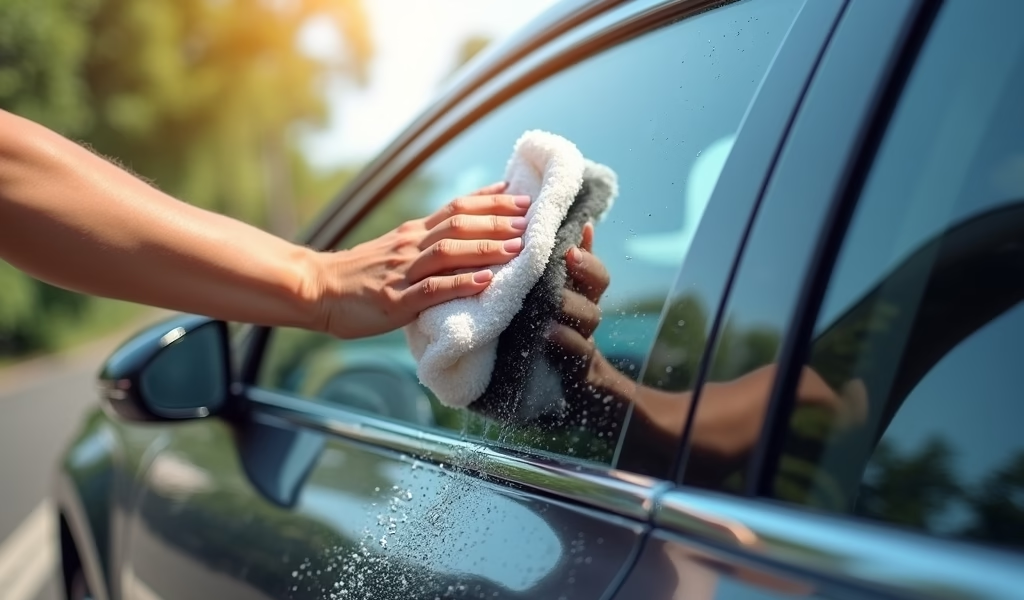
- Spray cleaner onto your microfiber cloth rather than directly on the glass to prevent cleaner from seeping into moldings
- Clean using overlapping horizontal strokes, then switch to vertical strokes for the final wipe
- Pay special attention to the edges where dirt accumulates
One pro technique that makes a dramatic difference: after your initial cleaning, inspect the glass by looking at it from multiple angles. See those missed spots? They’re almost always at the edges where the glass meets the trim. Take an extra 30 seconds per window to focus specifically on these areas.
For those stubborn bug splats that seem impossible to remove, try this: soak a microfiber cloth in warm water, place it over the affected area for 30-60 seconds, then wipe away. The moisture softens the dried protein, making removal much easier. For particularly stubborn bugs, a small amount of automotive clay bar with lubricant will safely remove them without scratching.
Have you considered the seasonal challenges your windows face? In winter, road salt creates a film that requires more thorough cleaning, while summer brings increased bug activity and tree sap. Adjusting your cleaning routine seasonally can help address these specific challenges.
Tackling the Interior Glass: Streak-Free Methods
Interior windows present unique challenges that differ from exterior glass. Have you ever wondered why your interior windows seem to get foggy or greasy so quickly? The culprit is typically a combination of off-gassing from dashboard materials, human oils from fingerprints, and microscopic particles from your vehicle’s HVAC system.
The biggest challenge with interior glass—particularly the windshield—is simply reaching it all. Here’s a systematic approach that works:
- Recline the front seats to create better access to the windshield
- Use a long-handled microfiber tool for reaching the lower portions of the windshield
- Clean in sections, working from top to bottom
- For heavy interior film, start with a 50/50 solution of isopropyl alcohol and distilled water
- Follow with a standard glass cleaner for a final polish
- Use separate microfiber cloths for cleaning and final buffing
A critical technique often overlooked: change your perspective regularly while cleaning. Interior glass often looks clean until sunlight or headlights hit it at just the right angle, revealing missed spots and streaks. After your initial cleaning, examine the glass from multiple angles to catch areas you might have missed.
Did you know that your breath can actually be a tool for spotting missed areas? Breathing on the glass creates condensation that highlights any remaining oils or residues. This simple technique helps ensure you haven’t missed any spots.
For those with tinted windows, special care is required. Never use ammonia-based products, as they can damage the tint film. Stick with products specifically labeled as safe for tinted windows, or use the isopropyl alcohol/distilled water mixture, which is gentle on tints while still cutting through oils effectively.
Addressing fogging issues before they happen also improves visibility. Consider applying an anti-fog treatment to interior glass, which creates a hydrophilic surface that prevents condensation from forming in the first place. This is particularly valuable during rainy or cold seasons when interior fogging is most problematic.
Dealing with Stubborn Issues: Water Spots, Tree Sap, and More
Even with regular cleaning, certain stubborn problems can plague your car’s windows. Have you ever noticed those white, chalky spots that won’t come off with regular cleaning? Or perhaps you’ve parked under a tree only to find sticky sap that seems permanently bonded to your glass?
These issues require specialized approaches:
- Water Spots: These mineral deposits come from hard water that’s evaporated on your glass. Create a solution of equal parts white vinegar and distilled water, apply to the affected area, and let sit for 2-3 minutes before wiping clean.
- Tree Sap: Apply a small amount of hand sanitizer (due to its high alcohol content) to a microfiber cloth and gently work it into the sap. The alcohol breaks down the sticky residue without damaging the glass.
- Road Tar: Use a dedicated tar remover or a small amount of WD-40 applied to a microfiber cloth. Work in small circular motions, then clean thoroughly with your regular glass cleaner.
- Cigarette Film: This stubborn yellowish residue requires stronger methods. Create a paste using baking soda and water, apply it to the glass, and gently work it in with a damp cloth before rinsing thoroughly.
For extremely stubborn mineral deposits that have etched into the glass over time, you might need to consider glass polish. Products like CarPro Ceriglass can safely remove light etching when applied with a dedicated glass polishing pad. This should be considered a last resort, but it can restore glass that otherwise seems permanently damaged.
When dealing with any stubborn contaminant, remember the golden rule: patience over pressure. It’s better to repeat a gentle cleaning process several times than to risk scratching your glass with excessive force or abrasive materials. Glass is surprisingly vulnerable to microscopic scratching, which can create permanent visibility issues.
Did you know that prevention is actually the most effective solution for these stubborn problems? After achieving clean glass, consider applying a quality glass sealant. These products create a hydrophobic barrier that causes water to bead and roll off, preventing those difficult water spots from forming in the first place. They also make future cleaning easier, as contaminants can’t bond as strongly to the protected surface.
Preventative Care and Maintenance
What if I told you that maintaining clean car windows requires far less effort than deep cleaning neglected ones? Implementing a few preventative measures can dramatically reduce how often you need to perform major cleanings. Wouldn’t it be nice to spend less time cleaning and more time enjoying those crystal-clear windows?
Here are the preventative measures the pros rely on:
- Apply a quality glass sealant every 3-4 months (products like Rain-X or Gtechniq G1)
- Keep a pack of glass-specific cleaning wipes in your glove compartment for quick spot cleaning
- Address new contaminants (like bird droppings or tree sap) immediately before they can bond or etch the glass
- Replace windshield wipers every 6-12 months to prevent rubber deterioration that can scratch glass
- Use only clean microfiber cloths when touching glass surfaces—even a slightly dirty cloth can introduce scratches
Glass sealants deserve special attention in your maintenance routine. These remarkable products create a hydrophobic (water-repelling) surface that causes rain to bead up and roll away, often eliminating the need for wipers during light rain. Beyond the safety benefits, this hydrophobic effect prevents mineral deposits from forming and makes regular cleaning significantly easier.
Did you know that proper ventilation habits can significantly reduce interior window fogging and film buildup? Regularly using your vehicle’s fresh air setting (rather than recirculation) for at least part of your drive helps prevent humidity buildup that contributes to foggy windows. Similarly, cracking windows slightly when parking a hot car allows heat and humidity to escape rather than condensing on your interior glass.
For those living in areas with frequent rain, consider treating not just your windshield but all exterior glass with a rain repellent. This comprehensive approach improves visibility from all angles during inclement weather, enhancing overall driving safety. When detailing your car step by step, always make glass treatment part of your regular maintenance routine.
One often overlooked aspect of window care is your windshield washer fluid. Standard blue washer fluid often contains minimal cleaning agents. Consider upgrading to a premium washer fluid with water repellent properties and superior cleaning ability. These specialized fluids can maintain your glass clarity between regular cleanings and even apply water-repelling properties with each use.
Conclusion
Crystal clear car windows are far more than just an aesthetic detail—they’re a crucial safety feature that enhances your driving experience every time you get behind the wheel. Throughout this guide, we’ve explored professional techniques that transform cloudy, streaky glass into perfectly transparent surfaces that seem to disappear as you look through them.
Remember that consistency is key. A quick five-minute touch-up every week will prevent the need for hour-long deep cleaning sessions. By incorporating these proven cleaning methods and preventative measures into your regular car care routine, you’ll enjoy better visibility, improved safety, and a more enjoyable driving experience year-round.
The next time you’re driving into the sunset without squinting through smudges and streaks, or navigating a rainstorm with water beading beautifully off your treated glass, you’ll be glad you took the time to master these techniques. After all, the clearest view of the road ahead comes through perfectly maintained windows.
What small step will you take today to improve your car window clarity? Perhaps it’s time to refresh those microfiber cloths, pick up a quality glass sealant, or schedule fifteen minutes this weekend for a proper cleaning. Your future self—driving safely with perfect visibility—will thank you.
Frequently Asked Questions
How often should I clean my car windows?
Exterior windows should be cleaned every 1-2 weeks, while interior windows typically need cleaning every 2-4 weeks. Adjust frequency based on your driving conditions, climate, and parking situation.
Can I use household glass cleaner on car windows?
Household glass cleaners often contain ammonia that can damage window tint and interior components. Use automotive-specific glass cleaners or make your own with isopropyl alcohol and distilled water.
Why do my windows always streak no matter what I try?
Streaking usually results from using the wrong cloths, cleaning in direct sunlight, or residue from previous products. Switch to premium microfiber cloths, clean in the shade, and ensure you’re removing all cleaning solution.
How do I clean the inside of the windshield without straining?
Recline the passenger seat all the way back and lean across it, or use an extendable windshield cleaning tool with a microfiber bonnet. Work in sections from the top down for better access.
Is newspaper good for cleaning car windows?
While older newspapers worked well due to their ink composition, modern newspapers can leave residue and aren’t as effective. Microfiber cloths provide superior results without the ink transfer risk.