
Overview
Who knew your car could be as spotless as your ex’s memory of your anniversary dates? This article presents seven practical car cleaning hacks including the two-bucket washing method, DIY dashboard cleaner, detailing clay for paint perfection, and headlight restoration techniques, all designed to help maintain your vehicle’s appearance and value without professional equipment or breaking the bank.
Table of Contents
- Introduction
- Two-Bucket Washing Method
- Magic Eraser for Interior Surfaces
- Homemade Dashboard Cleaner and Protectant
- Compressed Air for Hard-to-Reach Spots
- Detailing Clay for Paint Perfection
- Cup Holder and Small Space Cleaning Tricks
- Headlight Restoration Using Household Items
- Maintaining Your Clean Car
- Conclusion
- Frequently Asked Questions
Introduction
There’s something truly special about driving a clean car. It’s not just about making a good impression—a well-maintained vehicle protects your investment, extends your car’s life, and simply makes every drive more enjoyable. As someone who’s spent years under the hood and detailing vehicles, I’ve gathered some easy car cleaning tips that don’t require professional equipment or a mechanic’s expertise.
Whether you’re preparing for a special occasion or just want to restore that showroom shine, these seven proven hacks will transform your car from grimy to gleaming. The best part? Most of these techniques use items you already have around the house, saving you both time and money compared to professional detailing services.
Let’s roll up our sleeves and dive into these game-changing car cleaning techniques that will have your ride looking its best in no time.
Two-Bucket Washing Method
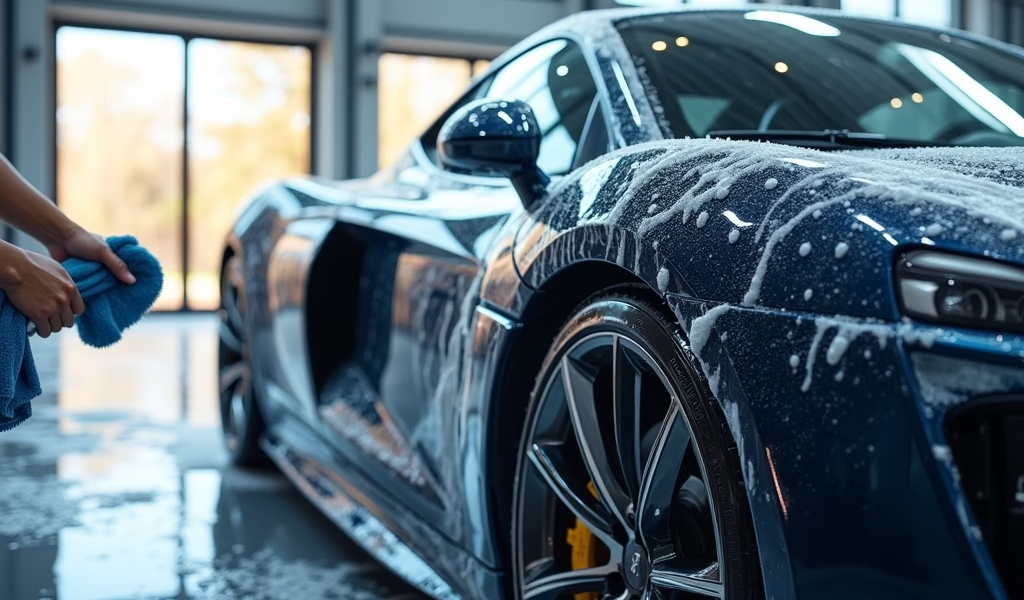
The two-bucket method is something professional detailers swear by, and for good reason. This simple approach prevents you from rubbing dirt particles back onto your paint, which causes those swirl marks everyone hates. Think of it as the difference between actually cleaning your car versus just moving dirt around.
What you’ll need:
- Two buckets (one for soapy water, one for rinsing)
- Car wash soap (never use dish soap as it strips wax protection)
- Microfiber wash mitt
- Grit guards for each bucket (optional but highly recommended)
- Microfiber drying towels
The process:
- Fill your first bucket with water and car wash soap
- Fill your second bucket with clean water only
- Rinse your car thoroughly to remove loose dirt
- Dip your wash mitt in the soapy water and clean one panel at a time
- Before going back for more soap, rinse your mitt in the clean water bucket
- Continue this process, working from top to bottom
This method is particularly effective because dirt settles at the bottom of your rinse bucket instead of being transferred back to your car. Consumer Reports recommends washing your vehicle every two weeks to prevent contaminants from bonding to your paint. Using the two-bucket approach during each wash will help maintain your finish for years to come.
Magic Eraser for Interior Surfaces
Magic Erasers have earned their name for a reason—they work like magic on stubborn interior stains. These melamine foam wonders can tackle spots that regular cleaners can’t touch, but they must be used correctly to avoid damaging surfaces.
Best surfaces for Magic Erasers:
- Vinyl dashboards and door panels
- Hard plastic trim pieces
- Leather seats (use with extreme caution and minimal moisture)
- Fabric upholstery for spot treatment
Proper technique:
- Slightly dampen the eraser (not soaking wet)
- Always test on an inconspicuous area first
- Use gentle pressure—Magic Erasers work through mild abrasion
- Pat dry with a microfiber towel
Remember that Magic Erasers are essentially ultra-fine sandpaper, so a light touch prevents damage to delicate surfaces. For leather surfaces in particular, follow up with a leather conditioner to replace any natural oils that might be removed during cleaning.
I’ve seen these erasers remove coffee stains, pen marks, and even the mysterious sticky spots left by kids that have defied all other cleaning attempts. Just be sure to keep them away from any screens or piano black trim, as these surfaces scratch easily.
Homemade Dashboard Cleaner and Protectant
Store-bought dashboard protectants can cost a small fortune, but this homemade solution works just as well for a fraction of the price. The natural ingredients not only clean but also condition and protect your interior surfaces from UV damage.
Simple recipe:
- 2 parts olive oil or mineral oil
- 1 part white vinegar
- A few drops of lemon essential oil (optional for scent)
- Small spray bottle
Application:
- Mix ingredients in your spray bottle
- Shake well before each use
- Spray onto a microfiber cloth, never directly onto surfaces
- Wipe dashboards, door panels, and vinyl/plastic trim
- Buff with a clean microfiber cloth for a non-greasy finish
This DIY mixture costs roughly $1-2 per bottle compared to $8-12 for commercial products. The oil conditions and provides UV protection, while the vinegar cuts through grime and residue. I’ve been using this formula for years on my own vehicles, and the results speak for themselves.
For those who spend lots of time in their cars, this mixture is perfect for weekly maintenance. Your interior will look fresh and cared for, and you’ll avoid that dry, cracked appearance that happens with neglected dashboards. As automotive experts suggest, regular interior maintenance prevents permanent damage from sun exposure and daily use.
Compressed Air for Hard-to-Reach Spots
Those tiny crevices in your car seem designed specifically to collect dust and small debris. Air vents, button surrounds, and seat tracks are particularly challenging to clean with traditional tools. This is where compressed air becomes your secret weapon.
Tools for the job:
- Canned compressed air (affordable and portable)
- Air compressor with blower attachment (more powerful option)
Target these trouble spots:
- Air conditioning vents
- Around buttons and controls
- Speaker grilles
- Seat tracks and mechanisms
- Door jambs and window channels
When using canned air, work in short bursts rather than continuous streams to prevent moisture issues from the rapid cooling effect. I recommend doing this step before vacuuming so you can capture all the dislodged dust and dirt.
For an extra professional touch, follow up with a small detailing brush to remove any stubborn particles that remain after blowing. This combination approach ensures you’ll reach dirt that’s been accumulating since you bought your car.
Detailing Clay for Paint Perfection
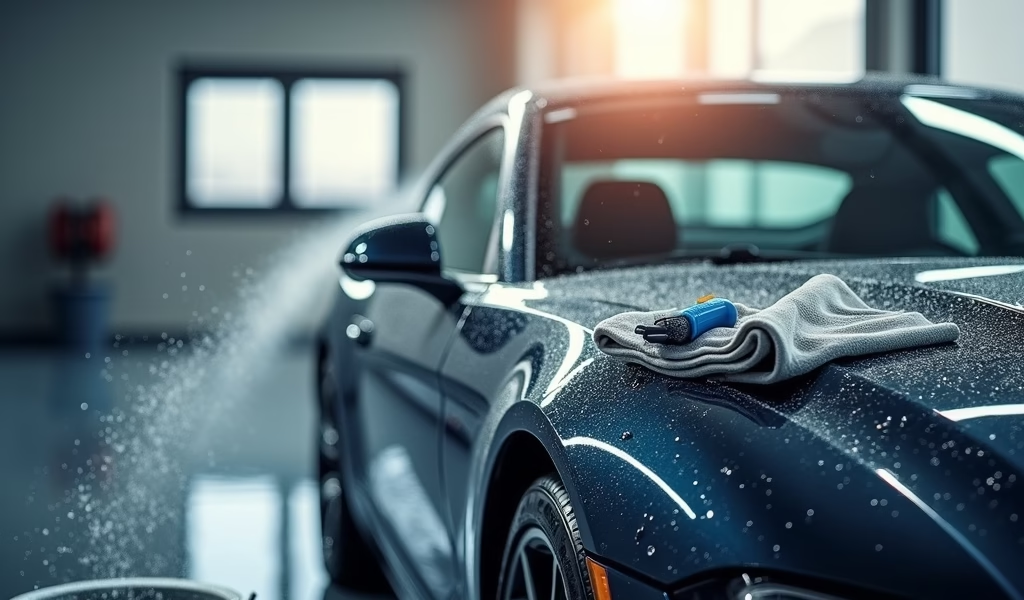
If your car’s paint feels rough despite washing, it’s likely contaminated with industrial fallout, tree sap, or airborne pollutants. Regular washing can’t remove these bonded contaminants, but detailing clay can.
What is detailing clay?
Detailing clay is an engineered resin compound that gently removes embedded contaminants without damaging paint. Think of it as an exfoliation treatment for your car’s finish that leaves the surface incredibly smooth.
Proper usage:
- Wash and dry your car completely
- Spray a clay lubricant on a small section (or use soapy water in a pinch)
- Glide the clay across the surface with light pressure
- Fold the clay to expose a clean section when it becomes visibly dirty
- Wipe the area with a microfiber towel
- Apply wax or sealant afterward to protect the now-clean surface
Most vehicles benefit from clay treatment 2-3 times per year. You’ll know it’s working when the clay starts to pick up dark contaminants and the paint feels smoother with each pass. The transformation can be remarkable—paint that felt like sandpaper becomes as smooth as glass.
After claying, your car will be better prepared for waxing or sealing, and these products will adhere better and last longer. This step-by-step detailing process makes a noticeable difference in your car’s appearance and helps maintain its value over time.
Cup Holder and Small Space Cleaning Tricks
Cup holders and small crevices collect an amazing amount of debris. These areas are frustrating to clean but make a huge difference in how your interior looks and feels. Here are some clever solutions that make this job surprisingly easy.
Clever solutions:
- Silicone cupcake liners: Place these in cup holders to catch debris. They’re washable, reusable, and make cleanup a 10-second job.
- Old makeup brushes: Perfect for dusting air vents and other delicate areas. The soft bristles collect dust without scratching surfaces.
- Wrapped coins: Wrap a penny or nickel in a microfiber cloth to create a tiny cleaning tool that fits into narrow crevices.
- Slime cleaner: Those stretchy cleaning gels conform to irregular shapes and pull dirt from hard-to-reach spots.
For sticky residue in cup holders, a cotton swab dipped in a mixture of warm water and a drop of dish soap works wonders. After cleaning, consider preventative measures like cup holder liners to make future maintenance easier.
These small details might seem insignificant, but they’re often what separates a clean-looking car from one that truly feels fresh and well-maintained. Taking care of these trouble spots also prevents buildup that can become harder to remove over time.
Headlight Restoration Using Household Items
Foggy headlights aren’t just an eyesore—they’re a safety hazard that can reduce visibility by up to 80% according to AAA research. Before spending hundreds on replacement assemblies, try these effective household remedies.
Toothpaste method:
- Clean headlights thoroughly with soap and water
- Apply regular white toothpaste (not gel) with a damp cloth
- Rub in circular motions for 5-10 minutes per headlight
- Rinse thoroughly with clean water
- Apply car wax to prevent quick reoxidation
Baking soda technique:
- Make a paste with baking soda and water
- Apply to headlights with a soft cloth
- Scrub gently in circular motions
- Rinse completely and dry
- Protect with automotive wax
The mild abrasives in toothpaste and baking soda remove the oxidized layer of plastic, revealing the clear material beneath. This works best for mild to moderate oxidation; severe cases might require wet sanding or a commercial headlight restoration kit.
For lasting results, apply a UV sealant or wax every few months. This prevents the sun’s ultraviolet rays from quickly reoxidizing your freshly restored headlights. The improvement in night visibility can be dramatic, making this one of the most functional car cleaning tips you can implement.
Maintaining Your Clean Car
Now that your car is looking showroom fresh, let’s talk about keeping it that way. With a few simple habits, you can maintain that clean feeling with minimal effort.
Weekly quick maintenance:
- Keep microfiber cloths in your glove box for quick dust-offs
- Remove trash every time you exit the vehicle
- Use a dashboard duster during gas station stops
- Keep a small vacuum in your trunk for quick cleanups
Seasonal considerations:
- Spring: Deep clean to remove winter salt residue and road grime
- Summer: Focus on UV protection for interior surfaces
- Fall: Treat rubber seals and weatherstripping before winter
- Winter: Frequent undercarriage rinses to prevent salt damage
Worth the investment are quality microfiber towels (cheap ones can scratch), a powerful handheld vacuum with attachments, and all-weather floor mats. These items make regular maintenance much easier and help preserve your car’s condition.
Remember that prevention is always easier than deep cleaning. A minute spent removing coffee cups or wiping down surfaces can save you hours of scrubbing later. This approach keeps your car consistently clean rather than cycling between spotless and disaster.
Conclusion
A clean car isn’t just about appearance—it’s about preserving your investment, creating a healthier environment, and simply enjoying your vehicle more. These seven easy car cleaning tips transform what could be a tedious chore into a satisfying activity with impressive results.
From the two-bucket washing method that prevents swirl marks to homemade cleaners that save you money, these approaches give professional-level results without requiring special training. The detailing clay and headlight restoration techniques, in particular, can make dramatic improvements that you’ll notice every time you look at your vehicle.
Remember that consistency is key when it comes to car care. A few minutes of regular maintenance prevents the need for hours of deep cleaning later. By incorporating these habits into your routine, you’ll keep that showroom shine all year round while protecting your car’s value and extending its life.
What’s your favorite car cleaning hack? Have you tried any of these methods? Your car deserves the best care possible, and with these simple techniques, you can provide it without breaking the bank or spending your entire weekend.
Frequently Asked Questions
How often should I wash my car?
Most experts recommend washing your car every two weeks. Wash more frequently if exposed to harsh elements like road salt, tree sap, or bird droppings.
Can I use dish soap to wash my car?
No, dish soap strips away protective wax and can damage your paint over time. Always use automotive-specific car wash soap.
What’s the best way to remove water spots from car paint?
Use a 50/50 mixture of white vinegar and distilled water, apply with a microfiber cloth, then rinse thoroughly. Follow up with wax to protect the surface.
How do I prevent my dashboard from cracking?
Regularly apply UV protectant and use a sunshade when parking in direct sunlight. Keep your interior clean and conditioned to prevent drying and cracking.
What’s the fastest way to clean my car’s interior?
Start with removing trash, then use compressed air for crevices, followed by a quick vacuum. Wipe down surfaces with a damp microfiber cloth and finish with a fast spray of protectant.