
Overview
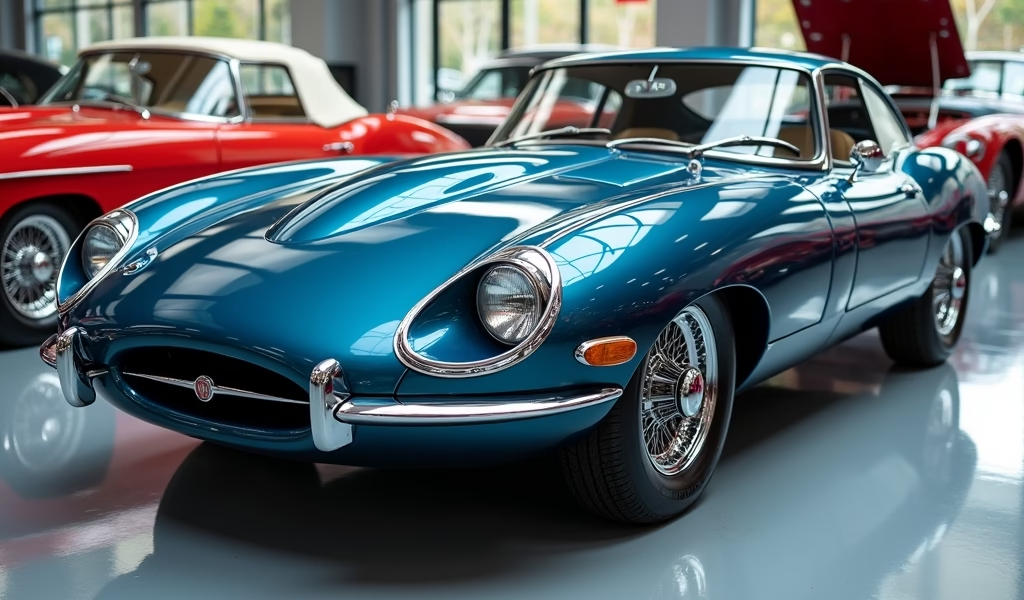
Who knew your car could feel as pampered as a celebrity at a spa day? This article outlines five essential car detailing steps: thorough washing with the two-bucket method, clay bar treatment for removing bonded contaminants, paint correction to address imperfections, applying protection (wax, sealant, or ceramic coating), and interior cleaning with material-specific products—all designed to maintain your vehicle’s appearance, condition, and value.
Table of Contents
- Introduction
- Thorough Washing and Preparation
- Clay Bar Treatment
- Paint Correction and Polishing
- Protection Application
- Interior Detailing
- Conclusion
- Frequently Asked Questions
Introduction
There’s something deeply satisfying about a freshly detailed car. That glossy shine, the smooth feel of the paint, and the crisp, clean interior create an experience that goes beyond mere aesthetics. Professional detailing transforms your vehicle from ordinary to exceptional, but with the right knowledge, you can achieve impressive results at home.
As an automotive technician who’s detailed hundreds of vehicles over the years, I’ve learned that proper car detailing isn’t just about making your vehicle look good—it’s about preserving its condition and value. Think of it as preventative maintenance for your car’s appearance.
Whether you’re preparing your car for sale or simply want to enjoy that showroom-fresh feeling again, following a proper detailing process is key. Let’s break down the five essential steps to professional-grade car detailing that will have your ride turning heads at every stoplight.
Thorough Washing and Preparation
The foundation of any good detailing job starts with a proper wash. This isn’t your typical weekend splash-and-dash—it’s a methodical process that removes contaminants without damaging your paint.
Essential Washing Equipment
- Two buckets (one for soap solution, one for rinsing)
- pH-neutral car shampoo
- Microfiber wash mitt
- Wheel cleaning tools (brushes and dedicated cleaner)
- Microfiber drying towels
- Grit guards for both buckets (optional but recommended)
The Proper Washing Process
Start by rinsing your entire vehicle thoroughly. This initial rinse removes loose dirt and debris that could otherwise scratch your paint during washing. Work in a shaded area if possible—direct sunlight causes soap to dry too quickly, leaving stubborn water spots.
The two-bucket method is non-negotiable for serious detailers. One bucket holds your soapy water, while the other contains clean rinse water. After each panel wipe, rinse your mitt in the clean water bucket before dipping it back into the soap. This simple technique prevents dirt particles from being reintroduced to your paint surface.
Always wash from top to bottom. Your vehicle’s lower sections collect the most dirt and grime, so starting at the roof and working your way down prevents dragging those contaminants across cleaner areas. Tackle the wheels last with dedicated wheel cleaners and brushes, as they’re typically the dirtiest part of your vehicle.
When it comes to drying, proper techniques prevent water spots that can etch into your clear coat over time. Use quality microfiber drying towels with a blotting motion rather than wiping, which can introduce swirl marks. For the ultimate finish, consider a drying aid spray that adds a touch of protection while making the process easier.
Clay Bar Treatment
Even after a thorough wash, your paint might still feel rough to the touch. This texture comes from bonded contaminants that washing alone can’t remove—industrial fallout, tree sap, embedded road grime, and airborne particles that have attached themselves to your paint.
Clay bar treatment is the solution, and it’s surprisingly simple once you understand the technique. This engineered clay compound works by grabbing and lifting these contaminants as you glide it across your paint surface.
How to Test if Your Car Needs Clay
Place your hand in a clean plastic sandwich bag and run your fingers lightly across your freshly washed paint. Feel any rough spots or texture? That’s what the clay bar will remove. Properly clayed paint should feel completely smooth, like glass.
Clay Bar Process
- Work on one small section at a time (about 2′ x 2′)
- Keep the surface well-lubricated with detailing spray
- Use gentle pressure and straight-line motions
- Fold and knead the clay regularly to expose a fresh surface
- Wipe away residue with a clean microfiber towel
The clay should glide more smoothly as contaminants are removed. If you drop your clay bar on the ground, discard it immediately—it will have picked up particles that can scratch your paint.
For heavily contaminated vehicles or those that haven’t been clayed in years, start with a medium-grade clay. For regular maintenance, a fine clay bar is gentler and quite effective. Either way, the transformation is often dramatic—what was once a subtly rough surface becomes silky smooth, ready for the next steps of the detailing process.
Paint Correction and Polishing
This is where detailing transforms from basic cleaning into an art form. Paint correction addresses swirl marks, light scratches, oxidation, and other imperfections that dull your paint’s appearance. The process requires patience, but the results are truly worth the effort.
Assessing Paint Condition
Before reaching for any polishing compounds, you’ll need to assess your paint. Examine the surface under direct sunlight or a strong LED light at various angles. Swirl marks typically appear as spider web-like patterns, while scratches and oxidation are more obvious. This inspection helps determine which products and techniques will be most effective.
Choosing the Right Tools and Products
- Dual-action polisher (safer for beginners than rotary polishers)
- Foam polishing pads (different densities for different levels of correction)
- Polishing compounds (ranging from heavy-cutting to fine finishing)
- Microfiber towels for removing polish residue
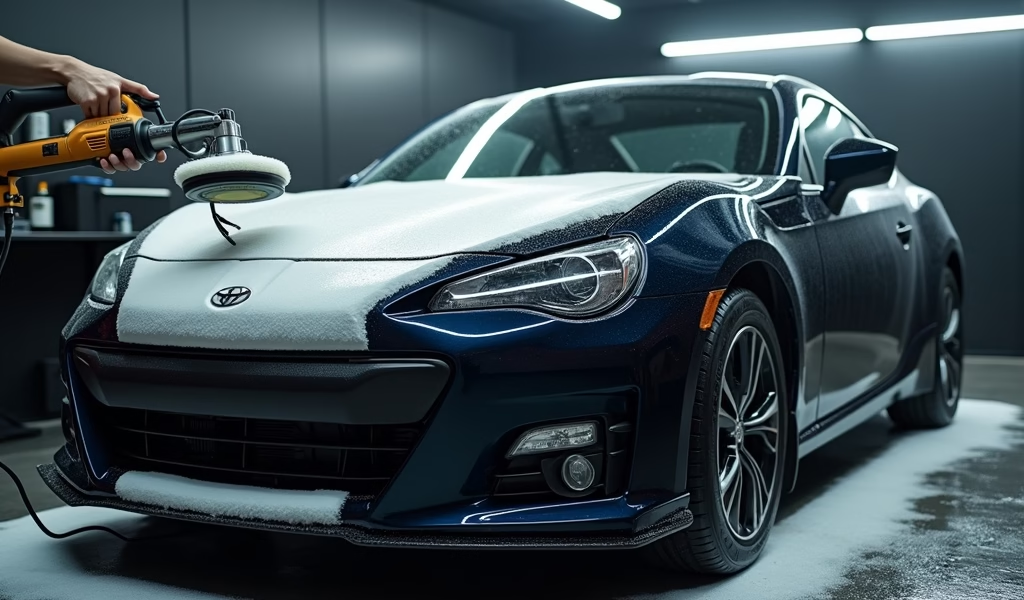
For moderate defects, start with a medium-cut polish on a polishing pad. Work in small sections, applying the polish at low speed to spread it evenly, then increasing speed to work the product. The goal is to remove just enough clear coat to level out imperfections without removing excessive material.
Follow with a fine polish or finishing compound on a softer pad to refine the finish and maximize gloss. This step eliminates the microscopic marring that cutting compounds can leave behind, resulting in that mirror-like finish detailers strive for.
Hand polishing is an option for spot treatments or for those not comfortable with machine polishing, but it requires considerably more elbow grease and typically delivers less dramatic results. For serious correction work, learning to use a dual-action polisher is a worthwhile investment of time.
Protection Application
After investing time in proper washing, clay treatment, and polishing, protecting those results becomes crucial. Think of paint protection as sunscreen for your vehicle—it shields against environmental damage while enhancing that just-detailed appearance.
Types of Paint Protection
- Carnauba Wax: Natural protection with a warm, deep shine. Typically lasts 1-3 months.
- Synthetic Sealants: Polymer-based protection with sharper reflections and enhanced durability. Usually lasts 4-6 months.
- Ceramic Coatings: Advanced silicon dioxide (SiO2) protection that chemically bonds to paint. Can last 1-5 years depending on formulation and application.
For most weekend detailers, a high-quality synthetic sealant offers the best balance of performance and ease of use. Apply to one panel at a time using foam applicators with straight, overlapping motions. Allow the product to haze (typically 5-20 minutes, following manufacturer instructions), then buff off with a plush microfiber towel.
Remember that less is more with protection products—a thin, even coat provides better results than thick application. Excess product doesn’t increase protection; it just makes removal more difficult and can lead to streaking or hazing.
Protecting your air conditioning vents and other exterior plastic or rubber components with a dedicated trim protectant completes the exterior detailing process. These products restore color to faded trim while providing UV protection that prevents future deterioration.

Interior Detailing
A stunning exterior paired with a neglected interior creates a jarring disconnect. Comprehensive detailing addresses both, transforming your car’s cabin into a clean, fresh environment you’ll actually enjoy spending time in.
Interior Detailing Process
Begin by removing all personal items and trash. Take out the floor mats and set them aside for separate cleaning. This provides unobstructed access to all surfaces and prevents having to work around obstacles.
Thorough vacuuming comes next, using attachments to reach every crevice, vent, and seam. Pay special attention to seat tracks, which tend to collect surprising amounts of debris. A stiff detailing brush can loosen embedded dirt before vacuuming.
Cleaning interior surfaces requires using the right product for each material:
- Leather: pH-balanced leather cleaner followed by a dedicated conditioner to prevent drying and cracking
- Fabric: Upholstery cleaner applied with light agitation, being careful not to saturate padding
- Plastic/Vinyl: All-purpose cleaner for dirt removal, followed by a protective dressing
- Glass: Automotive glass cleaner (not household products containing ammonia)
When cleaning interior glass, spray your microfiber towel rather than the glass directly to prevent overspray on other surfaces. For a streak-free finish, wipe in horizontal motions on the outside of windows and vertical motions on the inside—this trick makes it easy to identify which side has streaks.
Finishing touches include cleaning air vents with detailing brushes, treating leather and vinyl with appropriate protection, and applying a light scent if desired. Remember that “clean” should have virtually no smell—heavy fragrances often mask incomplete cleaning rather than complementing a truly fresh interior.
Conclusion
Professional-level car detailing isn’t about having expensive equipment or specialty products—it’s about understanding the process and being methodical in your approach. Each step builds upon the last, creating results that can rival those from high-end detailing shops.
With regular maintenance washes and periodic full details (typically 2-4 times per year), you’ll not only keep your vehicle looking its best but also preserve its value. Paint protected from environmental damage, an interior shielded from premature wear, and components maintained in optimal condition all contribute to slower depreciation and greater pride of ownership.
Remember that detailing is as much about the journey as the destination. There’s a unique satisfaction in transforming your vehicle with your own hands, seeing it respond to your care and attention. Whether you’re preserving a new car’s finish or breathing new life into an aging vehicle, these five essential detailing steps provide the foundation for results you’ll be proud to show off.
Frequently Asked Questions
How often should I detail my car?
A full detail is recommended every 4-6 months for daily drivers. However, seasonal changes or preparing for special events may warrant additional detailing sessions.
Can I detail my car in direct sunlight?
It’s best to avoid detailing in direct sunlight as products dry too quickly and can cause streaking. Work in a shaded area or on an overcast day for best results.
Is it worth buying a dual-action polisher for home use?
A dual-action polisher is a worthwhile investment if you plan to detail your car regularly. It dramatically reduces the time and effort required for paint correction while delivering superior results.
What’s the difference between waxing and ceramic coating?
Wax offers temporary protection (1-3 months) with a warm glow, while ceramic coatings chemically bond to paint for long-term protection (1-5 years) with enhanced gloss and hydrophobic properties. Ceramic coatings are more durable but require more careful application.
How can I maintain my car between full details?
Regular maintenance washes using proper two-bucket technique, quick interior wipedowns, and occasional spray wax or detailing spray applications will maintain your car between full details. Promptly address spills and bird droppings to prevent permanent damage.