

Overview
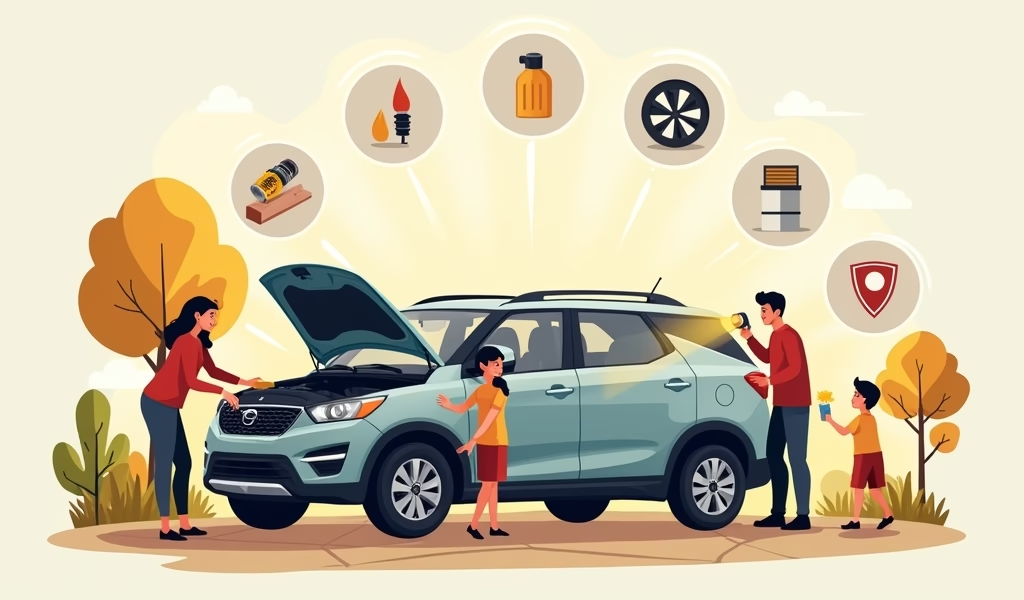
Think your family SUV is just a glorified minivan collecting Cheerios and soccer cleats? This article outlines seven essential maintenance strategies for family SUVs—including following manufacturer service schedules, regular fluid checks, tire care, brake maintenance, battery monitoring, air filter replacement, and family-specific interior/exterior care—all designed to extend vehicle life beyond 200,000 miles while ensuring safety and reliability.
Table of Contents
- Introduction
- Follow Manufacturer-Recommended Service Schedules
- Regular Oil Changes and Fluid Checks
- Tire Care and Maintenance
- Brake System Maintenance
- Battery Care and Electrical System Checks
- Air Filtration Systems
- Family-Specific Maintenance Considerations
- Conclusion
- Frequently Asked Questions
Introduction
Family SUVs represent significant investments in your household’s mobility and safety. As a master technician with over 20 years of experience, I’ve seen how proper maintenance transforms these versatile vehicles from potential money pits into reliable transportation that serves families for years.
Your family SUV isn’t just another vehicle—it’s the trusted chariot that carries your most precious cargo. Whether you’re hauling kids to soccer practice, embarking on cross-country road trips, or simply tackling daily commutes, your SUV needs specialized care to perform reliably.
The difference between a family SUV that lasts 200,000+ miles and one that barely limps to 100,000 isn’t luck or even build quality—it’s consistent, thoughtful maintenance. Let me walk you through seven proven maintenance strategies that will keep your family SUV running smoothly for years to come.
Follow Manufacturer-Recommended Service Schedules
Your owner’s manual isn’t just dashboard decoration—it’s the blueprint for your SUV’s longevity. Manufacturer service schedules are carefully calculated based on extensive testing and engineering expertise.
Most family SUVs follow a maintenance pattern with major service intervals at 30,000, 60,000, and 90,000 miles, with minor check-ups every 5,000-7,500 miles. These aren’t arbitrary numbers—they’re strategic intervention points designed to catch potential issues before they become expensive problems.
I’ve seen countless families skip the 60,000-mile timing belt replacement to save $800, only to face a $4,000 engine rebuild when that belt snaps unexpectedly. According to Consumer Reports, regular maintenance can extend a vehicle’s lifespan by up to 50% and significantly reduce overall ownership costs.
If your dealership prices seem steep, independent shops like ours often offer the same quality service at 30-40% less cost. Just ensure they follow manufacturer specifications and use OEM or equivalent parts.

Regular Oil Changes and Fluid Checks
If your engine is your SUV’s heart, oil is its lifeblood. Modern family SUVs typically need oil changes every 7,500-10,000 miles with synthetic oil, though this varies by manufacturer and driving conditions.
Beyond oil, your family SUV depends on several critical fluids:
- Transmission fluid: Check every 30,000 miles, replace according to your manual (usually 60,000-100,000 miles)
- Brake fluid: Inspect during oil changes, flush every 2-3 years (sooner if it appears dark)
- Coolant: Check levels monthly, flush every 30,000 miles or per manufacturer recommendations
- Power steering fluid: Inspect monthly, replace if discolored or low
- Windshield washer fluid: Top off monthly (more frequently during bug season or winter)
Learning to check these fluids yourself takes minutes but provides early warning of potential issues. Fluid leaks or unusual colors often indicate developing problems that, caught early, might cost hundreds rather than thousands to address.
Consider this real-world example: Last month, a client brought in their 2018 Ford Explorer after noticing red drops on their garage floor. A simple transmission pan gasket replacement cost them $180. Had they ignored it, eventual transmission failure would have cost nearly $4,000.
Tire Care and Maintenance
Your SUV’s tires provide the only four contact patches between your family and the road—each about the size of your hand. Proper tire maintenance isn’t just about preventing flats; it’s fundamental to your family’s safety.
Maintain proper tire pressure by checking monthly and before long trips. The correct pressure isn’t what’s stamped on the tire sidewall—it’s what’s listed on the driver’s doorjamb placard. Underinflated tires increase stopping distances and reduce stability during emergency maneuvers, while overinflated tires provide less traction and a harsher ride.
Rotate your tires every 5,000-7,000 miles to ensure even wear. SUVs, especially all-wheel-drive models, can wear tires unevenly due to their weight distribution and driving dynamics. Regular rotation extends tire life by up to 20% and maintains consistent handling characteristics.
Monitor tread depth using the penny test: insert a penny with Lincoln’s head upside down into the tread groove. If you can see all of Lincoln’s head, your tread depth is below 2/32″—the legal minimum in most states—and it’s time for replacement. For family SUVs that frequently encounter rain or snow, consider replacement when tread reaches 4/32″ for better wet-weather performance.
Don’t forget seasonal considerations. If you live in an area with significant winter weather, dedicated winter tires provide dramatically better traction and shorter stopping distances compared to all-seasons. The testing data from Tire Rack consistently shows winter tires stop up to 30% shorter on snow and ice compared to all-season options.
Brake System Maintenance
When it comes to your family’s safety, few systems are as critical as your brakes. Family SUVs, being heavier than sedans, place additional demands on braking components.
Listen for warning signs like squealing, grinding, or pulsating sensations when braking. These aren’t just annoying—they’re your vehicle communicating potential problems. Most modern SUVs have brake wear indicators designed to produce a high-pitched squeal when pads need replacement.
Typical brake maintenance intervals for family SUVs include:
- Brake pads: Every 30,000-70,000 miles (front pads typically wear faster)
- Brake rotors: Usually every other pad replacement, or when thickness is below specifications
- Brake fluid: Flush every 2-3 years regardless of mileage (fluid absorbs moisture over time)
- Brake hoses and lines: Inspect annually for cracks or deterioration
Don’t be tempted by the lowest-priced brake components. When it comes to stopping 4,500+ pounds of family SUV, quality matters. Mid-grade or better components provide better performance, less noise, and longer life than economy options. The difference in cost is typically minimal compared to the labor involved.
I’ve witnessed the performance difference between economy and quality brakes firsthand. During wet conditions, premium pads can reduce stopping distances by up to 20 feet—often the difference between a close call and a collision.
Battery Care and Electrical System Checks
Modern family SUVs are essentially computers on wheels, making electrical system health more critical than ever. Today’s vehicles depend on reliable power for everything from engine management to safety systems.
Batteries in family SUVs typically last 3-5 years, though climate plays a significant role. Extreme heat accelerates internal corrosion, while extreme cold reduces starting power. Have your battery tested annually after it reaches 3 years old, or if you notice any of these warning signs:
- Slow engine cranking
- Dimming headlights at idle
- Electronic systems resetting
- Battery warning light illumination
- Swollen battery case
Battery terminals should be kept clean and tight. Corrosion (that white or green crusty stuff) increases resistance and can prevent proper charging. A simple solution of baking soda and water, along with a wire brush, makes quick work of corrosion.
For families that frequently take short trips, consider a battery maintainer for overnight use. Short trips may not fully recharge your battery, leading to sulfation and premature failure. A quality maintainer costs around $50 but can extend battery life significantly.
When replacing your battery, match or exceed the original equipment specifications for Cold Cranking Amps (CCA) and size. The modest price difference between economy and premium batteries is easily justified by longer service life and better cold-weather performance.
Air Filtration Systems
Your family SUV employs two critical filtration systems: the engine air filter and the cabin air filter. Both deserve regular attention.
The engine air filter prevents dust, debris, and contaminants from entering your engine. A clogged filter restricts airflow, reducing power and fuel economy. Most manufacturers recommend replacement every 15,000-30,000 miles, though dusty environments may require more frequent service.
Checking your engine air filter is simple: locate the air box (usually a black plastic container near the front of the engine), release the clips or screws, and inspect the filter element. If you can’t see light through it when held up, or if it’s visibly dirty, it’s time for replacement.
The cabin air filter, meanwhile, protects your family from pollen, dust, and pollutants. This often-overlooked component should be replaced every 15,000-25,000 miles, or sooner if you notice:
- Reduced airflow from vents
- Musty odors when the climate control runs
- Increased fogging of windows
- Allergy symptoms while driving
For families with allergy sufferers, consider upgrading to a HEPA-grade cabin filter, which captures smaller particles than standard filters. The nominal cost difference provides noticeably better air quality.
As a real-world example, I recently serviced a 2023 model SUV whose owner complained of persistent window fogging. The cabin filter was so clogged that airflow was restricted by approximately 70%. A simple $25 filter replacement solved the problem immediately.
Family-Specific Maintenance Considerations
Family SUVs face unique challenges that other vehicles don’t. From juice box spills to soccer cleats, the interior takes a beating that requires specialized attention.
Protect upholstery with quality seat covers or fabric protector treatments. Leather seats benefit from conditioning every 3-6 months to prevent cracking and premature wear. For cloth seats, prompt attention to spills prevents permanent staining and odors.
Keep a small cleaning kit in your vehicle containing:
- Microfiber cloths
- All-purpose interior cleaner
- Glass cleaner
- Stain remover wipes
- Small trash bags
Don’t overlook the cargo area. Remove and clean under floor mats and cargo organizers monthly to prevent moisture buildup and unpleasant odors. Check that drainage holes aren’t blocked—especially important after hauling wet sports equipment or beach gear.
The exterior deserves family-specific attention too. Regular washing removes not just dirt but also potentially damaging substances like bird droppings, tree sap, and road salt. Automatic car washes offer convenience, but hand washing provides better results and allows you to inspect for developing issues like paint chips or door dings.
Apply quality wax or sealant quarterly to protect your paint and make cleaning easier. Modern ceramic coatings offer longer-lasting protection but require professional application. Either option helps maintain resale value and appearance.
Consider visiting a used car dealership and comparing vehicles of your model with different mileage. The difference in condition between well-maintained and neglected examples provides compelling evidence for the value of consistent care.
Conclusion
Maintaining your family SUV isn’t just about avoiding repair bills—it’s about ensuring your vehicle is always ready when your family needs it most. The seven maintenance areas we’ve covered form a comprehensive approach that will extend your SUV’s life and improve your ownership experience.
By following manufacturer service schedules, maintaining fluids, caring for tires and brakes, monitoring electrical systems, changing filters, and addressing family-specific concerns, you’re making a wise investment in your vehicle’s longevity and your family’s safety.
Remember that prevention is always less expensive than repair. Small investments in regular maintenance pay enormous dividends in reliability, safety, and resale value. Your family SUV works hard for you—return the favor with attentive care, and it will faithfully serve your family for many years and miles to come.
As a final thought, consider developing a relationship with a trustworthy service facility. Having a technician who knows your vehicle’s history provides continuity of care that often catches developing issues before they become serious problems. Like having a family doctor, having a family mechanic offers peace of mind that’s difficult to quantify but impossible to overlook.
Frequently Asked Questions
What’s the most important maintenance for a family SUV?
Regular oil changes and fluid checks are the foundation of SUV maintenance. These simple services prevent the most common and catastrophic failures while providing opportunities to spot developing issues.
How often should I rotate tires on my family SUV?
Most manufacturers recommend tire rotation every 5,000-7,000 miles. All-wheel-drive SUVs particularly benefit from consistent rotation schedules to maintain even wear patterns.
Can I extend the oil change interval beyond what my manual recommends?
While modern synthetic oils can last longer than conventional oil, I don’t recommend exceeding manufacturer intervals. Family SUVs often experience “severe” driving conditions (short trips, stop-and-go traffic) that stress lubrication systems.
What’s the best way to preserve my SUV’s interior with kids?
Invest in quality all-weather floor mats, seat protectors, and cargo liners. Establish a “no food” rule when possible, and keep cleaning supplies in the vehicle for immediate response to spills.
How can I improve my SUV’s fuel economy?
Maintain proper tire pressure, replace dirty air filters, remove unnecessary cargo weight, and ensure your oxygen sensors are functioning properly. Regular maintenance often improves fuel economy by 5-10% compared to neglected vehicles.