

Overview
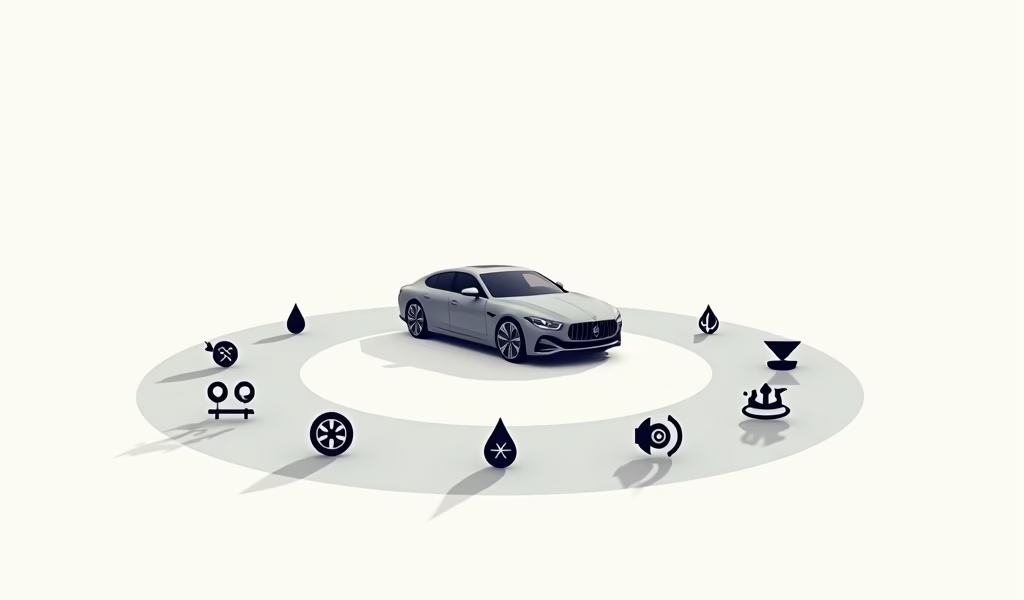
Like a romantic relationship that survives past the honeymoon phase, car ownership requires consistent TLC through seven essential maintenance treatments: regular oil changes, tire care, brake system maintenance, fluid checks, battery care, filter replacements, and wheel alignment/balance. These fundamental practices not only extend your vehicle’s lifespan and maintain its value but also ensure safety on the road while preventing minor issues from evolving into wallet-draining catastrophes.
Table of Contents
- Introduction to Smart Car Ownership
- 1. Regular Oil Changes: The Lifeblood of Your Engine
- 2. Tire Maintenance: Where the Rubber Meets the Road
- 3. Brake System Care: Safety First
- 4. Fluid Checks and Changes: Keeping Everything Flowing
- 5. Battery Care: Powering Your Journey
- 6. Filter Replacements: Clean Operation
- 7. Wheel Alignment and Balance: Smooth Sailing
- Conclusion: Your Road to Reliable Transportation
- Frequently Asked Questions
Introduction to Smart Car Ownership
Welcome to your comprehensive car buying guide – a journey into responsible vehicle ownership that goes beyond just making the purchase. After 25 years under the hood, I’ve learned that buying a car is just the first step in a long relationship. The real commitment comes with proper maintenance, which can mean the difference between a vehicle that serves you faithfully for years and one that becomes a money pit of repairs.
Whether you’re considering leasing versus buying a vehicle or you’ve already made your choice, understanding essential maintenance treatments is crucial. These aren’t just mechanic’s recommendations – they’re the fundamental practices that extend your car’s life, maintain its value, and keep you safe on the road.
In this guide, we’ll explore seven non-negotiable maintenance treatments every vehicle owner should prioritize. These aren’t fancy upsells from your local garage – they’re the bedrock practices that professional mechanics like myself know make all the difference in vehicle longevity. Let’s dive into what really matters under the hood.
1. Regular Oil Changes: The Lifeblood of Your Engine
Think of oil as your engine’s bloodstream. Fresh, clean oil lubricates the engine’s moving parts, prevents overheating, and carries away harmful particles. Without timely oil changes, you’re essentially letting your engine slowly destroy itself from the inside.
Most modern vehicles can go between 5,000 to 10,000 miles between oil changes, but this varies based on your driving conditions and the manufacturer’s recommendations. Heavy traffic, extreme temperatures, and towing can all warrant more frequent changes. Don’t just follow the sticker on your windshield – check your owner’s manual for the manufacturer’s specific recommendations.
When choosing oil, consider your climate and driving habits. Synthetic oils cost more upfront but offer superior protection and longer intervals between changes, making them often worth the investment in the long run. They’re particularly valuable in extreme temperatures or for high-performance engines.
Remember, skipping oil changes isn’t saving money – it’s borrowing trouble. According to the Car Care Council, regular oil changes are the single most important factor in extending engine life. The few minutes and dollars spent on routine oil service can save you thousands in premature engine repairs or replacement.
2. Tire Maintenance: Where the Rubber Meets the Road
Your tires are literally where all your car’s engineering meets the actual road. Proper tire maintenance affects everything from fuel economy to handling and safety. Yet, it’s one of the most commonly overlooked aspects of vehicle care.
Monthly tire pressure checks should be a habit as routine as filling your gas tank. Even small deviations from the recommended pressure (found in your driver’s door jamb or owner’s manual – not on the tire itself) can reduce fuel efficiency and accelerate uneven wear. For maximum accuracy, check pressure when tires are cold, typically in the morning before driving.
3. Brake System Care: Safety First
No system in your vehicle is more directly tied to safety than your brakes. While brake pads and rotors are designed to wear gradually, ignoring their maintenance can lead to dangerous driving conditions and expensive repairs.
Listen for warning signs: squealing, grinding, pulsing during braking, or longer stopping distances are all indicators that your brakes need attention. Modern vehicles often include brake wear indicators that will create a high-pitched sound when pads are getting thin.
Brake fluid should be clear or slightly amber – if it’s dark or cloudy, it’s time for a flush. This hydraulic fluid is hygroscopic, meaning it absorbs moisture over time, which reduces its effectiveness and can lead to component corrosion. Most manufacturers recommend changing brake fluid every 2-3 years regardless of mileage.
When replacing brake components, remember that quality matters immensely. While budget parts might save money initially, premium brake components provide better stopping power, last longer, and often create less dust and noise. This is one area where even used car buyers shouldn’t cut corners – your family’s safety depends on it.
4. Fluid Checks and Changes: Keeping Everything Flowing
Your vehicle relies on a sophisticated network of fluids to operate properly. Beyond engine oil, several other vital fluids require regular inspection and periodic replacement.
Transmission fluid keeps one of your car’s most complex and expensive components operating smoothly. Unlike engine oil, it doesn’t burn during operation, but it does break down and collect contaminants over time. Many manufacturers claim their transmission fluid is “lifetime,” but in my professional experience, changing it every 60,000-100,000 miles can dramatically extend transmission life.
Coolant (antifreeze) prevents both freezing and overheating while providing corrosion protection to your cooling system. The days of “green coolant” that needed changing annually are gone – most modern vehicles use extended-life formulations that last 5 years or 100,000 miles. However, a coolant’s protective additives do eventually deplete, so follow your manufacturer’s recommended interval.
Power steering fluid and brake fluid should be checked monthly for proper levels and clarity. Dark or discolored fluid indicates contamination and the need for replacement. These hydraulic systems can develop serious problems if fluid quality is compromised.
Even windshield washer fluid deserves attention – running out in poor weather conditions can severely impair visibility and safety. I recommend keeping it topped off year-round and using winter-grade fluid in colder climates to prevent freezing.
5. Battery Care: Powering Your Journey
Modern vehicles rely increasingly on electrical systems, making battery health more critical than ever. Yet many drivers only think about their battery when it fails to start their car on a cold morning.
Battery terminals should be inspected periodically for corrosion – a powdery white or blue-green substance that can impede electrical flow. This can be cleaned using a mixture of baking soda and water, followed by a light coating of petroleum jelly to prevent future buildup.
Most batteries last 3-5 years, but this varies widely based on climate and driving habits. Short trips prevent full charging and can shorten battery life, as can extreme temperatures. If your battery is approaching the 3-year mark, having it load-tested can help predict potential failures before they leave you stranded.
For those considering financing or leasing a new vehicle, be aware that modern cars with start-stop technology and numerous electronics put greater demands on batteries. This technology improves fuel economy but may require more frequent battery replacement – a maintenance cost to factor into your ownership planning.
6. Filter Replacements: Clean Operation
Your vehicle uses several different filters to keep contaminants away from critical systems. Regular replacement of these filters is simple maintenance that pays significant dividends in performance and longevity.
The engine air filter prevents dust, pollen, and debris from entering your engine. A clogged air filter can reduce fuel efficiency by up to 10% according to EPA research. Visual inspection is usually sufficient – if you hold it up to a light source and can’t see light passing through, it’s time for replacement.
Cabin air filters are often overlooked but directly impact the air you breathe inside your vehicle. These should typically be replaced annually or every 15,000 miles, more frequently if you drive in dusty conditions or suffer from allergies.
Fuel filters trap contaminants that could damage your fuel injectors and are especially important if you frequently use discount gas stations where fuel quality may be inconsistent. Many newer vehicles have lifetime fuel filters incorporated into the fuel pump assembly, but older vehicles typically require replacement every 30,000-50,000 miles.
While filter replacement is among the less expensive maintenance items, their impact on performance is significant. Clean filters help your vehicle breathe better, run more efficiently, and protect expensive components from unnecessary wear.
7. Wheel Alignment and Balance: Smooth Sailing
Proper wheel alignment and tire balance might not seem as critical as other maintenance items, but they significantly impact your driving experience, fuel economy, and tire life.
Alignment refers to the angles of your wheels relative to the road and each other. Proper alignment ensures your vehicle tracks straight, your steering responds predictably, and your tires wear evenly. After hitting a significant pothole, curb, or following suspension work, alignment should be checked regardless of mileage. Otherwise, most mechanics recommend checking alignment annually.
Tire balancing distributes weight evenly around each wheel and tire assembly. Unbalanced tires cause vibration that you’ll feel in the steering wheel (front wheels) or seat (rear wheels). Besides being annoying, these vibrations put stress on bearings, bushings, and other suspension components. Tires should be balanced when they’re installed and rebalanced if you notice vibrations developing.
The payoff for maintaining proper alignment and balance goes beyond comfort. Properly aligned and balanced wheels can extend tire life by thousands of miles, improve fuel economy by reducing rolling resistance, and prevent premature wear of expensive suspension components.
Conclusion: Your Road to Reliable Transportation
Throughout this car buying guide, we’ve covered the seven essential maintenance treatments that form the foundation of responsible vehicle ownership. These aren’t optional upgrades – they’re the fundamental care routines that determine whether your vehicle becomes a trusted, long-term companion or a source of ongoing frustration and expense.
Remember that maintenance isn’t just about preventing breakdowns – it’s about preserving your investment. A well-maintained vehicle holds its value better, performs more reliably, and provides a safer driving experience for you and your loved ones. The modest time and financial investment in regular maintenance pays dividends through reduced repair costs and extended vehicle life.
As you embark on or continue your journey as a vehicle owner, consider establishing a personal maintenance schedule based on your manufacturer’s recommendations. Many modern vehicles make this easier with maintenance reminder systems, but developing your own awareness of your vehicle’s needs creates a more connected ownership experience.
Your vehicle takes care of you by providing transportation, comfort, and safety every day. By committing to these seven essential maintenance treatments, you’re returning the favor – ensuring many miles of trouble-free driving ahead.
Frequently Asked Questions
How often should I really change my oil?
Follow your manufacturer’s recommended interval in your owner’s manual, typically 5,000-10,000 miles for modern vehicles. Severe conditions like extreme temperatures, stop-and-go traffic, or towing may require more frequent changes.
Are synthetic oils worth the extra cost?
Yes, synthetic oils provide superior protection, especially in extreme temperatures, and typically allow for longer intervals between changes. The additional upfront cost is usually offset by extended engine life and fewer oil changes.
How can I tell if my brakes need service?
Listen for squealing, grinding, or squeaking noises when braking, and be alert to pulsation, longer stopping distances, or pulling to one side. These symptoms indicate your brake system needs professional inspection.
Do I really need to follow the maintenance schedule in my owner’s manual?
Yes, manufacturer maintenance schedules are designed based on extensive testing to maximize vehicle longevity and performance. Following these guidelines is your best protection against premature wear and costly repairs.
How much can regular maintenance save me in the long run?
Regular maintenance typically costs a few hundred dollars annually but can save thousands in major repairs and preserve your vehicle’s resale value. Studies show properly maintained vehicles last 50-100% longer than neglected ones.