
Overview
Contrary to popular belief, electric vehicles aren’t the carefree unicorns of the automotive world that magically maintain themselves while you binge Netflix. The article details five essential maintenance areas for EVs—battery care, brake system maintenance, cooling system upkeep, tire management, and software updates—emphasizing that proper maintenance can extend vehicle life, improve performance, and significantly increase resale value by 10-15%.
Table of Contents
- How Electric Cars Work: The Basics
- Battery Maintenance: The Heart of Your EV
- Brake System Care: More Important Than You Think
- Cooling System Maintenance: Keeping Your EV’s Brain Cool
- Tire Care: The EV Difference
- Software Updates: Your EV’s Secret Weapon
- Conclusion: Maintaining Value Through Proper Care
- Frequently Asked Questions
Electric vehicles are taking the automotive world by storm, and for good reason. They’re sleek, environmentally friendly, and can accelerate with impressive force. But there’s a common misconception floating around that EVs need virtually no maintenance. As someone who’s been working on both conventional and electric vehicles for over 15 years, I can tell you that’s simply not true.
While electric cars do have fewer moving parts than their gas-powered counterparts, they still require regular care to perform at their best. And here’s something many owners overlook: proper maintenance significantly impacts an EV’s resale value. Just like traditional cars, a well-maintained electric vehicle commands a higher price and sells faster when it’s time to upgrade.
At our shop, we’ve seen the difference maintenance makes when EVs hit the market. Vehicles with documented service history and proper care routinely sell for 10-15% more than neglected ones with the same mileage. Let’s dive into how these fascinating machines work and the five essential maintenance treatments every EV owner should know.
How Electric Cars Work: The Basics
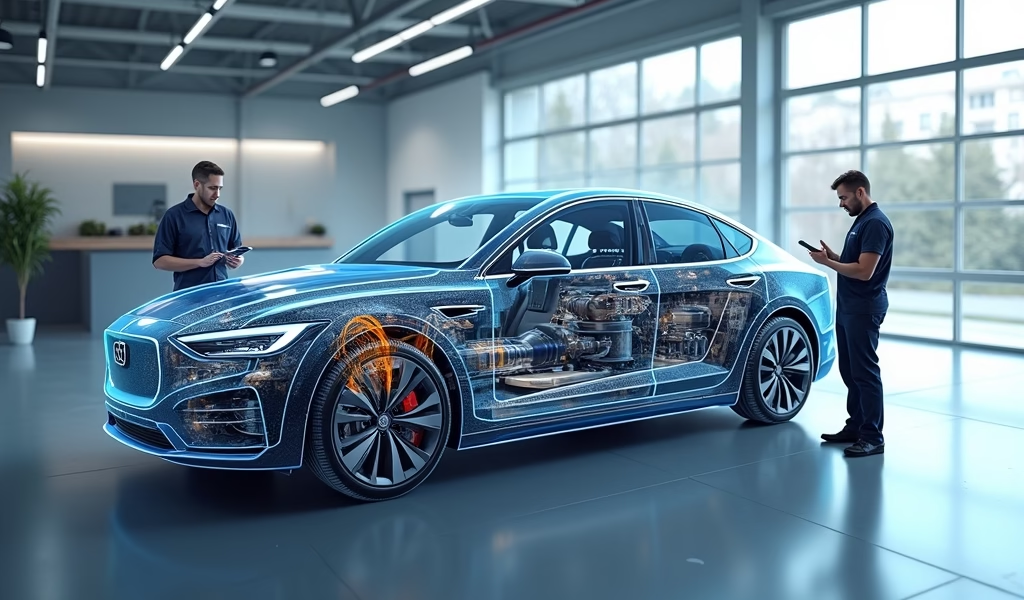
Before we talk maintenance, let’s understand what makes EVs tick. Unlike conventional vehicles that burn fuel in an internal combustion engine, electric vehicles operate on a simpler principle. They use electricity stored in a battery pack to power one or more electric motors that drive the wheels.
The main components include:
- Battery pack – stores electrical energy (typically lithium-ion)
- Electric motor(s) – converts electricity into mechanical energy
- Inverter – changes DC battery power to AC power for the motor
- Onboard charger – converts external AC power to DC for battery storage
- Thermal management system – regulates temperature of components
- Power electronics controller – the “brain” managing energy flow
When you press the accelerator in an EV, the controller sends electricity from the battery to the motor, which creates instant torque to move the vehicle. There’s no waiting for combustion, no transmission shifting gears, just smooth, immediate power delivery.
This simplicity means fewer mechanical failures, but it doesn’t mean maintenance-free. In fact, neglecting EV-specific maintenance can lead to expensive problems and diminished performance over time. According to Consumer Reports, proper maintenance can extend an EV’s range by up to 15% and significantly impact battery longevity.
Battery Maintenance: The Heart of Your EV
The battery is the most expensive and critical component of any electric vehicle. Just as you wouldn’t neglect the engine in a gas car, you shouldn’t ignore battery maintenance in your EV.
The battery pack in most modern EVs is designed to last 8-10 years or 100,000+ miles, but proper care can extend this considerably. I’ve seen well-maintained EVs with batteries performing at 90% capacity even after 150,000 miles.
Optimal Charging Practices
The single most important aspect of battery maintenance is how you charge it. For everyday use, keep your battery between 20% and 80% charged. Regularly charging to 100% or frequently letting it drop below 10% accelerates degradation.
Most modern EVs allow you to set charging limits. I recommend setting yours to stop at 80% for daily use and only charging to 100% before long trips when you need maximum range. Even then, try to time it so the battery reaches full charge shortly before departure.
Temperature Management
Batteries prefer moderate temperatures. Extreme heat or cold can temporarily reduce range and, over time, permanently damage battery cells.
Whenever possible:
- Park in the shade or a garage during hot weather
- Precondition your vehicle while still plugged in during temperature extremes
- Avoid fast-charging in very cold conditions without preheating the battery
Many EV owners don’t realize that the thermal management system continues working even when the car is parked. Finding climate-controlled parking isn’t just a comfort issue—it’s a battery preservation strategy.
Regular Battery Health Checks
Most manufacturers recommend professional battery health assessments every 12-15,000 miles. These checks can identify potential issues before they become serious problems. Technicians examine:
- Individual cell balance and performance
- Cooling system efficiency
- Charging system operation
- Battery management system diagnostics
These checks are relatively inexpensive but can save thousands by catching issues early. Plus, having documented battery health reports significantly boosts resale value when it’s time to sell.
Brake System Care: More Important Than You Think
One of the clever features of electric vehicles is regenerative braking. When you lift off the accelerator, the electric motor acts as a generator, converting kinetic energy back into electricity while slowing the car. This means your traditional friction brakes get used less often.
While this sounds great for brake pad longevity, it creates a unique challenge: underused brakes can develop problems. In my years servicing EVs, I’ve seen plenty of rusty rotors and seized calipers in vehicles with low mileage.
The “Use It or Lose It” Rule
To keep your braking system healthy, you need to use your friction brakes regularly. Many EV owners drive exclusively using regenerative braking (one-pedal driving), which feels efficient but can lead to brake issues.
I recommend doing what I call a “brake exercise” once a week: Find a safe, empty stretch of road and perform 3-4 moderate-to-firm stops using your brake pedal. This clears surface rust from the rotors and keeps caliper pistons moving freely.
Brake Fluid Maintenance
Even though EVs use their friction brakes less, they still need regular brake fluid changes. Brake fluid is hygroscopic, meaning it absorbs moisture from the air over time, regardless of how often you use your brakes.
Most manufacturers recommend changing brake fluid every 2-3 years. Contaminated fluid can lead to corrosion inside the system and eventually brake failure. This maintenance item is frequently overlooked in EVs, but it’s crucial for safety and system longevity.
Regular Inspections
Have your brake system inspected annually, even if you haven’t reached the mileage typically associated with brake wear. These inspections should check for:
- Rotor condition and thickness
- Caliper movement and seal condition
- Pad wear (even minimal usage causes some wear)
- Brake line integrity
Keeping your brakes in good condition isn’t just about safety—it’s also about driving experience and efficiency. Stuck calipers create drag, which reduces range and defeats the purpose of having an efficient vehicle in the first place.
Cooling System Maintenance: Keeping Your EV’s Brain Cool
While EVs don’t have traditional radiators for engine cooling, they have sophisticated thermal management systems to regulate the temperature of batteries, motors, and power electronics. These systems are crucial for performance, longevity, and safety.
Most EVs use liquid cooling circuits with special coolants designed for electrical components. These systems need periodic maintenance just like traditional cooling systems, though the intervals are typically longer.
Coolant Checks and Changes
The coolant in your EV does more than just transfer heat—it’s specially formulated to be non-conductive and prevent electrical shorts. Over time, this coolant can degrade or become contaminated.
Manufacturers typically recommend coolant inspection every 15,000 miles and complete replacement every 4-5 years. Neglecting this maintenance can lead to poor thermal management, reduced fast-charging capability, and in extreme cases, battery damage.
Radiator and Cooling Path Maintenance
The cooling system includes radiators, heat exchangers, and pumps that need to be kept clean and functioning. In my experience, these components often collect debris that reduces cooling efficiency:
- Check that cooling air inlets are free from leaves and debris
- Ensure radiator fins aren’t bent or clogged
- Listen for unusual pump noises that might indicate failure
A properly functioning cooling system is essential for battery health. According to research from the National Renewable Energy Laboratory, operating lithium-ion batteries at elevated temperatures can halve their usable life. That’s a costly consequence of neglecting a relatively simple maintenance item.
Warning Signs to Watch For
Your EV will usually tell you when the cooling system needs attention. Signs include:
- Reduced fast-charging speeds (thermal throttling)
- Warning messages about battery temperature
- Decreased performance after driving or charging for extended periods
- Strange noises from the cooling system pumps or fans
If you notice any of these symptoms, don’t delay—get your cooling system checked promptly. The cost of preventative maintenance is trivial compared to replacing battery modules damaged by overheating.
Tire Care: The EV Difference
Tires are the only parts of your vehicle that actually touch the road, and they’re especially important for EVs. Due to their instant torque delivery and typically higher weight, electric vehicles can be particularly demanding on tires.
In my workshop, we see EV tires wearing out 15-20% faster than those on comparable gas vehicles. But with proper care, you can extend tire life while maintaining safety and efficiency.
Software Updates: Your EV’s Secret Weapon
Perhaps the most unique aspect of EV maintenance is the importance of software updates. Unlike traditional vehicles where software mainly controls infotainment, in EVs it manages everything from power delivery to battery management to safety systems.
Regular software updates can literally transform your vehicle, improving range, performance, and features without changing any physical components. It’s like getting a partially new car while you sleep.
Types of Updates
EV software updates generally fall into three categories:
- Performance updates: Optimize power delivery, range, and efficiency
- Feature updates: Add new capabilities or improve existing ones
- Security updates: Fix vulnerabilities and enhance vehicle safety
Most modern EVs receive these updates in one of two ways: over-the-air (OTA) updates delivered wirelessly, or dealer-installed updates during service visits. The leading manufacturers like Tesla have made OTA updates a cornerstone of their ownership experience, sometimes delivering significant improvements years after purchase.
Staying Current
To maximize your EV’s performance and value:
- Check for available updates at least monthly
- Install updates promptly, especially those related to battery management
- Read update notes to understand what’s changed
- Schedule updates during overnight hours when you won’t need the vehicle
Some updates can significantly impact range and charging speed. I’ve seen vehicles gain 5-10% more range simply through software optimization. That’s essentially free mileage that many owners miss out on by ignoring update notifications.
The Value Proposition
From a resale perspective, keeping your EV’s software current is absolutely crucial. When evaluating used EVs, one of the first things buyers check is whether the software is up to date. Out-of-date software suggests neglect and can significantly reduce the vehicle’s value.
Documenting which updates have been installed can also help with resale. Just as you keep records of oil changes in a traditional car, keeping a log of software updates demonstrates thorough maintenance to potential buyers.
I’ve seen nearly identical used EVs sell for $3,000-4,000 difference in price based largely on software currency and documented maintenance history. That’s a substantial return on the minimal effort required to keep your vehicle updated.
Conclusion: Maintaining Value Through Proper Care
The electric revolution is here to stay, but the myth of the maintenance-free EV needs to go the way of the carburetor. While electric vehicles do require different and often less frequent maintenance than traditional cars, neglecting their specific needs can lead to reduced performance, diminished range, and significantly lower resale value.
By following the five maintenance treatments we’ve covered—battery care, brake system maintenance, cooling system care, tire maintenance, and software updates—you’ll ensure your electric vehicle delivers the performance and reliability the manufacturer promised.
When it comes time to sell or trade in your EV, a well-maintained vehicle with documented service history will command a premium price. I’ve personally seen the difference proper maintenance makes: EVs with complete service records and up-to-date software consistently sell faster and for 10-15% more than poorly maintained counterparts.
Think of EV maintenance as an investment rather than an expense. Every hour and dollar you spend maintaining your electric vehicle will come back to you through better performance during ownership and higher resale value when it’s time to upgrade.
The future of automotive transportation is electric, but the value of proper maintenance is timeless. Your EV may not need oil changes, but it still deserves your attention and care. Your wallet—and the next owner—will thank you.
Frequently Asked Questions
How long do electric car batteries typically last?
Most EV batteries are designed to last 8-10 years or 100,000+ miles. With proper care and charging habits, many exceed these estimates with minimal degradation.
Do electric cars need oil changes?
No, electric cars don’t require oil changes because they don’t have internal combustion engines. They do, however, need other fluids maintained, like brake fluid and coolant.
Are electric cars more expensive to maintain than gas cars?
Generally, EVs cost 30-40% less to maintain over their lifetime compared to gas vehicles. They have fewer moving parts, no oil changes, and regenerative braking reduces brake wear.
Can I take my electric car to any mechanic for service?
Not all mechanics are trained to work on EVs, which have high-voltage components that require special training. Always seek out technicians with specific EV certification and experience.
How often should I charge my electric car to 100%?
For optimal battery health, charge to 100% only when you need maximum range for longer trips. For daily driving, keeping the battery between 20% and 80% charged is ideal for longevity.