
Overview
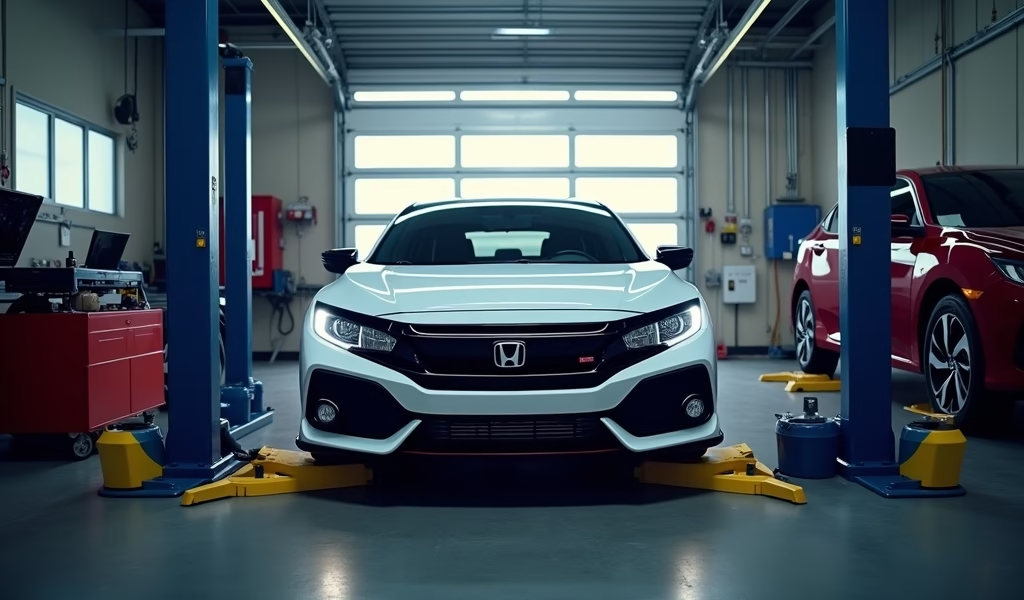
This guide covers essential maintenance for the 2018 Honda Civic Hatchback, detailing regular servicing for oil changes, brake care, tire rotation, air filters, transmission maintenance, battery health, and cooling system care—proving that even this zippy turbocharged hatchback needs more babysitting than your neighbor’s surprisingly self-sufficient cat. Following these seven maintenance tips will help keep your Civic running smoothly beyond 150,000 miles while maintaining its performance and resale value, which is exactly what you’ll need when you inevitably start eyeing that shiny new model in the dealership window.
Table of Contents
- Introduction to 2018 Honda Civic Hatchback Maintenance
- Regular Oil Changes and Fluid Maintenance
- Brake System Care and Inspection
- Tire Rotation and Pressure Monitoring
- Engine and Cabin Air Filter Replacement
- Transmission Care for Longevity
- Battery Health and Electrical System Checks
- Cooling System Maintenance
- Conclusion
- Frequently Asked Questions
Introduction to 2018 Honda Civic Hatchback Maintenance
The 2018 Honda Civic Hatchback combines sporty styling, impressive fuel economy, and Honda’s legendary reliability into one practical package. As a mechanic who’s worked on countless Civic models over the years, I can tell you that proper maintenance is the secret to keeping your 2018 Honda Civic Hatchback running smoothly for years to come. Even the most reliable vehicles need regular care, and your Civic is no exception.
Honda designed the 2018 Civic Hatchback to be dependable, but that doesn’t mean it’s maintenance-free. Following a consistent care schedule will help prevent costly repairs down the road and maintain that peppy performance you love. The turbocharged engine in particular benefits from diligent attention to maintenance schedules.
In this guide, I’ll walk you through seven essential maintenance tips specifically for your 2018 Honda Civic Hatchback. These recommendations come from years of hands-on experience and follow Honda’s own guidelines for optimal performance. Whether you’re a DIY enthusiast or prefer leaving service to the professionals, understanding these maintenance needs will help you make informed decisions about your vehicle’s care.
Regular Oil Changes and Fluid Maintenance
Your 2018 Honda Civic Hatchback’s 1.5L turbocharged engine demands clean, high-quality oil to perform at its best. Honda recommends synthetic oil changes every 7,500 miles under normal driving conditions, but I’ve seen engines last longer when owners opt for the 5,000-mile interval instead. The turbocharger places additional stress on your engine oil, so skimping on changes isn’t worth the risk.
When changing oil, always use 0W-20 synthetic oil as specified in your owner’s manual. This particular weight provides the perfect balance of protection during cold starts while maintaining viscosity when the engine reaches operating temperature. While you’re under the hood, take a moment to check other vital fluids too:
- Brake fluid: Should be clear to amber in color, never brown or cloudy
- Power steering fluid: Keep filled to the proper level marked on the reservoir
- Coolant: Maintain a 50/50 mix of Honda coolant and distilled water
- Transmission fluid: For CVT models, check with the engine warm and running
Remember that fluid maintenance goes beyond just checking levels. Brake fluid, for instance, should be replaced every 3 years regardless of mileage due to its hygroscopic nature (it absorbs moisture over time). Likewise, Honda recommends transmission fluid replacement at 30,000 miles for CVT models under severe driving conditions.
One last tip: always document your oil changes and fluid services. This record not only helps you stay on schedule but becomes valuable should you decide to sell your Civic down the road. According to a Car and Driver study, vehicles with documented maintenance histories typically command 10-15% higher resale values.
Brake System Care and Inspection
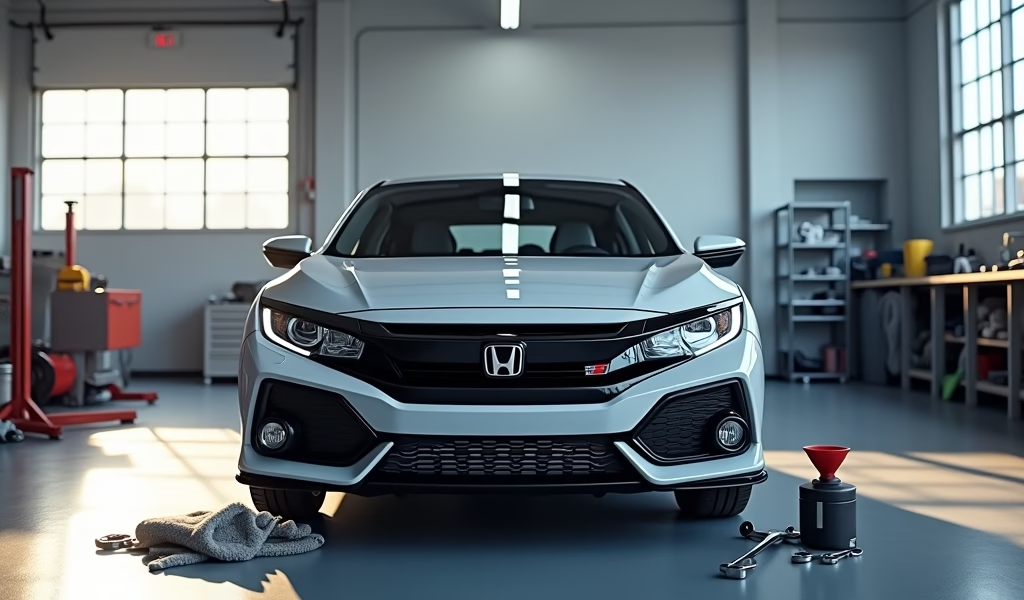
The braking system on your 2018 Honda Civic Hatchback is one of its most critical safety features, yet many owners overlook regular inspection until they hear that telltale squealing. Front brake pads on the Civic typically last 30,000-40,000 miles, while rear pads can go 45,000-55,000 miles thanks to Honda’s weight distribution and front-biased braking design.
Visual inspection of your brake pads should be part of your routine maintenance. You can often see the pad material through the wheel spokes – look for at least 3mm of pad material remaining. When the pads get below this threshold, it’s time for replacement before they begin damaging the rotors.
Speaking of rotors, the Civic’s discs are fairly robust but can warp under heavy braking conditions or if the pads wear too thin. When replacing pads, have your mechanic measure rotor thickness and check for scoring or grooving. Uneven wear patterns often indicate caliper issues that should be addressed immediately.
Another often-overlooked aspect is brake fluid. The Civic’s brake system relies on clean, water-free hydraulic fluid to operate properly. Brake fluid should be replaced every 3 years since it absorbs moisture from the air, which lowers its boiling point and can cause brake fade under hard use. This is especially important if you enjoy spirited driving in your Civic Hatchback.
Remember that unusual noises (grinding, squealing, or pulsing) or a soft pedal feel are warning signs that shouldn’t be ignored. Addressing brake concerns early typically saves money in the long run by preventing damage to more expensive components.
Tire Rotation and Pressure Monitoring
Proper tire maintenance is crucial for your 2018 Honda Civic Hatchback’s handling, fuel economy, and safety. The factory-equipped tires are designed to balance performance with efficiency, but they need regular attention to perform optimally. I recommend rotating your tires every 5,000-7,500 miles to ensure even wear patterns across all four corners.
The Civic Hatchback uses a specific rotation pattern based on your tire type. For non-directional tires, use a cross rotation pattern where the front tires move to the opposite rear position (left-front to right-rear, etc.), while the rear tires move straight forward. For directional tires, simply swap front to rear on the same side.
Tire pressure deserves weekly checks, even with the Civic’s Tire Pressure Monitoring System (TPMS). The recommended pressure for most 2018 Civic Hatchback models is 32 PSI, but always verify against the sticker inside your driver’s door jamb. Proper inflation can improve your fuel economy by up to 3% and extends tire life significantly.
While checking pressure, take a moment to inspect tire condition as well:
- Look for uneven wear patterns that might indicate alignment issues
- Check for cuts, bulges, or objects embedded in the tread
- Measure tread depth (should be more than 4/32″ across the entire surface)
- Inspect sidewalls for cracks or damage
The Civic’s handling characteristics depend heavily on tire condition, so don’t neglect this critical maintenance area. Many affordable cars like the Civic actually benefit more from proper tire maintenance than luxury vehicles do, as their suspensions are designed with specific tire performance parameters in mind.
Engine and Cabin Air Filter Replacement
Your 2018 Honda Civic Hatchback relies on two crucial filters to maintain performance and interior air quality. The engine air filter prevents dust, debris, and contaminants from entering your 1.5L turbocharged engine. A dirty engine air filter can reduce fuel economy by up to 10% and decrease acceleration performance – something you’ll definitely notice in the zippy Civic Hatchback.
Honda recommends replacing the engine air filter every 15,000-30,000 miles, but I suggest checking it visually every 10,000 miles. If you frequently drive on dirt roads or in dusty conditions, you might need more frequent replacements. The good news is that replacing this filter is one of the easiest DIY maintenance tasks – it’s located under a simple cover on the driver’s side of the engine compartment.
Equally important is the cabin air filter, which purifies the air circulating through your HVAC system. This filter traps pollen, dust, and odors before they reach your interior. A clogged cabin filter can cause weak airflow from your vents and even create unpleasant odors inside the vehicle.
The cabin filter should be replaced every 15,000-20,000 miles, though allergy sufferers might prefer more frequent changes. It’s located behind the glove compartment and takes about 10-15 minutes to replace with basic tools. When replacing either filter, consider upgrading to high-efficiency aftermarket options if you prioritize performance or air quality.
Both these filters are relatively inexpensive (usually $15-30 each), making them among the most cost-effective maintenance items for your Civic. Don’t be tempted to clean and reuse paper filters – the material degrades over time and cleaning can damage the filter media. According to EPA research on indoor air quality, a clean cabin air filter can significantly reduce exposure to particulate matter while driving.
Transmission Care for Longevity
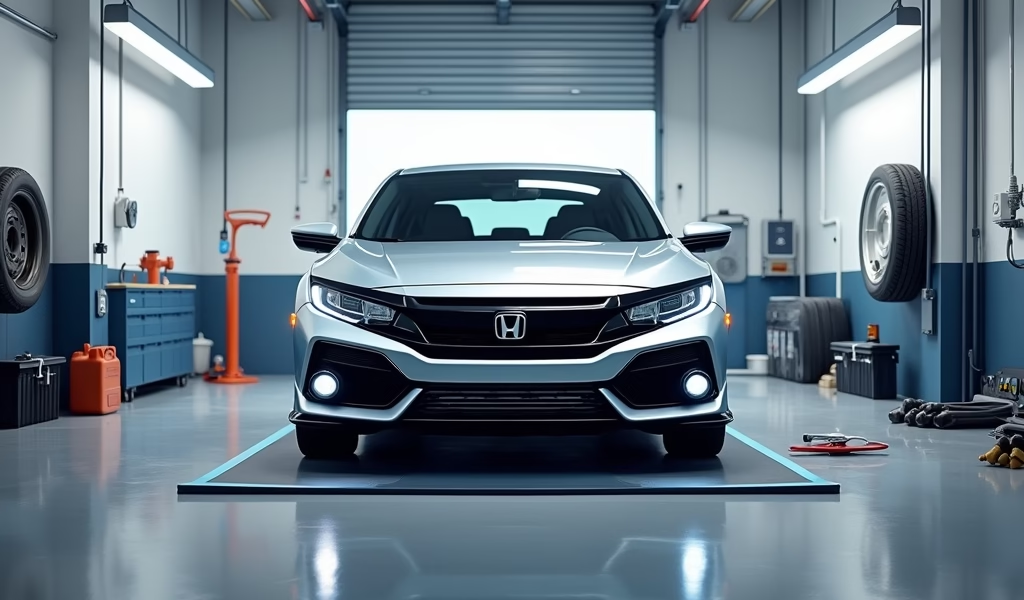
The 2018 Honda Civic Hatchback comes equipped with either a smooth-shifting 6-speed manual transmission or a Continuously Variable Transmission (CVT). Each requires specific maintenance to ensure long-term reliability. For CVT-equipped models, Honda recommends fluid changes every 30,000 miles under normal conditions, but I’ve found that 25,000-mile intervals provide better long-term protection, especially if you frequently drive in stop-and-go traffic.
CVT fluid isn’t something you can simply top off – it requires a proper drain and fill using only Honda HCF-2 fluid. Using incorrect fluid can cause serious transmission damage, so this isn’t the place to cut corners. The good news is that Honda CVTs are generally reliable when maintained properly, and fluid changes are significantly less expensive than transmission repairs.
For manual transmission Civics, the fluid change interval is typically longer – around 60,000 miles – but the fluid quality is equally important. Honda Manual Transmission Fluid (MTF) is specifically formulated for the Civic’s transmission synchros and bearing surfaces.
Beyond fluid changes, pay attention to how your transmission feels during operation:
- CVT: Watch for delayed engagement, unusual noises, or vibrations
- Manual: Note any grinding when shifting or clutch pedal changes
- Both: Address any warning lights immediately
One transmission care tip many overlook is driving habit adjustments. Allowing your Civic to warm up for 30-60 seconds before driving, especially in cold weather, helps circulate transmission fluid properly. Similarly, avoiding aggressive launches and “revving” with the CVT in drive can extend transmission life considerably.
Transmission issues often start small but can escalate quickly. If you notice even minor changes in shifting behavior or unusual noises, have your Civic checked by a qualified technician who understands Honda transmissions. Many cars for sale with transmission problems started with small issues that owners ignored.
Battery Health and Electrical System Checks
The 2018 Honda Civic Hatchback uses a 12-volt battery that typically lasts 3-5 years, depending on climate and driving habits. Battery failure rarely gives much warning, which is why proactive testing is so important. I recommend having your battery tested annually after the second year of ownership, especially before winter months when battery performance naturally decreases.
Modern Civics place significant demands on their electrical systems with advanced safety features, infotainment systems, and engine management computers. Even minor voltage drops can cause intermittent electronic glitches that might be difficult to diagnose. A healthy battery should maintain at least 12.6 volts when the engine is off and 13.7-14.7 volts when running.
Keep your battery terminals clean and tight – corrosion can restrict current flow and cause starting problems. A simple solution of baking soda and water works wonders for cleaning battery terminals, followed by a light coating of dielectric grease to prevent future corrosion.
Beyond the battery itself, your Civic’s alternator should be tested annually as well. A failing alternator might still allow the car to run normally but will gradually drain the battery. Warning signs include:
- Dimming headlights when the engine idles
- Battery/charging system warning light
- Electrical accessories working intermittently
- Battery constantly needing jump starts
If you frequently take short trips under 15 minutes, your battery may not fully recharge between journeys. Consider taking a longer 30+ minute drive weekly or using a battery maintainer if your Civic sits for extended periods. This helps prevent sulfation, which permanently damages battery cells over time.
Many auto parts stores offer free battery testing, making this an easy maintenance item to stay ahead of. Replacing your battery proactively at the first signs of weakness can prevent being stranded and potentially save your Civic’s sensitive electronics from damage caused by jump-starting.
Cooling System Maintenance
The cooling system in your 2018 Honda Civic Hatchback plays a critical role in protecting your turbocharged engine from heat damage. Honda recommends replacing coolant every 100,000 miles or 5 years, whichever comes first. However, I suggest a more conservative approach with inspection every 30,000 miles and replacement at 60,000 miles to prevent coolant degradation.
Only use Honda-approved coolant (Honda Long Life Antifreeze/Coolant Type 2) mixed 50/50 with distilled water. The special formulation protects aluminum components in your engine and helps prevent corrosion inside the cooling passages. Mixing different coolant types can cause chemical reactions that damage seals and create gel-like deposits in the system.
Regular visual inspections can catch potential cooling issues before they become serious:
- Check hoses for cracks, bulges, or hardness (they should feel firm but flexible)
- Inspect the radiator and condenser for debris or damage
- Look for coolant leaks around hose connections, the water pump, and radiator
- Verify the cooling fan operates properly during engine warm-up
The thermostat is another critical component that regulates engine temperature. If your Civic takes unusually long to warm up or runs consistently hot, the thermostat may need replacement. This relatively inexpensive part plays a major role in engine efficiency and longevity.
One cooling system component that’s often overlooked is the radiator cap. This pressurizes the cooling system to raise the boiling point of the coolant. A failing cap can cause overheating even when coolant levels are normal. Consider replacing the cap during your 60,000-mile cooling service as preventative maintenance.
Remember that an overheating event, even briefly, can cause significant damage to your Civic’s aluminum engine components. If your temperature gauge rises into the red zone, pull over safely as soon as possible and allow the engine to cool before investigating. Never remove a radiator cap when the engine is hot – the pressurized coolant can cause severe burns.
Conclusion
Maintaining your 2018 Honda Civic Hatchback isn’t just about preventing problems – it’s about preserving the driving experience that made you choose this versatile vehicle in the first place. By following these seven essential maintenance tips, you’re not only protecting your investment but ensuring that zippy turbo performance and handling precision remain intact for years to come.
Remember that consistency is key. Even the most reliable vehicles like the Civic benefit enormously from regular, scheduled maintenance. Create a personal service timeline based on your driving habits, and don’t hesitate to perform inspections more frequently if you drive in severe conditions or put significant miles on your vehicle.
The 2018 Honda Civic Hatchback represents an excellent balance of efficiency, performance, and practicality. With proper care, many owners report trouble-free operation well beyond 150,000 miles. Each maintenance dollar spent today potentially saves you multiple repair dollars down the road while maintaining your Civic’s value and reliability.
Whether you handle maintenance yourself or trust a professional, understanding these essential service needs empowers you to make informed decisions about your Civic’s care. Here’s to many more enjoyable miles in your 2018 Honda Civic Hatchback!
Frequently Asked Questions
How often should I change the oil in my 2018 Honda Civic Hatchback?
Honda recommends oil changes every 7,500 miles with full synthetic 0W-20 oil under normal conditions. However, I suggest a 5,000-mile interval if you frequently drive in stop-and-go traffic or extreme temperatures.
What’s the fuel economy I should expect from my 2018 Civic Hatchback?
The EPA rates the 2018 Honda Civic Hatchback at 29-31 mpg city and 38-40 mpg highway depending on transmission type. Your actual mileage may vary based on driving habits and conditions.
When should I replace the timing belt in my 2018 Civic Hatchback?
Good news – your 2018 Civic Hatchback uses a timing chain, not a belt, which is designed to last the lifetime of the vehicle. No scheduled replacement is necessary under normal conditions.
Are there any common issues with the 2018 Honda Civic Hatchback I should watch for?
Some owners report infotainment system glitches and occasional A/C condenser failures. Early oil changes and keeping the front grille clean can help prevent some of these potential issues.
How long should the original brakes last on a 2018 Civic Hatchback?
Front brake pads typically last 30,000-40,000 miles while rear pads can last 45,000-55,000 miles with normal driving. Your mileage will vary depending on driving style and conditions.