
Overview
This article details seven professional car care treatments essential for maintaining vehicles in Phoenix’s harsh desert climate, including ceramic coating, hand washing, clay bar treatments, paint correction, waxing, interior protection, and headlight restoration. It emphasizes how these treatments protect against UV damage and dust while preserving vehicle value, and includes a recommended maintenance schedule tailored specifically for Phoenix drivers.
Table of Contents
- The Phoenix Challenge: Keeping Your Car Shining
- Ceramic Coating: Your Car’s Invisible Shield
- The Magic Touch: Professional Hand Washing
- Clay Bar Treatment: Smooth as Glass
- Paint Correction: Erasing Time’s Traces
- Wax On: The Classic Defender
- Interior Love: Protecting From Within
- Headlight Restoration: See and Be Seen
- Your Desert Shine Maintenance Schedule
- Frequently Asked Questions
The Phoenix Challenge: Keeping Your Car Shining
There’s something about a freshly detailed car catching the Arizona sunlight just right. That shimmer isn’t just eye-candy – it’s your vehicle’s armor against our relentless desert environment.
I’ve spent 15 years under Phoenix hoods, and I’ll tell you straight: our sunshine is both blessing and curse. While we enjoy top-down weather year-round, those same UV rays that warm our winters are silently attacking your car’s finish every single day.
At BestPhoenixCarWash, we’ve seen firsthand how proper care transforms vehicles from sun-faded disappointments into head-turning showpieces. Even in our challenging climate with dust storms, hard water, and summer temperatures hot enough to fry an egg on your hood.
A well-maintained exterior isn’t just about pride (though that new-car feeling never gets old). It’s about preserving your second-largest investment. Vehicles with protected finishes maintain resale values up to 15% higher than their neglected counterparts, according to Kelley Blue Book research.
Let’s dive into seven professional treatments that will help your ride maintain that coveted showroom shine, even when the thermometer hits triple digits.
Ceramic Coating: Your Car’s Invisible Shield
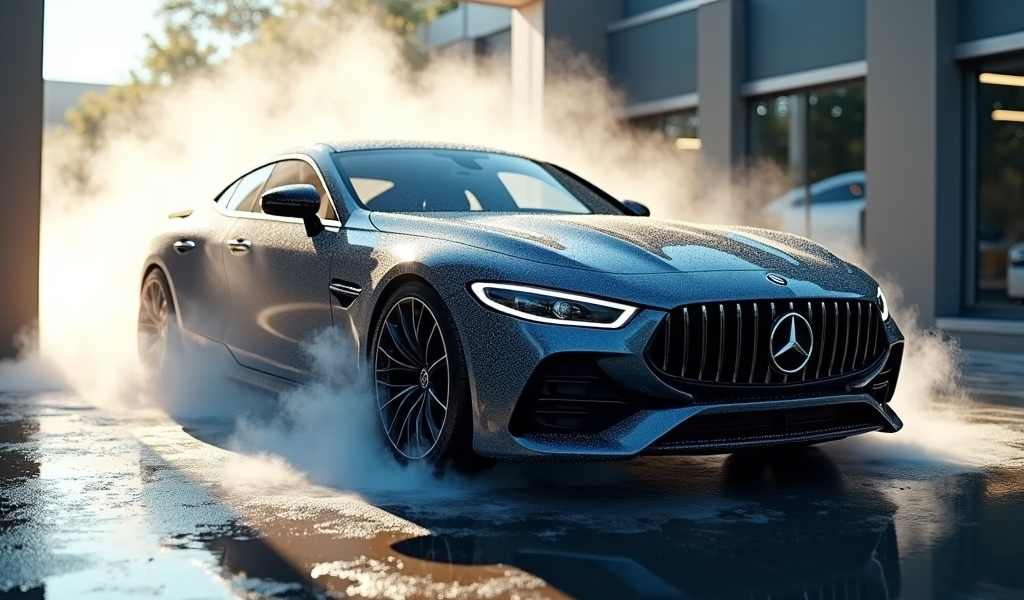
Picture an invisible force field surrounding your car, repelling water, dust, and harmful UV rays. That’s ceramic coating in action – and it’s a game-changer for Phoenix drivers.
Unlike traditional waxes that sit on the surface, ceramic coating creates a semi-permanent bond with your paint at a molecular level. This Si02 (silicon dioxide) nanotechnology forms a hydrophobic barrier that makes water bead and roll off, taking contaminants with it.
For my Phoenix customers, I recommend ceramic coating above all other treatments because it addresses our unique challenges:
- Provides unmatched UV protection (crucial in our 299 sunny days per year)
- Creates a slick surface where dust and pollen can’t easily stick
- Reduces washing frequency by 50% (saving precious water)
- Makes your color pop with deeper reflections and gloss
While professional application isn’t cheap ($500-1,500 depending on vehicle size), the protection lasts 2-5 years with proper maintenance. That’s pennies per day for the ultimate protection.
DIY ceramic coating kits exist, but I’ve seen too many botched applications. Without proper paint preparation (decontamination, clay treatment, sometimes paint correction), you’re just sealing in imperfections. This is one area where professional application truly makes a difference.
If budget is a concern, quality detailing services often offer ceramic spray coatings with shorter lifespans (6-12 months) but similar benefits at a fraction of the cost.
The Magic Touch: Professional Hand Washing
Let’s talk about automated car washes for a second. Those spinning brushes? They’re dragging dirt from the truck ahead of you right across your paint. Those rainbow-colored soaps? Often harsh detergents that strip protective coatings.
A proper hand wash is the foundation of all car care. It’s not just about removing visible dirt – it’s about preparing your surface for protection while doing no harm.
When we hand wash at BestPhoenixCarWash, we’re following a methodical process:
- Pre-rinse with high-pressure water to remove loose debris
- Two-bucket method (wash solution and clean rinse) with grit guards to prevent scratching
- pH-neutral, automotive-specific soap (never dish detergent!)
- Washing from top to bottom in straight lines, not circles
- Separate microfiber mitts for lower panels (where road grime concentrates)
- Thorough rinse followed by drying with plush microfiber towels
We also pay special attention to often-neglected areas: door jambs, gas cap surrounds, behind spoilers, and those weird crevices only detailers seem to notice.
In Phoenix’s hard water environment, drying technique matters. Our drying process prevents those stubborn water spots that can actually etch into your clear coat under intense sun. Your car doesn’t just look clean – it’s truly clean, without introducing new damage.
I recommend a thorough hand wash every two weeks during our dusty season and monthly during winter. Between washes, waterless products can maintain your finish without risking scratch damage from dry wiping.
Clay Bar Treatment: Smooth as Glass
Ever run your hand over freshly washed paint and feel tiny bumps? That’s embedded contamination – particles so stubborn that soap and water can’t touch them. Enter the clay bar, a detailer’s secret weapon.
Clay bars work through gentle abrasion, literally grabbing and pulling contaminants from your paint. These particles – industrial fallout, brake dust, tree sap, airborne chemicals – aren’t just unsightly. They create rough surfaces where future contaminants can stick more easily.
In Phoenix, our clay treatments remove unique desert contaminants:
- Mineral deposits from hard water irrigation systems
- Fine dust particles driven deep into pores during haboobs
- Airborne industrial pollutants from our growing urban area
- Pollen that seems to find every surface during spring
The process is simple but requires care. We lubricate small sections with clay lubricant (never dry!), then glide the clay across the surface with gentle pressure. The transformation is something you can literally feel – from slightly rough to baby-bottom smooth.
Here’s a quick test you can do at home: after washing your car, put your hand inside a clean plastic sandwich bag and run it over your paint. The bag amplifies friction, making contamination instantly noticeable. If it feels gritty, you need clay.
For most Phoenix vehicles, I recommend claying twice yearly – once after pollen season and again after monsoon season. This creates the perfect foundation for waxes and sealants, allowing them to bond properly and last longer.
Paint Correction: Erasing Time’s Traces
Ever notice how a brand-new car reflects light differently than one that’s a few years old? That’s because microscopic imperfections in your clear coat scatter light instead of reflecting it cleanly. Paint correction is the art of restoring that perfect reflection.
Think of your clear coat like glass – when it’s scratched and marred, light bounces erratically. Paint correction uses specialized compounds and polishes to level out these imperfections, creating a smooth, even surface that reflects light uniformly.
In Phoenix, our vehicles face unique challenges that accelerate paint damage:
- Swirl marks from improper washing (those automated car washes!)
- Water spot etching from mineral-heavy irrigation spray
- Fine scratches from blowing dust during our famous dust storms
- Oxidation and fading from relentless UV exposure
Professional paint correction typically follows a multi-stage process:
- Compounding with heavier abrasives to remove deeper defects
- Polishing with medium abrasives to refine the surface
- Finishing with fine polish to maximize gloss
- Protection application to seal the restored surface
The results can be dramatic – colors appear deeper, reflections become mirror-like, and your car regains that eye-catching brilliance it had on the showroom floor. Many customers tell me they didn’t realize how bad their paint had become until they see the corrected finish.
While minor correction can be attempted by skilled DIYers, I’ve seen too many burned-through clear coats from enthusiastic amateurs with high-speed buffers. Professional correction is an investment that pays visual dividends for years when properly protected afterward.
For most Phoenix vehicles, a single professional correction followed by proper maintenance (hand washing, regular protection) can restore showroom appearance that lasts for years.
Wax On: The Classic Defender

There’s something deeply satisfying about the rich, wet look of freshly waxed paint. While ceramic coatings have revolutionized protection, traditional waxing remains one of the most cost-effective ways to shield your finish while enhancing its appearance.
In the scorching Phoenix heat, not all waxes are created equal. Our customers typically choose between two main categories:
Carnauba Wax: Derived from Brazilian palm leaves, natural carnauba creates that warm, deep “wet look” that car enthusiasts crave. It beads water beautifully and gives the richest visual enhancement. The downside? In Phoenix heat, it typically lasts just 4-6 weeks before needing reapplication.
Synthetic Sealants: Laboratory-created polymers that bond more tenaciously to your paint. They sacrifice some of carnauba’s visual warmth but offer significantly longer protection – typically 4-6 months even in our harsh climate. Modern hybrids like ceramic-infused waxes offer impressive longevity while retaining good looks.
Application technique matters enormously for longevity. At BestPhoenixCarWash, we:
- Apply in shade on cool panels (never in direct sun)
- Work in small sections with appropriate dwell time
- Use only clean, plush microfiber for removal
- Layer certain products for enhanced durability
For Phoenix drivers, I typically recommend synthetic sealants for practical protection with quarterly application. For enthusiasts who enjoy the therapeutic process of waxing and want the absolute best appearance for shows or special events, carnauba applied monthly creates unmatched visual depth.
The most important thing is consistency – some protection is always better than none against our intense UV radiation. Even basic protection dramatically slows oxidation and fading that can make a three-year-old car look ancient in our climate.
Interior Love: Protecting From Within
We’ve talked a lot about exterior care, but let’s not forget where you actually spend your time – inside the cabin. Interior protection is especially critical in Phoenix, where cabin temperatures can exceed 160°F during summer months.
Those UV rays that attack your paint are doing the same to your dashboard, seats, and trim – just more slowly and often unnoticed until significant damage occurs.
At BestPhoenixCarWash, our interior protection approach varies by material:
Leather: Phoenix heat draws moisture from leather, causing it to shrink, crack and fade. We use specialized conditioners that restore natural oils while creating a UV barrier. Unlike generic “protectants” that leave greasy films, professional-grade products maintain a factory-fresh appearance while providing genuine protection.
Vinyl/Plastic: Dashboards and door panels benefit from UV-inhibiting treatments that penetrate rather than merely coating the surface. This prevents the hardening and cracking that makes so many Arizona vehicles look prematurely aged. We avoid silicone-heavy products that create glare and attract dust.
Fabric: Upholstery fabrics benefit from specialized protectants that repel liquids and prevent staining without changing the texture or feel. In our dusty environment, fabric protection also makes regular vacuuming more effective by preventing dust from binding to fibers.
The key to effective interior protection is proper preparation. We thoroughly clean surfaces before applying protection – otherwise, you’re just sealing in contaminants and preventing products from bonding properly.
I recommend interior treatment every 2-3 months in Phoenix, with more frequent application for vehicles regularly parked outside. Research from Consumer Reports suggests that proper interior care not only preserves appearance but can reduce internal temperatures by creating surfaces that reflect rather than absorb heat.
Don’t forget about those often-neglected areas: center console lids, steering wheels (where oils from hands accelerate wear), and door pockets where dust accumulates unseen.
Headlight Restoration: See and Be Seen
Nothing ages a car quite like yellow, foggy headlights. Beyond the cosmetic issue, degraded headlights create serious safety concerns – reducing nighttime visibility by up to 80% according to AAA research.
Phoenix’s intense UV radiation accelerates headlight degradation dramatically. Those plastic lenses weren’t designed to endure decades of desert sun, and the oxidation process can begin in as little as 2-3 years on unprotected headlights.
At BestPhoenixCarWash, our headlight restoration goes beyond the temporary fixes you might find at parts stores:
- Progressive wet sanding to remove oxidized layers (not just surface hazing)
- Multi-stage polishing to restore optical clarity
- UV-resistant sealer application to prevent rapid re-oxidation
- Optional ceramic coating for maximum longevity
The results are both beautiful and functional – properly restored headlights can increase light output by 70% or more, dramatically improving nighttime driving safety. That yellow cloudiness disappears, replaced by crystal-clear lenses that look factory-new.
Without protective coating after restoration, Phoenix headlights can begin to yellow again within months. That’s why professional-grade UV sealers are essential for lasting results. We warranty our headlight restorations for two years against re-oxidation when maintained properly.
For most Phoenix vehicles, I recommend headlight inspection yearly and restoration as needed – typically every 3-5 years depending on exposure and protection. The investment pays dividends in both appearance and safety.
Your Desert Shine Maintenance Schedule
A question I hear daily: “How often should I be doing all this?” The answer depends on several factors: where you park, how often you drive, and your personal standards. But for the typical Phoenix driver wanting to maintain excellent condition while being practical, here’s my recommended schedule:
- Weekly: Quick rinse to remove surface dust and bird droppings (which can etch paint in hours under hot sun)
- Bi-weekly to Monthly: Thorough hand wash using proper techniques
- Quarterly: Paint decontamination (clay treatment) and protection renewal (wax/sealant)
- Semi-annually: Interior deep clean and protection application
- Annually: Paint inspection for correction needs and headlight evaluation
- Every 2-3 years: Professional ceramic coating renewal (if applicable)
Consistency is more important than frequency. Regular basic maintenance prevents the need for major restoration later. Think of it like dental care – regular brushing prevents the need for root canals!
At BestPhoenixCarWash, we’ve designed maintenance packages specifically for Phoenix’s unique environment. Our treatments work in harmony to provide comprehensive protection against our challenging climate while maintaining that head-turning shine that makes you proud of your ride.
Remember, maintaining your vehicle’s appearance isn’t just about pride – it’s about preserving value. When properly cared for using these seven key treatments, your car will maintain its showroom appeal for years longer than neglected vehicles.
Whether you’re showcasing a prized classic, maintaining a family SUV, or preserving a daily commuter, these professional treatments will keep your vehicle looking its best under the Phoenix sun. Your car deserves nothing less than the best car wash treatment possible – and so do you.
Frequently Asked Questions
How often should I wash my car in Phoenix?
Most vehicles in Phoenix benefit from a thorough hand wash every 2-3 weeks during dusty season (spring/monsoon) and monthly during winter. Quick rinses between washes help prevent damage from bird droppings and tree sap.
Is ceramic coating worth the cost for Phoenix drivers?
Absolutely – ceramic coating provides unmatched protection against our intense UV rays, dust storms, and hard water spots. The 2-5 year protection justifies the investment, especially for vehicles parked outdoors.
Can I wax over ceramic coating?
While not necessary, applying a ceramic-specific maintenance spray every few months enhances water beading and gloss. Traditional waxes aren’t recommended as they can’t properly bond to ceramic surfaces.
What’s the fastest way to remove water spots in Phoenix?
For fresh spots, a 50/50 mix of distilled water and white vinegar can dissolve mineral deposits without damaging paint. Stubborn, etched water spots may require professional polishing to remove safely.
How can I protect my car’s interior from cracking in Phoenix heat?
Use a quality UV protectant on all interior surfaces quarterly, park in shade whenever possible, and use windshield sunshades. Crack windows slightly when parked to reduce interior temperature extremes.