

Overview
This DIY guide explains how to bleed car brakes to remove air from the hydraulic system, detailing the necessary tools, step-by-step process, and alternative methods that can be performed with or without a helper. Properly bleeding brakes restores firm pedal feel and ensures reliable stopping power, making it a crucial maintenance task that should be performed every 2-3 years or whenever the brake pedal feels spongy.
Table of Contents
- Why Bleeding Brakes Matters
- What You’ll Need
- Step 1: Prepare Your Vehicle
- Step 2: Locate the Bleeder Valves
- Step 3: The Bleeding Process
- Step 4: Refill and Check
- Step 5: Test Your Brakes
- Alternative Bleeding Methods
- Conclusion
- Frequently Asked Questions
Why Bleeding Brakes Matters
Ever stepped on your brake pedal only to feel it sink toward the floor like you’re stepping on a sponge? That squishy, unresponsive feeling is usually a sign of air in your brake lines – and it’s not something you want to ignore.
Your vehicle’s braking system operates on hydraulic pressure. When you press the brake pedal, it pushes brake fluid through the lines to activate your brake calipers and ultimately slow your wheels. Unlike fluid, air compresses – which means if air bubbles find their way into your brake lines, that pressure gets wasted compressing the air instead of activating your brakes.
Air typically enters your brake system during maintenance work or when brake fluid gets low enough to allow air in. Sometimes, worn seals can also let air seep into the system over time. Whatever the cause, bleeding your brakes is the solution to restore that firm, responsive pedal feel and ensure your car stops when you need it to.
According to National Highway Traffic Safety Administration, proper brake maintenance is crucial for vehicle safety. Learning how to maintain your car’s brake system can not only save you money but potentially save lives too.
What You’ll Need
Before you dive under the car, gather these tools and supplies:
- Fresh brake fluid (the type specified in your vehicle’s manual – typically DOT 3 or DOT 4)
- A box-end wrench or line wrench that fits your bleeder screws (usually 8mm, 10mm, or 11mm)
- Clear plastic tubing that fits over the bleeder screws (typically 1/4-inch inner diameter)
- A clean glass jar or bottle
- Jack and jack stands
- Wheel chocks
- A helper (for the traditional method)
- Safety glasses and nitrile gloves
- Shop rags or paper towels
A few notes on brake fluid: never reuse old fluid, don’t let your brake fluid container sit open (it absorbs moisture from the air), and be careful – brake fluid will damage paint if spilled. Also, check your owner’s manual for the exact type of fluid your vehicle requires. Mixing different types can cause serious brake system damage.
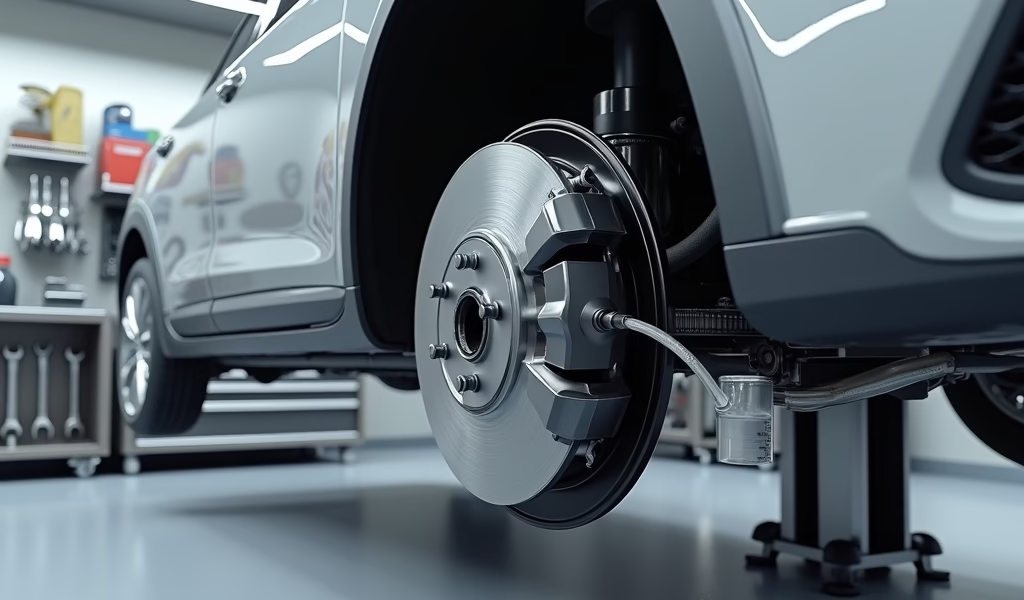
Step 1: Prepare Your Vehicle
Safety first! Find a level workspace with good lighting. Put on your safety glasses and gloves – brake fluid can irritate skin and is harmful if it gets in your eyes.
Start by locating your master cylinder reservoir under the hood – it’s typically on the driver’s side near the firewall, with a plastic cap. Check the current fluid level before you begin. If it’s dirty or hasn’t been changed in over two years, consider doing a complete fluid flush rather than just bleeding the brakes.
Next, secure your vehicle:
- Apply the parking brake
- Chock the wheels that will remain on the ground
- Loosen the lug nuts on the wheel you’ll remove first
- Jack up that corner of the vehicle
- Place a jack stand underneath for safety
- Remove the wheel to access the brake caliper
Remember, never rely solely on a hydraulic jack to support a vehicle you’re working under. Those jack stands might seem like an extra step, but they’re your life insurance policy when you’re underneath a 3,000+ pound vehicle.
Step 2: Locate the Bleeder Valves
With the wheel removed, you’ll see your brake caliper (or drum brake assembly on older vehicles). The bleeder valve (sometimes called a bleeder screw) is a small, usually hexagonal fitting with a nipple on the end. On disc brakes, it’s typically located on the top side of the caliper body. On drum brakes, you’ll find it on the back side of the wheel cylinder.
Bleeder valves can be stubborn if they haven’t been opened in a while. Before trying to open one, spray it with penetrating oil and let it sit for a few minutes. This helps prevent the valve from snapping off – a situation that turns a simple job into a much bigger headache.
The bleeding sequence matters. Air rises, so you want to start with the brake furthest from the master cylinder (usually the right rear), then move to the left rear, right front, and finally left front. Some European vehicles have different sequences, so check your service manual if you’re unsure.
A trick many mechanics use is to lightly tap the calipers or brake lines with a plastic or rubber mallet before bleeding. This helps dislodge air bubbles that might be clinging to the inner walls of the brake components.
Step 3: The Bleeding Process
Now we’re getting to the heart of the job. The traditional two-person method works like this:
- Slip one end of your clear tubing over the bleeder valve
- Place the other end in your catch container with a small amount of fresh brake fluid at the bottom (this prevents air from being drawn back in)
- Have your helper sit in the driver’s seat
- Open the master cylinder cap and check that it’s filled to the “Full” line
- Tell your helper to pump the brake pedal 3-4 times and then hold it firmly down
- While the pedal is held down, use your wrench to open the bleeder valve about a quarter turn
- Fluid and air bubbles should flow through the tube into your container
- Close the bleeder valve, then have your helper release the pedal
- Repeat until no more air bubbles appear in the tube (usually 5-10 cycles)
Clear communication is key here. I like to use simple commands: “Pump and hold,” then “Holding,” followed by “Closing,” and finally “Release.” This rhythm helps prevent mistakes that could introduce more air into the system.
Keep a close eye on the master cylinder fluid level during this process. If it gets too low, you’ll suck air into the system and have to start over. Top it off as needed with fresh fluid.
After finishing the first brake, move to the next in the sequence. Remember to top off the master cylinder between each wheel. As you check your brake fluid level, you might notice it’s becoming clearer – that’s a good sign you’re replacing the old fluid with fresh fluid.
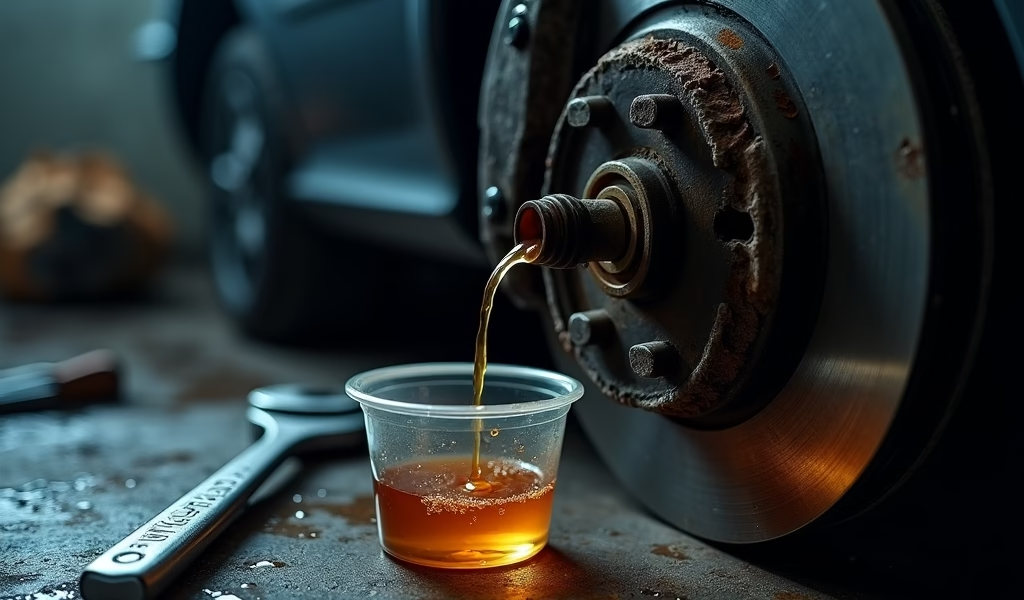
Step 4: Refill and Check
Once you’ve completed all four brakes, double-check that each bleeder valve is tight (but not overtightened – these can break with excessive force). Wipe down any spilled fluid, especially around the bleeder valves and brake components.
Now fill the master cylinder reservoir to the “Full” line with fresh brake fluid. Make sure to use the same type you’ve been using throughout the process. Replace the cap securely.
This is also a good time to inspect your brake system components since you have the wheels off. Look for:
- Pad thickness (should be at least 3mm)
- Rotor condition (no deep grooves or cracks)
- Leaks around calipers or brake lines
- Excessive corrosion on any components
If your pads are worn or your rotors are damaged, consider addressing these issues before putting everything back together. After all, perfectly bled brakes can’t compensate for worn-out friction material.
Step 5: Test Your Brakes
With everything reassembled, it’s time for the moment of truth. Before moving the car, pump the brake pedal several times while the engine is off. The pedal should feel firm after a few pumps – not spongy or sinking to the floor.
Next, start the engine (which activates the brake booster) and check the pedal feel again. It should be firm and responsive. If it still feels soft, you may need another bleeding session, as there might still be air in the lines.
For the final test, find an empty parking lot or quiet street. Drive at low speed and apply the brakes normally. The car should stop smoothly without pulling to either side. Then try a slightly harder stop (not an emergency stop) to ensure the brakes respond proportionally to pedal pressure.
Remember that new brake fluid might make your brakes feel slightly different – usually more responsive – compared to before. That’s normal and actually what we’re aiming for! As noted in Edmunds’ brake maintenance guide, fresh fluid improves brake performance by maintaining proper hydraulic pressure.
Alternative Bleeding Methods
The traditional method works well, but there are alternatives if you’re working solo or want a more efficient process:
Gravity Bleeding
This solo method relies on gravity to push fluid through the system:
- Fill the master cylinder to the brim
- Open the bleeder valve without touching the brake pedal
- Let gravity push fluid and air out until clean fluid flows
- Close the valve and move to the next brake
While simpler, gravity bleeding takes longer and may not remove all air bubbles, especially from ABS units.
Pressure Bleeding
For this method, you’ll need a pressure bleeder – a specialized tool that pressurizes the master cylinder:
- Attach the pressure bleeder to the master cylinder
- Pressurize the system to about 15 psi
- Open each bleeder valve until clean fluid flows
This is how most professional shops do it – it’s efficient and doesn’t require a helper. You can find affordable pressure bleeders for home use that will pay for themselves if you maintain multiple vehicles.
Vacuum Bleeding
A vacuum bleeder uses suction at the bleeder valve:
- Attach the vacuum pump to the bleeder valve
- Create vacuum to pull fluid through the system
- Release vacuum and close the valve when clean fluid flows
This method works well for removing stubborn air bubbles, but quality vacuum bleeders can be pricey for occasional home mechanics.
As you become more experienced with essential car maintenance tasks, you might find that combining methods – starting with pressure bleeding and finishing with traditional bleeding – gives the best results for stubborn air pockets.
Conclusion
Bleeding your brakes might seem intimidating at first, but it’s one of those satisfying DIY skills that saves money and gives you confidence in your vehicle’s safety. That firm pedal feel you’ve restored means your car will stop reliably when you need it to – and that’s worth every minute spent under the car.
Remember to bleed your brakes whenever you notice a spongy pedal, after any brake line work, or as preventative maintenance every 2-3 years along with a fluid change. Fresh fluid not only removes air but also replaces moisture-contaminated fluid that can corrode internal brake components and reduce braking performance.
With practice, you’ll find your rhythm and develop your own tricks for getting the job done efficiently. Just remember never to rush brake work – this is one system where cutting corners can have serious consequences. Take your time, follow the steps carefully, and enjoy the satisfaction of a job well done – and a brake pedal that responds exactly as it should.
Frequently Asked Questions
How often should I bleed my car’s brakes?
Brake systems should be bled every 2-3 years as part of routine maintenance or whenever the brake pedal feels spongy. You should also bleed the system after any brake component replacement that opens the hydraulic system.
Can I bleed brakes without a helper?
Yes, you can use gravity bleeding, pressure bleeding, or vacuum bleeding methods to bleed brakes solo. These alternative methods eliminate the need for someone to pump the brake pedal.
How do I know if I’ve successfully removed all air from the brake lines?
A successful brake bleeding results in a firm brake pedal that doesn’t sink to the floor when pressed. You’ll also see clear fluid without bubbles flowing from the bleeder valve during the final bleeding cycles.
What happens if I mix different types of brake fluid?
Mixing different types of brake fluid (like DOT 3 and DOT 5) can damage seals, cause corrosion, and lead to brake failure. Always use the specific type recommended in your vehicle’s owner manual.
Is bleeding brakes dangerous?
When done properly with the vehicle securely supported on jack stands, bleeding brakes is safe. The main hazards are vehicle instability if improperly supported and skin/eye irritation from brake fluid contact, so wear protective gear.
Pingback: Brake Controller Installation: 10 Proven Safety Tips - knowsyourcar.com