

Overview
This guide provides step-by-step instructions for replacing car fuses, including how to identify blown fuses, choose proper replacements, and safely install them without damaging electrical components. The article emphasizes that fuse replacement is an accessible DIY repair requiring minimal tools that can prevent unnecessary trips to mechanics, while warning that repeatedly blown fuses indicate underlying electrical problems requiring professional attention.
Table of Contents
- Introduction
- Understanding Your Car’s Fuse System
- Gather the Right Tools
- Safely Prepare Your Vehicle
- Correctly Identify the Blown Fuse
- Remove and Replace the Fuse Properly
- Test Your Work
- Preventative Maintenance Tips
- Conclusion
- Frequently Asked Questions
Introduction
When your car’s radio suddenly goes silent or your power windows refuse to budge, a blown fuse is often the culprit. As a mechanic with 15 years under my belt, I can tell you that these tiny plastic components are the unsung heroes of your vehicle’s electrical system. Think of them as sacrificial guardians—they’re designed to “blow” when too much current flows through a circuit, preventing electrical fires and protecting expensive components.
Learning how to replace a car fuse is one of the most accessible DIY car repairs you can master. It requires minimal tools, takes just minutes, and can save you from an unnecessary trip to the repair shop. I’ve seen countless drivers light up with confidence after making their first successful fuse replacement—it’s a gateway skill that opens the door to greater car diagnostic understanding.
In this guide, I’ll walk you through the entire process with the same careful instructions I’d give my own family members. By the end, you’ll have the knowledge to tackle this common car issue with confidence and a touch of mechanical pride.
Understanding Your Car’s Fuse System

Most vehicles have at least two fuse boxes: a primary one typically located under the dashboard on the driver’s side, and a second under the hood near the battery. Your owner’s manual is the ultimate treasure map to finding these locations, especially if they’re tucked away in less obvious spots.
Modern vehicles primarily use blade-type fuses—those colorful plastic-housed components that slot neatly into your fuse panel. Each color corresponds to a specific amperage rating:
- Gray or clear: 2-5 amps
- Brown: 7.5 amps
- Red: 10 amps
- Blue: 15 amps
- Yellow: 20 amps
- Green: 30 amps
Older vehicles might use glass tube fuses that resemble miniature light bulbs. The standardization of automotive fuses has made replacements widely available and consistent across manufacturers.
The fuse diagram is your Rosetta stone for electrical troubleshooting. This chart, usually located on the fuse box cover or in your owner’s manual, maps which fuse protects which circuit. Take a moment to familiarize yourself with your vehicle’s layout—it’ll save you considerable head-scratching later on.
Gather the Right Tools
One thing I love about fuse replacement is how few tools it requires. Here’s what you’ll need:
- Fuse puller (often integrated into the fuse box cover)
- Flashlight or work light (fuse boxes are rarely in well-lit areas)
- Replacement fuses of appropriate amperage
- Your vehicle’s owner’s manual
Optional tools that make the job easier include:
- A multimeter for testing electrical continuity
- Needle-nose pliers if a fuse puller isn’t available
- A small inspection mirror for hard-to-see fuses
You can purchase replacement fuses at any auto parts store, many big-box retailers, or online. I always recommend keeping a small assortment of common fuses in your glove compartment—they’re inexpensive insurance against electrical gremlins that inevitably strike at the most inconvenient times.
Pro tip: Some auto parts stores sell emergency fuse kits with various amperages. For about $10-15, you can have peace of mind tucked away in your vehicle. This small investment can save you from being stranded due to something as simple as a blown radio fuse.
Safely Prepare Your Vehicle
“Safety first” isn’t just a catchy slogan—it’s especially crucial when working with automotive electrical systems. Before touching any fuse, turn off the ignition and remove the key. For most basic fuse replacements, disconnecting the battery isn’t necessary, but if you’re troubleshooting more complex issues, disconnecting the negative battery terminal provides an extra layer of protection.
Never replace fuses with wet hands or in rainy conditions. Water and electricity remain sworn enemies regardless of the voltage involved. Also, avoid wearing metal jewelry which can conduct electricity or create accidental short circuits in tight spaces.
Remember that some systems, like clocks and security features, may reset when power is interrupted. Have any required reset codes handy before beginning work. Your car’s electrical system basics aren’t complicated once you understand the fundamentals of circuit protection.
Correctly Identify the Blown Fuse
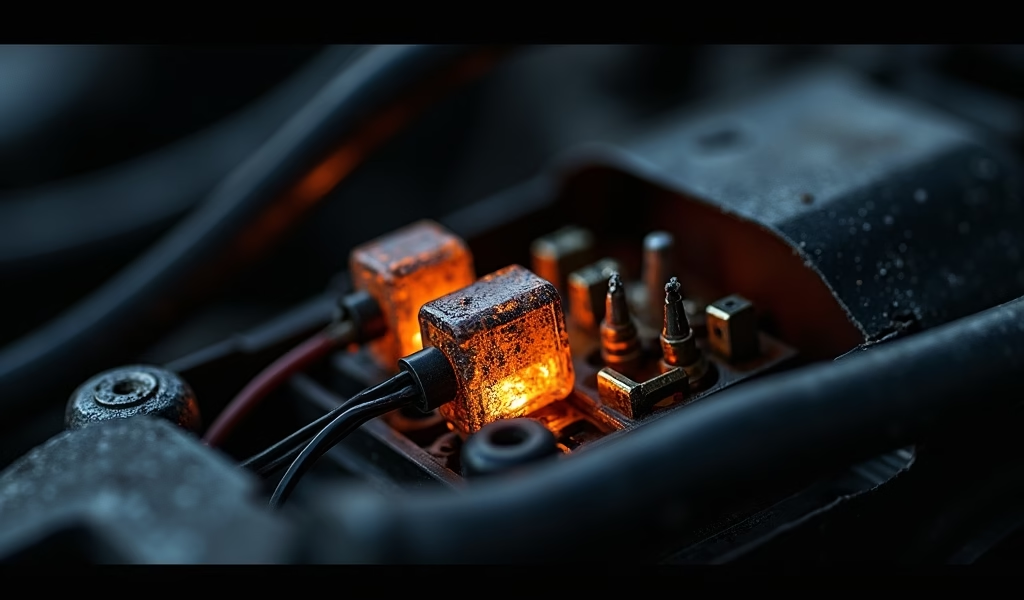
A blown fuse often announces itself through visual inspection. Look for a broken metal strip inside the transparent top of the fuse or discoloration from heat. A good fuse has an intact metal path; a blown one displays a visible gap in this pathway.
When visual inspection isn’t conclusive, a multimeter set to continuity mode becomes your best friend. Touch the probes to the metal ends of the fuse. A working fuse will cause your multimeter to beep or show zero resistance, while a blown fuse will show infinite resistance.
Specific symptoms often point to particular fuses:
- Radio or infotainment system dead? Check the accessories fuse.
- Power windows frozen? Look for the power window fuse.
- Turn signals not blinking? The flasher relay or turn signal fuse is likely culprit.
Your vehicle’s fuse diagram connects these dots, saving you from checking every fuse in the box. If you’re dealing with a particularly tricky electrical issue, consulting the factory service manual can provide detailed circuit diagrams beyond what’s in the owner’s manual.
Remove and Replace the Fuse Properly
With the blown fuse identified, it’s time for the main event. The fuse puller, which resembles small plastic tweezers, is specifically designed to grip the fuse body without damaging surrounding components. Insert the puller around the plastic body of the fuse (not the metal ends), squeeze gently, and pull straight out with even pressure.
If you’re using pliers as a substitute, take extra care not to squeeze too hard—cracking the plastic housing can make removal more difficult and potentially damage the fuse box.
Now comes the golden rule of fuse replacement: always match the amperage exactly. I can’t stress this enough—never install a higher-amperage fuse than specified. While it might seem logical that a 30-amp fuse would last longer than the 20-amp one that keeps blowing, this completely defeats the fuse’s protective purpose and could lead to electrical fires or component damage.
Press the new fuse firmly but gently into place until it seats completely. Both metal ends should make solid contact with the fuse box terminals. You’ll typically feel a slight click or resistance when it’s properly seated.
If you find yourself without the exact amperage fuse in an emergency, you can temporarily use a lower-rated fuse to get home (though the protected circuit might not function if it draws more current than the temporary fuse allows). Just remember to replace it with the correct amperage as soon as possible.
Test Your Work
After replacement, restore power and test the affected system. If your radio fuse blew, the radio should now power up normally. If your replacement fuse immediately blows again when you test the component, don’t just keep replacing it—there’s likely an underlying electrical issue that needs addressing.
Repeated fuse failures indicate excessive current draw, which could stem from:
- A short circuit in the wiring
- A malfunctioning component drawing too much power
- Water intrusion into electrical connections
- Damaged wiring from road debris or rodent damage
If a replacement fuse blows instantly, it’s time to consult a professional. The cost of diagnosis will likely be less than repeatedly replacing fuses and risking more serious electrical damage. One of my favorite affordable car repair tips is knowing when a simple fix is sufficient and when to seek professional help.
For intermittent issues, sometimes a fuse will blow only under specific conditions—like when hitting bumps or using multiple accessories simultaneously. In these cases, careful observation of when the problem occurs can provide valuable diagnostic clues.
Preventative Maintenance Tips
To reduce future fuse failures, I recommend incorporating these practices into your vehicle care routine:
Regularly inspect visible wiring for chafed insulation or loose connections, particularly under the hood and near moving parts. Heat, vibration, and time conspire to weaken electrical connections, and catching issues early can prevent more serious problems.
Keep battery terminals clean and connections tight. Corroded or loose battery connections can cause voltage fluctuations that stress electrical components and fuses. A wire brush and some baking soda solution work wonders for removing battery corrosion.
Be cautious about aftermarket electrical accessories. Those high-powered subwoofers or extra driving lights might look great, but they need proper installation with appropriate fuse protection and sometimes wiring upgrades. I’ve seen countless electrical problems stemming from improperly installed accessories.
Watch for signs of water intrusion. Check weatherstripping around doors and windows, and investigate musty smells that might indicate moisture is reaching electronic components. Water and electronics mix about as well as oil and vinegar—except with potentially expensive consequences.
Consider having your vehicle’s charging system tested annually. A faulty alternator can deliver irregular voltage that damages electrical components and blows fuses. Most auto parts stores will perform this test for free, making it one of the best preventative maintenance values available.
Conclusion
Replacing a car fuse represents the perfect entry point to DIY car maintenance—simple enough for beginners but essential knowledge for any vehicle owner. This small skill can save you from inconvenient breakdowns and unnecessary service appointments.
The next time your power outlet stops working or your windshield wipers freeze mid-swipe, check the fuses before assuming the worst. With the knowledge you’ve gained here, you can approach electrical issues with confidence rather than concern.
Remember that car maintenance isn’t an all-or-nothing proposition. You don’t need to become a master mechanic overnight. By mastering foundational skills like fuse replacement, you build confidence to tackle more complex maintenance tasks gradually. Your vehicle will reward your attention with improved reliability and longevity.
And there’s something undeniably satisfying about diagnosing and fixing an issue yourself. That moment when you replace a blown fuse, turn the key, and everything works again? Pure mechanical joy that connects you more deeply to your vehicle and builds self-reliance that extends far beyond the garage.
Frequently Asked Questions
How can I tell if a fuse is blown?
Look for a broken metal strip inside the transparent top of the fuse or discoloration from heat. A good fuse has an intact metal path while a blown one shows a visible gap.
Can I use a fuse with a different amperage if I don’t have the exact replacement?
Never use a higher amperage fuse as this can cause electrical fires or component damage. In an emergency, you can temporarily use a lower amperage fuse to get home, though the circuit might not function properly.
Why does my new fuse keep blowing immediately?
A fuse that blows immediately indicates an underlying electrical issue such as a short circuit or a failing component. This requires professional diagnosis rather than repeated fuse replacement.
Do I need to disconnect the battery to replace a fuse?
For most basic fuse replacements, disconnecting the battery isn’t necessary. Simply turn off the ignition and remove the key before accessing the fuse box.
Where can I find the fuse diagram for my vehicle?
The fuse diagram is typically located on the fuse box cover itself or in your owner’s manual. It maps which fuse protects which electrical circuit in your vehicle.